Dogs often engage in behaviors that puzzle their owners—licking the couch may seem harmless at first, but when it becomes frequent or obsessive, it can signal deeper issues. Compulsive licking isn’t just a quirky habit; it may indicate medical discomfort, anxiety, or environmental stressors. Understanding the root causes and knowing how to respond appropriately is essential for your dog’s well-being. This article explores the science behind this behavior, outlines warning signs of compulsion, and provides actionable strategies to address and resolve it.
Understanding Why Dogs Lick Couches
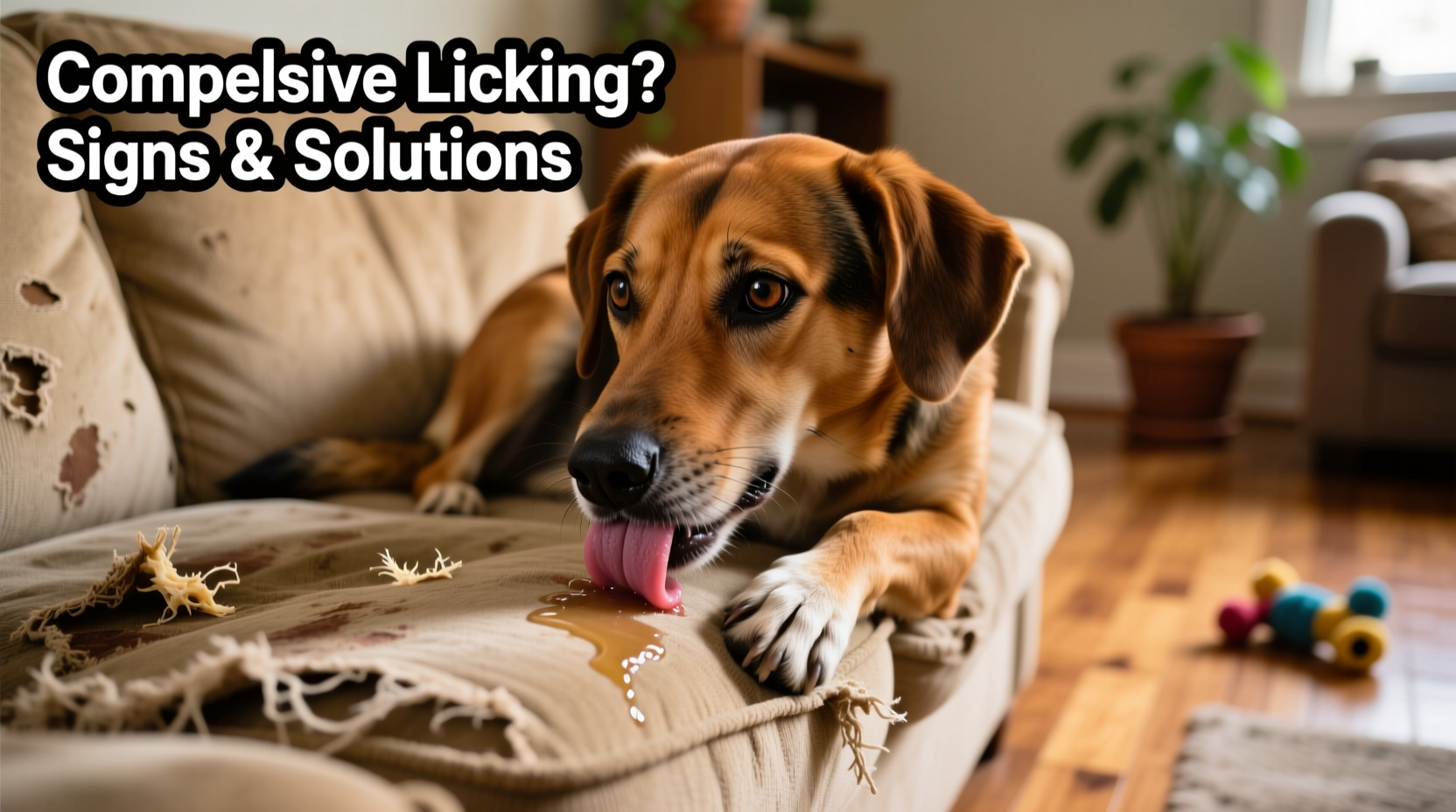
Licking is a natural canine behavior. Puppies use their tongues to explore the world, communicate with littermates, and self-soothe. Adult dogs may continue licking as a way to process scents, relieve boredom, or express affection. However, persistent licking of non-food surfaces—like furniture, walls, or floors—is classified by veterinary behaviorists as “excessive licking of surfaces” (ELS). When directed at couches, this behavior often stems from one or more underlying factors:
- Nutritional deficiencies: Low levels of essential nutrients like iron or zinc can trigger pica-like behaviors, including licking inorganic materials.
- Gastrointestinal distress: Nausea, acid reflux, or irritable bowel syndrome may prompt dogs to lick obsessively as a coping mechanism.
- Anxiety or stress: Separation anxiety, noise phobias, or changes in routine can manifest through repetitive actions like licking.
- Boredom or lack of stimulation: Dogs left alone for long periods may develop compulsive habits to pass time.
- Olfactory attraction: Residual food crumbs, sweat, or cleaning product residues can make couch fabric appealing to a dog’s sensitive nose.
While occasional licking might not be concerning, consistent or escalating episodes warrant closer attention. The key lies in distinguishing between normal exploration and true compulsion.
Tip: Monitor when and where the licking occurs—patterns often reveal triggers such as being left alone or after meals.Recognizing Compulsive Licking: Signs and Symptoms
Not all couch licking is problematic. Occasional licks after someone eats on the sofa are typically benign. But compulsive behavior follows specific patterns and intensities. Here are hallmark signs that your dog’s licking has crossed into problematic territory:
- Licking lasts for extended periods (15+ minutes at a time)
- Occurs multiple times per day regardless of environment
- Continues despite attempts to redirect or distract
- Leads to physical damage—worn fabric, bald spots on lips, or raw skin around the mouth
- Is accompanied by other displacement behaviors like pacing, whining, or tail-chasing
- Persists even when the dog appears tired or disinterested in other activities
Veterinary researchers note that ELS behaviors often begin subtly and escalate over weeks or months. A dog might start with brief licks after dinner but eventually spend hours focused on one spot on the couch, ignoring calls or treats.
“Excessive licking of surfaces is one of the most underreported compulsive behaviors in dogs. It’s easy to dismiss as ‘just a quirk,’ but it frequently correlates with underlying health or emotional distress.” — Dr. Karen Overall, Veterinary Behaviorist
Medical vs. Behavioral Causes: How to Tell the Difference
Before assuming psychological causes, rule out medical conditions. Many gastrointestinal and neurological disorders present with licking behaviors. A veterinarian should conduct a thorough evaluation, including blood work, fecal exams, and possibly an abdominal ultrasound.
Common medical contributors include:
- Inflammatory bowel disease (IBD)
- Epilepsy or partial seizures
- Dental pain or oral lesions
- Endocrine imbalances (e.g., hypothyroidism, Cushing’s disease)
- Medication side effects
If no medical cause is found, the focus shifts to behavioral diagnosis. True compulsive disorder arises when a normal behavior—such as grooming or exploring—is repeated out of context and becomes difficult to interrupt. These behaviors often emerge during times of stress and serve as self-soothing mechanisms.
| Cause Type | Indicators | Action Steps |
|---|---|---|
| Medical | Licking begins suddenly; associated with vomiting, diarrhea, or lethargy | Schedule vet visit, request GI panel and neurological screening |
| Behavioral | Licking follows routine changes, loud noises, or isolation | Implement enrichment, reduce stressors, consult animal behaviorist |
| Environmental | Only occurs on certain furniture; stops when area is cleaned or blocked | Deep clean affected areas, restrict access temporarily |
Step-by-Step Guide to Reducing and Stopping Couch Licking
Resolving compulsive licking requires a multi-pronged approach. Success depends on identifying triggers, modifying the environment, and reinforcing alternative behaviors. Follow this timeline-based strategy:
- Week 1: Observe and Document
Track every episode: duration, time of day, location, and what happened immediately before and after. Use a notebook or app to log entries. Look for patterns related to feeding, household activity, or alone time. - Week 2: Eliminate Medical Causes
Schedule a veterinary check-up. Request a complete blood count, chemistry panel, thyroid test, and bile acids if liver function is suspect. Discuss any medications your dog is taking and whether they could contribute to nausea or restlessness. - Week 3: Modify the Environment
Deep clean the couch using pet-safe enzymatic cleaners to remove lingering odors. Consider covering the area with a washable slipcover or placing a barrier (like a baby gate) during high-risk times. Rotate chew toys and introduce puzzle feeders to redirect oral fixation. - Week 4: Increase Mental and Physical Stimulation
Ensure your dog gets at least 30–60 minutes of daily exercise tailored to breed needs. Add structured training sessions (e.g., teaching new commands or tricks) and scent games indoors. Mental fatigue reduces compulsive tendencies. - Week 5–6: Implement Behavior Modification
Use positive reinforcement to reward calm behavior. When your dog starts approaching the couch to lick, redirect them with a toy or command like “sit” or “go to mat.” Reward compliance generously. Avoid punishment—it increases anxiety and worsens compulsions. - Week 7+: Evaluate Progress and Adjust
Reassess frequency and intensity of licking. If improvement stalls, consult a certified animal behaviorist. In severe cases, veterinarians may prescribe anti-anxiety medication like fluoxetine (Reconcile) alongside behavioral therapy.
Real-Life Example: Max, the Labrador Who Couldn’t Stop Licking
Max, a 4-year-old yellow Labrador, began licking the corner of his owner’s microfiber couch for up to two hours a day. His family initially thought he liked the texture, but the behavior intensified after their move to a new apartment. Despite trying bitter sprays and yelling “no,” nothing worked.
A veterinary exam revealed mild gastritis, likely triggered by dietary changes and stress. Max was prescribed a short course of antacids and a novel-protein diet. Simultaneously, his owners started a daily routine of morning walks, afternoon training drills, and evening sniff walks in the park.
They also introduced a designated “chew zone” with durable rubber toys and rotated them weekly to maintain novelty. Within five weeks, Max’s licking dropped from multiple daily episodes to less than once a week. By week eight, it had stopped entirely.
This case illustrates how combining medical treatment with environmental enrichment and consistent routines can successfully reverse compulsive behaviors.
Prevention Checklist: How to Keep Couch Licking From Returning
Once the behavior is under control, prevention ensures long-term success. Use this checklist to maintain progress:
- ✅ Schedule biannual vet check-ups to monitor digestive and hormonal health
- ✅ Maintain a predictable daily routine for feeding, walks, and bedtime
- ✅ Provide at least one interactive toy session per day (e.g., treat-dispensing puzzle)
- ✅ Clean furniture regularly to eliminate odor buildup
- ✅ Practice desensitization to known stressors (e.g., record thunder sounds at low volume if storms trigger anxiety)
- ✅ Reinforce alternative behaviors weekly—even after the problem resolves
Frequently Asked Questions
Is couch licking dangerous for my dog?
Yes, if prolonged. Chronic licking can lead to lip fold dermatitis, dental wear, or ingestion of fabric fibers and cleaning chemicals. Additionally, it may mask serious health issues like gastrointestinal disease or seizures, delaying proper treatment.
Can I stop the behavior with taste deterrents alone?
Rarely. While sprays with bitter apple or citrus may offer short-term discouragement, they don’t address the root cause. Dogs with medical or anxiety-driven compulsions will often ignore aversive tastes. These products should only supplement a broader intervention plan.
How long does it take to stop compulsive licking?
Improvement timelines vary. With consistent effort, many dogs show reduction within 4–6 weeks. Full resolution may take several months, especially if anxiety or medical conditions are involved. Patience and consistency are critical.
Conclusion: Taking Action for Your Dog’s Health and Happiness
Compulsive couch licking is more than a nuisance—it’s a communication tool your dog uses when words aren’t available. Whether driven by stomach upset, stress, or understimulation, this behavior deserves thoughtful investigation and compassionate response. Ignoring it risks worsening both physical and emotional health. By systematically evaluating causes, applying evidence-based interventions, and maintaining preventive habits, you can restore balance and comfort to your dog’s life.
💬 Have you noticed changes in your dog’s licking habits? Share your experience or questions below—your story could help another pet owner find answers.








