If you’ve ever walked into your bathroom only to find your cat perched calmly in a dry bathtub, you’re not alone. This peculiar habit baffles many cat owners, yet it’s surprisingly common across breeds and living environments. While cats are known for their enigmatic behaviors—kneading blankets, chasing invisible prey, or knocking objects off shelves—choosing a porcelain tub as a personal lounge spot stands out for its oddity. But behind this seemingly random act lies a blend of instinct, environmental preference, and subtle communication.
Cats don’t act without reason, even if that reason isn’t immediately obvious to us. The bathtub offers a unique combination of physical properties and psychological comfort that aligns with feline instincts. By examining temperature, texture, acoustics, safety, and social dynamics, we can begin to decode why your cat might prefer this unlikely resting place over their plush cat bed.
The Cool Surface Appeal
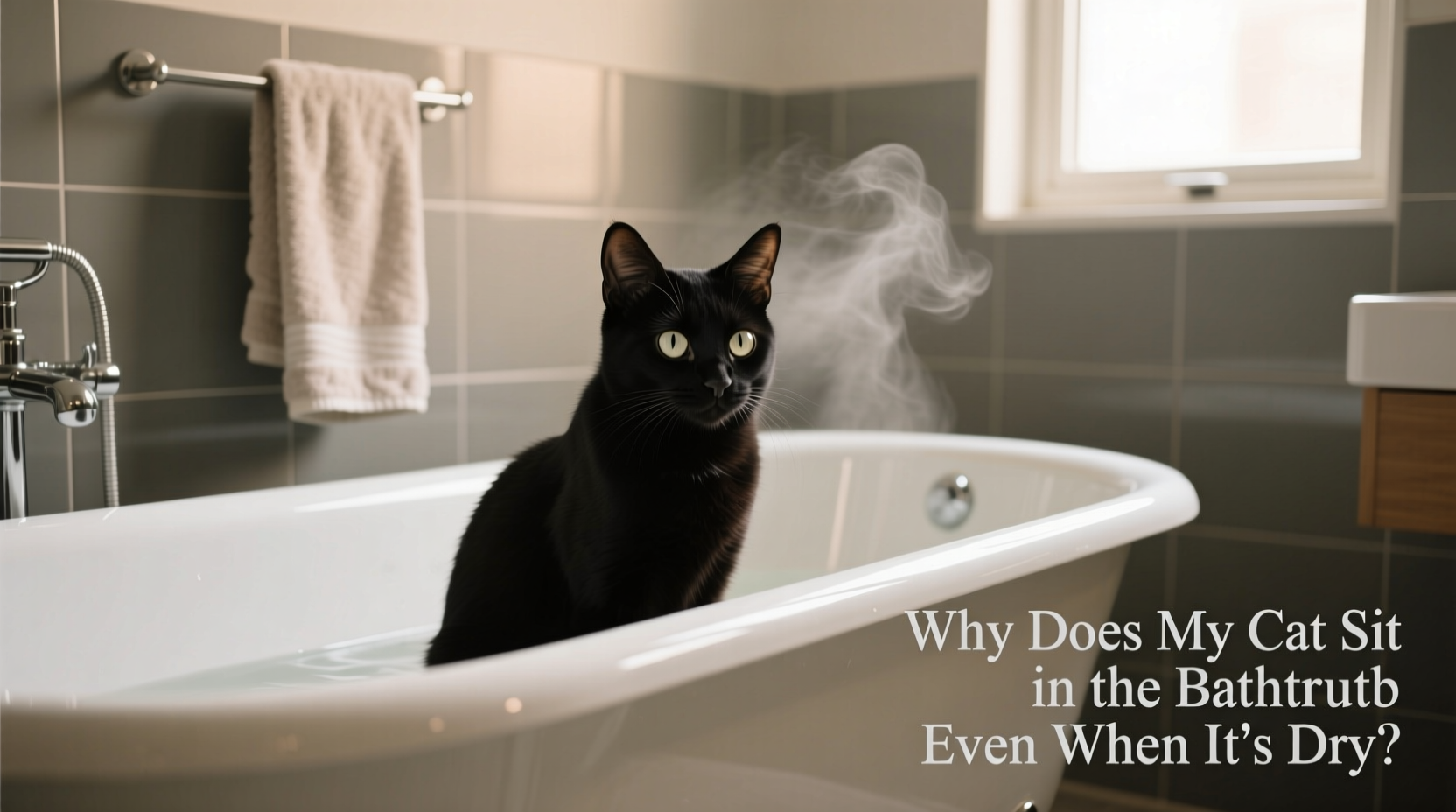
One of the most straightforward explanations for a cat’s attraction to bathtubs is temperature regulation. Cats maintain a higher body temperature than humans—typically between 100.5°F and 102.5°F—and often seek cooler surfaces to help dissipate excess heat. Porcelain and ceramic bathtubs retain coolness longer than carpeted floors or upholstered furniture, especially in warm homes or during summer months.
Infrared studies on cat resting preferences show that felines consistently gravitate toward surfaces slightly below room temperature. A dry bathtub, particularly one located in a shaded or air-conditioned bathroom, provides an ideal thermal environment. Unlike beds or sofas that absorb body heat and become warm over time, the tub remains thermally stable, allowing cats to nap comfortably without overheating.
Tip: If your home runs warm, consider placing a cooling mat near windows or in quiet zones to give your cat alternative cool spots.Safety and Elevated Awareness
Beyond temperature, the structure of the bathtub itself contributes to its appeal. Its raised edges create a semi-enclosed space, offering a sense of security. In the wild, cats favor den-like areas where they can observe their surroundings while remaining protected from potential threats. The tub acts like a natural fortress—its curved sides shield the cat from behind and to the sides, reducing anxiety from blind spots.
Additionally, bathrooms are typically quieter than other rooms in the house. With fewer foot traffic patterns and limited access (especially if doors are closed), the space becomes a low-stress sanctuary. For shy or easily startled cats, the tub may represent a retreat where they can relax without fear of sudden disturbances.
“Cats are both predators and prey animals evolutionarily. They need safe vantage points. A bathtub gives them elevation, enclosure, and visibility—all key elements of a secure resting zone.” — Dr. Lena Reyes, Feline Behavior Specialist, Cornell University College of Veterinary Medicine
Acoustic and Sensory Factors
Another lesser-known factor is sound. Bathrooms tend to have hard, reflective surfaces—tile, glass, porcelain—that amplify certain frequencies while dampening others. This creates a distinct auditory environment. Some experts believe that cats are drawn to the slight echo or resonance in bathrooms, which may make them feel more aware of movement throughout the house.
Moreover, the smooth texture of the tub contrasts sharply with carpets, rugs, or fabric-covered furniture. Many cats enjoy the tactile sensation of cool, non-porous surfaces against their paws and fur. This sensory contrast can be stimulating or soothing, depending on the individual cat. Some even paw at the surface or rub their cheeks along the rim, marking the area with facial pheromones—a sign of territorial ownership and emotional comfort.
Water Association and Curiosity
Despite being famously averse to water, cats are deeply curious about it. The presence of faucets, dripping taps, or residual moisture in the tub can attract feline attention. Even when dry, the tub carries the lingering scent of water, soap, or cleaning products—odors that cats detect far more acutely than humans.
This olfactory footprint may signal novelty or change, prompting investigation. Once inside, the cat discovers that the space is not only interesting but also comfortable. Over time, the association shifts from “place with water” to “safe, cool, private spot,” reinforcing repeat visits. Some cats even sit near running sinks or showers, suggesting that the tub functions as a hub for hydro-curiosity—even when bone dry.
Mini Case Study: Bella and the Midnight Soak Spot
Tina, a pet owner from Portland, Oregon, noticed her 3-year-old tuxedo cat, Bella, began spending hours each night in the empty bathtub. Concerned, she consulted a veterinary behaviorist. After reviewing Bella’s routine, the specialist observed that Tina had recently installed radiant floor heating in the living room and bedroom—areas Bella once frequented. The new warmth drove Bella to seek cooler alternatives. The unheated tile bathroom and cool porcelain tub became her preferred climate-controlled zone.
Further observation revealed Bella would jump into the tub shortly after Tina turned on the bedroom heater. No medical issues were found. When Tina added a cooling pad to a quiet corner near a window, Bella gradually shifted her resting habits—though she still returns to the tub occasionally, especially on hotter days.
This case illustrates how environmental changes—even beneficial ones—can trigger behavioral adaptations in cats. The tub wasn’t a sign of distress but a rational response to shifting thermal conditions.
Behavioral Triggers and Social Signaling
In multi-pet or busy households, the bathtub may serve as a neutral territory. Cats are territorial by nature, but they also recognize hierarchy and competition. If another pet dominates common lounging areas, the cat may retreat to less contested spaces. The bathroom, often off-limits or infrequently used by others, becomes a peaceful refuge.
There’s also evidence that cats use unusual locations to gain attention. If sitting in the tub results in interaction—photographs, verbal reactions, or treats—it reinforces the behavior through positive reinforcement. A cat quickly learns that occupying the tub leads to engagement, making it a strategic move rather than a random choice.
Checklist: Is Your Cat’s Bathtub Habit Normal?
- ✅ Does your cat appear relaxed, with slow blinking and normal breathing?
- ✅ Is the behavior occasional and not accompanied by vocalization or restlessness?
- ✅ Does your cat eat, drink, and use the litter box normally?
- ✅ Has there been a recent change in home temperature or layout?
- ✅ Are other pets or household disruptions influencing your cat’s space choices?
If all answers are yes, the behavior is likely benign. However, if your cat shows signs of stress—excessive grooming, hiding, or aggression—consider consulting a veterinarian or animal behaviorist.
Do’s and Don’ts: Responding to Bathtub Sitting
| Do’s | Don’ts |
|---|---|
| Respect your cat’s choice of resting spot unless it poses a safety risk. | Don’t forcibly remove your cat from the tub—they may perceive it as a threat. |
| Provide alternative cool, enclosed spaces (e.g., cardboard boxes with soft liners). | Don’t block access to the bathroom entirely—it may increase anxiety. |
| Ensure fresh water is available elsewhere to prevent accidental drinking from dirty tubs. | Don’t punish or scold your cat for using the tub—it won’t stop the behavior and may damage trust. |
| Monitor frequency—if it increases suddenly, assess for health or environmental causes. | Don’t assume the behavior is “weird” or abnormal without context. |
When to Be Concerned
While bathtub sitting is usually harmless, sudden or obsessive behavior warrants attention. Excessive time in the tub, especially if paired with lethargy, loss of appetite, or vocalization, could indicate underlying health issues such as hyperthyroidism, kidney disease, or neurological discomfort. These conditions sometimes cause increased thirst or sensitivity to temperature, leading cats to linger near water sources—even dry ones.
Similarly, if your cat begins drinking from the tub, check for residues from cleaning products. Bleach, ammonia, or essential oils can leave behind chemical traces that alter taste and smell, potentially discouraging hydration or causing illness. Always rinse thoroughly after cleaning and avoid strong-scented disinfectants in pet-accessible areas.
Frequently Asked Questions
Is it safe for my cat to sit in a dry bathtub?
Yes, it’s generally safe as long as the tub is clean and free of chemical residues. Ensure your cat isn’t slipping or struggling to enter or exit, especially if they are elderly or have mobility issues.
Why does my cat sit in the tub when I’m in the bathroom?
This often reflects bonding behavior. Cats may follow you into the bathroom because it’s one of the few times you’re stationary and accessible. The tub simply happens to be the most comfortable seat in the room. It’s a form of companionship—not just a quirk.
How can I discourage my cat from using the bathtub?
You don’t need to, unless it’s problematic. If desired, provide equally appealing alternatives: a covered cat bed on cool tile, a perch near a window, or a cooling mat in a quiet corner. Redirect gently with toys or treats, but never force exclusion.
Step-by-Step: Creating Better Alternatives
- Observe Timing: Note when and how often your cat uses the tub. Is it during hot hours, after feeding, or when the house is noisy?
- Assess Environment: Check room temperatures, noise levels, and pet traffic in nearby areas.
- Introduce Alternatives: Place a soft mat or bed in a similarly cool, quiet location—like a hallway closet or laundry room corner.
- Add Comfort Elements: Include a familiar blanket with your scent or a pheromone diffuser nearby to encourage use.
- Encourage Gradually: Lure your cat with treats or catnip, rewarding them for spending time in the new spot.
- Maintain Consistency: Give it two to three weeks to see if behavior shifts. Patience is key—cats resist abrupt changes.
Conclusion: Understanding, Not Correcting
Your cat’s decision to lounge in a dry bathtub isn’t random mischief—it’s a calculated choice rooted in instinct, comfort, and environmental cues. Rather than viewing it as strange, consider it a window into your cat’s inner world. They’re telling you what they need: a cool surface, a secure enclosure, or a moment of peace away from household chaos.
Instead of trying to eliminate the behavior, focus on understanding its cause and ensuring your cat’s overall well-being. Provide options, monitor health, and respect their autonomy. In doing so, you strengthen the bond built on trust and mutual understanding.
💬 Does your cat have a favorite odd napping spot? Share your story in the comments—your experience might help another puzzled pet parent!








