For many, the holiday season brings joy, warmth, and a sense of nostalgia—especially when neighborhoods light up with dazzling Christmas displays. Twinkling lights, synchronized music, and towering inflatables are often celebrated as festive expressions of holiday spirit. Yet for a growing number of people, these same spectacles can trigger anxiety, sensory overload, and emotional discomfort. What appears joyful to some can feel overwhelming or even distressing to others. The reasons are complex, rooted in neurological differences, psychological sensitivities, and societal expectations. Understanding why elaborate Christmas light displays cause stress reveals deeper insights into human perception, mental health, and the unintended consequences of seasonal traditions.
The Sensory Overload Factor
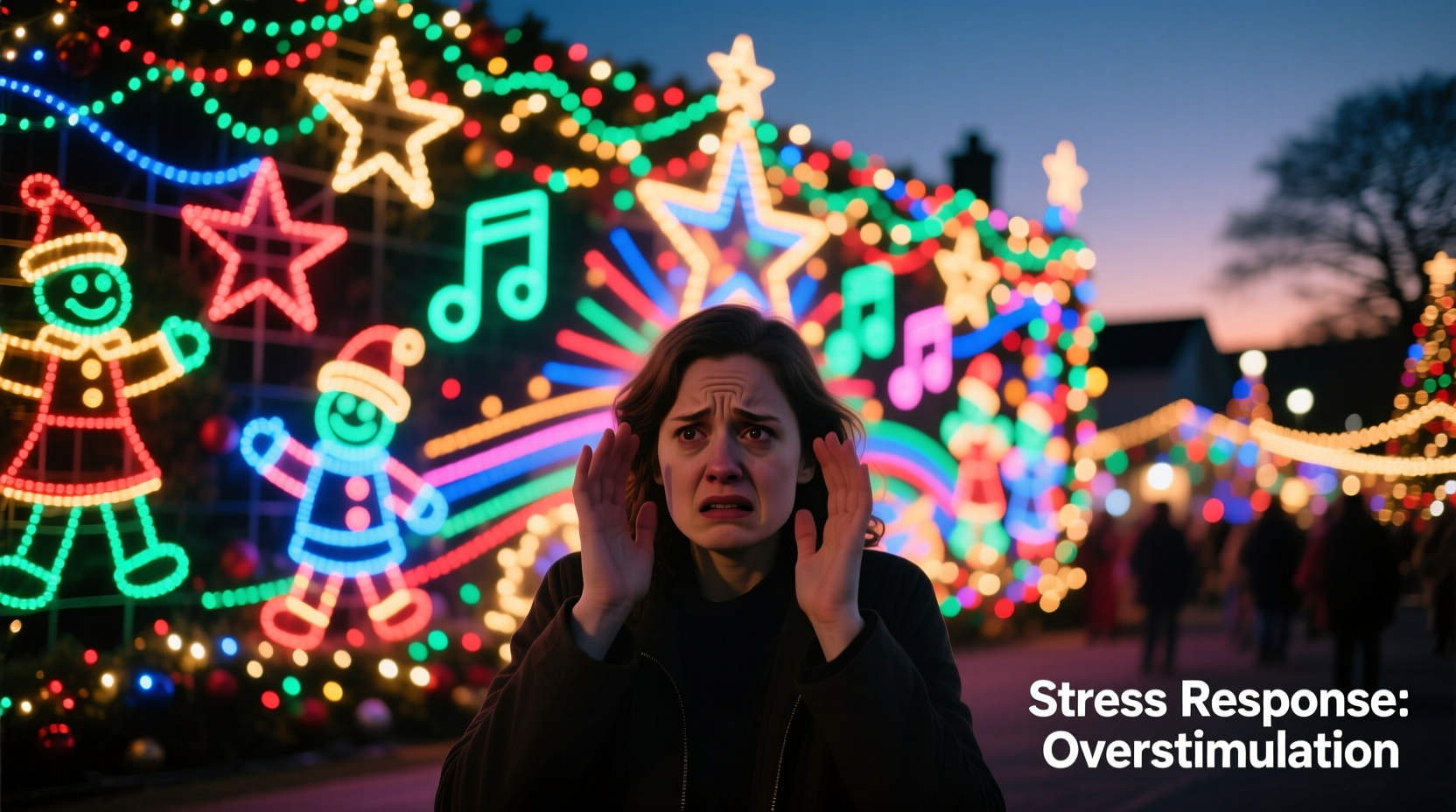
One of the most common reasons people feel stressed by extravagant light shows is sensory overload. Bright, flashing, rapidly changing lights—especially when combined with loud music or motion—can overstimulate the nervous system. This is particularly true for individuals with neurodivergent conditions such as autism spectrum disorder (ASD), ADHD, or sensory processing disorder (SPD). For them, the brain processes sensory input differently, making it harder to filter out excessive stimuli.
In a typical light display, multiple colors flash at high frequencies, patterns shift unpredictably, and music plays on loop. These elements, while designed to entertain, can create cognitive fatigue. The brain struggles to process so much visual and auditory information simultaneously, leading to headaches, dizziness, irritability, or even panic attacks in extreme cases.
Tip: If you're sensitive to bright lights, try viewing displays during daylight hours when the contrast is less intense, or use tinted sunglasses even at night.Even neurotypical individuals can experience temporary sensory overload, especially if they’re already fatigued, anxious, or overwhelmed by the general pace of the holiday season. The cumulative effect of shopping, social obligations, and disrupted routines lowers resilience, making once-enjoyable experiences suddenly taxing.
Mental Health and Anxiety Triggers
Beyond sensory concerns, elaborate light displays can act as indirect triggers for anxiety and depression. The holidays themselves are a high-pressure time for many. Financial strain, family conflict, grief over lost loved ones, and loneliness can all be exacerbated by the idealized imagery associated with Christmas cheer. When homes are transformed into winter wonderlands, complete with professional-grade lighting rigs and choreographed shows, the unspoken message can feel like: “If your home isn’t this festive, you’re not doing the holidays right.”
This creates a subtle but powerful form of social comparison. People who live in smaller homes, have limited budgets, or lack the time or energy to decorate may internalize feelings of inadequacy. They might feel their celebrations are lesser, less joyful, or less valid. In psychology, this is known as \"upward social comparison\"—measuring oneself against someone perceived as better off—and it’s strongly linked to decreased self-esteem and increased depressive symptoms.
“Holiday displays that appear joyful on the surface can unintentionally amplify feelings of isolation or failure in those already struggling. The pressure to perform happiness can be more damaging than the darkness they aim to dispel.” — Dr. Lena Patel, Clinical Psychologist specializing in seasonal affective disorders
Moreover, the sheer scale of some light installations—drawing crowds, traffic, and media attention—can increase anxiety for nearby residents. Noise, congestion, and the loss of privacy turn what should be a personal celebration into a public event, adding stress for homeowners and neighbors alike.
Societal Expectations and Cultural Pressure
Christmas light displays are more than decoration—they’ve become cultural performances. In some communities, there’s an unspoken competition to have the brightest, longest, or most creative setup. Social media amplifies this trend, where viral videos of synchronized light shows rack up millions of views. The result? A normalization of extravagance that sidelines quieter, more intimate ways of celebrating.
This cultural pressure affects both participants and observers. Homeowners may feel compelled to go bigger each year to maintain status or meet community expectations. Observers, meanwhile, may feel obligated to visit every local “must-see” display, turning leisure into another item on an already packed holiday to-do list. What begins as optional fun becomes a source of obligation, contributing to holiday burnout.
For families with young children or elderly relatives, attending large light events may require significant planning—transportation, timing visits around crowd levels, managing temperature exposure. The logistical burden adds another layer of stress, especially when weather is poor or health conditions limit mobility.
Do’s and Don’ts of Holiday Light Engagement
| Do | Don't |
|---|---|
| Respect quiet zones and private property; avoid trespassing for photos | Assume everyone enjoys or wants to participate in light tourism |
| Offer low-sensory viewing options, like early evening walks without music | Play loud music late at night where it disturbs neighbors |
| Recognize that minimal decor doesn’t mean minimal joy | Shame others for not decorating or visiting displays |
| Ask before filming or photographing lit homes | Turn residential streets into parking lots for spectators |
A Closer Look: A Real-Life Scenario
Consider the case of Maria, a 38-year-old teacher from suburban Ohio. Each December, her neighborhood hosts a “Lights of Joy” tour, promoted heavily on local Facebook groups. One house in particular—a three-story colonial—transforms into a spectacle with 50,000 LED lights, animated figures, and a sound system broadcasting holiday music across two blocks.
Maria has mild migraines and heightened sound sensitivity, a condition that worsened after a concussion two years prior. While her children are excited to visit, she dreads the outing. The flashing lights trigger eye strain, and the bass-heavy music gives her headaches within minutes. Last year, she left the car after five minutes, sitting in silence while her family walked the rest of the route. She felt guilty—not just for “ruining” the experience, but for being unable to tolerate something others found magical.
Her story isn’t unique. Many adults with chronic conditions, mental health challenges, or sensory sensitivities face similar dilemmas. They want to share in the joy but find themselves physically or emotionally excluded. The absence of accessible alternatives—like quiet viewing times or audio-off zones—means participation remains limited to those who fit a narrow profile of sensory tolerance.
Practical Strategies for Managing Holiday Light Stress
Whether you’re someone who feels overwhelmed by light displays or a homeowner aiming to be considerate, there are practical steps to reduce stress and promote inclusivity.
Step-by-Step Guide to Enjoying (or Hosting) Displays Mindfully
- Assess your sensory limits. Notice how different environments affect you. Do flickering lights make you anxious? Does loud music spike your heart rate? Track your reactions to identify triggers.
- Plan lower-stimulus visits. Go earlier in the evening when crowds are smaller and lights are less intense. Some displays offer “quiet hours” with reduced brightness or no music—seek those out.
- Use protective tools. Wear noise-dampening headphones or earplugs. Consider blue-light-blocking or tinted glasses to reduce visual strain.
- Set boundaries. It’s okay to skip a display. You don’t need to justify your choice. Protect your well-being first.
- If hosting, communicate clearly. Post signs indicating music hours, decibel levels, or photo policies. Offer a non-lit viewing path for those who prefer it.
- Engage mindfully on social media. Avoid posting judgmental comments about under-decorated homes. Celebrate diversity in celebration styles.
Frequently Asked Questions
Can Christmas lights really cause anxiety?
Yes. For individuals with sensory processing issues, PTSD, or generalized anxiety, the combination of brightness, movement, and noise in elaborate displays can activate the body’s fight-or-flight response. Even for those without diagnosed conditions, the pressure to enjoy something intensely stimulating can create performance anxiety.
Is it rude not to visit a famous light display?
No. Participation in holiday activities should be voluntary. While it’s thoughtful to acknowledge a neighbor’s effort—perhaps with a card or wave—there’s no obligation to attend. Personal comfort and mental health come first.
How can I decorate my home without overwhelming others?
Consider your surroundings. Use timers to limit display hours, direct lights inward to minimize glare, keep music volume low or use wireless audio systems that visitors can access via QR code. Label your display with notes like “Music ends at 8 PM” to show consideration.
Towards a More Inclusive Holiday Experience
The beauty of the holiday season lies in its ability to bring people together—but only if everyone feels welcome. Recognizing that not all joy looks the same is a crucial step toward inclusivity. Just as we accommodate dietary restrictions and physical accessibility, we should also honor sensory and emotional boundaries.
Communities can lead by example. Municipalities could designate “sensory-friendly” light routes with softer lighting and no sound. Schools and local organizations might promote alternative celebrations—craft nights, storytelling, volunteering—that center connection over consumption.
Ultimately, the goal isn’t to eliminate festive displays, but to expand our understanding of what holiday joy can look like. For some, it’s a million twinkling bulbs. For others, it’s a single candle in the window, a quiet moment of reflection, or simply getting through the day with dignity intact.
“We don’t need more light to see each other—we need more empathy.” — Rev. James Holloway, Community Chaplain and advocate for mental health awareness
Take Action with Compassion
This holiday season, pause before assuming how someone else should celebrate. If you’re feeling stressed by light displays, know that your reaction is valid—and you’re not alone. If you’re decorating, consider the impact beyond aesthetics. And if you’re sharing the season with others, lead with kindness over expectation.
💬 Your experience matters. Share your thoughts in the comments—have lights ever caused you stress? How do you protect your peace during the holidays? Let’s build a conversation rooted in empathy, not glitter.








