There’s nothing more frustrating than pulling clean laundry from the washer or dryer only to be greeted by a damp, earthy, musty odor. It defeats the entire purpose of washing—leaving you questioning whether your clothes are truly clean. The good news is that musty-smelling laundry is a common issue with straightforward causes and even simpler solutions. Whether it's lingering moisture, detergent buildup, or unseen mold in your machine, understanding the root causes empowers you to fix the problem for good.
Mustiness isn’t just unpleasant—it can indicate bacterial or fungal growth on fabric or within your washing system. Over time, this can degrade fabric quality, irritate sensitive skin, and make clothing less comfortable to wear. The solution doesn’t require expensive products or professional help. With a few adjustments to your laundry routine and machine maintenance, you can restore freshness to every load.
Understanding the Causes of Musty Laundry
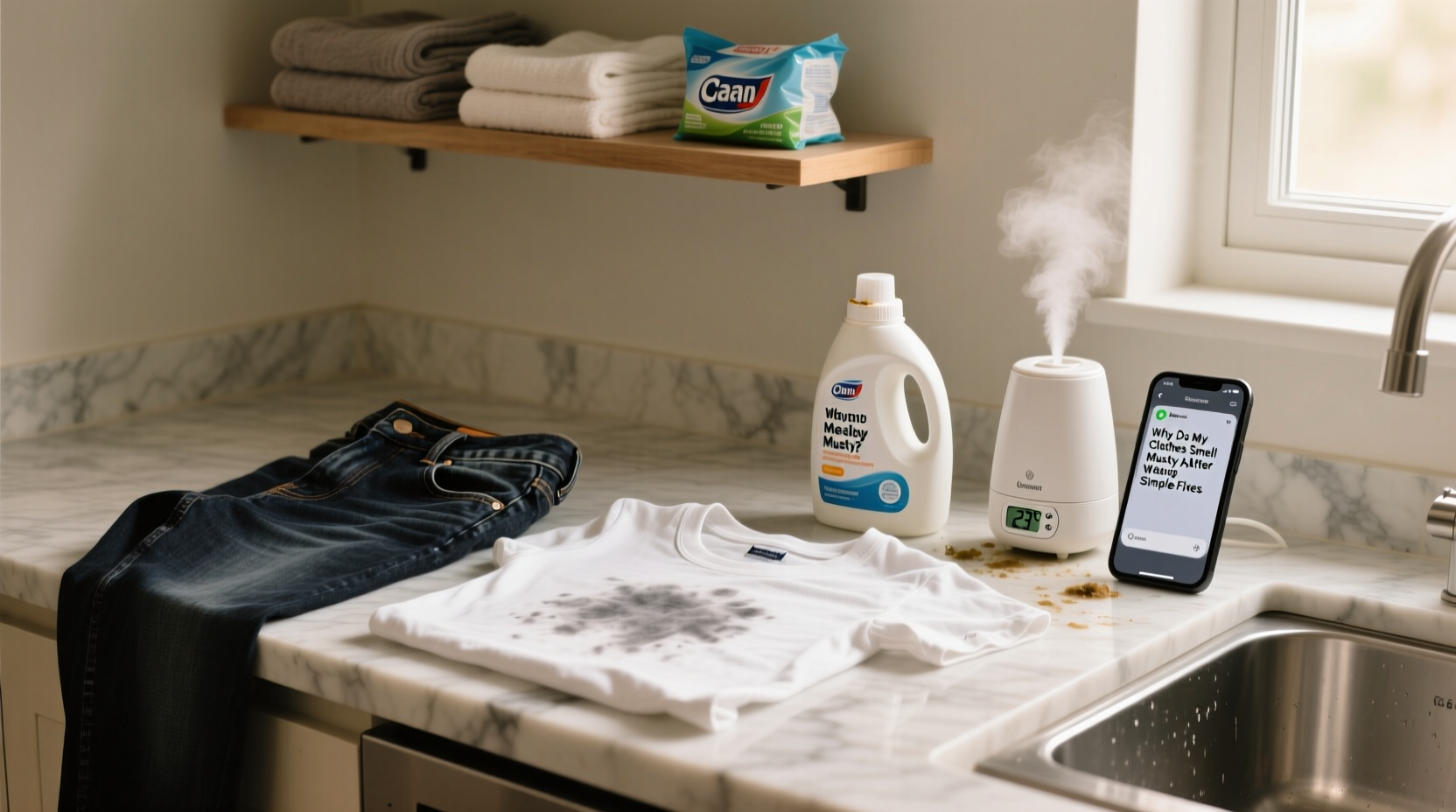
Before jumping into remedies, it’s essential to understand why clothes develop a musty smell after washing. Most cases stem from moisture retention, microbial growth, or contamination from the washing environment. Here are the most common culprits:
- Leaving wet clothes in the washer too long – Even 1–2 hours can allow mildew to form, especially in warm or humid environments.
- Overloading the washing machine – Clothes packed too tightly don’t rinse thoroughly, trapping soap and moisture.
- Detergent or fabric softener buildup – Residue coats fibers and provides a breeding ground for bacteria.
- Mold or mildew in the washing machine – Front-loaders are especially prone due to their rubber gaskets and sealed doors.
- Using cold water exclusively – While energy-efficient, cold water may not kill all odor-causing microbes.
- Poor ventilation in storage areas – Closets or drawers with high humidity encourage lingering odors.
“Moisture is the enemy of fresh laundry. If clothes stay damp for more than an hour post-wash, bacteria and mold can begin to grow.” — Dr. Lena Peterson, Textile Microbiologist
Step-by-Step Guide to Eliminate Musty Smells
Fixing musty laundry isn’t about doing more—it’s about doing things differently. Follow this sequence to tackle both immediate odors and long-term prevention.
- Remove clothes immediately after the cycle ends
Transfer wet laundry to the dryer or drying rack within 30–60 minutes. Set a phone reminder if needed. - Re-wash smelly items with vinegar or baking soda
Add one cup of white vinegar or half a cup of baking soda to a warm wash cycle. These natural agents neutralize odors and break down residue. - Clean your washing machine monthly
Run an empty hot water cycle with one cup of vinegar or a dedicated washing machine cleaner. Wipe the door seal and detergent drawer afterward. - Air-dry clothes when possible
Sunlight has natural disinfectant properties. Hang clothes outside or near a well-ventilated window. - Switch to high-efficiency (HE) detergent if using a front-loader
HE detergents produce fewer suds and rinse more completely, reducing buildup. - Use the correct detergent amount
Too much detergent doesn’t improve cleaning—it leaves residue. Follow label instructions based on load size and soil level. - Incorporate oxygen bleach occasionally
For whites and color-safe fabrics, add oxygen-based bleach (like OxiClean) once a month to deep-clean fibers.
Do’s and Don’ts: Laundry Habits That Prevent Mustiness
| Do’s | Don’ts |
|---|---|
| Use warm water for heavily soiled or workout clothes | Wash sweaty gym clothes in cold water and let them sit |
| Leave washer door open after use | Close the washer tightly after cycles |
| Wash towels and bedding weekly | Store damp towels in hampers or bathrooms |
| Use vinegar as a natural fabric softener | Overuse commercial fabric softeners (they coat fibers) |
| Inspect rubber gasket on front-load machines monthly | Ignore black spots or slime in the door seal |
Real-Life Example: How Sarah Fixed Her Family’s Musty Towels
Sarah, a mother of three in Florida, noticed her family’s bath towels had developed a persistent musty smell—even after washing. She tried doubling the detergent, switching brands, and adding extra rinse cycles, but the odor remained. Frustrated, she posted in a home care forum and learned about washing machine mold.
She inspected her front-loading washer and found black specks along the rubber door gasket. After wiping it with a vinegar-soaked cloth and running two hot cleaning cycles, she rewashed the towels with half a cup of baking soda and no detergent. The result? Fresh, soft towels with no trace of odor. Now, Sarah cleans her machine every four weeks and leaves the door ajar between uses. “I didn’t realize the machine itself was the problem,” she said. “Now our laundry smells like sunshine again.”
Expert-Recommended Maintenance Checklist
Prevention is always easier than correction. Use this checklist monthly to keep your laundry system fresh and functional.
- ✅ Run a cleaning cycle with vinegar or washing machine cleaner
- ✅ Wipe down the rubber gasket and detergent drawer
- ✅ Check for clogs in the drain pump filter
- ✅ Clean lint traps in the dryer (if applicable)
- ✅ Inspect stored clothes for dampness or odor
- ✅ Rotate towels and sheets to avoid overuse
- ✅ Store dry laundry in ventilated closets or drawers
- ✅ Replace old or degraded washing machine hoses every 5 years
Frequently Asked Questions
Can I use bleach to remove musty smells?
Yes, but with caution. Chlorine bleach works well on white cotton items but can damage synthetic fibers and colors. For colored or delicate fabrics, use oxygen bleach instead. Always separate loads by color and fabric type, and never mix bleach with vinegar or ammonia—it creates toxic fumes.
Why do my clothes smell bad even after using scented detergent?
Fragranced detergents often mask rather than eliminate odors. If bacteria or mildew are present in the fabric or machine, the scent will fade quickly, revealing the underlying smell. Focus on deep cleaning and eliminating moisture rather than covering it up with perfume.
Is it safe to dry musty clothes without rewashing them?
No. Drying dirty or damp-smelling clothes only sets the odor into the fibers and can transfer microbes to your dryer. Always rewash smelly items using vinegar, baking soda, or a deep-cleaning additive before drying.
When to Suspect Mold in Your Washing Machine
If your clothes consistently smell musty despite proper drying and detergent use, the issue likely lies within the machine. Front-loading washers are particularly vulnerable because their airtight seals trap moisture. Signs of mold include:
- Visible black or green spots around the door gasket
- A persistent damp smell coming from the drum
- Grayish film on recently washed clothes
- Slime buildup in the detergent tray
To confirm, run an empty hot water cycle with one cup of white vinegar. If the steam or residual smell is strong and foul, repeat the process and manually scrub hidden areas with a toothbrush and baking soda paste. In severe cases, consider professional cleaning or replacing the gasket.
Tip: Place a moisture-absorbing packet (like silica gel) inside the washer drum between uses to reduce humidity.Long-Term Prevention Strategies
Eliminating musty odors isn’t a one-time fix—it requires consistent habits. Integrate these practices into your household routine to ensure lasting freshness:
- Wash high-moisture items promptly: Gym clothes, swimsuits, and dish towels should go straight into the wash after use.
- Use mesh laundry bags for delicates: This improves water flow and rinsing, reducing trapped moisture.
- Ventilate your laundry room: Install an exhaust fan or keep a window open to lower humidity.
- Replace fabric softener with wool dryer balls: They reduce drying time and static without coating fibers.
- Deep-clean seasonal clothing before storage: Never store unwashed items; body oils and sweat attract mold.
“Laundry freshness starts with the machine. A clean washer equals clean clothes.” — James Reed, Appliance Technician with 15 years of experience
Conclusion: Take Control of Your Laundry Freshness
Musty-smelling clothes after washing are not inevitable. With awareness of the causes—lingering moisture, microbial growth, detergent buildup, and machine contamination—you can take decisive steps to eliminate the problem. Simple changes like removing laundry promptly, cleaning your washer monthly, and using natural deodorizers like vinegar can transform your results.
The key is consistency. Just like brushing your teeth prevents decay, regular machine maintenance prevents odor buildup. By adopting the tips, checklist, and habits outlined here, you’ll not only fix current issues but also create a sustainable system for fresh, clean laundry every time.
💬 Have a musty laundry hack that works for you? Share your experience in the comments and help others enjoy fresher clothes with smarter care!








