
Gutters may seem like a minor part of a home’s exterior, but their impact is anything but small. When functioning correctly, gutters quietly do the critical job of channeling rainwater away from your house. But when neglected or improperly installed, their absence—or failure—can lead to expensive structural damage, landscape erosion, and long-term maintenance headaches. Understanding the importance of gutters and the consequences of ignoring them is essential for any homeowner who values durability, safety, and property value.
The Hidden Role of Gutters in Home Protection
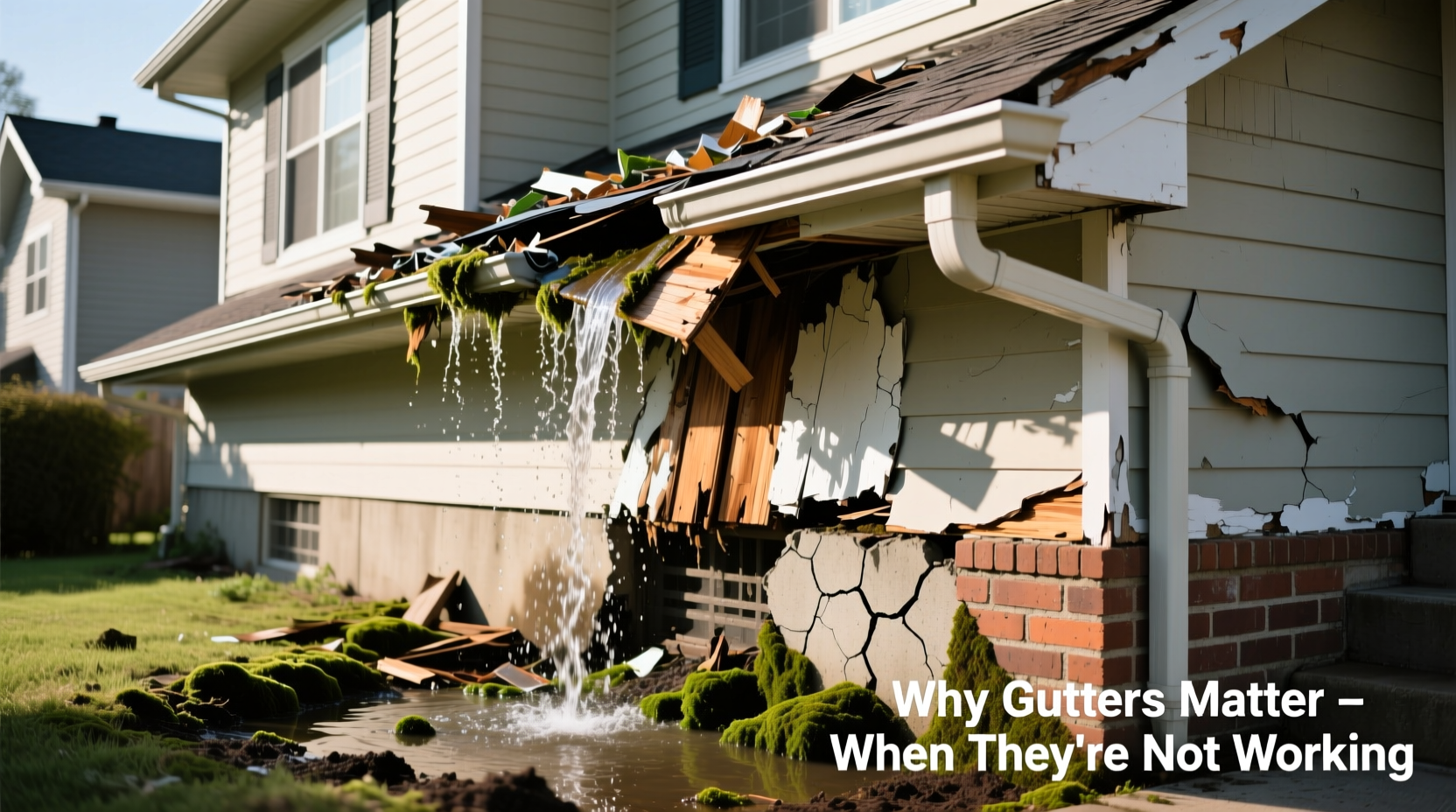
Gutters are designed to collect rainwater from your roof and direct it safely away from your home’s foundation. Without this system, water cascades freely down the sides of your house, pooling near the base and seeping into vulnerable areas. Over time, uncontrolled water exposure can compromise the integrity of walls, windows, and even basements.
Consider what happens during a heavy downpour: a typical 2,000-square-foot roof can shed over 1,200 gallons of water per inch of rainfall. That volume, if left unchecked, will find its way into cracks, saturate soil around the foundation, and promote mold growth on siding. Properly installed and maintained gutters prevent this by capturing runoff and guiding it through downspouts to designated drainage zones.
“Water is the silent enemy of most homes. A well-maintained gutter system acts as the first line of defense.” — Daniel Reeves, Structural Engineer and Building Consultant
Key Benefits of Functional Gutters
When gutters are working as intended, homeowners enjoy several measurable advantages that go beyond simple water management.
- Foundation Protection: Continuous water pooling near the foundation can cause cracks, shifting, and even basement flooding. Gutters mitigate hydrostatic pressure by diverting water at least 5–10 feet from the house.
- Siding Preservation: Water running down brick, stucco, wood, or vinyl siding leads to staining, rot, and premature deterioration. Gutters keep moisture off vertical surfaces.
- Landscape Integrity: Erosion from roof runoff can wash away mulch, destroy garden beds, and undermine walkways. Controlled drainage preserves outdoor design and plant health.
- Roof Edge Longevity: Standing water at the roof edge promotes wood rot in fascia boards and soffits. Gutters reduce prolonged exposure.
- Pest Deterrence: Damp soil and pooled water attract insects like mosquitoes and termites. Dry ground discourages infestations.
What Happens When Gutters Are Missing or Failing?
The absence of gutters—or poorly maintained ones—transforms routine rainfall into a recurring threat. Even homes in regions with moderate precipitation aren’t immune. Here’s a breakdown of common issues caused by inadequate gutter systems:
| Issue | Description | Potential Cost |
|---|---|---|
| Foundation Cracks | Soil expansion from excess moisture exerts pressure on concrete, leading to cracks and settling. | $2,000–$10,000+ for repairs |
| Basement Flooding | Water infiltrates through foundation joints, especially in homes with poor grading. | $1,500–$7,000 for cleanup and waterproofing |
| Wood Rot | Fascia, soffits, and exterior trim deteriorate due to constant dampness. | $500–$3,000 depending on extent |
| Landscape Erosion | Runoff carves trenches, damages plants, and destabilizes retaining walls. | $300–$2,500 for restoration |
| Mold & Mildew Growth | Damp walls and crawl spaces encourage biological growth affecting air quality. | $1,000–$6,000 for remediation |
Mini Case Study: The Unprotected Ranch House
A homeowner in central Ohio ignored persistent puddling near their foundation for two years, assuming it was seasonal. After a particularly wet spring, they noticed diagonal cracks in the basement walls and musty odors. An inspection revealed chronic water intrusion due to missing gutters and improper yard grading. The repair included installing a full gutter system, regrading the lawn, and internal waterproofing—totaling over $9,000. Had gutters been installed earlier, the cost would have been less than $1,200.
Step-by-Step Guide to Maintaining Your Gutter System
Preventative care extends the life of your gutters and maximizes their protective function. Follow this timeline to stay ahead of problems:
- Spring Inspection (March–April): Check for winter damage, loose hangers, and debris buildup after leaf drop.
- Clean Gutters (Twice Yearly): Remove leaves, twigs, and sludge using gloves and a trowel. Flush with a hose to test flow.
- Inspect Downspouts (During Cleaning): Ensure they’re unobstructed and directing water away from the foundation. Extend spouts if necessary.
- Check Slope and Alignment (Annually): Gutters should slope slightly toward downspouts (¼ inch per 10 feet). Adjust if sagging.
- Install Guards (Optional): Consider mesh covers or foam inserts to reduce debris accumulation, especially under trees.
- Fall Follow-Up (October–November): Clear out autumn leaves before freezing temperatures set in.
Common Gutter Mistakes to Avoid
- Ignoring Clogs: Even partial blockages can cause overflow and backflow under shingles.
- Poor Downspout Placement: Discharging too close to the house defeats the purpose of having gutters.
- Using Incorrect Materials: Aluminum gutters may dent easily; seamless steel offers greater durability in harsh climates.
- Skipping Repairs: Small leaks or loose brackets worsen over time. Address issues promptly.
- DIY Installation Without Planning: Incorrect pitch or undersized gutters lead to inefficiency and damage.
FAQ
Do all homes need gutters?
Most homes benefit from gutters, especially those with roofs that shed water directly toward the foundation. Homes on sloped lots or with porous soil may manage without them, but in humid or rainy climates, gutters are strongly recommended.
How often should gutters be replaced?
Well-maintained gutters last 20–30 years. Signs it’s time to replace include persistent sagging, rust (on steel), cracks, or frequent clogging despite cleaning.
Can gutters increase home value?
Yes. A functional, clean gutter system signals responsible maintenance and protects structural elements that appraisers and inspectors evaluate. It contributes to curb appeal and prevents red flags during home inspections.
Checklist: Is Your Gutter System Performing?
- ✅ Gutters are free of debris and draining properly
- ✅ No visible sagging or separation from the roofline
- ✅ Downspouts extend at least 5 feet from the foundation
- ✅ No water stains on siding or ground erosion near walls
- ✅ Hangers and brackets are secure and evenly spaced
- ✅ There are no leaks or pooling at joints
- ✅ Gutters were cleaned within the past six months
Conclusion
Gutters are more than just metal channels along your roofline—they are a vital component of your home’s defense system. When they work, they operate silently, preventing costly damage and preserving both structure and aesthetics. When they fail—or aren’t there at all—the consequences accumulate quickly, often hidden until major repairs are needed. Investing in proper installation, regular maintenance, and timely upgrades isn’t just practical; it’s a form of long-term financial protection.
🚀 Take action today: Inspect your gutters, schedule a cleaning, or consult a professional if you're unsure about their condition. A few hours of attention now could save thousands in repairs later.








