In modern homes and commercial environments, convenience and aesthetics go hand in hand. One often-overlooked yet essential element of functional design is the integrated storage napkin box—a sleek solution that combines accessibility with organization. Whether placed in a kitchen, bathroom, dining area, or office, the right napkin dispenser enhances both usability and visual harmony. But not all models are created equal. Selecting the ideal one requires understanding materials, placement, capacity, and integration with your existing decor.
Understanding Integrated Storage Napkin Boxes
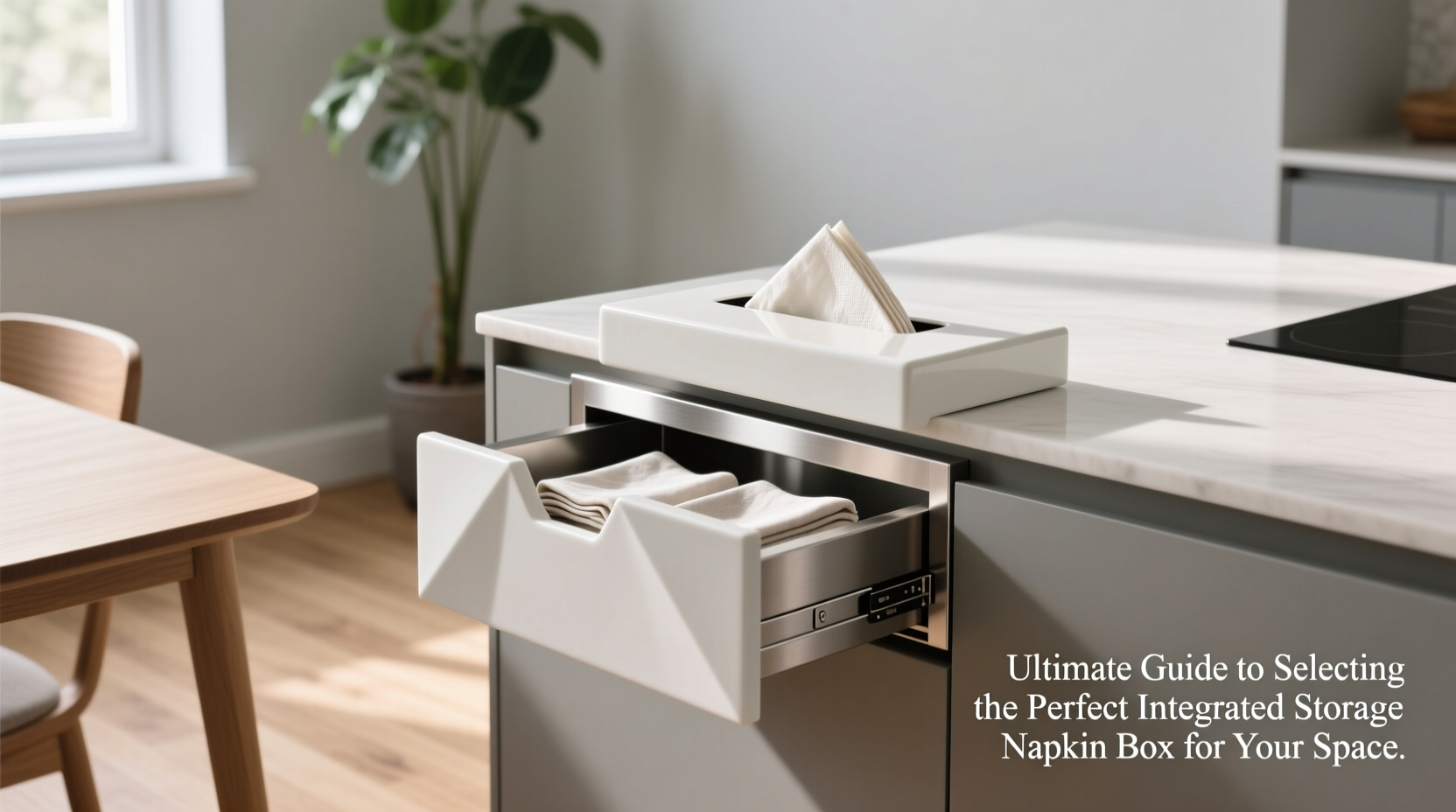
An integrated storage napkin box is more than just a container—it’s a built-in system designed to dispense paper napkins cleanly and efficiently while remaining flush with cabinetry or countertops. Unlike standalone dispensers, these units are embedded into furniture or walls, offering a minimalist look and maximizing available space.
They’re particularly valuable in high-traffic areas where clutter must be minimized. In open-plan kitchens, for instance, having napkins readily accessible without creating countertop chaos improves flow and usability. Similarly, in commercial settings like cafes or waiting rooms, an integrated model projects professionalism and attention to detail.
The best designs balance form and function: easy access for users, simple refilling for maintenance, and seamless alignment with surrounding materials such as wood, metal, or stone.
Tip: Look for models with front-loading mechanisms—they allow quick refills without dismantling cabinetry.Key Factors When Choosing Your Model
Selecting the right unit involves evaluating several critical criteria. Each decision impacts long-term satisfaction and performance.
1. Material & Durability
The material determines both longevity and aesthetic compatibility. Common options include:
- Stainless steel: Resistant to moisture and scratches; ideal for kitchens and bathrooms.
- Aluminum: Lightweight and corrosion-resistant, often used in contemporary designs.
- Wood or veneer: Offers warmth and blends well with traditional cabinetry but may require sealing against humidity.
- Acrylic or composite: Modern, low-cost alternatives suitable for dry areas.
2. Size & Capacity
Standard napkin boxes accommodate between 80 and 150 standard-sized napkins (typically 25 x 25 cm). Measure your cabinet depth and drawer height before purchasing. A common mistake is choosing a deep unit that protrudes beyond the front panel, disrupting alignment.
For households with frequent guests or commercial use, opt for higher-capacity models (120+ sheets) to reduce refill frequency.
3. Integration Style
There are three primary installation types:
- Drawer-integrated: Installed within a pull-out drawer, allowing full visibility and access.
- Cabinet-mounted: Fixed inside a door or side panel, dispensing through a cutout.
- Countertop-insert: Set into a cutout on the countertop edge, blending with backsplashes or islands.
4. Dispensing Mechanism
Choose between top-pull, side-slit, or push-through systems. Top-pull is most common and reliable, especially for folded napkins. Push-through designs work well in tight spaces but can jam if overfilled.
| Feature | Best For | Limitations |
|---|---|---|
| Stainless Steel Body | Kitchens, bathrooms, outdoor kitchens | Higher cost; cold feel |
| Wood-Finish Insert | Traditional interiors, dining rooms | Not moisture-resistant |
| Front-Loading Design | Easy maintenance, rental properties | May require deeper cabinet |
| Push-Through Dispenser | Space-saving installations | Potential for tearing |
Design Considerations for Different Spaces
The optimal napkin box varies by environment. What works in a luxury kitchen won’t necessarily suit a compact apartment or office breakroom.
Kitchen Islands & Dining Areas
In social cooking zones, accessibility matters. A countertop-insert model with a brushed nickel finish complements modern appliances and allows guests to grab napkins effortlessly during meals.
Bathrooms & Powder Rooms
While less common, some upscale bathrooms integrate small tissue or guest towel dispensers. Choose moisture-resistant materials and coordinate finishes with faucets and hardware.
Commercial Environments
Restaurants and lobbies benefit from durable, high-capacity units. Opt for tamper-resistant covers and anti-jam mechanisms. Stainless steel models with clear indicators for refill status improve operational efficiency.
“Integrated dispensers should disappear into the design while remaining effortless to use. The best ones are noticed only when needed.” — Lena Torres, Interior Designer & Kitchen Specialist
Step-by-Step Guide to Installation & Optimization
Even the finest product underperforms if installed incorrectly. Follow this sequence to ensure seamless integration:
- Measure Twice: Confirm internal cabinet dimensions, including depth, height, and clearance around hinges or drawers.
- Check Alignment: Ensure the front face aligns flush with adjacent doors or drawer fronts.
- Mark Cutout Points: Use manufacturer templates to mark precise openings for dispensing slots.
- Secure Mounting: Attach using provided brackets or screws—avoid adhesive-only fixes for heavy-duty use.
- Test Operation: Load napkins and verify smooth dispensing. Adjust tension if applicable.
- Label Internally (Optional): Add a discreet reminder near the refill point for housekeepers or family members.
Real-World Example: A Compact Urban Kitchen Upgrade
Sophie, a designer living in a 500-square-foot downtown loft, struggled with countertop clutter. Her breakfast bar doubled as a workspace and dining area, leaving no room for visible storage. She chose a slim aluminum napkin box that fits vertically inside a narrow pantry door, dispensing through a laser-cut slot.
The result? Guests can access napkins during casual dinners without disrupting the clean lines of her minimalist kitchen. Refills take seconds, and the matte black finish matches her hardware. “It’s invisible until you need it,” she says. “That’s the kind of detail that makes small-space living actually enjoyable.”
Common Mistakes to Avoid
Even experienced renovators make missteps. Steer clear of these pitfalls:
- Ignoring refill access: Some models require removing the entire unit to reload—avoid unless absolutely necessary.
- Mismatched styling: A chrome dispenser in a rustic oak cabinet creates visual dissonance.
- Overlooking napkin size: Verify compatibility with your preferred brand or bulk purchase.
- Forgetting ventilation: In humid climates, sealed wooden enclosures may warp or mildew.
FAQ
Can I retrofit an integrated napkin box into existing cabinetry?
Yes, many models are designed for retrofitting. You’ll need basic tools to cut a precise opening, and some flexibility in cabinet thickness. Look for universal-fit kits with adjustable brackets.
Are there child-safe options available?
Some premium models include locking lids or recessed mechanisms to prevent over-dispensing. These are ideal for homes with young children or high-traffic shared spaces.
How do I keep the mechanism from jamming?
Avoid overfilling—leave 1–2 inches of space at the top. Use properly folded napkins (not crumpled), and clean the dispensing slit monthly with a dry cloth to remove lint buildup.
Final Checklist Before Buying
- ☐ Measure cabinet/drawer interior
- Ensure depth and height accommodate the unit.
- ☐ Confirm napkin size compatibility
- Check manufacturer specs for max sheet dimensions.
- ☐ Evaluate refill method
- Front-load > top-load > rear-load for ease.
- ☐ Match finish to hardware
- Coordinate with handles, faucets, or appliances.
- ☐ Verify mounting requirements
- Some need wood backing; others work with laminates.
Conclusion
Selecting the perfect integrated storage napkin box isn’t about extravagance—it’s about thoughtful refinement. The right choice streamlines daily routines, reduces clutter, and elevates the overall coherence of your space. From material selection to precise installation, each decision contributes to a smarter, more intuitive environment.
💬 Ready to upgrade your space? Reassess one cabinet today—where could seamless napkin access make life easier? Share your integration ideas or ask questions in the comments below.








