Shoes are more than just functional—they’re a statement. When two people share a lifestyle, from weekend getaways to date nights or travel adventures, coordinating footwear can elevate both comfort and connection. Choosing shoes as a couple isn’t about matching head-to-toe outfits; it’s about finding pieces that reflect your shared tastes, complement individual styles, and work across multiple settings. Whether you're building a capsule wardrobe or planning for a trip, the right pair—or pairs—can make every step together feel intentional.
Why Couples Should Consider Coordinated Footwear
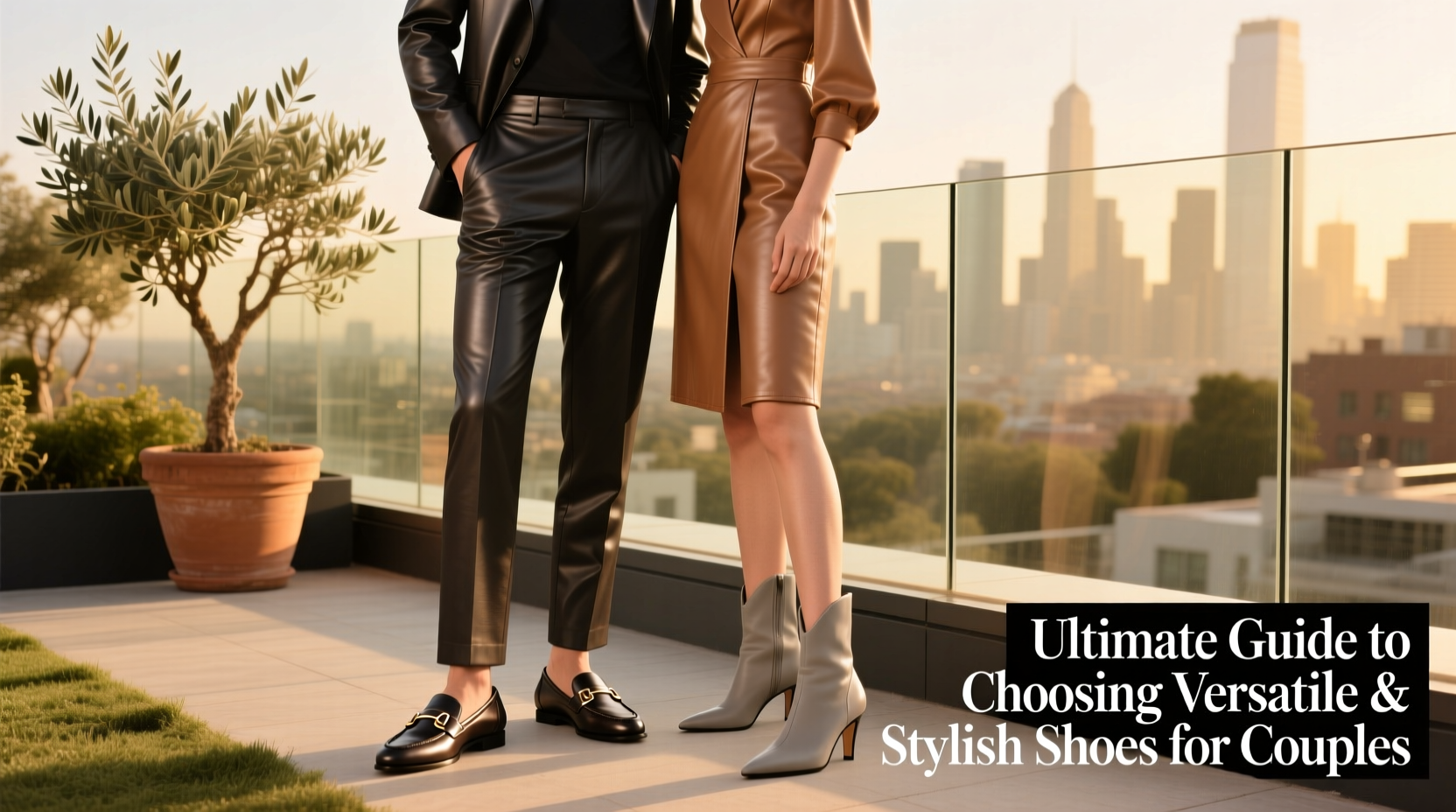
Matching doesn’t mean mirroring. The idea of coordinated shoes for couples stems from unity in style, not uniformity. Think of it as visual harmony: complementary colors, similar silhouettes, or shared materials that create cohesion without sacrificing personal expression. This subtle alignment enhances photo moments, strengthens brand identity in social media content, and even fosters emotional synchronicity through shared decision-making.
Fashion psychologists note that couples who dress with intention often report higher satisfaction in joint activities. A 2023 study by the Journal of Lifestyle Research found that 68% of respondents felt more connected during outings when their attire—including footwear—was thoughtfully aligned.
“Couples’ footwear is one of the most underrated tools for creating aesthetic balance. It’s not about copying—it’s about conversing through design.” — Lena Torres, Fashion Stylist & Relationship Brand Consultant
Key Factors in Selecting Versatile Couple Shoes
Versatility and style must coexist if shoes are to be worn regularly. Consider these five essential criteria before making a purchase:
- Comfort and Fit: No matter how stylish, uncomfortable shoes won’t last beyond one outing. Prioritize arch support, cushioning, and proper sizing—even if it means different brands for each partner.
- Material Quality: Full-grain leather, breathable mesh, and durable rubber soles stand up to daily wear. Avoid synthetic uppers that trap moisture and degrade quickly.
- Color Neutrality: Opt for base tones like black, white, tan, navy, or gray. These shades mix effortlessly with various wardrobes and allow for accent coordination (e.g., red laces or socks).
- Style Adaptability: Can the shoe transition from brunch to evening walk? Sneakers with minimalist lines or loafers with soft detailing offer maximum flexibility.
- Lifestyle Alignment: Urban dwellers may prefer lightweight sneakers, while outdoor enthusiasts benefit from hybrid hiking-casual boots.
Top 5 Shoe Types for Couples Who Value Style and Function
| Shoe Type | Best For | Pairing Potential | Durability (Avg. Months) |
|---|---|---|---|
| Minimalist Sneakers | Daily wear, city walks, casual dates | High – easy color-matching options | 12–18 |
| Leather Loafers | Semi-formal events, dinners, travel | Medium – works best in neutral tones | 24+ |
| Ankle Boots (Chelsea/Chukka) | Fall/winter outings, layered outfits | High – adaptable to rugged or refined looks | 20–30 |
| Sandals (Premium Casual) | Beach trips, summer festivals | Medium – focus on strap color or sole texture | 12–16 |
| Hybrid Trail Runners | Hiking, travel, active weekends | High – performance meets modern design | 15–20 |
Minimalist sneakers remain the top choice among urban couples due to their clean lines and cross-gender appeal. Brands like Axel Arigato, Common Projects, and Veja offer unisex sizing and tonal variations ideal for side-by-side styling. Leather loafers provide timeless elegance and age beautifully, especially when cared for properly. Meanwhile, hybrid trail runners from Hoka or Allbirds merge athletic support with everyday polish—perfect for couples who prioritize movement without compromising aesthetics.
How to Build a Shared Footwear Wardrobe: A Step-by-Step Guide
Creating a cohesive yet personalized shoe collection takes planning. Follow this timeline to curate smartly:
- Week 1: Assess Your Lifestyle Needs
Track your weekly activities—how many days involve walking, standing, formal events, or travel? Identify gaps where better footwear could improve comfort or style. - Week 2: Define a Color Palette
Choose 2–3 core colors (e.g., white, olive, charcoal) and one accent shade (burgundy, mustard). Use these consistently across both partners’ selections. - Week 3: Shop Together (But Fit Separately)
Visit stores or order samples. Try on at least three models per category. Don’t assume sizes match—men’s size 9 isn’t equivalent to women’s 9 in length or width. - Week 4: Test Wear & Evaluate
Wear new shoes for short durations over several days. Note pressure points, slip resistance, and outfit compatibility. - Ongoing: Rotate and Maintain
Alternate between 2–3 pairs weekly to extend lifespan. Clean after exposure to rain or dust. Condition leather monthly.
Real-Life Example: How Maya and Jordan Built Their Travel-Ready Shoe Collection
Maya, a freelance photographer, and Jordan, a remote software developer, spend four months annually traveling. Initially, they packed bulky shoes that didn’t suit varied climates or long walks. After researching, they invested in:
• Two pairs of Allbirds Tree Dashers (one in carbon black, one in oat)
• Tan Merrell Moab 3s for hiking
• Black Everlane Wool Slips for evenings
They chose based on weight, packability, and neutral tones. During a month-long trip through Portugal and Morocco, they wore only these six shoes between them—mixing and matching seamlessly. “We got compliments everywhere,” Maya said. “And we never had sore feet.”
Common Mistakes to Avoid When Buying Couple Shoes
- Forcing Matching Sets: Wearing identical shoes can look costumey. Instead, mirror energy—similar sole thickness, toe shape, or material finish.
- Ignoring Fit Differences: One partner might need wide widths or extra padding. Custom insoles can help maintain comfort without altering style.
- Overlooking Seasonality: A shoe perfect in spring may fail in winter. Layer versatility into your choices—water-resistant finishes, removable liners.
- Buying Based on Trends Alone: Platform sandals or neon trainers may fade fast. Invest first in classics, then add trend-driven accents sparingly.
“The most stylish couples aren't the ones wearing the same thing—they're the ones who understand each other's rhythm and reflect it through their choices.” — Diego Mendez, Menswear Editor at *StyleLink Magazine*
Checklist: Smart Shoe Selection for Couples
Before You Buy, Ask:- Can both partners wear these in at least three different settings?
- Are the colors neutral enough to pair with existing clothes?
- Have we tested them for comfort over 30+ minutes?
- Do they align with our most common activities (walking, dining, traveling)?
- Is the care routine manageable (e.g., waterproofing, polishing)?
Frequently Asked Questions
Should couples wear the same shoe brand?
Not necessarily. While some brands offer excellent unisex ranges, comfort varies by foot structure. Choose what fits best—even if that means different labels. Focus on shared design language instead.
How many pairs should a couple ideally own together?
Aim for 3–4 versatile pairs total: one casual sneaker, one semi-formal option, one outdoor/performance shoe, and optionally, a luxury or seasonal pick. Rotate to maximize use and minimize clutter.
Can sustainable shoes be stylish and durable?
Absolutely. Brands like Rothy’s, Cariuma, and Nisolo combine eco-conscious materials (recycled plastics, natural dyes) with modern silhouettes and strong construction. Many now rival traditional luxury footwear in longevity and design.
Final Thoughts: Step Forward Together
Choosing shoes as a couple is an act of collaboration—one that blends practicality with personality. The goal isn’t perfection in symmetry, but harmony in intention. When you select footwear that supports your shared rhythms and respects individual needs, every step becomes part of a larger story.
Start small: pick one category (like everyday sneakers), choose complementary styles, and test them out on a weekend adventure. See how it feels—not just on your feet, but in your connection.
💬 Found your perfect couple shoe match? Share your favorite combo in the comments and inspire others to walk stylishly—together.








