After exchanging vows and beginning a new chapter together, couples often reflect on the people who made their wedding day possible. Among them, the wedding officiant holds a unique and deeply personal role—they don’t just perform the ceremony; they help shape its emotional tone and significance. While their service is often rooted in friendship, faith, or professional dedication, a heartfelt gift serves as a lasting token of gratitude. Choosing the right gesture goes beyond tradition—it’s about acknowledging time, effort, and emotional presence.
Unlike vendors who receive standard tips or payments, officiants—especially those who are friends, family members, or clergy—deserve recognition that reflects the personal investment they made. The most memorable gifts are not necessarily the most expensive, but the ones that feel intentional, respectful, and tailored to the individual.
Why Gifting Your Officiant Matters
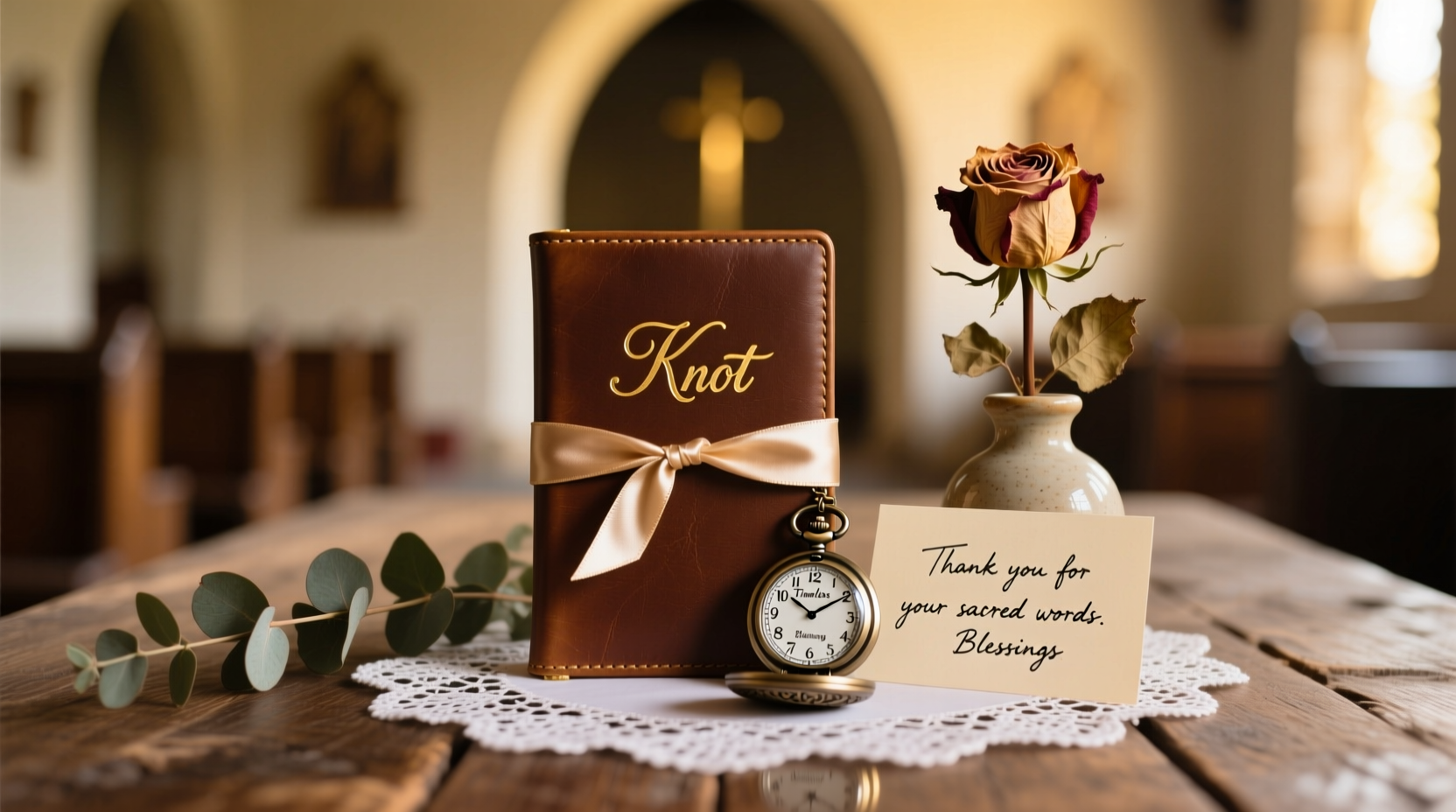
The role of a wedding officiant varies widely. Some spend weeks rehearsing with the couple, writing custom ceremonies, traveling long distances, or navigating legal requirements. Others offer spiritual guidance, emotional support, or even waive fees out of goodwill. Regardless of the arrangement, a gift acknowledges this contribution in a tangible way.
According to etiquette experts, it's customary to present an honorarium (a monetary gift) or a meaningful keepsake after the ceremony. Reverend Dr. Laura Simmons, a seasoned interfaith officiant with over 300 weddings under her belt, notes:
“Even when I volunteer my time for loved ones, receiving a handwritten note with a small gift reminds me why I do this work. It’s not about compensation—it’s about connection.” — Reverend Dr. Laura Simmons, Interfaith Minister and Wedding Officiant
A well-chosen gift strengthens relationships and honors the trust placed in the officiant to lead one of life’s most sacred moments.
5 Thoughtful Gift Ideas That Show True Appreciation
The best gifts strike a balance between personalization, practicality, and sincerity. Consider the officiant’s personality, beliefs, and relationship to you when selecting.
1. Personalized Ceremony Keepsake Box
Create a curated box that includes items symbolizing their role: a printed copy of the ceremony script signed by the couple, a framed photo from the altar moment, a custom pen engraved with their name and “Officiant of [Couple’s Names],” and a high-quality leather-bound journal. This becomes a lasting memento they can revisit for years.
Tip: Include a heartfelt thank-you letter explaining how their words impacted your day—this often means more than any physical item.2. Donation in Their Name
If your officiant is affiliated with a religious institution or nonprofit, consider making a charitable donation to a cause they care about. For example, a donation to a local food bank, animal shelter, or seminary scholarship fund shows thoughtfulness while aligning with their values.
3. Custom Liturgical or Ceremonial Tools
For religious or spiritual officiants, practical yet symbolic tools make excellent gifts. Examples include a handcrafted wooden blessing bowl, a velvet Bible cover monogrammed with their initials, or a brass chalice for communion services. These items serve both function and sentiment.
4. A Meaningful Experience
Gift an experience that allows rest or joy post-wedding. Options include a spa voucher, a weekend getaway certificate, or tickets to a concert or theater performance. This is especially appreciated if the officiant traveled or invested significant time.
5. Honorarium with Grace
A monetary gift remains a common and appropriate option, particularly when the officiant is a professional. The amount varies based on location, experience, and services rendered—but typically ranges from $150 to $500. Present it in a beautiful card with a personal note, never as cash handed over casually.
Do’s and Don’ts When Gifting Your Officiant
| Do’s | Don’ts |
|---|---|
| Present the gift after the ceremony or within a week | Wait months to send a thank-you |
| Include a handwritten note expressing specific thanks | Assume they remember every detail of the ceremony |
| Respect religious or cultural boundaries (e.g., avoid alcohol for teetotalers) | Give overly personal or intimate gifts |
| Ask about preferences if unsure (discreetly through a mutual contact) | Compare gifts among wedding vendors |
| Consider group contributions if multiple couples used the same officiant | Make the gift transactional or public during the event |
Step-by-Step Guide: How to Choose & Deliver the Perfect Gift
- Reflect on Their Contribution: Did they write a custom ceremony? Travel far? Offer premarital counseling? Let these efforts guide your gift’s significance.
- Determine Your Budget: Decide whether you’re giving a symbolic token or a substantial honorarium. Align it with regional norms and your financial comfort.
- Assess Their Personality: Are they traditional, minimalist, spiritual, or modern? A vintage book may delight a literature-loving pastor, while a sleek smartwatch charger might suit a tech-savvy friend-officiant.
- Personalize Thoughtfully: Add names, dates, or quotes from your vows to elevate generic items into keepsakes.
- Deliver with Dignity: Hand the gift privately after the reception or mail it within seven days. Avoid placing it on guest tables or announcing it publicly.
Real Example: A Gift That Became a Legacy
Sophia and James were married in a lakeside forest ceremony led by Sophia’s childhood mentor, Rabbi Cohen. Knowing he had spent nights refining a bilingual Hebrew-English ceremony, they wanted to express deep gratitude. Instead of a standard honorarium, they created a cedarwood shadow box containing:
- A printed copy of the ceremony with pressed wildflowers from the aisle
- A silver-plated kiddush cup inscribed with “To Rabbi Cohen – Who Brought Love Into the World, June 15, 2023”
- A $300 donation receipt to his favorite youth outreach program
- A letter describing how his mentorship shaped Sophia’s journey
Rabbi Cohen later shared at a community event: “That gift sits on my desk. Every time I feel weary, I look at it and remember why I serve.”
Frequently Asked Questions
Is it necessary to tip a family member who officiated?
No formal tipping is required, but a meaningful gift or heartfelt letter is strongly encouraged. Even loved ones appreciate acknowledgment of their effort, research, and time spent preparing.
When should I give the gift to the officiant?
The ideal time is within one week after the wedding. You can hand it to them privately at the end of the reception or mail it with a thank-you card. Promptness shows respect and attentiveness.
Can I give a non-monetary gift instead of an honorarium?
Absolutely. Many officiants value personalized or experiential gifts more than money. However, if they are professional officiants who charge for services, confirm expectations beforehand. A non-cash gift should still reflect comparable value.
Checklist: Ensuring Your Gesture Lands With Impact
- ✅ Acknowledge the officiant’s time and emotional labor
- ✅ Choose a gift aligned with their values and lifestyle
- ✅ Include a sincere, handwritten message
- ✅ Present the gift discreetly and promptly
- ✅ Combine monetary gifts with symbolic tokens when appropriate
- ✅ Verify any cultural or religious sensitivities
- ✅ Follow up with a thank-you email or call if mailing
Final Thoughts: Gratitude That Lasts Beyond the Vows
A wedding officiant doesn’t just witness love—they help articulate it. Whether they stood beneath an archway, led a prayer, or recited original poetry, their voice echoes in your marriage story. A thoughtful gift isn’t an obligation; it’s a continuation of the ceremony’s spirit—an act of kindness that honors service, intention, and human connection.
Take the time to choose something meaningful. Let your gratitude be as deliberate as your vows. In doing so, you don’t just say “thank you”—you affirm that their role mattered, today and always.
💬 Have a story about a memorable gift you gave or received as an officiant? Share your experience in the comments to inspire others in showing appreciation with heart.








