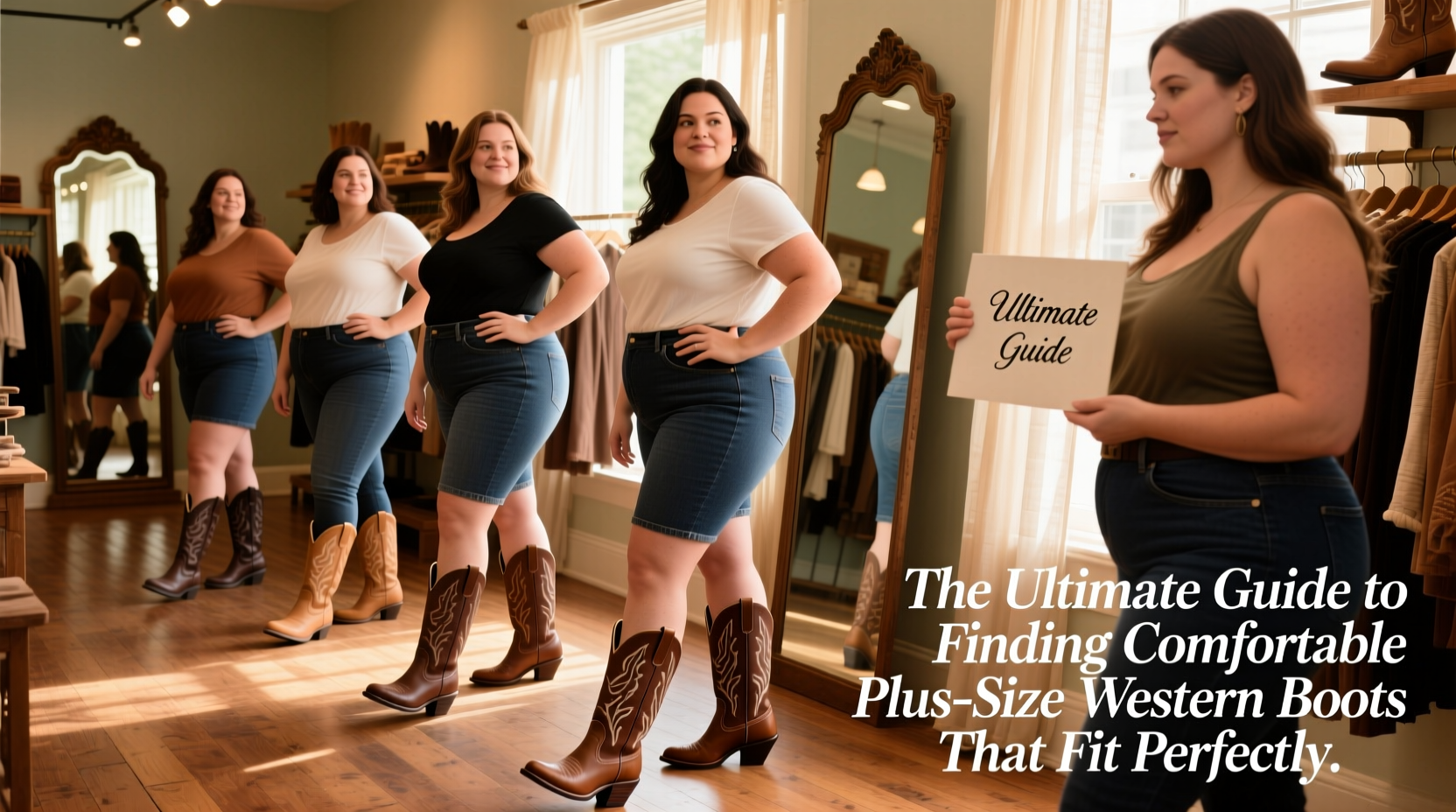
Finding well-fitting footwear is a challenge for many, but for plus size individuals seeking stylish and supportive western boots, the search can feel especially overwhelming. Too often, larger sizes come in narrow widths or rigid constructions that compromise comfort. Yet, with the right knowledge and approach, it’s entirely possible to find western boots that not only fit your foot but also enhance your posture, support your stride, and reflect your personal style.
Comfortable plus size western boots are more than a fashion statement—they’re an investment in daily confidence and physical well-being. Whether you're wearing them for ranch work, special events, or weekend outings, a proper fit prevents blisters, reduces foot fatigue, and supports long-term foot health.
Understanding Foot Anatomy and Sizing Challenges
Plus size feet aren’t just wider—they often have broader heels, higher insteps, or longer arches. Standard boot sizing rarely accounts for these variations, which is why off-the-rack options frequently lead to discomfort. Many mainstream brands still design western boots based on narrow, average-width lasts (the mold used to shape the boot), making them unsuitable for fuller-footed wearers.
Foot swelling throughout the day, common in those with circulation issues or who stand for extended periods, further complicates fit. A boot that feels snug in the morning might pinch by evening. This is where understanding your true foot dimensions becomes essential.
Tip: Measure your feet at the end of the day when they’re slightly swollen to get the most accurate size.Use a Brannock device or trace your foot on paper to determine both length and width. Don’t rely solely on standard shoe sizes—many people wear different sizes between brands. Know your measurements in inches and compare them to brand-specific sizing charts before purchasing.
Key Features of Comfortable Plus Size Western Boots
The best plus size western boots combine structural integrity with thoughtful design. Look for these critical elements:
- Extended Width Options: Brands offering wide (W), extra-wide (XW), or multiple width fittings (B through EEE) provide better accommodation for fuller feet.
- Cushioned Insoles: Memory foam, gel padding, or removable orthotic-ready insoles significantly improve comfort during prolonged wear.
- Flexible Outsoles: Rubber or composite soles offer better shock absorption than traditional leather soles, reducing joint strain.
- Adjustable Fit Elements: Elastic side panels, stretchable shafts, or lace-up fronts allow for customization around calves and ankles.
- Breathable Materials: Full-grain leather or lined suede wicks moisture and prevents overheating, crucial for all-day wear.
“Many women assume their foot problems stem from size, but it's usually poor last design. A properly contoured boot should cradle the heel, support the arch, and leave room for toe splay.” — Dr. Lena Torres, Podiatrist & Footwear Consultant
Top Brands That Deliver on Fit and Comfort
Not all western boot makers cater to plus sizes with quality craftsmanship. The following brands consistently receive high marks from customers and experts alike for inclusive sizing, durability, and ergonomic design:
| Brand | Width Range | Special Features | Best For |
|---|---|---|---|
| Tony Lama | Medium to 4E | Cushion flex soles, wide toe boxes | All-day wear, work environments |
| Corral Boots | Available in W/XW | Elastic side panels, intricate designs | Stylish casual and dress wear |
| Justin Boots (Ropers) | Up to 3E | Rubber outsoles, padded collars | Active lifestyles, walking comfort |
| Lucchese Classic Line | B to EEE (select styles) | Handcrafted leather, anatomical lasts | Premium fit, long-term investment |
| Dingo Boots | Wide calf options, 2E–3E | Affordable pricing, durable construction | Budget-conscious buyers needing reliable fit |
Step-by-Step Guide to Buying Your Perfect Pair
Finding the ideal pair doesn’t happen overnight. Follow this proven process to ensure satisfaction:
- Measure both feet using a ruler or Brannock device. Note length, width, and circumference of the widest part and calf (if applicable).
- Identify your use case: Will you be standing all day? Riding horses? Attending a wedding? Purpose affects material and sole choice.
- Research brands with verified plus size offerings. Read customer reviews focused on fit, break-in time, and arch support.
- Try before you buy—if possible. Visit a specialty western store or order from retailers with generous return policies.
- Break them in gradually. Wear new boots indoors for short periods first, allowing the leather to mold naturally to your foot.
- Assess fit after 30 minutes of wear. Check for heel slippage, pressure points, or pinching at the toes.
- Consider professional stretching if minor tightness persists after break-in.
Real Fit Success: Maria’s Story
Maria, a 5’9” nurse from Austin, struggled for years with western boots splitting at the sides or digging into her instep. “I love the look,” she says, “but I stopped buying them because none lasted more than two weeks.” After switching to Tony Lama’s wide-width roper style with a cushioned sole, she noticed immediate improvement. “They didn’t need breaking in. I wore them 12-hour shifts and came home without foot pain for the first time.” Her turning point was measuring her actual foot and prioritizing function over fashion—now, her collection includes three pairs in different colors, all from brands that accommodate her 12W foot comfortably.
Common Fit Mistakes to Avoid
- Assuming all size 12s are equal: Length isn’t the only factor—width and volume matter just as much.
- Ignoring the heel counter: A firm, non-collapsible heel cup stabilizes your ankle and improves alignment.
- Over-tightening straps or laces: This can restrict circulation and cause numbness or blistering.
- Buying too large to accommodate swelling: Oversized boots lead to excessive heel movement, increasing friction and hot spots.
- Skipping sock pairing during try-ons: What fits barefoot may not work with your usual footwear.
Frequently Asked Questions
Can I wear western boots if I have flat feet?
Yes—but choose styles with built-in arch support or removable insoles so you can insert custom orthotics. Roper boots typically offer more arch structure than traditional cowboy boots.
How do I know if a boot fits my calf correctly?
There should be slight resistance when pulling the boot on, but no pinching or bulging. If the shaft cuts into your leg or gaps excessively, consider elastic-side or adjustable-calf designs.
Are expensive boots worth it for plus sizes?
Often, yes. Higher-end boots use superior leathers and lasts designed for real human anatomy, not just mass production molds. They tend to stretch appropriately and last longer, making them cost-effective over time.
Final Checklist Before You Buy
- ✅ Accurate foot measurements taken
- Includes length, width, instep height, and calf circumference.
- ✅ Determined primary use (work, fashion, riding)
- Guides sole type, shaft height, and material choice.
- ✅ Verified brand offers true wide/plus sizes
- Look beyond “wide” labels—check actual customer feedback on fit.
- ✅ Confirmed return policy
- Ensure you can exchange or return easily if the fit isn’t right.
- ✅ Tried with appropriate socks
- Simulates real-world conditions for accurate assessment.
Walk With Confidence
Finding comfortable plus size western boots isn’t about settling—it’s about knowing what your feet need and demanding better from the market. With growing awareness and expanding inclusive offerings, there’s never been a better time to invest in boots that honor both your style and your comfort. Take the time to measure, research, and test. Your feet will thank you every step of the way.
💬 Found your perfect pair? Share your go-to brand or fitting tip in the comments—your experience could help someone else walk taller and more comfortably.








