In today’s fast-paced world, where urban living often means limited square footage and clutter accumulates faster than we realize, effective storage isn’t just a convenience—it’s a necessity. But practicality doesn’t have to come at the expense of aesthetics. The most successful modern homes integrate smart storage solutions that are both functional and visually harmonious. At the heart of this balance are storage boxes—versatile, accessible, and increasingly designed to elevate interiors rather than hide within them.
Gone are the days when storage meant generic plastic bins tucked under beds or shoved into closets. Today’s storage boxes serve dual roles: they organize our belongings and contribute to the overall design narrative of a room. From woven baskets in the living room to minimalist acrylic cubes in home offices, these containers help maintain order without sacrificing style.
Why Storage Boxes Matter Beyond Organization
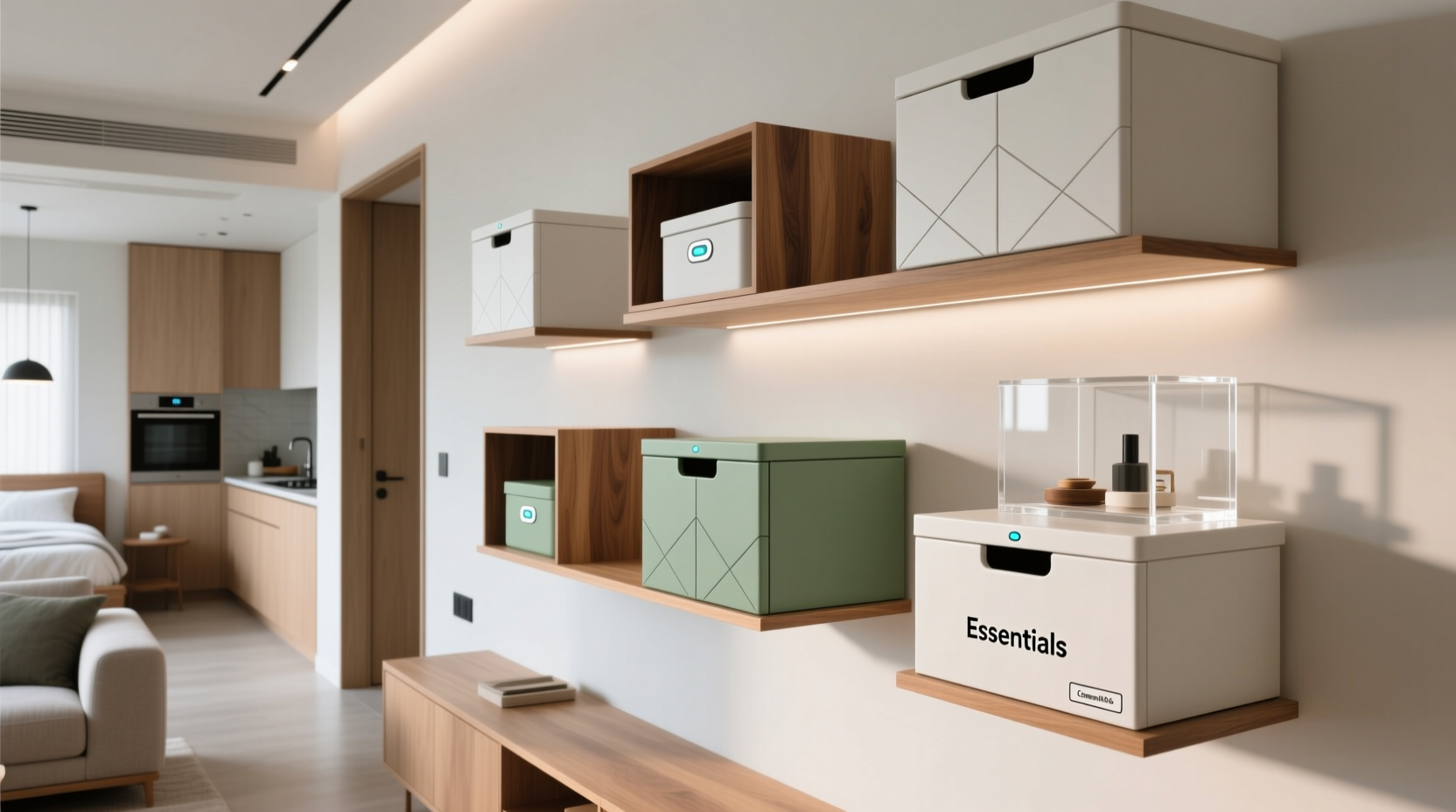
Storage boxes do more than hold items—they shape how we interact with our spaces. When chosen thoughtfully, they can:
- Reduce visual clutter by containing loose items
- Enhance room aesthetics through texture, color, and material coordination
- Improve accessibility by labeling and categorizing contents
- Support sustainable living by extending the life of possessions through proper protection
The best storage systems don’t demand perfection; they adapt to real-life usage. A basket by the entryway catches keys, gloves, and mail. Lidded boxes on open shelves display folded linens while shielding them from dust. Under-bed drawers store off-season clothing but glide out smoothly thanks to quality casters.
Tip: Choose storage boxes with labels or transparent fronts to instantly identify contents—saving time and reducing frustration.Matching Storage Boxes to Room-Specific Needs
Different rooms present unique organizational challenges. The solution lies not in one-size-fits-all containers, but in selecting storage boxes tailored to each environment’s purpose and traffic.
Living Room: Style Meets Accessibility
The living room is often a hub of activity—remote controls, magazines, toys, blankets. Woven seagrass bins tucked inside a media console keep essentials nearby yet out of sight. Fabric-covered boxes on floating shelves add softness and can double as impromptu seating cushions.
Bedroom: Hidden Order, Visible Calm
Closets and under-bed areas benefit from stackable fabric bins or ventilated wooden crates. Use labeled boxes for accessories like scarves, belts, or seasonal footwear. Velvet-lined boxes on dressers protect jewelry while serving as decorative objects.
Kitchen: Compact Efficiency
Pantry organization thrives with clear, airtight containers for dry goods. Uniform canisters made of glass or BPA-free plastic make refills easier and reduce food waste. For spices, small magnetic tins on the side of cabinets save shelf space.
Bathroom: Moisture-Resistant Simplicity
Because of humidity, opt for waterproof materials like polypropylene or treated bamboo. Tiered boxes under the sink separate cleaning supplies from toiletries. Wall-mounted acrylic bins keep daily-use items visible and dry.
Home Office: Clarity Through Containment
Cables, notebooks, stationery—without control, these items breed chaos. Drawer dividers and modular cube organizers keep desktops clean. Magnetic strips paired with small metal boxes hold paperclips and thumbtacks vertically, freeing up drawer space.
“Storage should disappear into the background unless it’s designed to be seen. When form and function align, people actually *use* their systems.” — Lena Torres, Interior Organizer & Founder of Habitual Space
Choosing Materials That Last—and Look Good Doing It
The material of a storage box affects durability, maintenance, and integration with your decor. Below is a comparison of common options across key criteria.
| Material | Best For | Lifespan | Style Flexibility | Maintenance |
|---|---|---|---|---|
| Fabric (Cotton, Linen, Felt) | Bedrooms, Closets, Kids’ Rooms | 3–5 years | High – comes in patterns and colors | Spot clean; avoid moisture |
| Seagrass/Wicker | Living Rooms, Entryways | 5+ years | Warm, natural aesthetic | Dust regularly; keep dry |
| Plastic (Clear or Opaque) | Garages, Pantries, Utility Areas | 7+ years | Low – utilitarian look | Wipe with damp cloth |
| Wood (Solid or Engineered) | Offices, Libraries, Hallways | 10+ years | Very high – fits any style | Dust; condition if finished |
| Acrylic/Modular Cubes | Desks, Display Shelves | 5–8 years | Modern, sleek appearance | Wipe with microfiber |
Step-by-Step: Creating a Unified Storage System
Implementing cohesive storage takes planning, but the process can be broken down into manageable actions.
- Assess Each Space: Walk through your home and note problem areas—where do things pile up? What items are frequently misplaced?
- Categorize Items: Group similar objects (e.g., chargers, baby supplies, holiday décor) to determine container size and access frequency.
- Select Container Types: Choose materials and styles that match the room’s function and existing decor. Aim for consistency in color or texture across visible areas.
- Label Everything: Use removable labels or chalkboard tags for flexibility. This ensures anyone in the household knows where things belong.
- Install and Iterate: Place boxes and observe usage over two weeks. Adjust locations or sizes if something isn’t working intuitively.
Real-Life Example: Transforming a Chaotic Home Entryway
Sarah, a mother of two in Seattle, struggled with her narrow entry hall. Backpacks, shoes, and incoming mail created daily tripping hazards. After consulting an organizing specialist, she installed a slim wall-mounted bench with two woven storage cubbies beneath. Matching fabric bins were assigned: blue for school items, gray for outdoor gear.
A small hook rack above held coats, and a magnetic whiteboard tracked family schedules. Within a week, the kids learned to drop backpacks into the correct bin. Mail was sorted daily into a labeled tray. The change wasn’t just logistical—it shifted the household rhythm. The entryway became a transition zone of order instead of stress.
Essential Checklist: Building Your Smart Storage Plan
Use this checklist to ensure your storage solution is both effective and enduring:
- ☐ Identify 3 high-clutter zones in your home
- ☐ Measure available storage spaces (shelves, under furniture, etc.)
- ☐ Decide which containers will be visible vs. hidden
- ☐ Choose a consistent color palette or material theme
- ☐ Label all boxes clearly
- ☐ Allow for future growth (don’t overfill shelves)
- ☐ Re-evaluate system every 3 months
Frequently Asked Questions
How do I prevent storage boxes from looking cluttered?
Stick to a cohesive design language—limit yourself to two or three materials and a neutral or monochromatic color scheme. Uniformity creates visual calm even when boxes are full and visible.
Are expensive storage boxes worth the investment?
For high-use or visible areas, yes. Well-made boxes last longer, perform better, and support long-term organization. In less critical zones (like garages), affordable plastic bins may suffice.
Can I mix different types of storage boxes in one room?
You can, but anchor the look with repeating elements—such as matching labels, consistent heights, or coordinated colors. For example, pair a wooden crate with a linen bin if both share a beige tone.
Final Thoughts: Make Storage Work for You, Not Against You
Smart storage isn’t about achieving a perfectly staged Pinterest photo. It’s about designing systems that reflect how you live, move through your home, and care for your belongings. The right storage boxes eliminate friction—no more digging for socks, hunting remote controls, or tripping over toys.
When function and style coexist, organization becomes effortless. These containers aren’t just hiding things away; they’re helping you reclaim time, reduce stress, and create spaces that feel intentional.
🚀 Ready to transform your space? Pick one area this week and apply these principles. Share your before-and-after story in the comments—we’d love to see how smart storage works in your world.