The soft flicker of a flame or the gentle warmth of melting wax can transform a home during the holidays. Scented candles and wax melt diffusers are both popular ways to infuse seasonal fragrances like pine, cinnamon, and vanilla into your living space—especially near the Christmas tree where the scent can mingle with fresh evergreen. But as cozy as these options feel, they come with important safety considerations when placed beneath a decorated tree.
Christmas trees, especially real ones, are highly flammable. According to the National Fire Protection Association (NFPA), nearly one-third of home Christmas tree fires start in the living room, family room, or den—often due to heat sources too close to the tree. With this in mind, choosing between traditional scented candles and modern wax melt diffusers isn’t just about preference—it’s a critical decision for household safety.
Understanding the Risks: Why Tree Proximity Matters
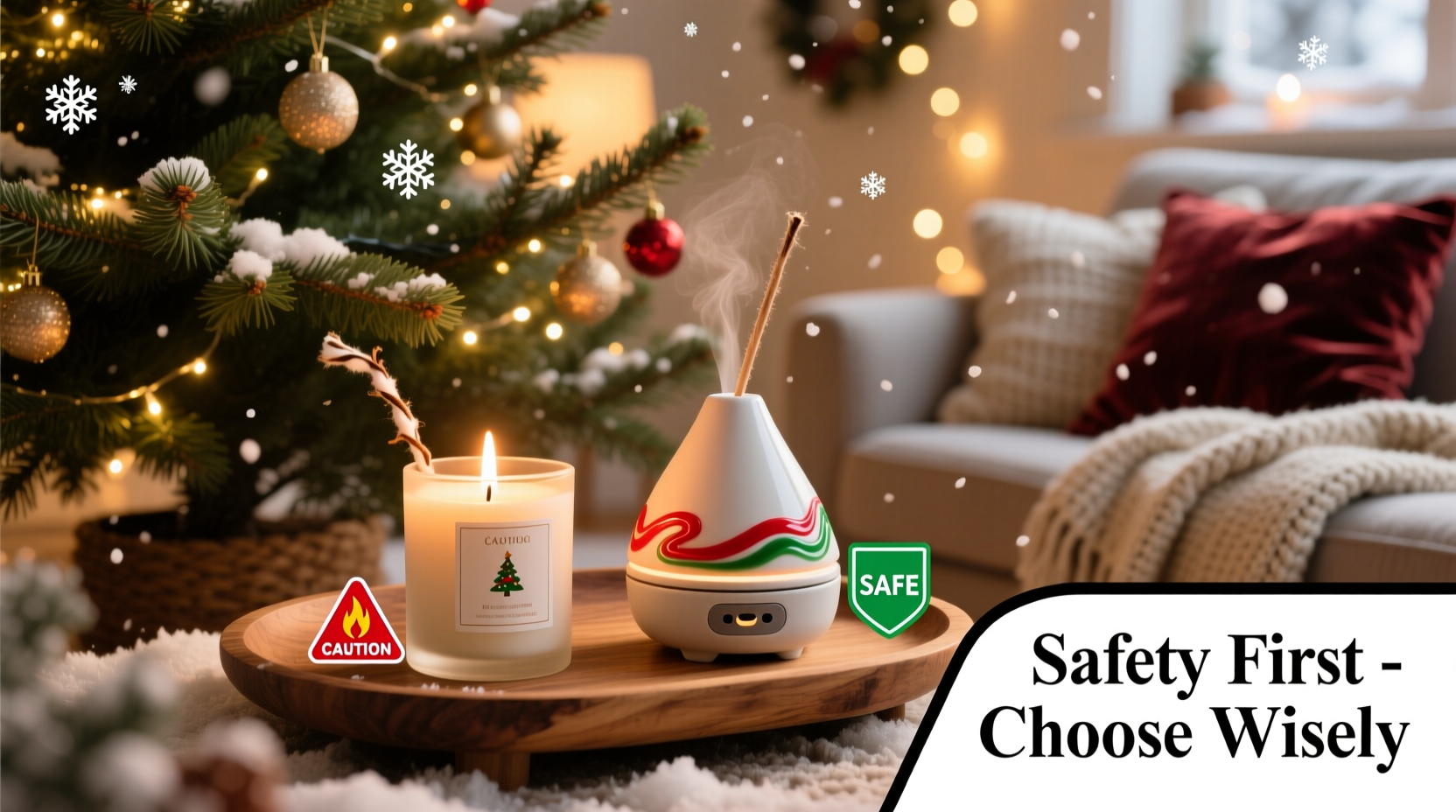
A freshly cut Christmas tree can contain up to a gallon of water per day. But once it begins to dry out—even slightly—its needles become tinder-dry and extremely combustible. An all-too-common scenario unfolds when open flames or heating elements are placed too close to the tree, especially when unattended.
Scented candles rely on an open flame to melt wax and release fragrance. That flame, even if small, poses a direct ignition risk when near dry foliage. Wax melt diffusers, on the other hand, use electric warmers or tea light bases to gently liquefy scented wax without an exposed flame—at least not always. The distinction matters, but so does the type of diffuser used.
The U.S. Consumer Product Safety Commission (CPSC) reports that decorative lights, electrical decorations, and open-flame devices are leading contributors to holiday-related fires. When placing any heat-emitting item under a Christmas tree, proximity, duration, and supervision are non-negotiable factors.
“Any open flame within three feet of a Christmas tree is a serious fire hazard. Even a momentary distraction can lead to disaster.” — Captain Lisa Reynolds, Public Education Officer, National Fire Prevention League
Scented Candles: Tradition with Risk
Scented candles have long been a staple of holiday decor. Their warm glow complements twinkling tree lights, and their rich aromas evoke nostalgia and comfort. However, their reliance on open flames makes them inherently risky when used near a Christmas tree.
Key concerns include:
- Unattended burning: Candles left lit while sleeping, leaving the house, or during distractions increase fire risk.
- Draft exposure: Airflow from HVAC systems or opening doors can cause candles to flare or tip over.
- Tree contact: Over time, tree settling or pet activity can shift branches closer to candle flames.
- Dripping wax: Hot wax can damage ornaments, tinsel, or tree stands—and ignite nearby materials if pooled near flammable surfaces.
Even flameless LED candles now mimic the flicker of real flames safely, but traditional wax-and-wick versions remain widespread. If you choose to use scented candles during the holidays, strict rules must apply—especially regarding placement.
Tip: Never place a lit candle within 3 feet of any Christmas tree, curtain, wrapping paper, or upholstered furniture.Wax Melt Diffusers: Safer, But Not Risk-Free
Wax melt diffusers offer a compelling alternative. These devices heat scented wax cubes, tarts, or clamshells to release fragrance without requiring a sustained open flame—depending on the model.
There are two main types:
- Electric wax warmers: Use a low-wattage bulb or heating plate to melt wax. No flame involved.
- Tea light wax warmers: Rely on a small candle placed beneath the wax dish to generate heat.
While electric models eliminate open flames, they still generate heat. Placing an electric warmer directly under a drying tree can elevate local temperatures, accelerating needle desiccation and increasing fire risk indirectly. Additionally, malfunctioning units or faulty wiring can spark electrical fires—particularly with prolonged use.
Still, electric wax melt diffusers are generally considered safer than traditional candles. The absence of an open flame significantly reduces the chance of immediate ignition, making them a preferred option for homes with children, pets, or live trees.
“Switching from candles to electric wax warmers cuts the ignition risk by over 70% in controlled home environments.” — Dr. Alan Zhou, Home Fire Safety Research Institute
Side-by-Side Comparison: Key Safety Factors
| Feature | Scented Candle | Wax Melt Diffuser (Tea Light) | Wax Melt Diffuser (Electric) |
|---|---|---|---|
| Open Flame | Yes | Yes (small) | No |
| Heat Output | High (direct flame) | Moderate (indirect) | Moderate (consistent) |
| Fire Risk Near Trees | Very High | High | Moderate |
| Supervision Required | Constant | Constant | Occasional (for overheating checks) |
| Child/Pet Safety | Poor | Fair | Good |
| Electrical Hazard | None | None | Low (if UL-certified) |
| Recommended Distance from Tree | At least 3 feet | At least 3 feet | At least 2 feet |
This comparison shows that while electric wax melt diffusers are the safest option among the three, none should be placed directly beneath a Christmas tree without careful consideration.
Real-Life Scenario: A Close Call During Holiday Prep
In December 2022, the Thompson family in Ohio experienced a near-miss when their holiday tradition almost turned tragic. They placed a set of scented pillar candles on a side table adjacent to their live fir tree. One candle was positioned just 18 inches away. While preparing dinner, a draft from the kitchen vent caused the flame to flare sideways. Within minutes, a low-hanging branch caught fire.
Luckily, their smoke detector activated immediately. The family evacuated and called 911 before the fire spread beyond the tree base. Fire investigators confirmed the ignition source was the candle. The family had followed no formal safety checklist and admitted they’d “never thought it could happen to us.”
After replacing the tree, they switched to an electric wax melt diffuser placed across the room—mounted on a stable shelf away from décor. They also began checking tree water levels twice daily and invested in flameless LED candles for ambiance.
This case illustrates how quickly risks escalate—even in attentive households—when heat sources are too close to combustible materials.
Step-by-Step: Safe Fragrance Setup Under the Tree
If you want to enjoy holiday scents near your Christmas tree without compromising safety, follow this practical timeline:
- Day 1 – Assess Your Tree: Ensure your tree is fresh, well-watered, and placed away from heat vents, radiators, and foot traffic zones.
- Day 1 – Choose Your Scent Method: Opt for an electric wax melt diffuser or flameless essential oil diffuser. Avoid any device with an open flame.
- Day 2 – Select Placement: Position the diffuser at least 2 feet from the tree, on a hard, level surface. Never on gifts, wrapping paper, or fabric.
- Ongoing – Monitor Daily: Check that the tree stand is full of water. Dry trees ignite in under 30 seconds when exposed to flame.
- Each Use – Limit Runtime: Run electric diffusers no more than 4 hours at a time. Allow cooling periods to prevent overheating.
- Nightly – Power Down: Turn off and unplug all warming devices before bed or leaving the house.
- Weekly – Clean Device: Remove old wax buildup to maintain efficiency and reduce smoke or odor contamination.
By following this routine, you maintain festive fragrance while minimizing fire hazards.
Tip: Use timers or smart plugs to automatically shut off electric diffusers after 3–4 hours—ideal for forgetful users or busy holiday schedules.Essential Safety Checklist for Holiday Scenting
Before lighting any candle or turning on a wax melter near your Christmas tree, complete this checklist:
- ✅ Is the Christmas tree at least 3 feet away from any heat source?
- ✅ Is the tree stand filled with water? (Check twice daily.)
- ✅ Are all scented devices placed on a stable, non-flammable surface?
- ✅ Are candles or tea lights in sturdy holders that won’t tip easily?
- ✅ Are electric devices UL-listed or certified for safety?
- ✅ Are cords tucked away and not running under rugs or furniture?
- ✅ Is there a working smoke detector within 10 feet of the tree?
- ✅ Do you plan to supervise the device whenever it’s on?
- ✅ Will you turn it off before sleeping or leaving the house?
- ✅ Have you discussed fire safety with all household members, including guests?
Failure to meet even one of these conditions increases the likelihood of a fire. When in doubt, err on the side of caution.
Frequently Asked Questions
Can I use a wax melt diffuser directly under the Christmas tree if it’s electric?
It’s not recommended. Even electric diffusers emit heat that can dry out nearby tree branches over time. Keep it at least 2 feet away and never place it on or inside the tree skirt where heat can accumulate.
Are soy candles safer than paraffin near Christmas trees?
Soy candles burn cleaner and produce less soot, but they still use an open flame and pose the same fire risk. The fuel type doesn’t eliminate the danger—proximity and supervision do.
How often should I check my Christmas tree for dryness?
Check daily. A simple test: gently run your hand over a branch. If many needles fall off, the tree is drying out and should be removed. Also, ensure the stand never runs dry—even for a few hours.
Final Recommendations: Prioritize Safety Without Sacrificing Ambiance
The holidays are meant for joy, not emergencies. While the aroma of spiced apple or balsam fir enhances the season, it shouldn’t come at the cost of safety. Electric wax melt diffusers are the clear winner when comparing scented candles and melts for use near Christmas trees. They provide consistent fragrance without open flames and allow for better control through timers and automatic shutoffs.
If you’re unwilling to give up traditional candles entirely, reserve them for areas far from the tree—such as bathrooms, hallways, or dining tables—and only burn them when actively monitored. Better yet, switch to high-quality flameless LED candles paired with a remote-controlled diffuser elsewhere in the home.
Remember: Christmas tree fires are preventable. Most occur due to simple oversights—like leaving a candle unattended or ignoring a dry tree. With thoughtful planning, modern alternatives, and strict adherence to safety protocols, you can enjoy a fragrant, festive, and fire-free holiday season.
🚀 Make this holiday your safest yet. Share this guide with family and friends to spread awareness. Have a tip or story about holiday scent safety? Leave a comment and help others celebrate responsibly.








