The debate between reusable and disposable straws has evolved beyond environmental concerns into a deeper conversation about hygiene, convenience, and long-term usability. Once hailed as a harmless convenience, single-use plastic straws have been scrutinized for their ecological toll. In response, reusable alternatives—made from stainless steel, silicone, glass, and bamboo—have surged in popularity. But as consumers shift toward sustainability, questions arise: Are reusable straws actually cleaner? Can they be used safely in daily life? And when it comes to practicality, which option truly wins?
This article examines both sides through the lens of sanitation science, user behavior, material safety, and real-world logistics to determine which straw type offers the best balance of cleanliness and convenience.
Understanding the Hygiene Factor
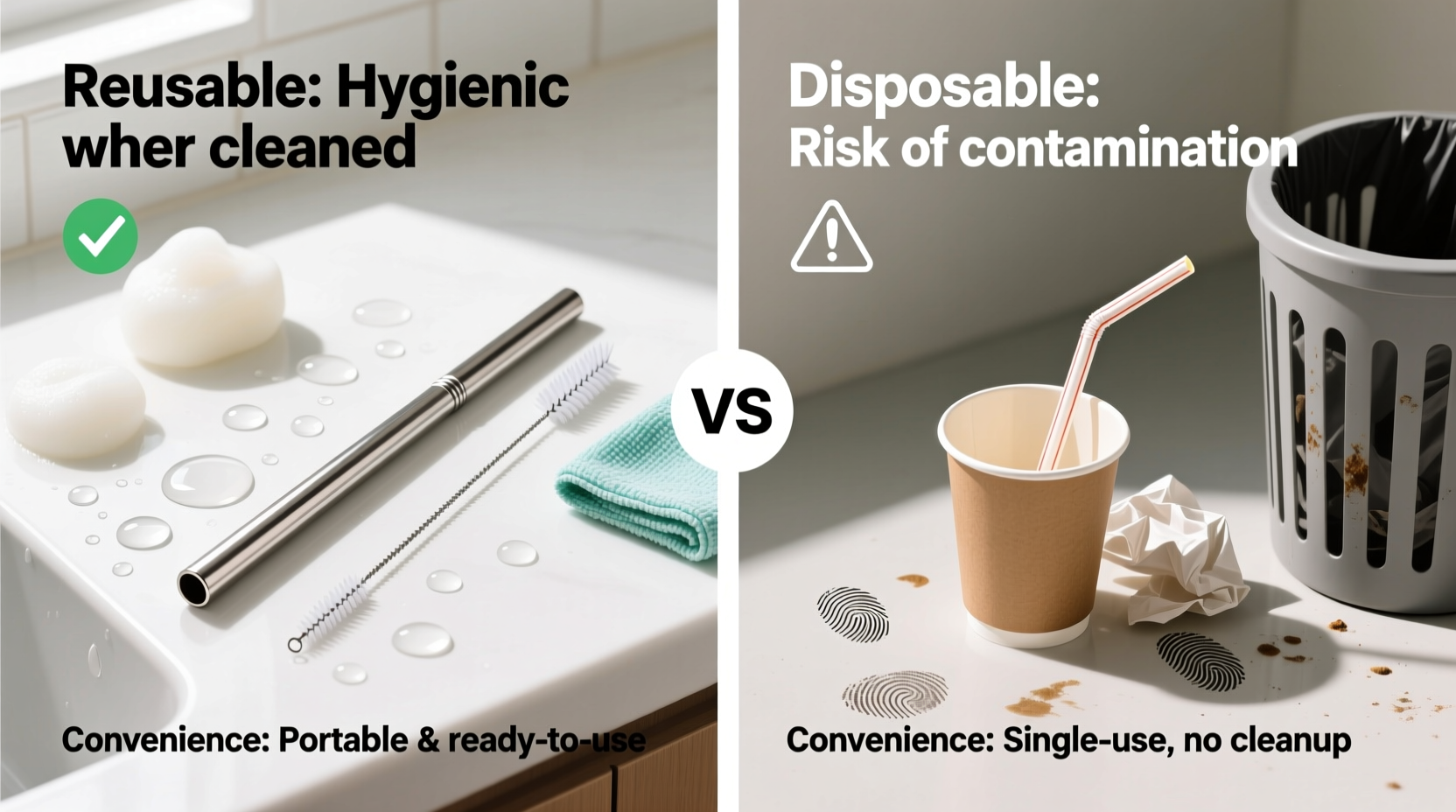
Sanitation is not just about visible cleanliness—it’s about microbial load, cleaning efficacy, and risk of contamination. Disposable straws are designed for one-time use, eliminating the need for cleaning. However, this doesn’t automatically make them “cleaner.” Their sterility depends on manufacturing conditions, packaging integrity, and storage before use.
Reusable straws, by contrast, must be cleaned after every use. If done properly, they can remain hygienic over hundreds of uses. The key lies in consistent and thorough cleaning. Without it, reusable straws can harbor bacteria, mold, and biofilm—especially in narrow interiors where moisture lingers.
“Any item that comes into contact with saliva requires proper sanitation. Reusables aren't inherently dirtier—but improper care makes them a risk.” — Dr. Lena Torres, Microbiologist at the Institute for Public Health Innovation
Studies have shown that poorly cleaned reusable straws can contain high levels of coliform bacteria, including strains associated with gastrointestinal illness. A 2021 study published in the *Journal of Applied Microbiology* found that stainless steel and silicone straws left unwashed for 24 hours developed measurable bacterial colonies, particularly when stored damp.
Tip: Always dry your reusable straw completely after washing. Use a small brush to scrub the interior and store it in a breathable container.Material Matters: How Straw Composition Affects Cleanliness
Different materials respond differently to cleaning methods, temperature exposure, and wear over time. Here's how common types stack up:
| Material | Cleaning Ease | Bacterial Resistance | Durability |
|---|---|---|---|
| Plastic (disposable) | None (single-use) | High if sealed | Low (degrades quickly) |
| Stainless Steel | Moderate (brush required) | Very High | Very High |
| Silicone | Easy (flexible, dishwasher-safe) | High | Medium (can tear) |
| Glass | Moderate (fragile, needs careful handling) | High | Low (breakable) |
| Bamboo | Difficult (absorbs moisture) | Low (porous) | Medium (wears over time) |
Stainless steel and silicone emerge as top performers in terms of hygiene and longevity. Both resist microbial growth and tolerate high temperatures during dishwashing or boiling. Glass is also non-porous and easy to inspect for residue but poses a breakage risk. Bamboo, while biodegradable and eco-friendly, is porous and harder to sanitize thoroughly, making it less ideal for frequent use without meticulous drying.
Convenience in Daily Life: Practical Trade-offs
Convenience isn't just about ease of use—it includes portability, availability, maintenance, and compatibility with different beverages and settings.
Disposable straws win in immediacy. They’re ready to use straight from the wrapper, require no preparation, and can be discarded after a single sip. This makes them highly convenient in fast-paced environments like drive-thrus, cafes, hospitals, or travel.
Reusable straws demand planning. You must carry them, clean them, and store them properly. Forgetting your straw at home means either going without or resorting to disposables. While many come with carrying cases and cleaning brushes, these accessories add bulk and complexity.
Consider a parent managing a toddler’s juice box at a park. A disposable straw ensures quick access and zero cleanup. A reusable straw introduces logistical hurdles: Did they pack it? Is it clean? Can it fit the box? In such scenarios, disposables offer unmatched simplicity.
However, for home use, office routines, or regular café visits, reusables integrate smoothly. Many coffee shops now welcome personal straws, and some even offer discounts for bringing your own. Over time, the routine of rinsing and storing becomes second nature.
Mini Case Study: Office Worker’s Weekly Routine
Sarah, a 32-year-old marketing executive, drinks two smoothies daily during her commute. She used to rely on disposable plastic straws provided by her favorite juice bar. After learning about microplastic leaching and marine pollution, she switched to a collapsible silicone straw with a compact case.
At first, remembering to bring it was challenging. Twice, she forgot it and had to drink without a straw. But within three weeks, she built a habit: placing the straw next to her keys each evening. She now cleans it nightly with a bottle brush and runs it through the dishwasher weekly. Her smoothie experience hasn’t changed—but she feels more aligned with her environmental values.
Still, Sarah admits there are trade-offs. When traveling, she occasionally uses paper straws, which dissolve faster than plastic and aren’t always sturdy. “I’d love a truly compostable, durable alternative,” she says, “but right now, my silicone straw is the best compromise.”
Step-by-Step Guide to Sanitizing Reusable Straws
Proper cleaning is non-negotiable for safe reuse. Follow this routine to ensure your straw stays hygienic:
- Rinse immediately after use: Flush with warm water to remove residual liquid and prevent buildup.
- Scrub the interior: Use a dedicated straw-cleaning brush to reach all surfaces. Pay attention to bends or joints.
- Wash with soap: Apply mild dish soap and scrub again. Rinse thoroughly.
- Disinfect weekly: Boil for 5 minutes, use a UV sanitizer, or soak in a vinegar-water solution (1:3 ratio) for 30 minutes.
- Dry completely: Place upright on a drying rack or towel. Avoid sealing in closed containers while damp.
- Inspect regularly: Check for cracks, discoloration, or odors. Replace if damaged.
Environmental and Economic Considerations
While not the focus of this article, the broader implications of straw choice cannot be ignored. A single reusable straw can replace hundreds—or even thousands—of disposables over its lifetime. According to EPA estimates, Americans use over 500 million plastic straws daily. Most end up in landfills or waterways, where they persist for centuries.
Economically, disposables seem cheaper upfront. A 200-pack of plastic straws costs around $5. But over a year, that adds up to repeated purchases. A quality stainless steel straw costs $10–$15 but lasts 5+ years with care. Even factoring in cleaning supplies, the long-term savings are clear.
Moreover, many cities and businesses now charge extra for disposable straws or ban them outright. Being prepared with a reusable option avoids surprise fees and aligns with evolving regulations.
Checklist: Choosing the Right Straw for Your Lifestyle
- ✅ Do you drink beverages with straws daily? → Reusable likely saves money and hassle.
- ✅ Do you travel frequently or eat out often? → Opt for portable, durable materials like silicone or steel.
- ✅ Are you responsible for children or elderly users? → Choose flexible, unbreakable options (e.g., silicone).
- ✅ Can you commit to daily cleaning? → If not, consider switching back to disposables or using only when necessary.
- ✅ Do you prioritize sustainability? → Reusables significantly reduce waste and carbon footprint.
Frequently Asked Questions
Can reusable straws make you sick if not cleaned properly?
Yes. Like toothbrushes or kitchen sponges, improperly cleaned reusable straws can harbor harmful bacteria and mold. Regular scrubbing and complete drying are essential to prevent microbial growth.
Are paper straws a sanitary alternative to plastic?
Paper straws are generally sterile when sealed but degrade quickly when wet. Once softened, they can develop surface cracks that trap bacteria. They are best used immediately and discarded after one use. They are not suitable for reuse.
How often should I replace my reusable straw?
Inspect your straw monthly. Replace it if you notice scratches, cloudiness (in glass), warping (in silicone), or persistent odors—even after cleaning. Stainless steel straws can last years; others may need replacement every 6–12 months with heavy use.
Conclusion: Balancing Sanitation, Convenience, and Responsibility
The question of whether reusable or disposable straws are more sanitary and convenient doesn’t have a one-size-fits-all answer. It depends on individual habits, environment, and priorities.
Disposable straws offer unmatched convenience and guaranteed single-use sterility—but at a steep environmental cost and potential health risks from chemical leaching. Reusable straws, when properly maintained, are just as sanitary and far more sustainable. They require effort, but that effort pays off in reduced waste, long-term savings, and peace of mind.
The most sanitary option isn’t defined by material alone—it’s determined by how it’s used and cared for. A dirty reusable straw is riskier than a fresh disposable. Conversely, a well-maintained metal or silicone straw can be safer and more reliable over time.
💬 Ready to make the switch or optimize your current routine? Start today by investing in one high-quality reusable straw, a cleaning brush, and a protective case. Share your experience in the comments—your insights could help others find the perfect balance of hygiene and convenience.








