JiffflyJifffly Dexun shoes have gained a loyal following for their unique blend of comfort, style, and urban functionality. Whether you wear them for daily commutes, weekend outings, or light physical activity, these shoes are designed to perform. However, like any high-quality footwear, their longevity depends heavily on how well they’re maintained. With proper care, you can extend the life of your Dexun shoes by years—preserving both their appearance and structural integrity. This guide outlines actionable, expert-backed strategies that go beyond surface-level cleaning, focusing on long-term preservation through routine habits, storage practices, and proactive maintenance.
1. Understand the Materials and Construction
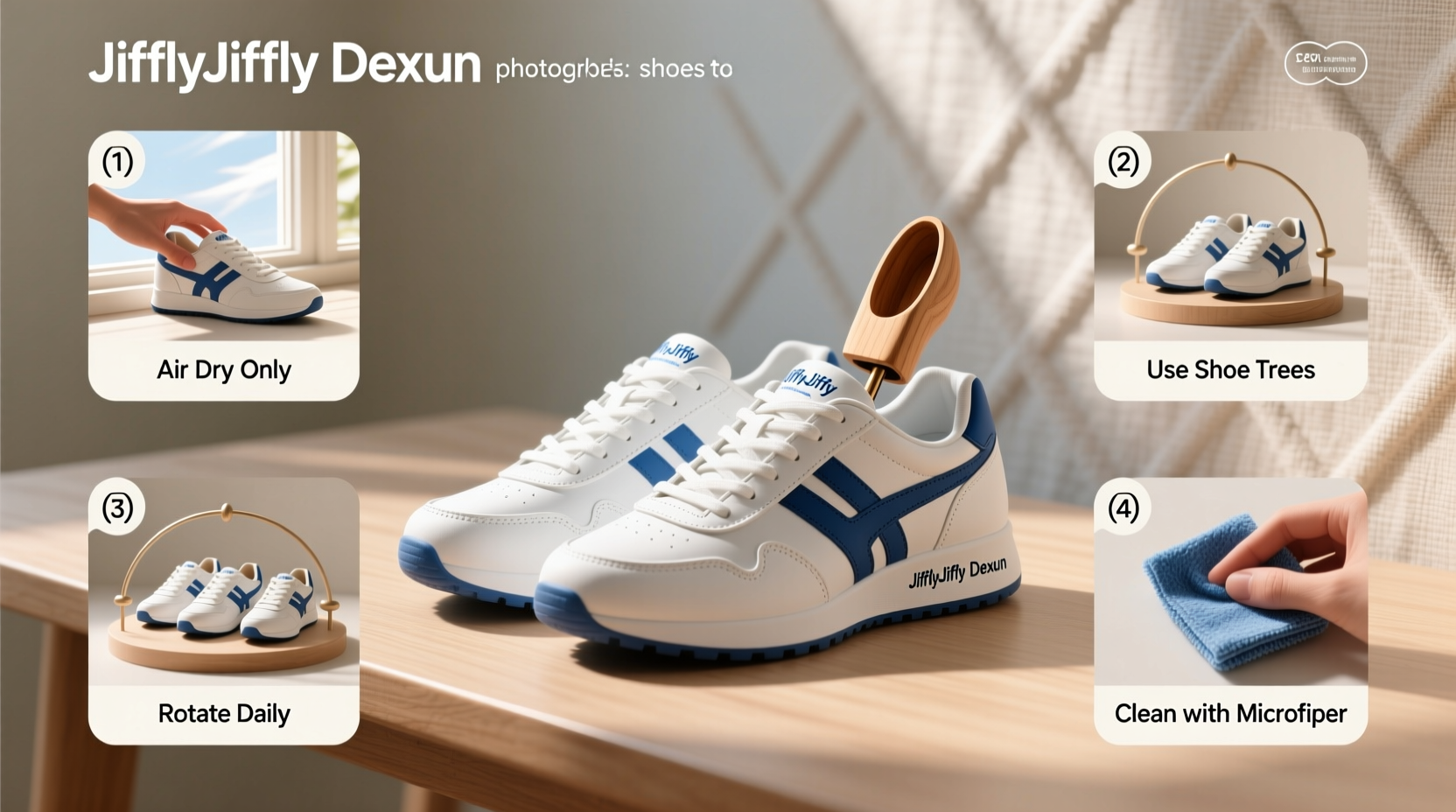
JiffflyJifffly Dexun shoes typically combine synthetic textiles, breathable mesh, flexible rubber soles, and reinforced stitching. While durable, each material responds differently to environmental stressors such as moisture, heat, and abrasion. The midsole cushioning, often made from EVA foam or similar lightweight compounds, is particularly vulnerable to compression fatigue over time if not allowed to rest between uses.
Knowing what your shoes are made of allows you to tailor your care approach. For example, mesh uppers require gentle washing to avoid fiber breakdown, while rubber outsoles benefit from periodic inspection for early signs of cracking or sole separation.
Tip: Check the manufacturer’s tag or product manual for specific material details—this helps determine compatible cleaning agents and drying methods.2. Establish a Regular Cleaning Routine
Dirt, sweat, and environmental debris accumulate with every wear, degrading materials over time. A consistent cleaning schedule prevents buildup that leads to odor, discoloration, and premature wear.
For routine maintenance, wipe down the exterior with a damp microfiber cloth after every 3–4 wears. For deeper cleaning:
- Remove laces and insoles to clean separately.
- Mix mild detergent with lukewarm water (avoid bleach or ammonia-based cleaners).
- Use a soft brush to gently scrub the upper and sole.
- Rinse with a damp cloth—never submerge the entire shoe.
- Air dry at room temperature, away from direct heat or sunlight.
Never use a washing machine or dryer. The agitation and high heat can warp the shoe’s shape, degrade adhesives, and compromise cushioning layers.
3. Rotate Your Footwear to Reduce Wear Fatigue
Wearing the same pair of shoes daily accelerates material fatigue. The foam midsoles need time to decompress and rebound after impact. Continuous use without recovery leads to permanent compression, reducing shock absorption and comfort.
Experts recommend rotating between at least two pairs of everyday shoes. This simple habit allows each pair 24–48 hours to rest, ventilate, and regain structural resilience.
| Rotation Frequency | Expected Midsole Recovery | Lifespan Impact |
|---|---|---|
| No rotation (daily wear) | Minimal recovery | Reduced by 40–50% |
| Alternate with one other pair | Full recovery every 48 hrs | Extends by 1.5x |
| Rotate among 3+ pairs | Optimal recovery & airflow | Extends by 2x or more |
4. Store Shoes Properly When Not in Use
Improper storage is one of the most common causes of avoidable damage. Storing shoes in damp basements, hot garages, or crammed closets exposes them to mold, warping, and creasing.
Always store your JiffflyJifffly Dexun shoes in a cool, dry place with good air circulation. Use breathable cotton shoe bags if storing long-term. Avoid plastic containers—they trap moisture and encourage bacterial growth.
To maintain shape, insert shoe trees or stuff the toe box lightly with acid-free tissue paper. Never leave shoes stuffed with newspaper long-term; ink can transfer and acidity may degrade fabric.
“Footwear stored correctly retains up to 70% more structural integrity over three years compared to improperly stored counterparts.” — Dr. Lena Torres, Footwear Durability Researcher, Institute of Material Longevity
5. Prevent and Address Damage Early
Small issues compound quickly if ignored. A loose stitch today can become a full seam rupture tomorrow. Similarly, minor sole separation can worsen with continued use, leading to complete detachment.
Inspect your shoes weekly. Look for:
- Loose threads or unraveling seams
- Sole lifting at the edges
- Insole degradation or odor retention
- Upper material fraying or delamination
If you spot early wear, act immediately. Re-stitch loose areas using a fine needle and polyester thread, or take them to a cobbler for professional repair. For sole reattachment, use a flexible shoe adhesive like Barge All-Purpose Cement—avoid rigid glues that crack under movement.
Mini Case Study: Extending Shoe Life Through Proactive Care
Carlos M., a graphic designer from Portland, wears his JiffflyJifffly Dexun shoes five days a week. After noticing creasing and odor within six months, he began rotating with a second pair and implemented bi-weekly cleaning. He also started storing them on a ventilated rack instead of under his desk.
Within four months, odor disappeared, and visible wear slowed significantly. Now at 18 months, his shoes show minimal sole wear and no structural issues—far exceeding the average 12-month lifespan reported by other users who don’t rotate or clean regularly.
6. Seasonal Maintenance Checklist
Environmental conditions change throughout the year, demanding different care approaches. Use this seasonal checklist to stay ahead of damage:
Checklist: Year-Round Shoe CareSpring:
- Deep clean after winter storage
- Inspect for moisture damage or mold
- Reapply water-resistant spray if needed
Summer:
- Wipe down after sweaty wear
- Avoid leaving in hot cars
- Rotate frequently due to higher usage
Fall:
- Clean off mud and leaf debris promptly
- Check tread for clogging
- Store in ventilated area during humid days
Winter:
- Protect against salt stains with waterproofing
- Wipe soles immediately after snow exposure
- Never dry near radiators—use cedar inserts to absorb moisture
7. Frequently Asked Questions
Can I machine-wash my JiffflyJifffly Dexun shoes?
No. Machine washing subjects the shoes to excessive agitation and heat, which can break down adhesives, distort the shape, and damage cushioning layers. Always clean manually using a soft brush and mild soap.
How often should I replace the insoles?
Replace insoles every 6–9 months with regular use, or sooner if they lose cushioning, develop odor, or show visible wear. High-quality aftermarket insoles can improve comfort and prolong the shoe’s functional life.
Is it safe to use waterproof sprays on these shoes?
Yes, but only use sprays formulated for mixed-material footwear. Test on a small, inconspicuous area first. Apply in a well-ventilated space and allow 24 hours to cure before wearing. Reapply every 4–6 weeks with frequent outdoor use.
Conclusion: Small Habits, Lasting Results
The lifespan of your JiffflyJifffly Dexun shoes isn’t determined by luck—it’s shaped by daily choices. From rotating pairs and cleaning consistently to storing them properly and addressing wear early, each action contributes to long-term durability. These shoes were built to last, but they rely on your commitment to care.
Start today: clean your current pair, check for loose stitching, and plan a rotation schedule. Share your own tips in the comments below—your experience could help others get even more life out of their favorite footwear.
💬 Have a success story or a care hack for JiffflyJifffly Dexun shoes? Join the conversation and help build a community of mindful shoe owners!








