As the holiday season approaches, homes across neighborhoods begin to glow with festive cheer. Strings of twinkling lights adorn rooftops, trees, porches, and mantles. But when it comes to decorating, a common question arises: Can you use indoor Christmas lights outside—or vice versa—without putting your home or family at risk? The answer isn't as simple as \"yes\" or \"no.\" It depends on construction, electrical ratings, weather resistance, and long-term safety.
Mistakenly using indoor lights outdoors exposes them to moisture, temperature swings, and physical wear that they're not designed to withstand. Similarly, using heavy-duty outdoor lights indoors may be overkill but is generally safer than the reverse. Understanding the technical and practical differences between these two types of lights helps prevent fire hazards, equipment failure, and costly replacements.
Understanding the Fundamental Differences
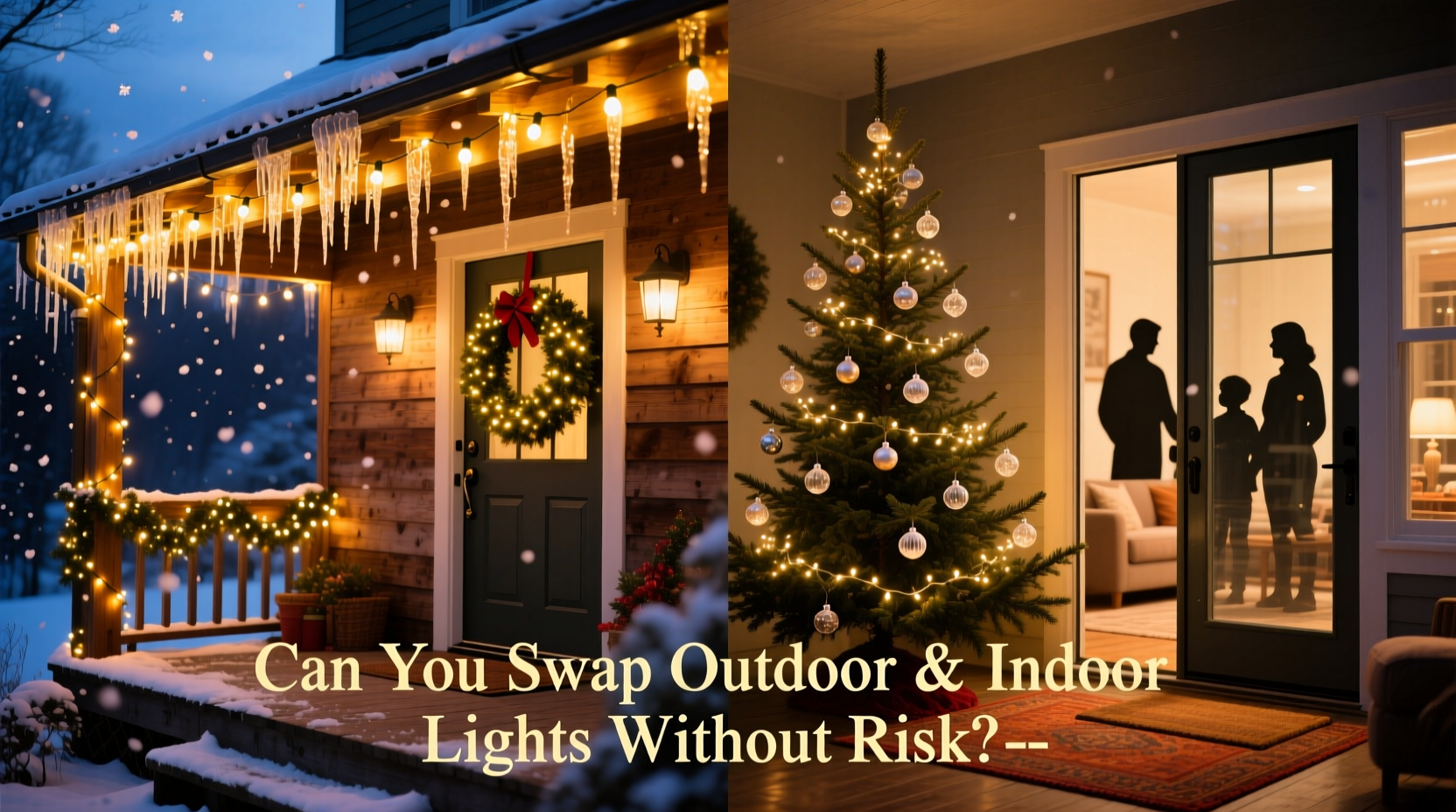
The primary distinction between indoor and outdoor Christmas lights lies in their design standards and safety certifications. While both deliver the same visual effect—warm, colorful illumination—their internal components, insulation, and durability are engineered for specific environments.
Indoor lights are built for controlled conditions: stable temperatures, low humidity, and minimal exposure to the elements. They typically feature thinner wiring, plastic sockets, and lower water resistance. Most lack UL (Underwriters Laboratories) certification for wet or damp locations. Using them outside—even under an eave or covered porch—can still expose them to condensation, rain splash, or snowmelt, leading to short circuits or corrosion.
Outdoor lights, on the other hand, are constructed to endure harsher conditions. Their wires are thicker and often coated with PVC or another weather-resistant material. Sockets are sealed to prevent water ingress, and many models are rated for direct exposure to rain, snow, and freezing temperatures. Outdoor sets are usually UL-listed for “wet” or “damp” locations, meaning they’ve passed rigorous safety testing for external use.
“Using indoor-rated lights outside is one of the most common—and dangerous—decorating mistakes during the holidays.” — James Liao, Electrical Safety Engineer, National Fire Protection Association (NFPA)
Safety Risks of Swapping Lights Incorrectly
The temptation to reuse indoor strings on a patio or outdoor lights inside a cozy living room is understandable, especially when trying to match colors or save money. However, doing so without caution introduces real risks.
Fire Hazard from Overheating and Moisture
Indoor lights used outside may suffer from moisture infiltration. Water can seep into bulb sockets or wire junctions, causing short circuits. When electricity meets water, it can create sparks, overheating, or even ignite nearby flammable materials like dry wood, insulation, or holiday greenery.
Even if no immediate failure occurs, repeated exposure to dampness accelerates corrosion of metal contacts, increasing electrical resistance. Higher resistance leads to more heat buildup—a hidden fire risk that may not become apparent until days or weeks later.
Electrical Shock Risk
Plugging indoor lights into outdoor outlets—especially ungrounded or GFCI-lacking ones—increases the chance of electric shock. If a damaged section of the string becomes energized due to water contact, anyone touching the strand or a connected metal structure (like a railing or ladder) could receive a dangerous shock.
Premature Failure and Cost Waste
Using indoor lights outside drastically shortens their lifespan. What might last five seasons indoors could fail in just one winter outdoors. The cost savings of reusing them disappear when you must replace them annually—or worse, deal with property damage.
Tip: Always check the label or packaging for “For Indoor Use Only” or “Suitable for Outdoor Use.” When in doubt, assume it’s not safe for exterior installation.Comparison: Indoor vs Outdoor Christmas Lights
| Feature | Indoor Lights | Outdoor Lights |
|---|---|---|
| Wire Insulation | Thin, flexible, less durable | Thick, UV-resistant, weatherproof |
| Socket Material | Plastic, not sealed | Sealed rubber or silicone gaskets |
| Water Resistance | None – not rated for dampness | Rated for damp or wet locations (UL) |
| Temperature Tolerance | Moderate (indoors only) | Wide range (-20°F to 120°F typical) |
| Plug Type | Standard two-prong | Often grounded (three-prong) |
| Durability | Low – prone to cracking in cold | High – resistant to sun, snow, wind |
Real-World Example: A Holiday Mistake That Could Have Been Prevented
In December 2022, a homeowner in Vermont decided to extend her indoor light display from the living room window to the front porch railing. She used two strands of indoor mini-lights, tucking the plug into a covered outdoor outlet. For the first few days, everything seemed fine. Then came a sudden thaw, followed by freezing rain.
By the third night, neighbors noticed flickering and intermittent outages in the display. The homeowner smelled a faint burning odor near the porch. Upon inspection, she found that water had entered the socket of one bulb, corroding the connection and melting part of the wire insulation. The circuit breaker hadn’t tripped because the fault wasn’t severe enough to trigger it—but the risk of fire was real.
An electrician confirmed that the indoor lights were never meant for such conditions. He recommended replacing them with UL-listed outdoor strings and installing a GFCI-protected outlet. The total repair and upgrade cost exceeded $150—more than the price of new outdoor lights would have been initially.
This case illustrates how a small oversight can escalate into a serious hazard. The convenience of reusing existing lights wasn’t worth the danger.
When It’s Safe (and Not Safe) to Swap
The rule of thumb: **You can safely use outdoor Christmas lights indoors, but never use indoor lights outdoors.**
Outdoor lights are built tougher, so bringing them inside poses no safety issue. In fact, they may last longer and handle accidental bumps or pet interference better than delicate indoor sets. The only downside is aesthetic—some outdoor lights are bulkier or brighter than desired for intimate indoor spaces.
Conversely, using indoor lights outside—even briefly or under cover—is unsafe. Covered patios, gazebos, and eaves are still exposed to humidity, dew, and airborne moisture. Temperature fluctuations cause condensation inside sockets, which indoor lights aren’t designed to resist.
Exceptions and Gray Areas
- Partially Covered Areas: A covered porch may seem protected, but side exposure to wind-driven rain or snow makes it a damp location per electrical code.
- Temporary Use: Even a one-night outdoor display with indoor lights carries risk. One incident is all it takes.
- LED vs Incandescent: While LED lights run cooler and use less power, the safety rating depends on construction—not bulb type. An LED string labeled “indoor only” is still unsafe outside.
Step-by-Step Guide to Choosing and Using Lights Safely
- Inspect Labels First: Before plugging anything in, check each string for its intended use. Look for phrases like “Suitable for Indoor and Outdoor Use” or “UL Listed for Wet Locations.”
- Use GFCI Outlets Outside: Plug outdoor lights into a GFCI (Ground Fault Circuit Interrupter) outlet or use a GFCI extension cord. This cuts power instantly if a ground fault is detected.
- Check for Damage: Frayed wires, cracked sockets, or loose bulbs mean the set should be retired—regardless of where you plan to use it.
- Don’t Daisy Chain Excessively: Most manufacturers limit the number of strings you can connect end-to-end (often 3–6 sets). Overloading causes overheating.
- Secure Connections Off the Ground: Elevate plugs and connections using a weatherproof outlet cover or mounting block to avoid water pooling.
- Turn Off When Unattended: Use a timer to automatically shut off lights overnight or when you’re away. This reduces fire risk and energy use.
Checklist: Safe Holiday Lighting Practices
- ✅ Verify each light string is rated for its intended location (indoor/outdoor)
- ✅ Use only outdoor-rated lights for exterior installations
- ✅ Plug outdoor lights into GFCI-protected outlets
- ✅ Avoid running cords under rugs, through doors, or where they can be pinched
- ✅ Replace any lights with broken bulbs, frayed wires, or loose connections
- ✅ Limit daisy-chaining to manufacturer specifications
- ✅ Install lights on a timer for automatic shutoff
- ✅ Store lights properly after the season to ensure longevity
Frequently Asked Questions
Can I use indoor Christmas lights on a covered porch?
No. Even covered areas are considered damp locations due to exposure to humidity, dew, and wind-blown moisture. Indoor lights lack the sealing and insulation needed to prevent water intrusion and potential electrical hazards.
Are outdoor Christmas lights safe to use inside the house?
Yes. Outdoor lights are designed to meet higher safety standards, so using them indoors is perfectly safe. They may be slightly heavier or brighter, but they pose no electrical or fire risk when used inside.
What does “UL Listed for Wet Locations” mean?
It means the product has been tested and certified by Underwriters Laboratories to operate safely in conditions where it may be directly exposed to rain, snow, or persistent moisture. This is essential for any light used outdoors.
Conclusion: Prioritize Safety Over Convenience
The holiday season should be joyful, not risky. While it might seem convenient to repurpose indoor lights for outdoor decor—or vice versa—the potential consequences outweigh any short-term benefits. Electrical fires, shocks, and equipment failure are preventable with the right knowledge and precautions.
Investing in proper outdoor-rated lights ensures your display shines brightly and safely throughout the season. And when you take down your decorations, store them carefully—coiled neatly, labeled by location, and kept in a dry place—to make next year’s setup easier and safer.
💬 Have a lighting safety tip or story from your holiday experience? Share it in the comments below and help others decorate smarter this season!








