For pet owners, choosing the right sofa isn’t just about comfort or style—it’s a practical decision shaped by daily challenges like shedding, scratching, and accidental spills. Two popular upholstery choices—microfiber and velvet—often top the list for modern living rooms. But when it comes to resisting pet hair, which one truly performs better? The answer depends on fabric construction, texture, maintenance needs, and how your pets interact with the furniture. This in-depth analysis compares both materials across key factors, helping you make an informed decision that balances aesthetics, durability, and real-life usability.
Understanding Microfiber and Velvet Fabrics
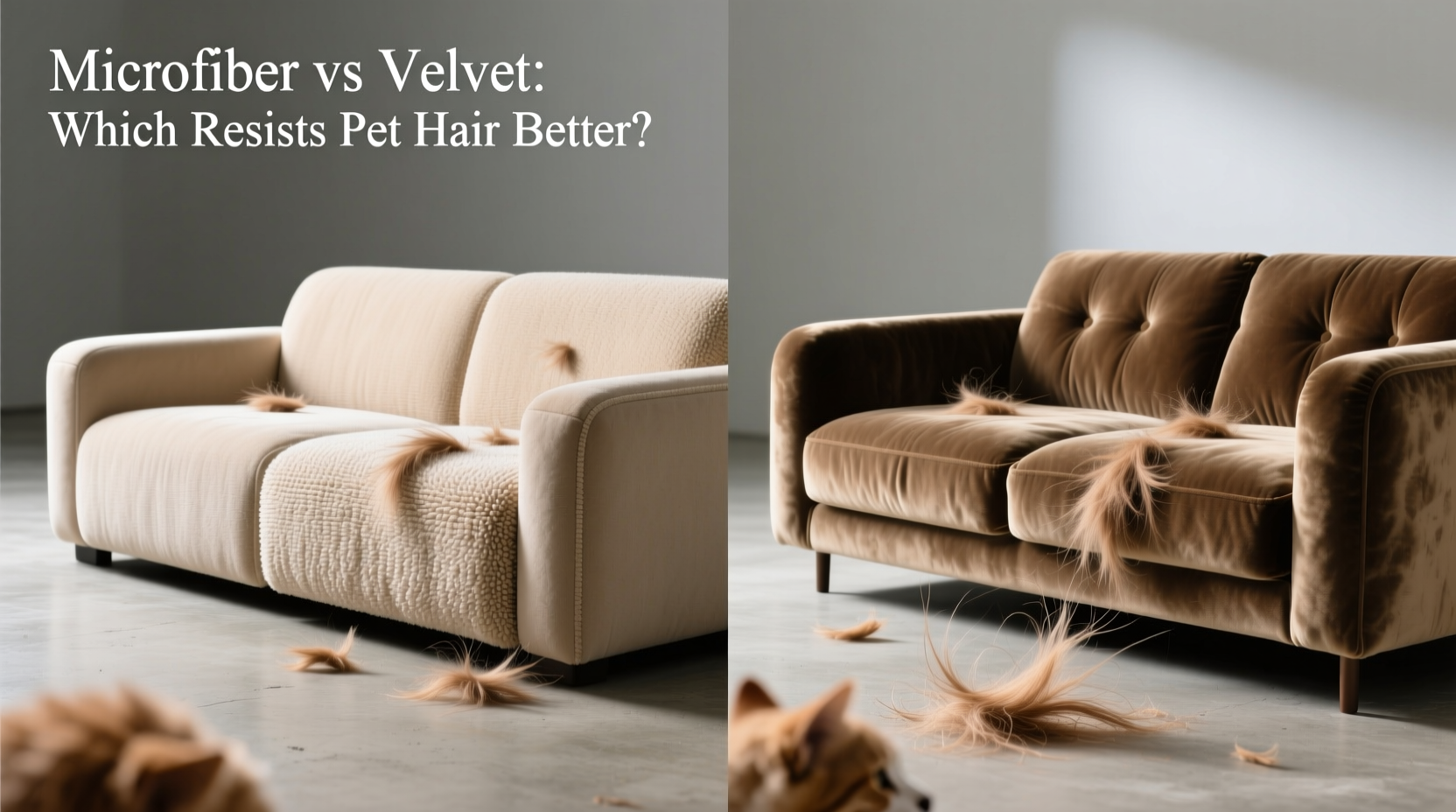
Before comparing their performance against pet hair, it's essential to understand what each fabric is made of and how its structure influences behavior with lint, fur, and debris.
Microfiber is a synthetic textile typically composed of polyester, nylon, or a blend. Its fibers are extremely fine—finer than a strand of silk—and tightly woven. This tight weave creates a smooth, durable surface that resists stains, abrasions, and moisture. Most microfiber sofas are labeled as “performance fabric” or “pet-friendly,” thanks to their engineered resilience.
Velvet, on the other hand, refers to a type of weave rather than a specific material. Modern velvet sofas may be made from cotton, polyester, viscose, or blends. It features a short, dense pile that gives it a soft, luxurious feel. While traditionally associated with elegance, not all velvets are created equal—especially when exposed to high-traffic environments or pets.
The key difference lies in texture and fiber orientation. Microfiber has a flat, non-porous surface, while velvet has a raised nap. This structural contrast plays a major role in how each fabric interacts with pet hair.
Tip: Always check the manufacturer’s label for fabric composition—even if a sofa is labeled \"velvet,\" its resistance to pet hair depends heavily on whether it's made from synthetic or natural fibers.Pet Hair Resistance: How Each Fabric Performs
Pet hair accumulation isn't just about how much fur your dog or cat sheds—it's also about how easily that hair adheres to and embeds into the fabric.
Microfiber excels at repelling pet hair. Because of its smooth, tightly woven surface, hair tends to sit on top rather than embedding deeply. This makes it easier to remove with a quick wipe, vacuum pass, or lint roller. Additionally, static buildup—which can attract hair—is minimal in most high-quality microfibers due to anti-static treatments.
Velvet, especially cotton or viscose varieties, tends to trap pet hair. The nap (the direction of the fibers) acts like tiny hooks, catching loose fur and holding it in place. Even light shedding breeds can leave visible traces within hours. Worse, brushing or wiping in the wrong direction can push hair deeper into the pile, making removal more labor-intensive.
Synthetic velvet (polyester-based) performs better than natural-fiber versions but still lags behind microfiber in terms of ease of cleaning. The texture simply invites clinging, regardless of material.
“From a textile engineering standpoint, flat weaves like microfiber inherently resist particulate retention—including pet dander and fur—better than any napped fabric.” — Dr. Lena Torres, Textile Research Scientist, Advanced Home Materials Lab
Comparison Table: Microfiber vs Velvet for Pet Owners
| Feature | Microfiber Couch | Velvet Sofa |
|---|---|---|
| Pet Hair Adhesion | Low – hair sits on surface | High – hair embeds in nap |
| Cleaning Ease | Easy – wipes clean with damp cloth | Moderate to difficult – requires specialized tools |
| Stain Resistance | Excellent – often treated for spill protection | Fair – prone to water rings and oil absorption |
| Durability Against Scratching | High – resistant to claw snags | Low to moderate – prone to pilling and pulls |
| Static & Dust Attraction | Low – anti-static options available | Moderate – attracts hair and dust |
| Lifespan (with pets) | 7–10+ years with care | 3–5 years, depending on use |
| Aesthetic Longevity | Maintains appearance over time | Nap can flatten or shine with frequent use |
Real-World Example: Life with a Golden Retriever
Sarah M., a pet owner in Portland, OR, replaced her plush velvet sectional after just 18 months of ownership. Her two-year-old Golden Retriever, Max, shed heavily year-round. Despite daily vacuuming and weekly lint rolling, Sarah found that fur clung stubbornly to the sofa’s surface, particularly along the backrest and armrests. “It looked like a permanent golden haze,” she said. “Even after cleaning, you could run your hand across it and come away with a tuft.”
She switched to a charcoal-gray microfiber loveseat for the living room. Within days, she noticed a dramatic difference. “Max still sheds everywhere, but now I can wipe the couch down in under two minutes. No more sticky fur, no deep-cleaning nightmares.”
Sarah’s experience reflects a common pattern among pet owners: velvet may look luxurious in showrooms, but its real-world performance under constant pet exposure often falls short compared to engineered fabrics like microfiber.
Maintenance and Cleaning Routines Compared
How you maintain your sofa directly affects how well it resists pet hair over time. Both fabrics require care, but the frequency and method differ significantly.
Microfiber Care Routine
- Vacuum weekly with an upholstery attachment to lift surface hair.
- Spot-clean spills immediately with a mild detergent and damp cloth.
- Avoid abrasive scrubbing; use circular motions for stains.
- Deep clean every 6–12 months using a fabric-safe steam cleaner (if manufacturer-approved).
Velvet Care Routine
- Brush gently in the direction of the nap weekly to prevent matting.
- Use a lint roller or tape roller frequently to remove embedded hair.
- Vacuum with a soft brush attachment—never a beater bar.
- Address spills immediately, but avoid over-wetting to prevent ring marks.
- Professional cleaning recommended annually to maintain texture.
The extra steps required for velvet add up over time. For busy households, the convenience of microfiber’s low-maintenance profile often outweighs velvet’s aesthetic appeal.
Tip: To reduce pet hair buildup on any fabric, groom your pet regularly. Brushing them outdoors 2–3 times per week can cut indoor shedding by up to 60%.Step-by-Step Guide: Choosing the Right Sofa for Pet Hair Resistance
- Evaluate your pet’s habits. Does your dog shed heavily? Does your cat scratch or knead furniture? High-shedding or active pets demand higher durability.
- Touch test the fabric. Visit a showroom and run your hand over sample swatches. Notice how easily hair sticks or how deep it sinks into the pile.
- Check the fiber content. Look for 100% polyester microfiber or synthetic velvet. Avoid cotton or viscose blends if pet hair is a concern.
- Ask about treatment features. Many microfiber sofas come with stain guards, anti-pilling finishes, or anti-static coatings—request details.
- Review warranty and cleaning guidelines. A longer warranty (5+ years) often indicates confidence in durability. Ensure cleaning methods align with your lifestyle.
- Consider color and pattern. Darker tones or textured weaves help camouflage pet hair. Solid light colors will highlight fur more readily.
FAQ: Common Questions About Pet Hair and Upholstery
Does microfiber attract less pet hair than velvet?
Yes. Microfiber’s smooth, tightly woven surface prevents hair from embedding, while velvet’s nap naturally traps loose fur. Even synthetic velvet holds more hair than microfiber due to its texture.
Can I make my velvet sofa more pet-hair-resistant?
Only to a limited extent. Using a fabric conditioner spray may reduce static, and regular brushing in the direction of the nap can minimize tangling. However, the fundamental structure of velvet makes it inherently more prone to holding hair than flat-weave fabrics.
Is there a type of velvet that works well with pets?
Polyester-based crushed velvet or velveteen tends to be more durable and slightly easier to maintain than traditional velvet. Still, it doesn’t match microfiber for pet hair resistance. If you love the look of velvet, consider using it on accent chairs rather than primary seating.
Final Recommendation: Why Microfiber Wins for Pet Hair Resistance
While velvet offers undeniable elegance and a soft tactile experience, microfiber is the superior choice for homes with pets—especially those dealing with significant shedding. Its ability to resist hair adhesion, withstand scratches, and simplify cleaning makes it a long-term investment in both comfort and convenience.
Modern microfiber sofas are no longer limited to bland, utilitarian designs. Today’s options include textured weaves, rich colors, and contemporary silhouettes that rival high-end velvet in visual appeal. Advances in fabric technology have closed the aesthetic gap while maintaining functional advantages.
If you value a clean-looking living space without spending excessive time battling pet hair, a microfiber couch is the smarter, more sustainable choice. It combines performance with style, offering peace of mind that your furniture can handle the realities of pet ownership without sacrificing beauty.
“The best pet-friendly furniture doesn’t hide the fact that you have animals—it simply integrates seamlessly with the mess, movement, and love they bring.” — Rachel Kim, Interior Designer & Pet Lifestyle Consultant
Take Action: Make Your Next Sofa Work for You and Your Pets
Your sofa should enhance your home, not become a source of frustration. By prioritizing function without sacrificing design, you create a space where both humans and pets feel comfortable. If you're in the market for new seating, start by testing microfiber samples at home. Place them near your pet’s favorite spot and observe how hair accumulates over a few days. Compare that to your current fabric—you’ll likely see a clear winner.
💬 Have a pet-friendly furniture tip or experience to share? Join the conversation—your insight could help another pet owner make a better choice today.








