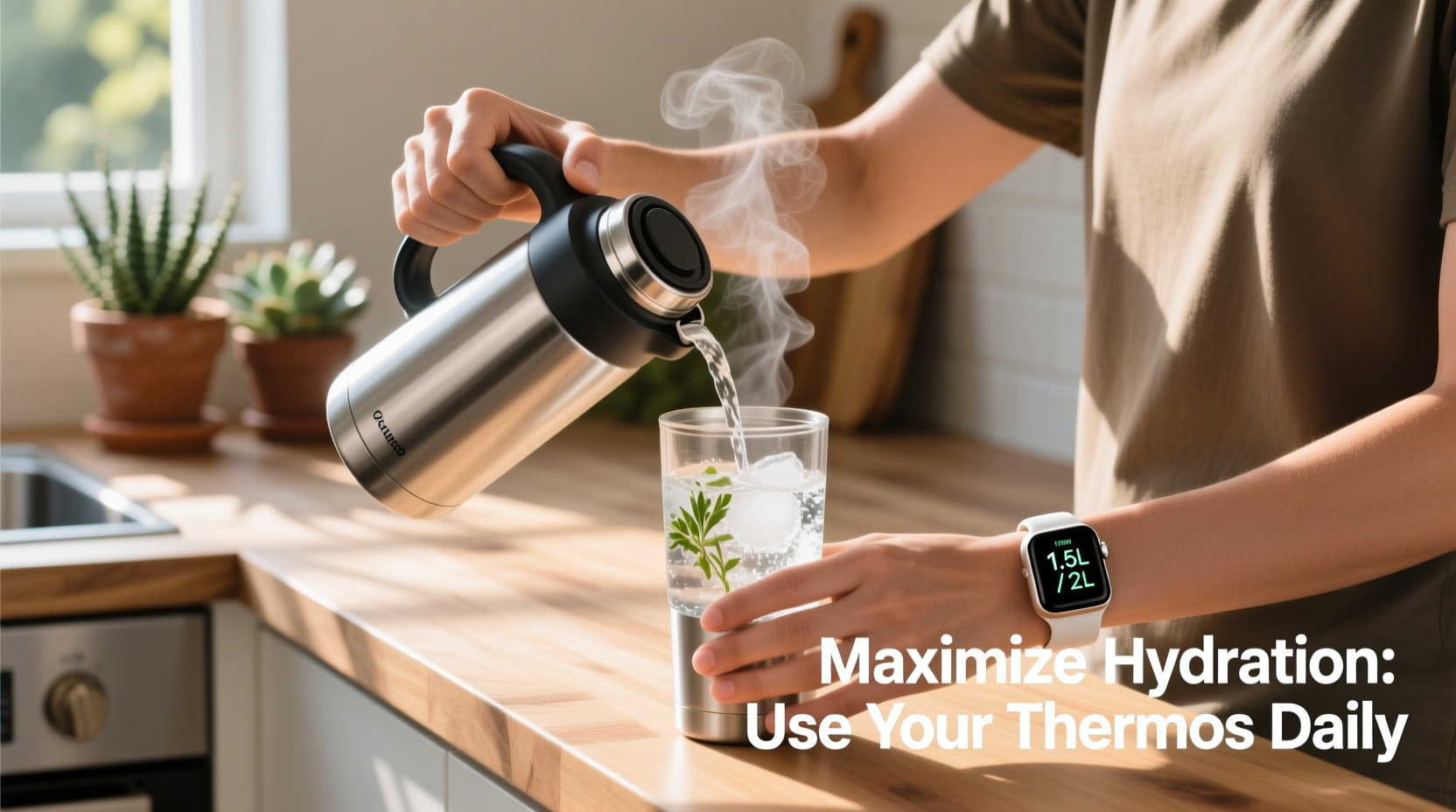
Staying hydrated is essential for energy, focus, digestion, and overall well-being. Yet many people fall short of their daily water intake simply because they don’t have convenient access to fluids throughout the day. A high-quality thermos cup can be a game-changer—keeping drinks hot or cold for hours while promoting consistent sipping. But owning one isn’t enough. To truly maximize hydration, you need to use it strategically and consistently.
This guide breaks down how to integrate your thermos cup into daily life with intention. From choosing the right model to building habits that stick, these insights will help turn hydration from an afterthought into a seamless part of your routine.
Choose the Right Thermos Cup for Your Lifestyle
Not all thermos cups are created equal. The effectiveness of your hydration strategy starts with selecting a cup that aligns with your needs. Key considerations include insulation performance, capacity, portability, lid design, and ease of cleaning.
| Feature | Why It Matters | Recommended Option |
|---|---|---|
| Insulation (Vacuum Sealed) | Maintains temperature for 6–24 hours depending on quality | Double-wall stainless steel |
| Capacity | Determines how often refills are needed | 16–20 oz (475–600 ml) for most adults |
| Lid Type | Affects spill resistance and sip convenience | Leak-proof slide or flip-top lid |
| Weight & Size | Impacts portability and fit in bags or cup holders | Under 12 oz empty weight; fits car mounts |
| Cleaning Accessibility | Narrow necks trap residue; wide mouths clean easier | Wide-mouth opening with removable parts |
Build a Morning Hydration Ritual
The first few hours of the day set the tone for hydration. Starting with a full thermos signals commitment and reduces decision fatigue later. Preparing your cup the night before—or immediately upon waking—ensures you begin strong.
- Fill your thermos with warm lemon water or room-temperature filtered water as soon as you wake up.
- Add electrolytes or a pinch of sea salt if you sweat heavily overnight or live in a dry climate. <3>Place the cup beside your breakfast plate or work bag so it’s visible and accessible.
- Sip steadily during morning tasks—commuting, checking emails, exercising—without waiting until you feel thirsty.
“Hydration status in the morning influences cognitive performance more than caffeine does.” — Dr. Lena Patel, Clinical Nutritionist
By noon, aim to have consumed at least half your thermos volume. This pacing prevents midday fatigue and supports kidney function throughout the afternoon.
Optimize Temperature for Maximum Intake
Temperature plays a subtle but powerful role in how much you drink. Cold beverages tend to be more refreshing in warm environments, while warm drinks encourage sipping in cooler weather—and can even aid digestion.
- Cold drinks: Ideal for outdoor activity, post-workout recovery, or hot climates. Chill your thermos overnight with ice water to pre-cool the chamber.
- Warm drinks: Especially effective in winter or for those sensitive to cold. Herbal teas, broth, or warm water with ginger promote steady consumption without shocking the system.
- Avoid extreme heat: Liquids above 140°F (60°C) can damage esophageal tissue with regular exposure. Let boiling water cool slightly before pouring into your cup.
Real Example: How Sarah Doubled Her Daily Water Intake
Sarah, a project manager in Seattle, used to rely on disposable bottles and forget to drink between meetings. She averaged just 40 ounces of water per day despite feeling fatigued by 3 p.m. After investing in a 20-ounce vacuum-insulated thermos with a straw lid, she redesigned her routine.
She began filling it each evening with cucumber-infused water and storing it in the fridge. In the morning, she transferred it to her work bag. By placing the cup directly on her desk and setting hourly phone reminders for two sips, she established a rhythm. Within two weeks, she consistently finished two full refills—reaching 80+ ounces daily.
Her energy improved, headaches decreased, and she noticed better skin clarity. The key wasn’t willpower—it was visibility, accessibility, and consistency enabled by her thermos.
Step-by-Step Guide: Using Your Thermos Effectively Every Day
Follow this simple sequence to make hydration automatic:
- Evening Prep: Wash and dry your thermos. Fill with cold water and refrigerate overnight (or prepare tea for next-day warmth).
- Morning Start: Replace old contents with fresh liquid. Add flavor enhancers like citrus, mint, or electrolyte drops if desired.
- Commute/Work Setup: Keep the cup within arm’s reach—on your desk, passenger seat, or stroller handle.
- Hourly Check-Ins: Set silent phone alerts every 60–90 minutes prompting a few sips. Use natural breaks (after calls, before bathroom trips) as cues.
- Lunchtime Reset: Refill the cup, even if partially full. This ensures availability through the afternoon slump.
- End-of-Day Review: Note how many times you refilled. Adjust tomorrow’s strategy based on gaps (e.g., more flavor, colder temp, bigger size).
Common Mistakes That Undermine Hydration Efforts
- Waiting until thirsty: Thirst is a late indicator of dehydration. Sip proactively.
- Using dirty or smelly cups: Residue breeds bacteria and discourages use. Clean thoroughly after each day.
- Overloading with sugar: Flavored syrups or sweetened drinks counteract health benefits. Opt for natural infusions.
- Ignoring temperature loss: If your drink warms up too fast, your cup may have poor insulation or frequent lid openings.
- Leaving it behind: Designate a “hydration zone” in your bag or car so the cup travels with you automatically.
Frequently Asked Questions
How often should I clean my thermos cup?
Clean your thermos daily with warm, soapy water and a bottle brush. For deep cleaning, use a mixture of baking soda and vinegar weekly to eliminate odors and mineral buildup. Always air-dry fully before reuse.
Can I put coffee or acidic drinks in my thermos?
Yes, high-grade stainless steel resists corrosion from coffee, tea, and citrus. However, avoid leaving acidic drinks in the cup for over 12 hours, as prolonged exposure may affect taste and material longevity.
Why does my water taste metallic after a few hours?
This may result from low-quality materials or residual soap film. Choose food-grade 18/8 stainless steel models and rinse thoroughly after washing. Pre-rinse new cups several times before first use.
Final Checklist: Mastering Daily Thermos Use
- ✅ Choose a durable, leak-proof model with good insulation
- Prioritize functionality over aesthetics.
- ✅ Fill it first thing in the morning
- Start hydrated, not playing catch-up.
- ✅ Keep it visible and accessible
- If it's out of sight, it's out of mind.
- ✅ Refill at least once during the day
- One fill isn’t enough for most people.
- ✅ Clean it daily
- Prevent biofilm and maintain freshness.
- ✅ Track usage for one week
- Adjust size, flavor, or timing based on real data.
Stay Consistent, Stay Hydrated
A thermos cup is more than a container—it’s a tool for better health when used intentionally. By aligning its use with your daily rhythms, optimizing drink temperature, and avoiding common pitfalls, you create a sustainable path to optimal hydration. Small, repeated actions compound into lasting change. Whether you're working from home, commuting, or parenting on the go, your thermos can become a quiet ally in maintaining energy, focus, and vitality.
💬 Ready to transform your hydration habits? Pick up your thermos today, follow the steps, and notice the difference in just one week. Share your progress or favorite infusion recipes in the comments!








