Rivet boots have long been a symbol of durability and rebellion, rooted in industrial workwear but now firmly embedded in high fashion. Once reserved for construction sites and factory floors, today’s rivet boots—characterized by their exposed metal fasteners and heavy-duty construction—are making bold statements on city streets and runways alike. The fusion of raw utility and modern design makes them an ideal choice for those seeking both comfort and character in their footwear.
What sets rivet boots apart isn’t just their rugged silhouette—it’s their adaptability. When styled intentionally, they can anchor minimalist ensembles, amplify streetwear looks, or add contrast to tailored pieces. Mastering their aesthetic potential means understanding not only how to pair them but also how to maintain their integrity over time. Whether you're new to the trend or looking to refine your approach, this guide delivers actionable insights to help you integrate rivet boots into your wardrobe with confidence and sophistication.
The Evolution of Rivet Boots: From Function to Fashion
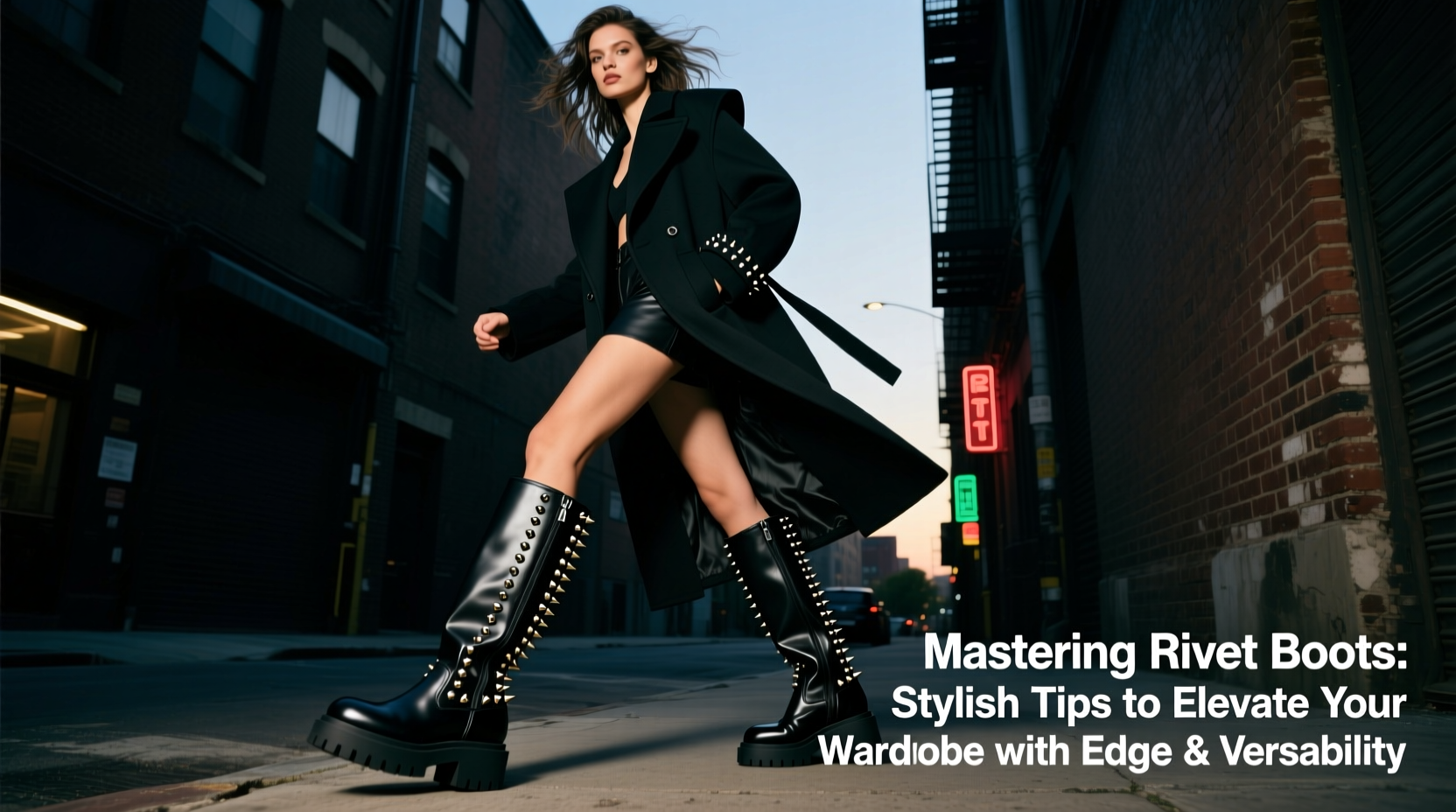
Originally designed for strength, rivet boots emerged in the early 20th century as protective gear for laborers. The exposed rivets served a practical purpose: reinforcing stress points in leather uppers to prevent tearing under strain. Brands like Red Wing, Wolverine, and Viberg built reputations on crafting boots that could endure harsh conditions while supporting foot health.
By the 1980s and 1990s, subcultures adopted these boots as symbols of resistance—punk, grunge, and goth communities embraced their utilitarian grit. Fast forward to today, and designers from Margiela to Alexander McQueen have reimagined rivet detailing in luxury contexts, blending industrial elements with avant-garde silhouettes. This duality—between toughness and refinement—is what gives rivet boots their enduring appeal.
“Rivet boots represent a rare intersection: heritage craftsmanship meets contemporary attitude. They’re not just footwear; they’re a statement of resilience.” — Lena Torres, Footwear Historian & Style Curator
Styling Strategies for Maximum Impact
Wearing rivet boots well requires balancing their inherent boldness with thoughtful coordination. Their metallic accents and structured profiles command attention, so pairing them effectively is essential to avoid overwhelming an outfit.
- Contrast textures: Pair smooth wool trousers with rugged leather boots to create visual interest.
- Elevate casual looks: Combine cuffed denim and a tucked-in sweater with rivet boots for a polished yet relaxed ensemble.
- Play with proportions: Opt for slim-fit pants or cropped jeans to highlight the boot’s hardware and sole structure.
- Layer strategically: A long coat or oversized blazer adds drama without competing with the boots’ presence.
Seasonal Styling Guide
| Season | Recommended Pairings | Avoid |
|---|---|---|
| Fall/Winter | Wool trousers, cable-knit sweaters, trench coats, leather jackets | Overly bulky snow boots layered underneath—can disrupt silhouette |
| Spring | Cropped chinos, lightweight chore coats, button-down shirts | Heavy thermal socks with short pants—creates visual clutter |
| Summer | Breezy linen blends (dark tones), rolled shorts, sleeveless vests | Light-colored fabrics that show scuff marks easily |
Maintenance Routines That Preserve Longevity
No matter how stylish, poorly maintained rivet boots lose their luster quickly. Metal components can corrode, leather can dry out, and stitching can weaken if neglected. A consistent care routine ensures they remain functional and fashionable for years.
- Weekly wipe-down: Use a damp cloth to remove surface dirt from leather and clean around rivets with a soft brush.
- Monthly conditioning: Apply a pH-balanced leather conditioner to prevent cracking.
- Biannual deep clean: Remove laces and use a mild soap solution to scrub seams and soles.
- Inspect hardware: Check for loose rivets or signs of oxidation; tighten or polish as needed.
- Rotate usage: Avoid wearing the same pair two days in a row to allow natural moisture evaporation.
Real-World Example: How One Designer Integrated Rivet Boots Into Her Capsule Wardrobe
Sophia Kim, a Berlin-based stylist and slow-fashion advocate, owns one pair of black steel-toe rivet boots she’s worn consistently for three years. Initially hesitant about their versatility, she committed to styling them with at least five different outfits per season.
Her breakthrough came when she paired them with wide-leg charcoal trousers and a silk camisole—a look that balanced softness and structure. She later wore them with a midi skirt and trench coat during Paris Fashion Week, earning multiple compliments. “I realized the boots weren’t limiting me,” she said. “They were challenging me to think beyond convention.”
Today, Sophia considers them her most-worn item—not because they’re trendy, but because they’ve proven adaptable across climates, occasions, and aesthetics. With proper care, including regular polishing and seasonal recrafting, the boots show only subtle wear, enhancing their character rather than diminishing their value.
Checklist: Building a Rivet Boot-Friendly Wardrobe
To seamlessly incorporate rivet boots into your daily rotation, follow this checklist:
- ✅ Own at least one neutral-toned pair (black, brown, or oxblood)
- ✅ Invest in quality socks that wick moisture and prevent heel slippage
- ✅ Maintain a capsule of bottoms that complement the boot’s height and width
- ✅ Choose outerwear with strong lines to match the boots’ architectural feel
- ✅ Schedule bi-monthly maintenance sessions to extend lifespan
- ✅ Experiment with one unconventional pairing per month (e.g., dress + boots)
Frequently Asked Questions
Can I wear rivet boots with formal attire?
Yes—with intention. Pair dark, polished rivet boots with slim-fit wool trousers and a structured blazer. Avoid patent leather or highly ornate suits; instead, opt for modern tailoring with muted finishes. This creates a deliberate contrast between formality and industrial edge.
Are rivet boots suitable for all body types?
Absolutely. The key is proportion. If you're shorter, choose a sleeker last and avoid excessive tread. Taller individuals can carry bulkier models more easily. Cuffing pants slightly above the ankle helps define leg length regardless of height.
How do I deal with rust on the rivets?
Minor oxidation can be addressed with a cotton swab dipped in white vinegar. Gently rub the affected area, then dry immediately and apply a thin layer of clear wax to protect against future exposure. For severe corrosion, consult a cobbler about replacement hardware.
Final Thoughts: Embrace the Edge
Rivet boots are more than a passing trend—they’re a testament to the power of functional design evolving into personal expression. Their ability to transition from warehouse floors to urban sidewalks speaks to a broader shift in fashion: one where authenticity, durability, and individuality take precedence over fleeting aesthetics.
Mastering them isn’t about following rules—it’s about understanding balance. It’s knowing when to let the hardware shine and when to tone down the rest of your look. It’s treating them not as costume pieces, but as trusted companions in your daily journey.
💬 Ready to redefine your style narrative? Start by lacing up your rivet boots and stepping boldly into your next outfit. Share your favorite combination online and inspire others to embrace fearless footwear.