Types of Homemade Decorative Items for Your Home
Creating decorative items at home is a popular and rewarding way to personalize your living space while expressing creativity. These handmade pieces not only add character and charm but also reflect individual style and taste. From functional art to aesthetic accents, DIY home décor allows for endless customization and cost-effective design solutions.
This guide explores the most popular types of homemade decorative items, their benefits, current design trends, and tips for incorporating them into different rooms of your home.
Wall Art
Drawing, painting, or crafting custom wall displays is one of the most effective ways to personalize any room. Wall art can range from canvas paintings and hand-drawn sketches to framed prints, photo collages, and even 3D metal sculptures made from recycled materials.
Benefits
- Highly customizable to match room themes
- Adds visual interest and focal points
- Encourages creative expression
- Can be made from recycled or low-cost materials
Considerations
- Requires some artistic skill or planning
- Framing and mounting can add cost
- May need protection from humidity or sunlight
Best for: Living rooms, bedrooms, hallways, and home offices
Vases and Planters
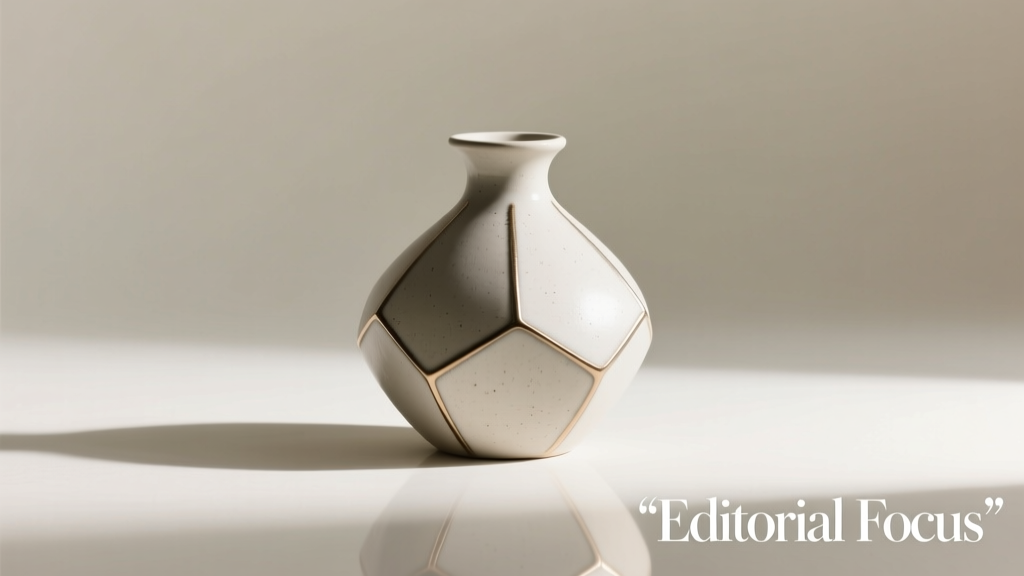
Handmade vases and planters are both functional and decorative, adding elegance even when not in use. Crafted from clay, glass, wood, or upcycled containers, they come in endless shapes, colors, and textures. Modern trends favor bold-colored vases that contrast neutral interiors.
Benefits
- Enhances indoor greenery and air quality
- Easy to personalize with paint or carvings
- Suitable for succulents, herbs, or cut flowers
- Hanging or tabletop versions save space
Considerations
- Some materials may not be waterproof
- Requires basic knowledge of plant care
- Clay or ceramic pieces can be fragile
Best for: Kitchens, bathrooms, shelves, and entryways
Cushions and Throws
DIY cushions and throws offer both comfort and style. Made from fabric scraps, old clothing, or new textiles, they come in various patterns, textures, and colors. These soft furnishings allow you to refresh a room’s look seasonally without major renovations.
Benefits
- Instantly changes room ambiance
- Adds warmth and coziness to seating areas
- Great for using leftover fabric or upcycling
- Simple sewing or no-sew options available
Considerations
- Frequent washing may wear out fabrics
- Requires basic sewing skills for durability
- May clash with existing color schemes if not planned
Best for: Sofas, armchairs, beds, and reading nooks
Decorative Mirrors
Custom-framed mirrors serve both functional and aesthetic purposes. Beyond their reflective utility, they amplify natural light and create an illusion of larger space. Popular DIY styles include sunburst designs, industrial metal frames, or rustic wood surrounds.
Benefits
- Enhances lighting and room depth
- Can be made from thrifted mirrors and upcycled frames
- High visual impact with minimal effort
- Complements multiple interior styles
Considerations
- Glass requires careful handling
- Heavy frames need secure wall mounting
- Improper placement can cause glare
Best for: Entryways, living rooms, dressing areas, and small spaces
Scented Candles and Holders
Homemade scented candles combine fragrance and visual appeal. Using soy wax, essential oils, and creative containers like mason jars, teacups, or carved wood, you can craft unique pieces that enhance mood and ambiance. Candle holders made from glass, metal, or driftwood add extra style.
Benefits
- Creates a warm, inviting atmosphere
- Customizable scents for relaxation or energy
- Ideal for gifts or seasonal decor
- Grouping candles adds sophistication
Considerations
- Fire safety is essential
- Wax and wicks require proper sourcing
- Strong fragrances may irritate some individuals
Best for: Dining tables, bathrooms, bedrooms, and meditation spaces
| Decorative Item | Creativity Level | Cost Efficiency | Functional Benefit | Ideal Room |
|---|---|---|---|---|
| Wall Art | High | High | Moderate | Living Room, Bedroom |
| Vases & Planters | Medium | Very High | High (air quality, greenery) | Kitchen, Bathroom |
| Cushions & Throws | Medium | High | High (comfort) | Living Room, Bedroom |
| Decorative Mirrors | Medium-High | High | High (light, space) | Entryway, Small Rooms |
| Scented Candles & Holders | High | Very High | Moderate (mood, fragrance) | Bathroom, Bedroom |
Expert Tip: When making decorative items at home, always consider the room’s color scheme, lighting, and function. Using a cohesive theme—such as rustic, modern, or bohemian—will help your DIY pieces blend seamlessly into your existing décor for a polished, professional look.
Popular Design Styles for Handmade Home Decor
Creating decorative items at home allows for personal expression and adds a unique touch to your living space. With a variety of design styles available, you can customize your decor to match your personality, interior theme, and aesthetic preferences. From bold artistic statements to calming natural elements, each design approach offers distinct visual and emotional benefits.
Key Decorative Design Styles
Abstract Designs
Abstract designs are a hallmark of modern and contemporary interior aesthetics. These non-representational forms emphasize shape, color, texture, and composition over realistic depiction, making them ideal for adding artistic flair to any room.
Commonly used in wall art, canvas paintings, throw pillows, and ceramic pieces, abstract decor stimulates visual interest and conversation. Its versatility allows it to blend seamlessly with various color schemes—whether monochromatic, vibrant, or neutral—making it a favorite among minimalist and eclectic decorators alike.
Tip: Pair abstract pieces with simple furniture to let the artwork stand out as a focal point.
Geometric Patterns
Geometric patterns bring structure, rhythm, and a sense of order to home decor. Featuring repeating shapes like triangles, hexagons, squares, and lines, these designs add a dynamic yet balanced energy to interiors.
Widely used in area rugs, curtains, wallpaper, and tile work, geometric motifs are especially popular in modern, industrial, and Scandinavian design styles. Their clean lines and symmetry make them easy to coordinate with other elements in the room.
Tip: Use bold geometric prints in small doses—like accent pillows or framed prints—to avoid overwhelming the space.
Bohemian Influences
The bohemian (or "boho") style celebrates freedom, individuality, and cultural fusion. It embraces a layered, eclectic mix of colors, textures, and global-inspired patterns, creating spaces that feel warm, inviting, and full of character.
Typical boho decorative items include embroidered cushions, macramé wall hangings, patterned throws, vintage tapestries, and handcrafted pottery. This style encourages mixing and matching—combining floral prints with tribal motifs, or bright pinks with deep oranges and earthy greens.
Tip: Anchor a boho look with neutral furniture and let the accessories do the talking to maintain visual harmony.
Minimalist Approach
Minimalism focuses on simplicity, functionality, and intentional design. It promotes the idea of “less is more,” where every decorative item serves both an aesthetic and practical purpose.
Common minimalist decor includes sleek candle holders, neutral-toned vases, framed black-and-white photography, and uncluttered shelving. The color palette is typically subdued—whites, grays, beiges, and soft blacks—creating a serene and refined atmosphere.
Tip: Choose high-quality materials like ceramic, glass, or natural wood to elevate the elegance of minimalist pieces.
Nature-Inspired Themes
As people seek greater connection with the natural world, nature-inspired decor has surged in popularity. This style incorporates organic materials, earthy tones, and botanical motifs to create calming, restorative environments.
Popular items include wooden wall art, stone planters, leaf-patterned textiles, moss wall frames, and terrariums. Materials like bamboo, jute, cork, and reclaimed wood are favored for their sustainability and tactile warmth.
Color schemes revolve around greens, browns, tans, soft blues, and warm grays—colors that mimic forests, soil, water, and sky. This design approach is ideal for bedrooms, living rooms, and wellness spaces.
Tip: Integrate real plants with nature-themed decor to enhance air quality and bring life into the room.
DIY & Upcycled Creations
While not a traditional design style, the do-it-yourself (DIY) and upcycling trend has become a design philosophy in its own right. It emphasizes creativity, sustainability, and personal storytelling through repurposed materials.
From turning old jars into candle holders to transforming wooden pallets into wall shelves, DIY decor allows for endless customization. These handmade items often carry sentimental value and reflect the maker’s journey.
This approach aligns well with rustic, farmhouse, and eco-conscious interiors, promoting a mindful and resourceful way of decorating.
Tip: Combine upcycled pieces with other styles—like adding a painted mason jar to a minimalist shelf—for a personalized touch.
| Design Style | Best For | Recommended Materials | Color Palette |
|---|---|---|---|
| Abstract | Living rooms, studios, modern spaces | Canvas, acrylic paint, metal, fabric | Bold contrasts, monochrome, vibrant accents |
| Geometric | Entryways, offices, contemporary rooms | Felt, wool, vinyl, ceramic tiles | Black & white, primary colors, metallics |
| Bohemian | Bedrooms, lounges, creative spaces | Textiles, macramé, beads, wood | Rainbow hues, earth tones, jewel tones |
| Minimalist | Kitchens, bathrooms, modern interiors | Ceramic, glass, stainless steel, linen | White, gray, beige, black |
| Nature-Inspired | Bedrooms, reading nooks, wellness areas | Wood, stone, clay, cotton, jute | Greens, browns, tans, soft blues |
Tips for Choosing the Right Design Style
Important: Always consider safety when crafting at home—use non-toxic materials, especially in homes with children or pets. Ensure decorative items are securely made and won’t pose fire or choking hazards. Sustainable choices not only benefit the environment but also contribute to healthier indoor air quality.
How to Choose Making Decorative Items for the Home
Creating or selecting decorative home items is more than just a matter of aesthetics—it's about enhancing the personality, comfort, and functionality of a living space. Whether you're crafting handmade pieces or curating store-bought accents, thoughtful decision-making ensures your decor complements your lifestyle and interior design goals. Below are essential strategies to guide you in making informed, stylish, and lasting choices.
Consider the Purpose
Every decorative item serves a role—either functional, aesthetic, or both. Understanding this balance helps determine where and how to place an item for maximum impact.
- Functional decor: Items like decorative mirrors, accent trays, or artistic lighting serve practical purposes while enhancing visual appeal.
- Aesthetic-only pieces: Photo frames, sculptures, and wall art primarily contribute to style and personal expression.
- Multi-purpose items: Storage ottomans with ornate fabric or decorative baskets combine utility with design elegance.
Pro insight: Prioritize functional decor in high-traffic areas like entryways and living rooms to maintain both beauty and practicality.
Assess the Quality
High-quality materials and craftsmanship ensure your decorative items stand the test of time, both in durability and visual appeal.
- Look for solid wood, ceramic, metal, or sustainably sourced materials instead of flimsy plastics or thin veneers.
- Check for secure joints, even finishes, and resistance to chipping or fading—especially for wall art and shelves.
- For textiles like throw pillows or tapestries, opt for tightly woven fabrics with color-fast dyes.
Quality tip: Well-made decor may cost more upfront but saves money long-term by reducing the need for frequent replacements.
Choose Items in Trend (But Balance with Timelessness)
Staying current with design trends can give your space a fresh, modern feel—but overcommitting to fleeting styles can quickly make a room look dated.
- Embrace trendy colors, patterns, or shapes through easily replaceable items like cushions, vases, or wall art.
- Anchor your space with timeless classics: neutral-toned ceramics, natural wood finishes, or minimalist sculptures.
- Popular trends in 2024 include biophilic design (nature-inspired elements), warm earth tones, and artisanal handmade textures.
Smart strategy: Use the 80/20 rule—80% timeless pieces, 20% trendy accents—for a balanced, enduring look.
Get Feedback from Trusted Sources
Decorating is personal, but outside perspectives can offer valuable insights and prevent design missteps.
- Consult family members or roommates to ensure the decor reflects shared tastes and comfort.
- Seek opinions from design-savvy friends or interior design professionals for objective critiques.
- Use social media polls or home decor forums to gather diverse ideas and feedback.
Caution: Avoid over-relying on fleeting opinions—stay true to your personal style while being open to constructive suggestions.
Explore Online Resources
The internet is a goldmine of inspiration, tutorials, and product reviews for home decor enthusiasts.
- Browse platforms like Pinterest, Houzz, or Instagram for curated mood boards and real-life room transformations.
- Watch DIY crafting videos on YouTube to learn how to make custom pieces like macramé wall hangings or painted planters.
- Read customer reviews on e-commerce sites to assess the real-world quality and appearance of decorative items.
Expert tip: Save your favorite ideas in a digital inspiration folder to maintain a cohesive theme across rooms.
Additional Considerations
Beyond the core strategies, these often-overlooked factors can elevate your decorative choices:
- Scale & Proportion: Ensure decor matches the size of your furniture and room—oversized vases can overwhelm small tables, while tiny art gets lost on large walls.
- Color Coordination: Match or complement your existing color palette to maintain visual harmony.
- Lighting Interaction: Consider how light reflects off metallic finishes or how shadows play on textured wall art.
- Sustainability: Choose eco-friendly materials like recycled glass, bamboo, or upcycled wood for environmentally conscious decor.
Designer Recommendation: Start small—select one statement piece per room (like a bold painting or unique lamp) and build around it. This creates a focal point and guides the rest of your decor choices. For handmade items, focus on craftsmanship and personal meaning over perfection. A home filled with thoughtful, well-chosen decor feels more inviting than one overloaded with trendy but impersonal pieces.
| Decor Type | Best Material | Lifespan | Ideal Placement |
|---|---|---|---|
| Wall Art | Canvas or archival paper | 5-10+ years (framed) | Living room, hallway, bedroom |
| Photo Frames | Wood or metal | 8-15 years | Entryway, bedroom, gallery wall |
| Decorative Mirrors | Solid frame with shatter-resistant glass | 10+ years | Entry, bathroom, living area |
| Tabletop Decor | Ceramic, stone, or hand-blown glass | 5-12 years | Coffee table, console, shelves |
Final Thoughts
Making decorative home items is an opportunity to express individuality, create warmth, and enhance everyday living. By balancing purpose, quality, and personal taste, you can curate a space that feels both stylish and authentic. Whether you're crafting your own pieces or selecting from a wide array of products, remember that the best decor tells a story—your story.
Scenarios for Making Decorative Items at Home
Creating decorative items at home is a creative and cost-effective way to personalize your living spaces. Whether you're crafting from recycled materials or investing in new supplies, handmade décor adds a unique touch that reflects your personality and style. Below are key scenarios where DIY decorative items can significantly enhance different areas of your home.
Pro Tip: Start with a cohesive color palette or theme to ensure your handmade décor complements existing furnishings and creates a harmonious atmosphere across rooms.
1. Living Room Enhancement
The living room is often the heart of the home—ideal for socializing, relaxing, and showcasing your personal style. While the original reference mentions the balcony, this space is best optimized when integrated with the living area.
- Wall Art: Create custom paintings, photo collages, or fabric wall hangings that reflect your interests and memories.
- Textile Accents: Sew or embellish throw pillows and blankets using patterned fabrics to add comfort and visual warmth.
- Ambient Lighting: Craft scented candles in decorative jars or design lanterns with mason jars and LED lights to set a cozy mood.
- Coffee Table Styling: Use handmade coasters, ceramic trays, or mini plant arrangements to elevate tabletop aesthetics.
2. Bedroom Personalization
Your bedroom should be a sanctuary that reflects your taste and promotes relaxation. Handmade décor can transform this private space into a truly personalized retreat.
- Bedding Embellishments: Customize pillowcases or duvet covers with embroidery, fabric paint, or appliqué designs in soothing colors.
- Wall Decor: Frame your own artwork, inspirational quotes, or fabric swatches to create a calming gallery wall.
- Mirrors with Flair: Decorate plain mirrors using mosaic tiles, painted frames, or rope borders to enhance both style and spatial perception.
- Functional Beauty: Repurpose old furniture into nightstands or storage boxes with stenciled patterns or decoupage finishes.
3. Entryway Decoration
The entryway sets the tone for your entire home. A well-decorated entrance welcomes guests and helps you stay organized.
- First Impressions: Hang a hand-painted sign, woven wall basket, or seasonal wreath to greet visitors warmly.
- Console Table Styling: Display handmade vases, candle holders, or ceramic sculptures on a small console table.
- Organization Meets Art: Craft a key holder from reclaimed wood or decorate a tray for holding mail and accessories.
- Mirror Magic: Add a DIY-framed mirror to visually expand the space and provide a last look before heading out.
4. Office Aesthetics
Whether it's a dedicated room or a corner of your living space, a home office benefits greatly from personalized décor that boosts focus and creativity.
- Inspiring Wall Art: Design motivational posters, vision boards, or abstract art using canvas and acrylics.
- Desk Accessories: Make pen holders from tin cans, notepads with custom covers, or cable organizers from fabric scraps.
- Green Touches: Build small planters for succulents or air plants using clay, wood, or recycled containers.
- Lighting Upgrades: Create a desk lamp shade with patterned paper or fabric to soften artificial lighting.
5. Outdoor Living Spaces
Patios, balconies, and garden areas become inviting extensions of your home with thoughtful handmade décor.
- Weather-Resistant Cushions: Sew outdoor pillows with UV-resistant fabric and removable covers for easy cleaning.
- Custom Planters: Paint terracotta pots, build vertical gardens from pallets, or craft hanging planters from ropes and fabric.
- String Light Displays: Design lanterns or light covers using mason jars, paper shades, or colored glass beads.
- Seasonal Accents: Create wind chimes, garden flags, or pathway markers using natural or recycled materials.
| Room/Area | Ideal DIY Decor Items | Materials to Consider | Time Investment |
|---|---|---|---|
| Living Room | Wall hangings, throw pillows, candle holders | Fabric, canvas, glass jars, paint | 2–5 hours |
| Bedroom | Custom bedding, framed art, decorative mirrors | Textiles, wood, mirrors, craft supplies | 3–8 hours |
| Entryway | Wreaths, key holders, console decor | Wood, wire, fabric, ceramics | 1–3 hours |
| Home Office | Desk organizers, wall art, planters | Recycled containers, paper, clay, paint | 1–4 hours |
| Outdoor Spaces | Planters, string light covers, garden art | Weatherproof wood, plastic, rope, sealants | 3–6 hours |
Expert Tip: Rotate seasonal décor to keep your spaces feeling fresh. Store handmade items properly to extend their life and reuse them year after year.
Additional Benefits of DIY Home Decor
- Cost Savings: Reduce expenses by repurposing materials you already own.
- Sustainability: Minimize waste by upcycling old items into beautiful new décor.
- Emotional Value: Handmade pieces carry personal meaning and memories.
- Skill Development: Improve crafting abilities like sewing, painting, or woodworking over time.
- Gift Potential: Share your creations as thoughtful, personalized gifts for friends and family.
Creating decorative items at home is more than just a hobby—it's a powerful way to express creativity, enhance comfort, and add lasting value to your living environment. With a little imagination and effort, every room in your home can become a reflection of your unique personality and style.
Frequently Asked Questions About Home Decorative Items
Q1: Which materials are commonly used to create decorative items for the home?Decorative home items are crafted from a wide range of materials, each offering unique aesthetic and functional qualities. The most commonly used materials include:
- Metals: Such as brass, iron, aluminum, and copper—known for durability, sleek finishes, and modern or industrial appeal.
- Glass: Offers elegance and transparency, often used in vases, bowls, and decorative panels to reflect light and enhance space.
- Ceramics: Includes porcelain and stoneware, prized for their versatility, smooth texture, and suitability for painted or glazed designs.
- Wood: A timeless choice that brings warmth and natural charm to interiors; types like walnut, oak, and reclaimed wood are popular for sculptures, frames, and accent pieces.
These materials are often combined—such as wood and metal or ceramic and glass—to create layered visual interest and complement various interior styles from rustic to minimalist.
Q2: Which decorative items add more character and dimension to a home?Certain décor elements stand out for their ability to transform a space by adding depth, personality, and visual intrigue. Key items include:
- Mirrors: Especially oversized or uniquely framed mirrors, which reflect light, create the illusion of space, and serve as statement wall art.
- Vases: Whether empty or filled with florals, vases in varying heights and textures contribute to layering and focal points on shelves or tables.
- Holders: Candle holders, remote organizers, or decorative trays blend practicality with design, helping to declutter while enhancing style.
- Planters: Indoor planters in stylish materials like concrete, ceramic, or woven fibers bring life and organic dimension to rooms, especially when paired with greenery.
Strategically placing these items at different levels—on mantels, side tables, or floating shelves—creates a dynamic and inviting atmosphere throughout the home.
Q3: What are the implications of abstract design in wall art?Abstract wall art plays a significant role in modern and contemporary interior design due to its expressive and versatile nature. Its implications include:
- Emotional Impact: Abstract designs use color, shape, and form to evoke mood and energy, allowing personal interpretation and emotional connection.
- Style Flexibility: These pieces easily adapt to minimalist, eclectic, or bold interiors without requiring literal representation.
- Visual Focal Point: An abstract painting or sculpture can become a centerpiece that draws attention and anchors a room’s design.
- Trend Alignment: Interior design trends increasingly favor abstract art for its modern aesthetic, making it a timeless yet current choice for homeowners and designers alike.
In commercial and residential spaces, abstract wall art is often used to stimulate creativity, add sophistication, and break the monotony of neutral walls.
Q4: Do decorative items serve any functional role beyond aesthetics?Yes, many decorative items are designed with dual purposes—enhancing visual appeal while also offering practical utility. Examples include:
- Wall Art with Storage: Shelves or wall-mounted units that double as art installations while holding books, photos, or collectibles.
- Decorative Holders: Stylish candle holders, key trays, or magazine racks that organize everyday items in an elegant way.
- Functional Planters: Indoor planters improve air quality and support wellness while contributing to biophilic design principles.
- Multipurpose Mirrors: Full-length mirrors with built-in lighting or storage compartments combine beauty and convenience.
This blend of form and function reflects a growing trend in interior design—maximizing space efficiency without sacrificing style, especially in urban living environments.
Q5: What are the most common durable materials used in high-quality decorative items?To ensure longevity and maintain aesthetic appeal over time, premium decorative items are typically made from resilient materials known for strength and elegance:
| Material | Durability Features | Common Uses |
|---|---|---|
| Metal | Resistant to warping, moisture, and wear; develops a patina over time (e.g., copper, brass). | Sculptures, frames, candle holders, and industrial-style décor. |
| Glass | Long-lasting when tempered; resistant to stains and fading. | Vases, centerpieces, decorative bowls, and glass wall art. |
| Ceramic | Hard, heat-resistant, and scratch-resistant when glazed properly. | Pottery, planters, tiles, and hand-painted décor pieces. |
| Wood | Natural strength and resilience; especially durable when treated or sealed. | Carved figurines, wall art, trays, and accent furniture. |
These materials not only offer sturdiness but also develop a refined, high-end appearance with age, making them ideal choices for long-term home décor investments.









