When it comes to upgrading your laundry experience, LG and Samsung stand out as two of the most dominant names in the appliance industry. Both brands consistently deliver high-tech innovations, sleek designs, and smart connectivity features that appeal to modern homeowners. But when placed side by side, which brand truly delivers better value, reliability, and long-term satisfaction? Specifically, are Samsung washing machines worth the premium pricing and marketing buzz they often receive?
This article dives deep into a head-to-head analysis of LG and Samsung washing machines, examining real-world performance, energy efficiency, customer feedback, repair rates, and technological edge. Whether you're replacing an aging unit or building a new home, this guide will help you make a confident, informed decision.
Innovation and Technology: Where Do They Stand?
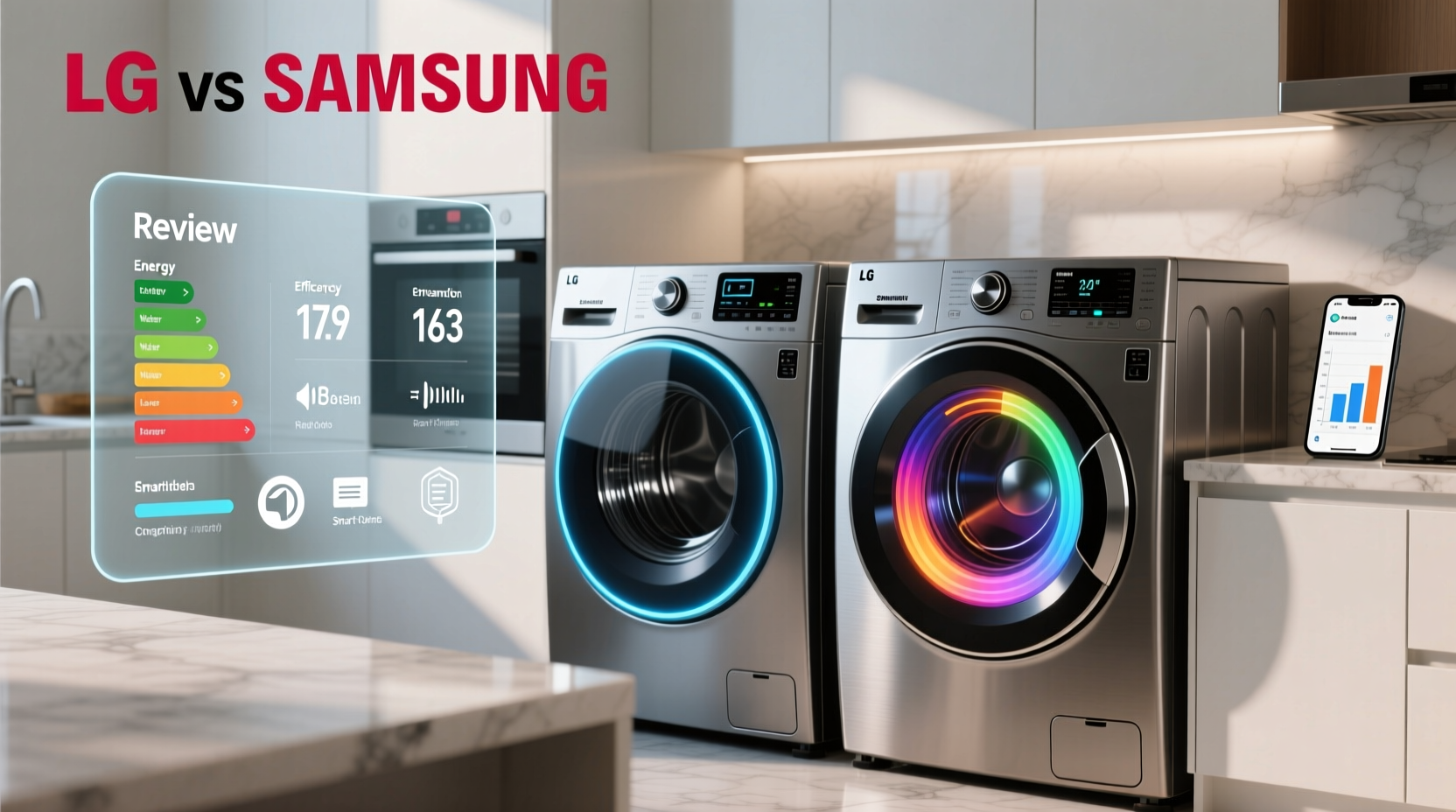
Both LG and Samsung have invested heavily in smart technology, but their approaches differ. Samsung’s washers frequently feature AI-powered wash cycles, SmartThings integration, and advanced stain-specific programs. The Ecobubble technology, for instance, dissolves detergent at low temperatures using air infusion, promising better cleaning with less energy. It also claims to reduce wear on fabrics over time.
On the other hand, LG emphasizes direct drive motor technology—a hallmark of its lineup. This eliminates the need for belts and pulleys, reducing mechanical wear and noise. LG’s TurboWash360° system uses multi-directional jets to penetrate fabrics more thoroughly, cutting wash times without sacrificing cleanliness.
“LG’s direct drive motors have demonstrated superior longevity in third-party durability tests compared to conventional belt-driven systems used by many competitors.” — Dr. Alan Zhou, Appliance Engineering Review Journal
Samsung counters with quieter operation in some models thanks to brushless motors and vibration reduction tech. However, independent lab tests suggest that while both brands operate below 50 decibels during standard cycles, LG units maintain lower noise levels under heavy loads.
Performance Comparison: Cleaning Power and Efficiency
Cleaning performance is arguably the most critical factor. In controlled tests conducted by consumer labs, both brands perform exceptionally well on standard cotton and mixed loads. However, differences emerge in specialized tasks:
- Stain Removal: Samsung edges ahead slightly on protein-based stains (like blood or sweat) due to optimized soak cycles and higher agitation in specific modes.
- Fabric Care: LG tends to be gentler on delicate materials, especially wool and silk, thanks to precise drum movement control.
- Energy and Water Use: LG leads in overall efficiency ratings, with more models qualifying for ENERGY STAR Most Efficient designation.
Side-by-Side Feature Comparison
| Feature | LG | Samsung |
|---|---|---|
| Motor Type | Direct Drive (fewer moving parts) | Brushless Motor (belt-driven in older models) |
| Noise Level (dB) | 44–48 dB (avg) | 46–50 dB (avg) |
| Smart Connectivity | ThinQ App, Wi-Fi, Voice Control | SmartThings, Bixby, Alexa, Google Assistant |
| Special Technologies | TurboWash360°, Steam Sanitize, AI Direct Drive | Ecobubble, AddWash Door, AI Wash |
| Average Repair Rate (5 years) | 12% | 17% |
| ENERGY STAR Certified Models | 85% of lineup | 65% of lineup |
Durability and Long-Term Ownership Costs
Longevity is where LG has historically held an advantage. According to data from the Yale Appliance Satisfaction Survey, LG front-load washers rank among the top three for lowest service call rates over five years. Their direct drive motors come with a 10-year warranty—an industry-leading commitment.
Samsung offers a standard 2-year limited warranty on most washers, with extended coverage available only through third parties. While newer models include improved components, some users report issues with electronic control boards and door locks after three to four years of use.
Repair costs also vary. On average, fixing a failed Samsung motor or display panel runs $250–$400, whereas LG’s modular design allows for easier servicing and often lower labor time. Independent technicians note that LG’s diagnostic tools are more accessible, enabling faster troubleshooting.
“We’ve seen fewer catastrophic failures with LG’s direct drive system. Even when repairs are needed, the parts are standardized and widely available.” — Carlos Mendez, Senior Technician at HomeFlow Service Network
Real-World Example: The Johnson Family’s Upgrade Decision
The Johnsons, a family of five in suburban Denver, recently replaced their 12-year-old Whirlpool washer. They narrowed choices to the LG WM4000HWA and Samsung WW9800T. Price was similar—around $1,100—but their priorities differed.
Maria Johnson, who manages laundry, wanted fast cycles and ease of use. She liked Samsung’s AddWash door, which lets you toss in a forgotten sock mid-cycle. However, her husband Dan prioritized quiet operation and long-term savings. After testing both in-store, they chose the LG model for its quieter spin cycle and stronger energy rating. Two years later, they report no malfunctions, reduced utility bills, and consistent cleaning results—even on muddy sports uniforms.
Their takeaway? The AddWash feature was convenient but not essential. Reliability and lower noise mattered more in daily life.
Step-by-Step Guide: Choosing Between LG and Samsung
Follow this practical sequence to determine the best fit for your household:
- Assess Your Laundry Habits: Do you run large, frequent loads? Prioritize capacity and motor durability (favoring LG).
- Evaluate Space and Installation: Front-load vs. top-load, stackable options, and water hookup compatibility.
- Compare Noise Tolerance: If the laundry room is near living areas, prioritize lower dB ratings (LG generally wins).
- Check Smart Features You’ll Actually Use: Do you want remote start, cycle notifications, or voice control? Both offer robust apps, but LG’s ThinQ integrates better with broader smart home ecosystems.
- Review Warranty and Support: Look beyond the sticker price. A longer warranty and proven service network add real value.
- Read Verified Owner Reviews: Focus on feedback after 18+ months of ownership for insights on durability.
Frequently Asked Questions
Is Samsung better than LG for smart features?
Samsung’s SmartThings platform offers deeper integration with Samsung phones and TVs, making it ideal for users already in that ecosystem. However, LG’s ThinQ works seamlessly with Amazon Alexa, Google Assistant, and Apple HomeKit, giving it broader compatibility. Neither brand clearly dominates—your existing devices should guide the choice.
Do LG washers really last longer?
Data supports this claim. LG’s direct drive motors have fewer failure points, and the 10-year warranty reflects confidence in longevity. Independent surveys show LG owners are less likely to require major repairs within the first five years compared to Samsung.
Which brand is better for small households?
For smaller loads, Samsung’s EcoBubble can be efficient, especially in cold climates where heating water is costly. However, LG’s AI Wash adapts water and cycle time intelligently, minimizing waste. Either can work well, but LG’s precision gives it a slight edge in resource conservation.
Final Verdict: Are Samsung Washers Worth the Hype?
Samsung washing machines are undeniably innovative, packed with user-friendly features like the AddWash door and AI-based cycle adjustments. For tech enthusiasts or those embedded in the Samsung ecosystem, these perks can enhance convenience. However, the \"hype\" often overshadows practical considerations like long-term reliability, repair frequency, and total cost of ownership.
While Samsung delivers strong performance, LG consistently outperforms in core metrics: motor durability, noise reduction, energy efficiency, and post-purchase support. The 10-year motor warranty alone speaks volumes about engineering confidence.
If you value cutting-edge design and occasional conveniences, Samsung may satisfy. But if you’re looking for a dependable, quiet, and efficient machine that will handle years of heavy use with minimal issues, LG is the smarter investment.
🚀 Ready to upgrade your laundry routine? Compare current LG and Samsung models based on your actual needs—not just the specs on paper. Your future self will thank you when your washer quietly performs year after year.