In the past year, a striking pattern has emerged—literally—across runways, social media feeds, and living room sofas: animal prints, particularly leopard and domestic cat motifs, are no longer niche fashion statements. They’ve become central to a broader cultural moment. From oversized leopard-print coats at Paris Fashion Week to kitten-patterned mugs on Etsy, the contrast between wild and tame feline aesthetics is everywhere. But what’s driving this sudden fixation on the feral versus the familiar? It’s not just about aesthetics—it’s about identity, nostalgia, and a subconscious desire for both power and comfort in uncertain times.
The Rise of the Wild Print in Modern Culture
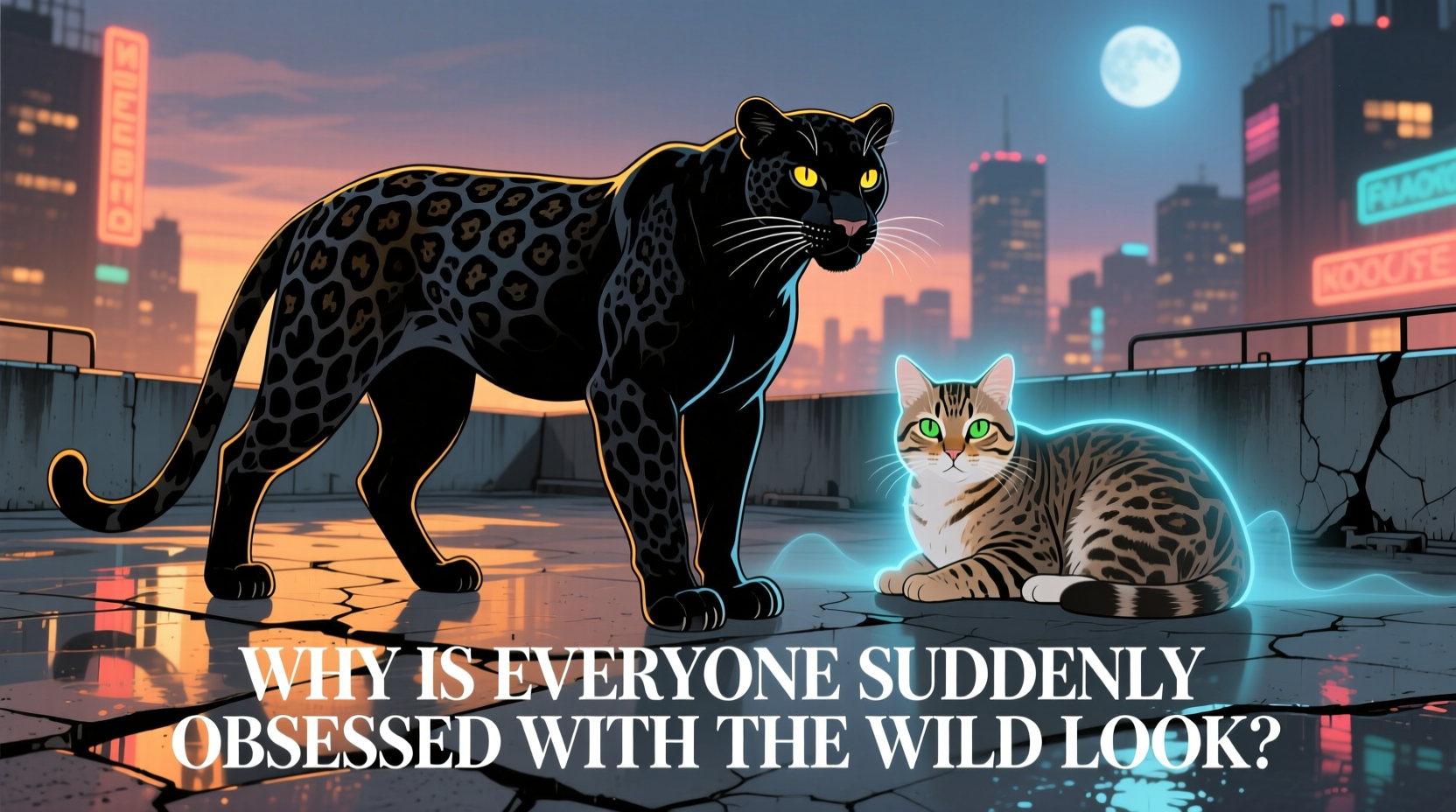
Animal prints have cycled in and out of fashion for decades. In the 1980s, leopard was synonymous with boldness and excess—a symbol of unapologetic glamour worn by icons like Grace Jones and Joan Collins. By the 2000s, it had faded into kitsch or parody. But today’s revival is different. It’s not just leopard making waves; it’s the juxtaposition of leopard (wild, fierce) against house cat imagery (soft, playful, nostalgic). This duality reflects a deeper tension in modern life: the craving for strength and autonomy balanced with the need for safety and emotional warmth.
Designers from Gucci to Zara have leaned into this theme, pairing faux-leopard blazers with cartoonish cat-embroidered sweaters. The message is clear: we want to be seen as powerful, yet still approachable. As urban lifestyles grow more isolating, pets—especially cats—have become emotional anchors. At the same time, economic instability and social unrest fuel a desire for assertiveness. The leopard represents that inner roar; the house cat, the purr of comfort.
Tip: When mixing wild and domestic cat prints, anchor the look with neutral tones like beige, cream, or charcoal to avoid visual overload.Psychology Behind the Obsession: Power, Nostalgia, and Identity
The appeal of leopard print goes beyond surface-level trendiness. Psychologically, bold patterns like leopard activate perceptions of confidence and dominance. A 2022 study published in the *Journal of Consumer Psychology* found that individuals wearing animal prints were perceived as more assertive and socially dominant—even when personality traits didn’t align. This “armor effect” makes leopard an ideal choice for those navigating competitive environments, whether in corporate offices or online spaces.
On the flip side, house cat imagery taps into deep-seated nostalgia. Social media platforms like TikTok and Instagram are flooded with posts tagged #cathoarding or #catmomlife, where users share collections of cat-themed items—from socks to stationery. These objects evoke childhood memories, pet companionship, and emotional security. In a world where loneliness rates are rising, especially among young adults, cute cat prints offer a low-stakes way to express affection and vulnerability.
“Fashion is always a reflection of the psyche of its time. Right now, we’re torn between wanting to conquer the jungle and curl up on the couch.” — Dr. Lena Torres, Cultural Anthropologist, NYU
From Runway to Retail: How Brands Are Capitalizing on the Trend
Major fashion houses and fast-fashion retailers alike have pivoted hard into feline territory. Prada’s Fall 2023 collection featured sleek leopard-print trench coats paired with minimalist silhouettes, emphasizing sophistication over flamboyance. Meanwhile, Urban Outfitters launched a “Kitty & Jungle” capsule line blending plush cat-faced beanies with wild-print scarves—marketing them as “for the girl who rules her world, one nap at a time.”
This dual branding strategy—selling both ferocity and fluff—resonates across demographics. Gen Z consumers respond to the irony and self-awareness of wearing a sweater that says “I’m a predator” in cursive above a sleeping kitten. Millennials, many of whom are first-time pet owners post-pandemic, embrace the sentimental value. Even home decor brands like Society6 and Amazon Home report triple-digit growth in sales of leopard-print rugs and cat-motif throw pillows.
Leopard vs House Cat Print: Key Differences in Style and Symbolism
| Feature | Leopard Print | House Cat Print |
|---|---|---|
| Symbolism | Power, confidence, danger | Comfort, playfulness, affection |
| Color Palette | Brown, gold, black, rust | Pastels, white, gray, soft orange |
| Common Uses | Outerwear, heels, handbags | Socks, pajamas, mugs, phone cases |
| Style Vibe | Glamorous, edgy, bold | Cute, cozy, ironic |
| Target Audience | Fashion-forward adults, professionals | Young adults, pet lovers, internet culture fans |
How to Wear (or Decorate With) the Trend Without Overdoing It
While the wild look is having a moment, balance is key. Wearing head-to-toe leopard can feel costume-like unless styled with precision. Similarly, an entire room filled with cat motifs risks veering into kitsch. The goal is intentional contrast—not chaos.
- Start small. Try a leopard scarf or cat-print tote bag before committing to a full outfit.
- Mix textures. Pair a silky leopard blouse with denim or a fuzzy kitten sweater with leather pants.
- Use neutrals as buffers. Cream, black, or olive green help ground busy patterns.
- Play with irony. A tailored blazer with a subtle cat embroidery adds whimsy without undermining professionalism.
- Layer symbolism. Combine a leopard-print shoe with a purse that says “I’m not lazy, I’m in energy-saving mode” for a layered statement.
Real-World Example: Maya’s Style Evolution
Maya, a 29-year-old graphic designer in Portland, noticed she was dressing more conservatively after returning to office work post-pandemic. She felt invisible in her sea of black blazers. Then she bought a vintage-inspired leopard-print midi skirt on a whim. “It felt ridiculous at first,” she admits. “But the first day I wore it, three coworkers complimented me, and I felt ten feet tall.”
She started experimenting—adding cat-ear headphones for Zoom calls, then a mug with a grumpy tabby face that read “This meeting could’ve been an email.” Her desk became a micro-exhibition of the wild/tame divide. “It’s like I’m saying, ‘Yes, I can lead a pitch deck, but also, I once cried because my cat sneezed.’ It feels honest.”
Your Wild Look Styling Checklist
- ☐ Choose one dominant print per outfit (leopard or cat, not both—unless intentionally clashing)
- ☐ Anchor bold prints with simple cuts and neutral basics
- ☐ Use accessories to test the trend (scarves, shoes, bags)
- ☐ Consider the context—leopard works in creative fields; cat prints shine in casual or digital spaces
- ☐ Embrace humor—ironic cat slogans soften bold patterns and make them relatable
Frequently Asked Questions
Is leopard print still considered tacky?
Not anymore. When styled thoughtfully—paired with clean lines and minimal accessories—leopard is seen as chic and confident. The key is intentionality. Avoid shiny synthetic fabrics and overly loud combinations.
Can men wear animal or cat prints too?
Absolutely. Men’s fashion has embraced the trend through subtler applications: leopard-print loafers, cat-embroidered pocket squares, or graphic tees with stylized feline art. The growing movement toward gender-fluid fashion has made these prints more accessible across identities.
How long will this trend last?
While peak popularity may plateau in 2025, elements will linger. Leopard is a classic pattern that reemerges every decade. Cat motifs may evolve into broader “pet-core” aesthetics, including dogs or birds, but the emotional appeal of pets in design is likely here to stay.
Embrace the Duality: Why the Wild Look Matters Now
The surge in leopard and house cat prints isn’t just a passing fad. It’s a cultural barometer. We live in a time of contradiction—needing to appear strong while feeling fragile, seeking independence while craving connection. The wild look allows us to hold both truths at once. It’s armor and blanket, roar and purr, jungle and hearth.
Whether you're drawn to the fierce elegance of a leopard coat or the cozy absurdity of a “I love my cat more than people” hoodie, you’re participating in a larger conversation about how we present ourselves in a complex world. Fashion, at its best, doesn’t just dress the body—it expresses the soul.
🚀 Ready to try the wild look? Start with one piece that speaks to your inner leopard—or your inner cat lover. Share your favorite feline-inspired outfit or decor item in the comments and inspire others to embrace their duality.








