Intermittent fasting has surged in popularity as a weight management and metabolic health strategy among adults. However, when it comes to adolescents, the conversation becomes far more complex. Teenagers are undergoing rapid physical, hormonal, and cognitive development—processes that depend heavily on consistent nutrient intake. While some may view intermittent fasting as a shortcut to fitness goals, experts warn that its risks for teens often outweigh potential benefits. This article examines the physiological needs of adolescents, evaluates the safety of intermittent fasting, and offers science-backed guidance for healthy eating patterns during this critical life stage.
Understanding Adolescent Nutritional Needs
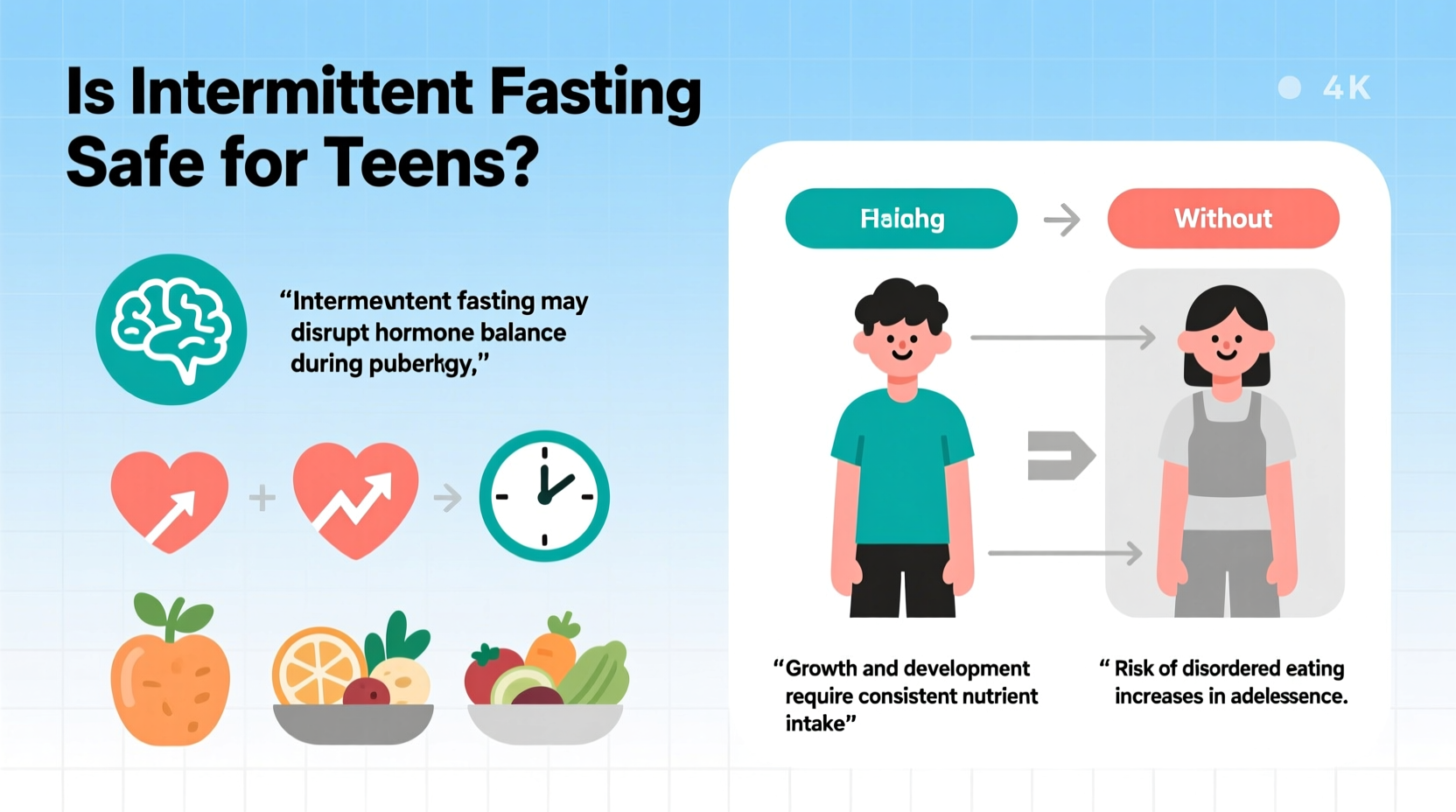
Adolescence is one of the most metabolically active periods in human development. Between the ages of 13 and 19, individuals experience dramatic growth spurts, brain maturation, hormonal shifts, and increased energy demands. On average, teenage boys require between 2,000 and 3,200 calories daily, while girls need about 1,800 to 2,400, depending on activity level and growth phase.
These caloric needs aren’t just about quantity—they’re also about timing and nutrient quality. Regular meals and snacks help maintain stable blood sugar, support concentration in school, fuel athletic performance, and ensure adequate intake of essential nutrients like calcium, iron, vitamin D, and protein. Skipping meals or restricting eating windows can disrupt these processes, leading to fatigue, poor academic performance, and long-term deficiencies.
“During adolescence, every meal plays a role in building bone density, supporting brain development, and regulating mood. Fasting can interfere with these foundational processes.” — Dr. Lena Patel, Pediatric Nutrition Specialist at Children’s Health Institute
Potential Risks of Intermittent Fasting for Teens
While intermittent fasting protocols such as 16:8 (16 hours fasting, 8-hour eating window) or 5:2 (five days normal eating, two restricted days) are widely promoted online, they were primarily studied in adult populations. Applying them to teenagers introduces several health concerns:
- Disrupted Growth Patterns: Insufficient calorie and protein intake during fasting periods may impair linear growth and muscle development.
- Hormonal Imbalances: In girls, irregular eating can lead to menstrual irregularities or amenorrhea due to low energy availability—a condition known as Female Athlete Triad.
- Cognitive Impairment: The adolescent brain consumes up to 20% more energy than an adult brain. Skipping breakfast or lunch can reduce attention span, memory retention, and learning capacity.
- Nutrient Deficiencies: Compressing food intake into narrow windows often leads to inadequate consumption of vitamins and minerals crucial for bone health, immunity, and neural function.
- Risk of Disordered Eating: Studies show that dieting behaviors in teens correlate strongly with the later development of eating disorders. Intermittent fasting may normalize food restriction and trigger obsessive patterns.
When Might Fasting Arise Naturally in Teens?
It's important to distinguish voluntary dietary fasting from occasional missed meals. Many teens skip breakfast due to time constraints or lack of appetite in the morning. Others may fast temporarily for religious reasons—such as during Ramadan—or due to illness. These short-term fasts differ significantly from structured, repeated fasting regimens.
In religious contexts, for example, Muslim adolescents often fast from dawn to sunset during Ramadan. Research indicates that while most healthy teens tolerate this well under family supervision, those with pre-existing conditions like diabetes or eating disorders should avoid prolonged fasting without medical clearance.
The key distinction lies in intent and consistency. Occasional fasting is not inherently harmful if balanced with nutritious meals outside the fast. But adopting intermittent fasting as a lifestyle choice—especially for weight control—raises red flags among pediatricians.
Expert Recommendations and Alternatives
Major health organizations, including the American Academy of Pediatrics and the Academy of Nutrition and Dietetics, do not endorse intermittent fasting for children and adolescents. Instead, they advocate for balanced, sustainable eating habits that support lifelong wellness.
A better approach focuses on improving diet quality rather than restricting timing. Encouraging whole grains, lean proteins, fruits, vegetables, and healthy fats provides lasting energy and supports hormonal balance. Teaching mindful eating—paying attention to hunger cues, avoiding emotional eating, and reducing processed foods—is far more beneficial than implementing rigid fasting schedules.
| Approach | Suitable for Teens? | Key Considerations |
|---|---|---|
| Intermittent Fasting (e.g., 16:8) | No – Not recommended | May impair growth, increase disordered eating risk |
| Regular Balanced Meals + Snacks | Yes – Recommended | Supports brain function, physical growth, mood stability |
| Religious Fasting (e.g., Ramadan) | Conditionally acceptable | Requires hydration, nutrient-dense meals, medical oversight if needed |
| Calorie Restriction for Weight Loss | No – With caution | Should only occur under healthcare provider guidance |
Healthy Eating Framework for Adolescents
Rather than focusing on when to eat, teens should be guided toward what and how to eat. A practical framework includes:
- Eating every 3–4 hours to maintain energy and focus.
- Including protein and fiber at each meal to promote satiety.
- Drinking water consistently throughout the day.
- Limits on sugary drinks and ultra-processed snacks.
- Family meals whenever possible to model healthy behaviors.
Mini Case Study: The Impact of Fasting on Academic Performance
Jamal, a 16-year-old high school junior, began following a 16:8 intermittent fasting routine after seeing influencers promote it online. He skipped breakfast and didn’t eat until noon, believing it would help him lose belly fat. Within two weeks, his teachers noticed he was frequently drowsy during first-period math class and struggled to complete timed quizzes.
His school nurse conducted a wellness check and found his blood glucose levels were low in the morning. After meeting with a pediatric dietitian, Jamal learned that his brain needed steady fuel to perform optimally. He resumed eating a light breakfast—oatmeal with banana and peanut butter—and saw immediate improvements in alertness and test scores. His weight stabilized, but more importantly, his energy and confidence improved.
This case illustrates how well-intentioned dietary choices can backfire when not aligned with developmental needs. For teens like Jamal, consistency trumps trends.
Step-by-Step Guide to Supporting Healthy Habits in Teens
If you're a parent, educator, or healthcare provider guiding a teenager interested in fasting, follow this responsible approach:
- Listen First: Ask why the teen wants to try fasting. Is it for weight loss, peer influence, or perceived health benefits?
- Educate Gently: Explain how their body is still growing and why regular fueling matters for long-term health.
- Offer Alternatives: Suggest replacing soda with water, adding vegetables to meals, or walking daily instead of restricting food.
- Involve a Professional: Refer to a registered dietitian specializing in pediatric nutrition for personalized advice.
- Monitor Changes: Watch for signs of excessive weight loss, fatigue, irritability, or obsession with food.
- Promote Body Positivity: Emphasize strength, energy, and health over appearance.
Frequently Asked Questions
Can intermittent fasting stunt a teenager’s growth?
While there is no direct evidence that intermittent fasting alone stunts growth, chronic under-eating or nutrient deficiency—which can result from fasting—may impair growth hormone activity and delay puberty. Adequate protein, zinc, calcium, and overall caloric intake are essential for reaching genetic height potential.
Are there any safe forms of fasting for teens?
Short-term or culturally significant fasts (like daylight fasting during Ramadan) are generally safe for healthy teens when followed by nutritious meals and proper hydration. However, repetitive or long-duration fasting for weight control is not considered safe or necessary.
What should I do if my teen insists on trying intermittent fasting?
Open a dialogue without judgment. Seek input from a pediatrician or dietitian to provide credible information. Frame food as fuel for growth, sports, academics, and emotional well-being—not just aesthetics. If fixation on fasting persists, consider evaluating for underlying body image concerns.
Conclusion: Prioritizing Development Over Trends
Intermittent fasting may offer benefits for some adults, but it is not appropriate for most teenagers. The adolescent years demand reliable nutrition to build strong bodies, resilient minds, and healthy relationships with food. Encouraging restrictive eating patterns—even under the guise of “wellness”—can have unintended consequences that extend far beyond the teenage years.
Instead of chasing viral diet trends, focus on fostering sustainable habits: balanced meals, regular movement, quality sleep, and positive self-image. These foundations support not only current health but lifelong well-being. When teens feel strong, energized, and confident, they’re far more likely to make choices that honor their bodies naturally.
💬 Have a story or question about teen nutrition? Share your thoughts below—let’s create a supportive conversation around raising healthy, informed young adults.








