For pet owners, especially those with dogs or cats that shed heavily, managing fur-covered floors can feel like a never-ending chore. No matter how often you sweep or vacuum, clumps of hair reappear within hours. Traditional cleaning methods demand time, effort, and consistency—resources many busy households lack. Enter the robot vacuum: a hands-free solution promising to keep floors clean with minimal human intervention. But is it truly effective—and worth the investment—for homes overwhelmed by pet hair?
The answer isn’t a simple yes or no. While robot vacuums have evolved significantly in recent years, their performance depends on model quality, home layout, flooring type, and pet behavior. For heavy-shedding pets like Huskies, Golden Retrievers, Maine Coons, or German Shepherds, the right robot vacuum can be transformative. The wrong one may leave you frustrated and questioning your purchase.
Why Pet Hair Is a Unique Cleaning Challenge
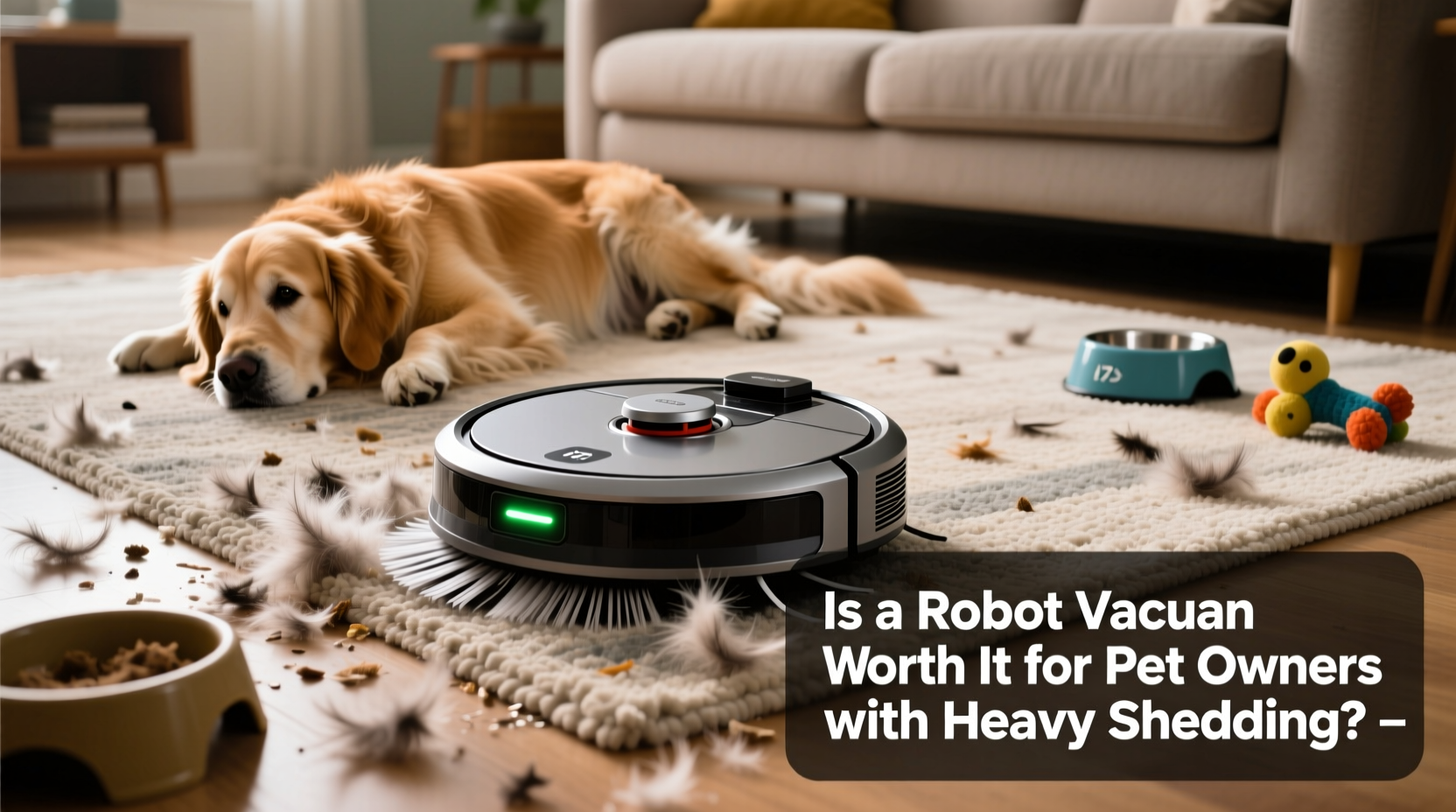
Pet hair behaves differently than typical household dust. It’s static-prone, clingy, and tends to tangle around brushes and crevices. Long strands wrap around roller brushes, clog filters, and get trapped in wheels, reducing suction efficiency over time. Unlike fine debris, which a basic vacuum can easily suck up, pet hair requires strong suction, specialized brush rolls, and frequent maintenance to manage effectively.
Additionally, pet dander, tracked-in dirt from paws, and occasional accidents contribute to floor contamination. A robot vacuum must not only handle visible fur but also maintain overall cleanliness to support a healthy indoor environment—especially important for allergy sufferers.
“Pet owners face a higher frequency and volume of floor debris. Robot vacuums designed for high-pile carpets and tangle-free brushes are essential for long-term success.” — Dr. Lisa Tran, Home Robotics Researcher at MIT Media Lab
Key Features That Make a Robot Vacuum Effective for Pet Hair
Not all robot vacuums are created equal. When shopping for a model suited to heavy shedding, focus on these critical features:
- High Suction Power (2000+ Pa): Look for models rated above 2000 pascals. Higher suction ensures embedded hair in carpets and corners is lifted efficiently.
- Tangle-Free Brush Roll: Rubberized or dual-brush systems prevent hair from wrapping around the roller. Brands like iRobot, Roborock, and Ecovacs use silicone extractors that resist tangling.
- Strong Filtration (HEPA Recommended): HEPA filters capture 99.97% of particles as small as 0.3 microns, including dander and allergens—crucial for homes with asthma or allergy concerns.
- Battery Life & Coverage: Larger homes require longer runtimes (at least 120 minutes) and smart navigation to ensure full coverage without mid-cycle recharging.
- Self-Emptying Base: High-end models include a Clean Base that automatically empties the dustbin into a sealed bag lasting up to 60 days. This drastically reduces contact with pet hair and dust.
- Smart Mapping & Room Targeting: LIDAR or camera-based navigation allows the robot to learn your floor plan and target high-traffic areas like living rooms or pet sleeping zones more frequently.
Real-World Performance: A Mini Case Study
Sarah Thompson, a dog owner in Portland, Oregon, adopted a Siberian Husky named Luna. Within weeks, her apartment was blanketed in thick layers of fur. She tried weekly vacuuming with a corded upright, but missed spots and inconsistent scheduling left floors perpetually dusty.
She invested in a Roborock S8 Pro Ultra with a self-emptying station and rubber brush roll. After setup, she scheduled two daily cleanings: one in the morning and another after work when Luna was most active. Within a week, visible fur accumulation dropped by over 70%. The robot navigated under furniture, handled area rugs, and returned to its dock autonomously.
“I used to spend 20 minutes every other day vacuuming,” Sarah said. “Now I barely think about it. The robot handles 90% of the mess, and I only do spot checks. It’s been a game-changer.”
However, Sarah did note one limitation: the robot occasionally got stuck on loose cords or large clumps of wet fur after baths. Regular maintenance—emptying the bin weekly and cleaning the filter—was necessary to sustain peak performance.
Comparison: Top Robot Vacuums for Pet Owners
| Model | Suction Power | Brush Type | HEPA Filter | Self-Emptying | Price Range |
|---|---|---|---|---|---|
| Roborock S8 Pro Ultra | 6000 Pa | Rubber Extractor | Yes | Yes | $1,100 |
| iRobot Roomba j9+ | 40x Dirt Detect | Anti-Tangle Dual Rubber | Yes | Yes | $1,000 |
| EcoVacs Deebot T20 Omni | 6000 Pa | Silicone Turbo Brush | Yes | Yes | $900 |
| Shark AI Ultra | 2500 Pa | Anti-Hair Wrap | No (Standard) | Yes | $600 |
| Xiaomi Robot Vacuum-Mop P | 2700 Pa | Rubber + Bristle | Yes | No | $400 |
This comparison highlights a trend: premium models offer superior suction, advanced navigation, and self-maintenance features crucial for pet-heavy homes. Budget models may save money upfront but often lack the durability and efficiency needed for long-term use with shedding pets.
Practical Tips for Maximizing Your Robot Vacuum’s Effectiveness
Even the best robot vacuum won’t perform well without proper setup and maintenance. Follow this checklist to optimize results:
Checklist: Getting the Most From Your Robot Vacuum- Clear clutter and secure loose cables before runs
- Set virtual boundaries to block off pet bowls or delicate furniture
- Schedule cleanings during low-activity times to avoid interference
- Clean the brush roll weekly to remove wrapped hair
- Wash or replace filters every 1–2 months
- Empty the dustbin or check the self-empty station monthly
- Use carpet boost mode on rugs and high-pile areas
- Update firmware regularly for performance improvements
Additionally, consider pairing your robot vacuum with regular grooming. Brushing your pet outdoors several times a week can reduce indoor shedding by up to 50%, according to the American Kennel Club. Less hair on the floor means less strain on your device and better air quality overall.
When a Robot Vacuum Might Not Be Worth It
Despite their advantages, robot vacuums aren’t ideal for every pet-owning household. Consider these limitations:
- Multi-Level Homes Without Docks on Each Floor: Most robots can’t climb stairs. If your pet sheds heavily upstairs, you’ll need multiple units or manual transport.
- Small or Jittery Pets: Some animals are frightened by the noise and movement of robot vacuums, leading to stress or erratic behavior.
- Large Messes or Accidents: Robots handle routine debris well but can’t clean up vomit, urine, or spilled food. These still require immediate manual attention.
- High-Pile Carpets or Thick Rugs: Even powerful models struggle on very plush surfaces unless specifically designed for them.
- Budget Constraints: Effective models start around $600; cheaper options often disappoint in pet homes.
If your pet has medical conditions causing excessive shedding (such as allergies or skin infections), addressing the root cause with a vet may yield better long-term results than relying solely on cleaning tech.
Frequently Asked Questions
Can a robot vacuum completely replace my traditional vacuum?
For most pet owners, a robot vacuum can handle 80–90% of daily cleaning, especially when scheduled regularly. However, deep carpet cleaning, edge detailing, and handling large spills still require a traditional vacuum. Think of the robot as a maintenance tool, not a full replacement.
Do robot vacuums scare pets?
Some pets are initially startled by the sound and motion, but most adapt within a few days. Start with short, supervised runs and reward calm behavior. Avoid running the robot during feeding or sleep times to minimize disruption.
How often should I maintain my robot vacuum in a home with heavy shedding?
Inspect and clean the brush roll weekly. Rinse the filter every two weeks and let it dry completely before reuse. Empty the dustbin after every few cycles if you don’t have a self-emptying base. Check wheels and sensors monthly for hair or debris buildup.
Step-by-Step Guide to Implementing a Robot Vacuum Routine
Adopting a robot vacuum successfully involves more than unboxing and pressing “Start.” Follow this timeline for optimal integration:
- Week 1 – Setup & Mapping: Charge the robot, install the app, and place the dock in a central location with at least 3 feet of clearance. Run the initial mapping cycle. Let the robot learn your floor plan.
- Week 2 – Define Zones & Schedule: Use the app to set no-go zones around pet beds or fragile items. Create a cleaning schedule—start with once daily in high-traffic areas.
- Week 3 – Monitor & Adjust: Observe performance. Does it miss spots? Get stuck? Adjust boundaries or add physical barriers if needed. Enable carpet detection and boost modes.
- Month 2 Onward – Optimize & Maintain: Increase frequency to twice daily if shedding is extreme. Begin weekly maintenance routine. Consider enabling auto-emptying if available.
- Ongoing – Review Monthly: Check for software updates, assess cleaning logs, and evaluate whether the robot meets your needs. Replace worn parts as recommended.
This phased approach prevents overwhelm and ensures the robot integrates smoothly into your household rhythm.
Conclusion: Is It Worth the Investment?
For pet owners grappling with relentless shedding, a high-quality robot vacuum is more than a convenience—it’s a long-term solution that enhances cleanliness, saves time, and reduces allergens. Models with strong suction, tangle-free brushes, and self-emptying capabilities deliver consistent results with minimal effort. While the upfront cost is significant, the daily time savings and improved living environment often justify the expense.
The key is choosing the right model for your specific needs and committing to basic maintenance. When paired with regular pet grooming and smart home habits, a robot vacuum becomes an indispensable ally in the ongoing battle against pet hair.
🚀 Ready to reclaim your floors? Evaluate your home’s layout, pet’s shedding level, and budget. Then invest in a robot vacuum built for pet owners—you might wonder how you ever lived without it.