For pet owners, keeping floors clean is a constant battle. Whether it’s dog hair clinging to baseboards, cat litter scattered across the kitchen tile, or muddy paw prints after a rainy walk, the mess accumulates fast. Enter the robot vacuum—a sleek, autonomous device promising effortless cleaning with minimal human effort. But is it truly worth investing in one if you share your home with pets, or is it just another piece of overhyped tech?
The answer isn’t a simple yes or no. Robot vacuums can be game-changers for pet owners, but only under the right conditions. Their effectiveness depends on your pet type, flooring, shedding level, and expectations. This article dives deep into how robot vacuums perform in real pet-friendly homes, what features matter most, and whether they deliver long-term value beyond the novelty.
How Robot Vacuums Handle Pet Hair and Litter
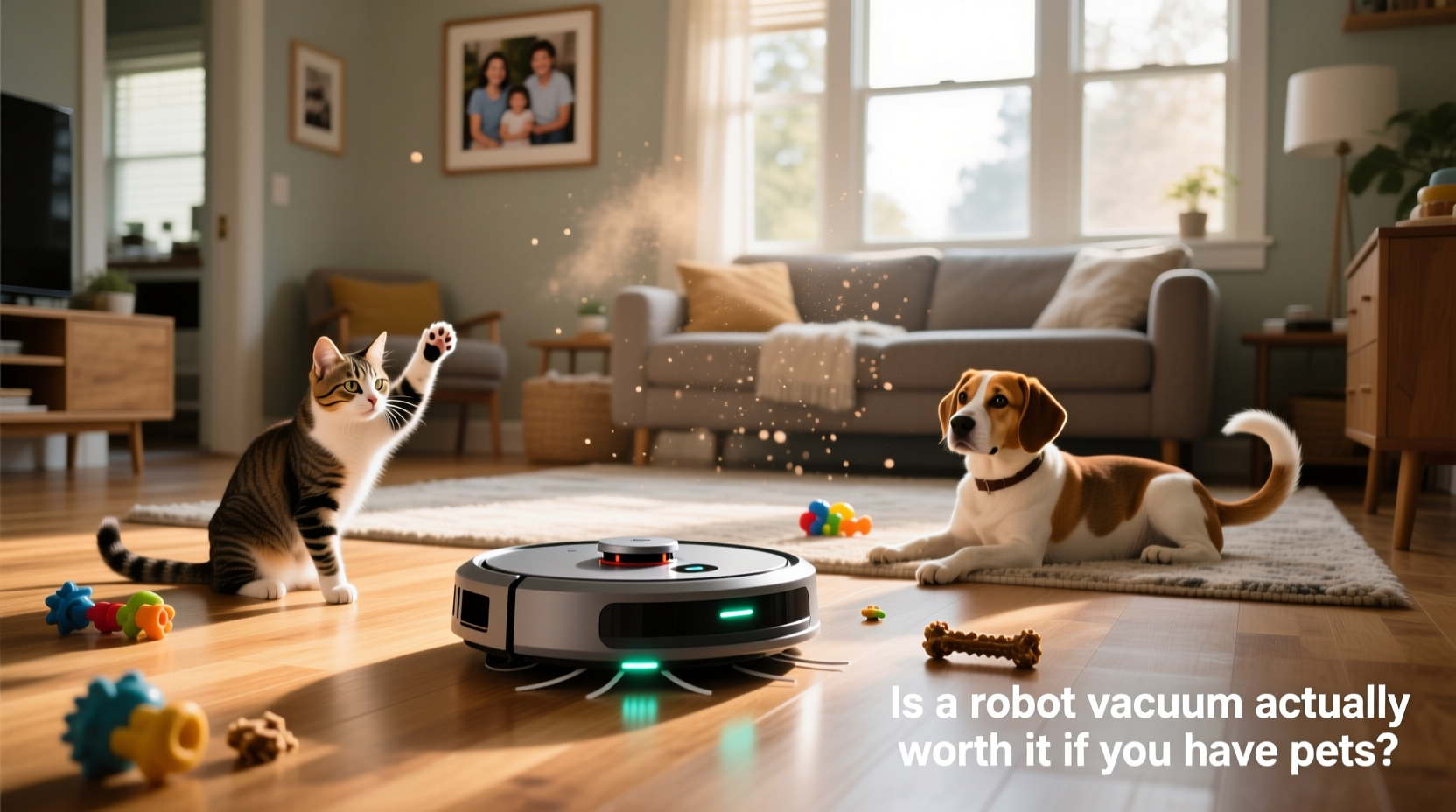
Pet hair—especially from long-haired dogs or cats—is one of the most persistent household challenges. Traditional vacuums often struggle with tangles, but modern robot vacuums are engineered specifically to tackle this issue. High-torque rollers, anti-tangle brush designs, and powerful suction help extract fur from carpets and hard floors alike.
Many models now feature rubberized extractors instead of bristle brushes. These are less likely to wrap hair around the roller, reducing maintenance and improving longevity. For example, brands like iRobot (Roomba), Roborock, and Ecovacs have shifted toward dual rubber brushes that flex and shed hair more easily during self-cleaning cycles.
As for cat litter, robot vacuums excel on hard surfaces such as tile, laminate, and hardwood. They efficiently pick up fine granules before they’re tracked across the house. However, clumping litter can pose problems if it sticks to wheels or gets lodged in sensors. Some users report issues with lightweight silica gel litter becoming airborne in the dustbin due to strong suction.
Tip: Empty the dustbin daily if you have heavy-shedding pets to prevent odor buildup and maintain suction power.Key Features That Matter for Pet Owners
Not all robot vacuums are created equal—especially when pets are involved. Here are the features that genuinely impact performance in homes with animals:
- High Suction Power (2000Pa+): Look for models rated at 2000 pascals or higher. This ensures effective pickup of embedded pet hair and fine debris.
- Tangle-Free Brush Rolls: Rubber extractors outperform traditional bristle brushes when dealing with long fur.
- Self-Emptying Dustbins: A must-have for busy pet owners. Bins that auto-empty into a sealed bag reduce contact with allergens and extend cleaning intervals to weeks.
- Advanced Navigation & Mapping: Lidar or camera-based mapping helps robots avoid pet toys, food bowls, and accidents. Smart zone avoidance lets you block off areas where pets eat or sleep.
- Allergen Filtration (HEPA): Essential for allergy sufferers. HEPA filters trap dander, dust mites, and microscopic particles stirred up during cleaning.
- Durability & Obstacle Detection: Pets move things around. Good sensors prevent collisions and reduce the risk of getting stuck.
“Pet owners benefit most from robot vacuums with strong suction, smart navigation, and self-emptying bases. It’s not about replacing deep cleaning—it’s about managing daily messes between manual sessions.” — Dr. Lena Patel, Home Automation Researcher at TechLiving Labs
Real-World Performance: A Mini Case Study
Sarah Thompson, a dog owner in Denver, adopted a Siberian Husky named Koda two years ago. Within weeks, her beige carpet was coated in thick layers of silver-gray fur. She tried several upright vacuums, but none kept up with the daily shedding.
She invested in a mid-tier robot vacuum with a self-emptying base and rubber rollers. After setting up scheduled cleanings twice daily in high-traffic zones, she noticed a dramatic reduction in visible hair within a week. The robot ran automatically while she worked, and she only manually vacuumed once every two weeks.
However, challenges arose. Koda once knocked over his water bowl, and the robot drove through the puddle, spreading moisture and leaving streaks. Sarah had to enable “no-go zones” in the app to block the kitchen during feeding times. She also found that the robot occasionally missed corners where fur piled up, requiring occasional spot cleaning.
Despite these hiccups, Sarah says the robot has saved her hours each week. “It doesn’t replace everything, but it handles 70% of the mess. That’s worth every penny,” she says.
What Robot Vacuums Can’t Do (And Common Misconceptions)
While robot vacuums offer convenience, they aren’t magic. Understanding their limitations prevents disappointment and misuse.
They cannot deep-clean carpets like a steam or upright vacuum. They lack the scrubbing action needed to remove ground-in stains or deeply embedded dander. Similarly, they won’t pick up large debris like kibble, shredded paper, or pet waste. Attempting to vacuum wet spills can damage motors and void warranties.
Another misconception is full autonomy. Most robots require regular maintenance: cleaning brushes, emptying bins (unless self-emptying), wiping sensors, and checking wheels for tangled hair. Neglecting this leads to reduced efficiency and breakdowns.
Additionally, multi-level homes present a challenge. Robots can’t climb stairs, so you’ll need one per floor or manually relocate the unit—a hassle for some.
| Task | Can Robot Vacuum Handle It? | Notes |
|---|---|---|
| Daily pet hair pickup | ✅ Yes | Best on hard floors and low-pile rugs |
| Cleaning up vomit or urine | ❌ No | Wet messes damage electronics; use absorbent towels first |
| Removing odors | ⚠️ Partially | Filtration helps, but doesn’t eliminate smells at source |
| Deep carpet cleaning | ❌ No | Requires manual shampooing or steam cleaning |
| Avoiding pet obstacles | ✅ With AI models | Newer models detect toys, leashes, and bowls |
Step-by-Step Guide to Choosing the Right Robot Vacuum for Pets
Selecting the best robot vacuum for your pet-filled home involves more than just reading reviews. Follow this practical sequence to make an informed decision:
- Assess Your Flooring and Layout: Measure room sizes, note staircases, and identify high-shedding zones. Homes with mostly hard floors favor any model; carpet-heavy spaces need stronger suction.
- Evaluate Pet Type and Shedding Level: Long-haired dogs or multiple pets generate more debris. Prioritize high-capacity bins and tangle-free brushes.
- Determine Budget and Must-Have Features: Entry-level models start around $250 but lack smart navigation. Mid-range ($400–$700) offers mapping, app control, and better suction. Premium models include self-emptying, mopping, and AI obstacle recognition.
- Read Verified Owner Reviews: Focus on feedback from other pet owners. Look for comments about hair缠绕 (tangling), noise levels, and reliability over time.
- Check Maintenance Requirements: How often do brushes need cleaning? Is the filter washable? Can you easily replace parts?
- Test Return Policy: Buy from retailers with at least a 30-day return window. Real-world testing in your environment is crucial.
Cost vs. Value: Is It Really Worth the Investment?
The average robot vacuum costs between $300 and $800, with self-emptying models reaching $1,000. At first glance, this seems steep for a device that cleans floors. But when evaluated over time, the value becomes clearer.
Consider the time saved. If you vacuum three times a week for 20 minutes each session, that’s 52 hours annually. At even a modest time value of $15/hour, you’re “earning back” nearly $800 per year in personal time. While not literal income, that reclaimed time can go toward family, rest, or hobbies.
There’s also the hygiene factor. Regular automated cleaning reduces allergens in the air, which benefits both humans and pets with respiratory sensitivities. For asthmatic family members or pets with skin allergies, consistent dust and dander removal can improve quality of life.
Plus, many models integrate with smart home systems. You can trigger cleanings via voice command or schedule them around pet walks and feeding times, creating a seamless routine.
That said, the investment only pays off if the robot fits your lifestyle. If you live in a small apartment with a short-haired cat, a basic model may suffice. But for larger homes with shedding breeds, a premium robot vacuum delivers measurable returns in cleanliness and convenience.
FAQ
Can a robot vacuum damage my pet?
No, modern robot vacuums are designed with safety in mind. They slow down upon contact, have bump sensors, and emit low noise. Most pets adapt quickly, often ignoring the robot entirely. However, very small or anxious animals may need gradual introduction.
Do robot vacuums scare pets?
Some pets are initially startled by the sound and movement. Giving treats during operation helps create positive associations. Many owners report their pets eventually nap near or even on top of stationary robots.
How often should I maintain my robot vacuum with pets?
Weekly maintenance is ideal: clean brushes, wipe sensors, and check wheels. Empty the bin every 1–3 days depending on shedding. Replace filters every 6–12 months for optimal performance.
Final Verdict: Hype or Help?
The robot vacuum is not a fad for pet owners—it’s a functional tool that, when chosen wisely, delivers real benefits. It won’t replace deep cleaning or handle accidents, but it excels at managing the relentless cycle of daily messes that come with pet ownership.
The key is aligning expectations with reality. Think of it as a diligent helper, not a miracle worker. It runs quietly in the background, maintaining baseline cleanliness so you don’t have to. For people with busy schedules, mobility issues, or simply a desire to spend less time cleaning, that’s invaluable.
If you have pets, especially heavy shedders, a well-equipped robot vacuum is absolutely worth considering. Focus on models built for durability, ease of maintenance, and smart navigation. Avoid the cheapest options—they often fail under the demands of pet hair and clutter.
🚀 Ready to reclaim your floors and your time? Start researching robot vacuums with tangle-free brushes, strong suction, and self-emptying bases today. Your future self—and your pet—will thank you.








