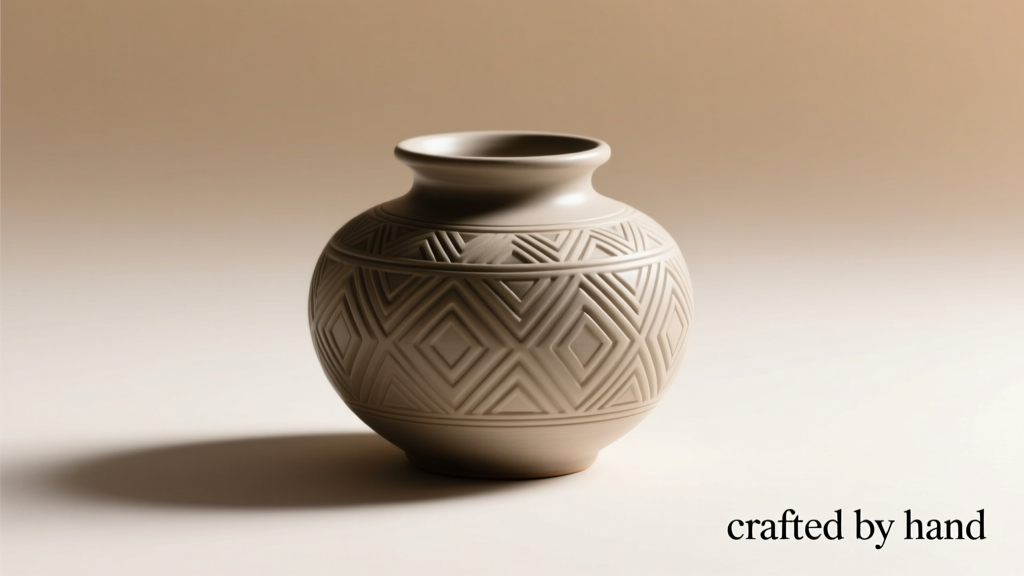
Types of Individual Pencil Holders
An individual pencil holder is more than just a simple container—it's a functional and often stylish tool designed to organize writing instruments and boost productivity. Whether used in homes, offices, classrooms, or creative studios, these holders help keep desks clutter-free while ensuring quick access to essential tools. Available in a wide variety of styles, materials, and mechanisms, pencil holders cater to different organizational needs, aesthetic preferences, and spatial constraints.
Below is a detailed breakdown of the most common types of individual pencil holders, each offering unique benefits and ideal use cases.
Cup Holders
A timeless and minimalist design, cup holders are cylindrical containers that store pens, pencils, brushes, and other tools in an upright position for easy access.
Advantages
- Simple and intuitive design
- High capacity for multiple writing tools
- Available in diverse materials (plastic, wood, metal, ceramic, glass)
- Ideal for shared spaces like offices and classrooms
Limitations
- Limited internal organization
- May tip over if not weighted properly
- Can become cluttered without dividers
Best for: General office use, art stations, student desks
Rotating Holders
These multi-compartment organizers feature a rotating base that allows users to spin through different sections dedicated to specific tools like pens, pencils, markers, or highlighters.
Advantages
- 360° access to all compartments
- Excellent for categorizing tools
- Space-efficient and functional
- Adds a modern, dynamic look to any desk
Limitations
- Requires smooth mechanism maintenance
- Potential wobble with heavy contents
- Slightly larger footprint than basic cups
Best for: Artists, professionals with varied writing tools, compact workspaces needing efficiency
Pen Pots
Smaller and more compact than cup holders, pen pots are minimalist containers designed specifically for pens and pencils, often emphasizing sleek aesthetics and space-saving design.
Advantages
- Compact size saves desk space
- Often designed with modern or minimalist style
- Made from durable materials like metal, wood, or reinforced plastic
- Perfect for personal, dedicated use
Limitations
- Limited capacity
- Few or no internal compartments
- May not suit users with large collections
Best for: Minimalist desks, personal workspaces, home offices
Desk Organizers
Multi-functional units that go beyond holding pencils—these organizers include dedicated slots for notepads, paperclips, sticky notes, scissors, and other stationery items.
Advantages
- All-in-one storage solution
- Promotes a clean, clutter-free workspace
- Highly customizable layouts
- Available in various sizes and materials
Limitations
- Takes up more desk space
- May be overkill for simple needs
- Higher cost for premium models
Best for: Home offices, students, professionals with diverse desk supplies
Wall-Mounted Holders
Designed to be affixed to walls or vertical surfaces, these holders free up valuable desk space while keeping writing tools within easy reach.
Advantages
- Maximizes vertical space
- Ideal for small or crowded desks
- Keeps floor and desk areas clear
- Great for shared environments like classrooms and workshops
Limitations
- Requires installation (nails, screws, or adhesives)
- Less portable than freestanding options
- Limited flexibility in repositioning
Best for: Classrooms, craft rooms, garages, small apartments
Novelty Holders
Fun and imaginative designs shaped like animals, cartoon characters, vehicles, or pop culture icons—these holders blend functionality with decoration.
Advantages
- Encourages creativity and engagement, especially in children
- Serves as a decorative desk accent
- Great for gifting or themed rooms
- Still functional for basic organization
Limitations
- May have limited capacity or awkward shapes
- Less durable depending on material
- Primarily decorative rather than highly functional
Best for: Kids’ rooms, classrooms, collectors, playful office environments
| Type | Capacity | Space Efficiency | Aesthetic Appeal | Best For |
|---|---|---|---|---|
| Cup Holders | High | Medium | Classic/Neutral | Offices, classrooms, art stations |
| Rotating Holders | Medium-High | High | Modern/Functional | Professionals, artists, compact desks |
| Pen Pots | Low-Medium | High | Minimalist/Stylish | Home offices, personal desks |
| Desk Organizers | Very High | Medium | Professional/Neat | Busy professionals, students |
| Wall-Mounted Holders | Medium | Very High | Utilitarian/Creative | Small spaces, workshops, classrooms |
| Novelty Holders | Low-Medium | Medium | Playful/Decorative | Children, themed spaces, gifts |
Pro Tip: When choosing a pencil holder, consider both your functional needs and available desk space. For example, a wall-mounted or rotating organizer is ideal for small desks, while a multi-compartment desk organizer suits those with a wide range of supplies. Matching the holder’s material and style to your workspace can also enhance focus and satisfaction.
Function, Features, and Design of Individual Pencil Holders: A Comprehensive Guide
Pencil holders are more than just simple desk accessories—they are essential tools for enhancing productivity, organization, and personal expression in academic, professional, and creative environments. From minimalist desk cups to multifunctional organizers, modern pencil holders combine practicality with aesthetic appeal. This guide explores the core functions, key features, and design considerations that make individual pencil holders indispensable in today’s workspaces.
Core Function: Organization and Efficiency
The primary purpose of a pencil holder is to provide a dedicated, accessible space for writing instruments such as pencils, pens, markers, and highlighters. By centralizing these tools, pencil holders prevent clutter and reduce the time spent searching for supplies. This organizational benefit is especially valuable in high-demand environments like classrooms, offices, and art studios.
Beyond basic storage, many pencil holders double as multifunctional desk organizers. Advanced models include compartments for erasers, sharpeners, rulers, paper clips, sticky notes, and even smartphones or tablets. Rotating pencil holders and tiered desktop organizers maximize space efficiency, making them ideal for compact workspaces. In essence, a well-designed pencil holder transforms a chaotic desk into a streamlined, productivity-boosting station.
Key Features That Enhance Usability
Multiple Compartments
Modern pencil holders often feature segmented interiors with multiple compartments, allowing users to categorize tools by type, color, or frequency of use. For example, a designer might separate fine liners from sketching pencils, while a student could organize pens by subject.
These partitions improve retrieval speed and maintain visual order. High-end models may include removable dividers, enabling customization based on evolving needs. Some even integrate magnetic closures or sliding trays for enhanced functionality.
Portability and Convenience
Portability is a critical feature for students, freelancers, and professionals who work across multiple locations. Compact, lightweight pencil holders—especially those with secure lids or zippers—allow users to transport their tools safely without spills or damage.
Travel-friendly designs, such as zippered pencil cases or foldable organizers, are ideal for on-the-go use. Their durability ensures that contents remain protected in backpacks or briefcases, making them perfect for classroom transitions, business meetings, or creative workshops.
Eco-Friendly Materials
With growing environmental awareness, many manufacturers now produce pencil holders from sustainable materials like bamboo, recycled paper, cork, and bioplastics. These eco-conscious options reduce reliance on petroleum-based plastics and lower carbon footprints.
Bamboo, in particular, is prized for its strength, natural aesthetic, and rapid renewability. Recycled fabric holders not only repurpose waste but also offer soft, durable exteriors. Choosing environmentally friendly pencil holders supports global sustainability efforts while adding a natural, earthy touch to any desk.
Customizable and Personalizable Designs
Customization turns a functional item into a personal statement. Many pencil holders are designed to be decorated with stickers, paint, markers, or engraving, making them popular among students, artists, and craft enthusiasts.
Blank canvas holders, such as those made from untreated wood or matte ceramic, invite creative expression. Branded or engraved models also serve as thoughtful gifts or corporate promotional items. This blend of utility and self-expression enhances emotional connection to the workspace, boosting motivation and creativity.
Design: Balancing Aesthetics and Functionality
The design of a pencil holder plays a pivotal role in both its usability and visual integration within a workspace. Design elements such as shape, color, material, and style influence how well the holder complements its environment.
| Design Aspect | Common Options | Best Use Cases |
|---|---|---|
| Shape & Size | Cylindrical, rectangular, hexagonal, tiered, rotating | Small cups for minimalists; tiered/rotating for heavy users |
| Material | Plastic, metal, wood, ceramic, fabric, bamboo | Wood/bamboo for warmth; metal for durability; fabric for portability |
| Color & Finish | Neutral tones, bold colors, patterns, matte/glossy finishes | Neutral for offices; vibrant for classrooms or creative studios |
| Style | Minimalist, novelty, artistic, branded, ergonomic | Minimalist for professionals; novelty for kids; artistic for creatives |
Minimalist designs favor clean lines and neutral colors, aligning with modern office aesthetics and promoting focus. In contrast, novelty holders—shaped like animals, landmarks, or pop culture icons—add fun and personality, especially in educational or home settings.
Material choice also affects both look and performance. Ceramic holders offer elegance but are fragile; aluminum models are sleek and durable; fabric cases are lightweight and collapsible. The best design harmonizes with the user’s workflow, environment, and personal taste.
Conclusion: A Small Accessory with Big Impact
From basic cup-style holders to advanced multi-tier organizers, pencil holders have evolved into sophisticated tools that blend function, sustainability, and design. Whether you're a student organizing supplies for the school year, a professional curating a clutter-free desk, or an artist personalizing a creative space, there’s a pencil holder tailored to your needs.
By selecting a holder with the right combination of features—compartments, portability, eco-materials, and customizable design—you not only improve organization but also express individuality and support sustainable practices. In a world where efficiency and personalization matter, the humble pencil holder proves that even the smallest accessories can make a significant difference.
Tip: When choosing a pencil holder, consider your daily workflow, available desk space, and aesthetic preferences. Opt for durable, easy-to-clean materials if used in high-traffic environments. For shared spaces, clearly labeled compartments can prevent mix-ups and promote accountability. A well-chosen pencil holder is a small investment with lasting benefits for productivity and peace of mind.
Scenarios of Individual Pencil Holder: Enhancing Organization Across Environments
Pencil holders are more than simple desk accessories—they are essential organizational tools that improve efficiency, focus, and workflow across various settings. From home offices to creative studios and educational spaces, the right pencil holder can transform clutter into order and enhance daily productivity. Below are key scenarios where individual pencil holders make a meaningful impact.
Home Office
In a home office, maintaining a clean and structured workspace is crucial for productivity and mental clarity. An individual pencil holder with multiple compartments helps consolidate pens, pencils, markers, paper clips, and sticky notes in one accessible location. This prevents desk clutter and reduces distractions, allowing for a more focused work environment.
Desk organizers made from sustainable wood, metal, or recycled materials not only serve a functional purpose but also add aesthetic value to your workspace. A well-organized desk can boost motivation and create a professional atmosphere, even in a remote work setting.
Pro tip: Choose a pencil holder with modular sections to customize storage based on your most-used tools.
Classroom
In classrooms, space efficiency and accessibility are top priorities. Wall-mounted or desktop pencil holders help maximize limited desk space, especially in crowded learning environments. Each student can have their own designated holder, promoting responsibility and minimizing disruptions caused by searching for supplies.
Teachers benefit from using centralized pencil caddies for group activities, while individual student holders encourage independence and organization. Easy access to writing tools means less time wasted during transitions and more time focused on learning.
Key benefit: Reduces classroom interruptions and supports a structured, distraction-free environment.
Art Studio
Artists and designers rely on a wide range of tools—pencils, brushes, pens, charcoal, and sculpting instruments—all of which need to be within quick reach. A specialized pencil or brush holder, particularly one with a rotating design or tiered compartments, allows for seamless access during creative sessions.
Rotating brush holders or cylindrical organizers with dividers help artists maintain a clean palette area and prevent tool damage. When tools are neatly arranged, the creative process flows more naturally, reducing frustration and increasing output.
Creative advantage: Supports uninterrupted workflow and protects delicate brushes and fine-tip pens.
Kids' Room
Teaching children organizational habits early sets the foundation for lifelong responsibility. Fun and colorful pencil holders—featuring animal shapes, cartoon characters, or glow-in-the-dark designs—make tidying up enjoyable for young ones.
These novelty organizers serve a dual purpose: they act as decorative room accents while encouraging kids to store their crayons, markers, and pencils properly. By assigning each child their own personalized holder, parents can foster independence and reduce mess during homework or playtime.
Parent-friendly benefit: Makes cleanup easier and instills good organizational habits in a playful way.
Workshops
Whether it's a mechanical, electronics, or woodworking workshop, organization is key to safety and efficiency. Multi-compartment pencil holders or tool caddies can store small but essential items like screwdrivers, precision bits, measuring tools, and writing instruments used for labeling or sketching plans.
Having a dedicated spot for frequently used tools reduces downtime and prevents loss of small components. Workshop organizers made from durable materials like ABS plastic or metal withstand harsh conditions and frequent handling.
Productivity boost: Streamlines workflow and minimizes frustration caused by disorganization in high-task environments.
Expert Insight: When selecting a pencil holder for any environment, consider size, material durability, compartment layout, and aesthetic compatibility. For shared spaces, opt for labeled or color-coded holders to avoid mix-ups. In professional or creative settings, investing in high-quality, ergonomic designs can significantly enhance usability and longevity.
| Environment | Recommended Holder Type | Key Features | Primary Benefit |
|---|---|---|---|
| Home Office | Multi-compartment desk organizer | Sturdy build, sleek design, cable management option | Boosts professionalism and focus |
| Classroom | Wall-mounted or desktop caddy | Lightweight, easy to clean, student-labeled | Maximizes space and minimizes distractions |
| Art Studio | Rotating brush or tool holder | 360° access, non-slip base, wide openings | Enhances creative workflow |
| Kids' Room | Novelty-shaped pencil cup | Fun designs, non-toxic materials, bright colors | Encourages organization through play |
| Workshop | Durable tool caddy with dividers | Impact-resistant, portable, customizable layout | Improves efficiency and tool tracking |
Additional Considerations for Optimal Use
- Material Choice: Wood offers elegance for home offices; plastic is lightweight for classrooms; metal ensures durability in workshops.
- Eco-Friendly Options: Recycled paper, bamboo, or biodegradable composites support sustainability goals.
- Portability: Compact, stackable, or foldable holders are ideal for mobile professionals or shared spaces.
- Customization: Engraved names or color coding help personalize holders in group settings.
- Cleaning & Maintenance: Smooth, non-porous surfaces are easier to wipe down, especially in art or workshop environments.
Specification & Maintenance of Individual Pencil Holder
Choosing the right pencil holder and maintaining it properly can significantly enhance your workspace organization, productivity, and aesthetic appeal. Whether you're setting up a home office, classroom, or professional desk environment, understanding the key specifications and care practices ensures long-term functionality and visual harmony. This comprehensive guide covers everything from material selection to daily upkeep, helping you make informed decisions and extend the life of your pencil holder.
Key Specifications When Choosing a Pencil Holder
Selecting the ideal pencil holder involves more than just appearance—it requires careful consideration of size, material, and added functionality. Below are the essential factors to evaluate before making a purchase.
- Size and Capacity
The dimensions of a pencil holder directly influence its utility and placement. Larger holders with high capacity are ideal for workspaces where multiple writing instruments—such as pens, pencils, markers, highlighters, erasers, and rulers—are frequently used. These are commonly found on executive desks, in art studios, or educational settings. Conversely, compact holders are perfect for minimalist setups, travel kits, or mobile professionals who prioritize portability and space efficiency. Measuring your available desk space and assessing your daily tool usage will help determine the optimal size.
- Material and Build Quality
Pencil holders are crafted from a variety of materials, each offering distinct advantages:
- Wood: Offers a timeless, elegant appearance and blends well with traditional or rustic decor. Solid wood models are durable but require gentle care to prevent warping or cracking.
- Plastic: Lightweight, affordable, and available in numerous colors and shapes. High-quality ABS or polycarbonate plastics offer impact resistance, though lower-grade versions may degrade over time.
- Metal (e.g., aluminum, stainless steel): Extremely durable and resistant to wear, ideal for heavy-duty use. Metal holders often feature a modern, industrial design and are less prone to tipping due to their weight.
- Ceramic: Provides a decorative, artistic touch and is excellent for display purposes. However, it is fragile and best suited for low-traffic areas.
When selecting a material, balance durability with design compatibility to ensure the holder complements your workspace while withstanding daily use.
- Additional Features and Functional Design
Modern pencil holders often include innovative features that enhance organization and usability:
- Compartments and Dividers: Internal sections allow for categorizing tools (e.g., separating pens from pencils or storing paper clips), reducing clutter and improving accessibility.
- Portability: Compact, stackable, or lidded designs make it easy to transport your tools safely—ideal for students, freelancers, or creatives on the go.
- Non-Slip Base: Rubber or silicone feet prevent sliding during use, especially important on smooth surfaces like glass or polished wood desks.
- Ergonomic Shape: Rounded or angled designs can improve visibility and access to stored items, minimizing the need to dig through the container.
Consider how these features align with your organizational habits and workflow for maximum efficiency.
| Material Type | Durability | Aesthetic Appeal | Best Use Case |
|---|---|---|---|
| Wood | Moderate to High | Classic, Warm | Home Office, Executive Desks |
| Plastic | Low to Moderate | Vibrant, Modern | Classrooms, Student Use |
| Metal | Very High | Sleek, Professional | Industrial Workspaces, Studios |
| Ceramic | Low (Fragile) | Artistic, Decorative | Display Areas, Gift Items |
Maintenance Tips for Long-Lasting Pencil Holders
Proper maintenance not only keeps your pencil holder looking clean and professional but also extends its lifespan. Regular care prevents damage, maintains structural integrity, and supports a clutter-free workspace. Follow these best practices based on material and usage.
- Regular Cleaning
Dust, dirt, and residue from erasers or ink can accumulate over time. Clean your holder weekly using appropriate methods:
- Plastic & Metal: Wipe with a damp microfiber cloth and mild soap. Dry immediately to prevent water spots or corrosion (especially for metal).
- Wood: Use a soft, slightly damp cloth followed by a dry pass. Apply a wood-safe polish or conditioner every few months to preserve finish and prevent drying.
- Ceramic: Hand wash gently with warm water and avoid abrasive cleaners to prevent scratching the glaze.
- Avoid Overfilling
Overloading a pencil holder can lead to tipping, structural stress, or damage to writing instruments. It also defeats the purpose of organization. As a rule, fill only up to 80% capacity to allow easy access and prevent items from falling out. If you consistently exceed capacity, consider adding a second holder or upgrading to a larger model.
- Use Organizing Inserts
Many premium holders come with removable inserts or modular trays. These help separate small items like thumbtacks, USB drives, or sticky notes. Clean these inserts regularly—especially fabric or foam-lined ones—to prevent ink stains or debris buildup. Replace damaged inserts to maintain optimal organization.
- Protect from Environmental Damage
Exposure to direct sunlight, heat sources (like radiators), or excessive humidity can degrade materials. Wood may warp or fade, plastic can become brittle, and metal may corrode in damp conditions. Place your pencil holder away from windows, vents, or humidifiers. In particularly dry climates, consider using a humidifier to protect wooden items from cracking.
- Conduct Occasional Inspections
Periodically examine your pencil holder for signs of wear: loose joints, chipped edges, rust spots (on metal), or fading finishes. Early detection allows for timely repairs or replacement before the holder becomes unsightly or unsafe. For example, sanding minor scratches on wood or applying a protective coating can restore appearance and prevent further damage.
Expert Tip: Pair your pencil holder with other matching desk accessories (like staplers, tape dispensers, or notepads) for a cohesive, professional look. This not only improves visual appeal but also streamlines your workflow through consistent organization.
Final Recommendations
- Choose a pencil holder that reflects both your functional needs and personal style.
- Invest in higher-quality materials for long-term use, especially in high-traffic environments.
- Label compartments if using multiple holders to maintain consistency across your workspace.
- Replace worn-out holders proactively to maintain a neat and efficient desk setup.
- Consider eco-friendly options made from recycled or sustainable materials for environmentally conscious choices.
By carefully selecting the right pencil holder and following a simple maintenance routine, you create a more organized, efficient, and visually pleasing workspace. Whether you're a student, teacher, artist, or professional, these small details contribute to greater productivity and daily satisfaction. A well-maintained desk accessory may seem minor, but its impact on your environment—and mindset—is anything but.
Frequently Asked Questions About Pencil Holders
Q. What is the purpose of an individual pencil holder?A: The primary purpose of an individual pencil holder is to provide a dedicated, organized space for storing pencils, pens, markers, and other writing or drawing tools. By centralizing these frequently used items, pencil holders help reduce clutter, improve accessibility, and enhance productivity at workspaces, study areas, or creative stations. They also protect writing instruments from damage, rolling off surfaces, or getting misplaced in drawers and bags.
Q. What materials are commonly used for pencil holders?A: Pencil holders are crafted from a wide range of materials, each offering unique benefits in terms of durability, aesthetics, and functionality:
- Plastic: Lightweight, affordable, and available in many colors and shapes. Ideal for students and everyday use, though less eco-friendly.
- Wood: Offers a natural, warm look that complements home offices and traditional decor. Durable and often sustainably sourced, especially when made from bamboo or reclaimed wood.
- Metal: Typically made from aluminum or steel; highly durable and resistant to wear. Often features a modern, industrial design and is easy to clean.
- Ceramic: Elegant and decorative, perfect for display on desks or shelves. Best suited for low-traffic areas due to fragility.
- Fabric & Felt: Soft, flexible, and often collapsible. Great for portability and travel; some feature compartments for added organization.
Choosing the right material depends on your environment, usage frequency, and personal style preferences.
Q. How do I choose the right pencil holder for my needs?A: Selecting the ideal pencil holder involves evaluating several key factors to ensure it meets your functional and aesthetic requirements:
- Available Space: For compact desks, consider vertical or slim-profile holders. Larger workspaces can accommodate multi-compartment or decorative models.
- Capacity Needs: Assess how many pens, pencils, rulers, erasers, or other tools you regularly use. Overcrowding can lead to disorganization and damage.
- Usage Environment: Students may prefer durable, lightweight options, while artists might need specialized holders with sections for brushes and markers.
- Style & Aesthetics: Match the holder to your workspace decor—minimalist, vintage, modern, or playful designs are widely available.
- Portability: If you travel between locations, look for holders with secure lids or carrying handles.
- Sustainability: Eco-conscious users may opt for recycled, biodegradable, or reusable materials like bamboo, cork, or upcycled fabrics.
Taking these aspects into account ensures you select a pencil holder that enhances both efficiency and enjoyment in your daily routine.
Q. Can pencil holders be used in settings other than desks?A: Absolutely! While pencil holders are commonly associated with office or study desks, their utility extends far beyond:
- Classrooms: Teachers use them to organize classroom supplies and distribute materials efficiently.
- Art Studios: Artists repurpose them for brushes, paint tubes, charcoal sticks, and sculpting tools.
- Workshops: Mechanics and crafters store small tools, screws, or measuring devices in sturdy metal or plastic holders.
- Children's Rooms: Brightly colored or themed holders help kids develop organizational habits while adding fun to their space.
- Kitchens & Craft Rooms: Some use pencil holders to sort cooking utensils, spice packets, or sewing supplies.
- Travel & On-the-Go: Compact, zippered fabric holders fit neatly in backpacks or luggage for students and professionals on the move.
Their versatility makes pencil holders a practical organizational solution across numerous environments and applications.
Q. How can I maintain my pencil holder to ensure it lasts longer?A: Proper maintenance can significantly extend the life and appearance of your pencil holder. Care routines vary by material:
- Plastic & Metal: Wipe down with a damp cloth and mild soap. Avoid abrasive cleaners that can scratch surfaces.
- Wood: Dust regularly and use a wood-safe polish occasionally. Keep away from moisture to prevent warping or cracking.
- Ceramic: Hand wash gently and dry thoroughly. Handle with care to avoid chipping or breakage.
- Fabric & Felt: Spot clean with a fabric cleaner or hand wash if removable. Allow to air dry completely before reuse.
In addition to material-specific care, avoid overfilling the holder, which can strain seams or cause deformation. Store it away from direct sunlight and heat sources to prevent fading, warping, or discoloration. Regular cleaning and mindful usage will keep your pencil holder looking great and functioning well for years.