Throwing a cocktail night shouldn’t mean choosing between celebration and conscience. In fact, the most memorable gatherings today are those where sustainability isn’t an afterthought—it’s part of the ambiance. A zero waste cocktail night is not about austerity or compromise; it’s about intentionality, creativity, and respect—for your guests, your space, and the systems that support both. It means serving vibrant drinks without single-use plastic straws, avoiding citrus peels destined for landfill, and replacing freezer-burnt ice cubes with elegant, reusable alternatives that chill without dilution. This approach reduces upstream packaging waste, eliminates post-event sorting anxiety, and often elevates the experience: think herb-infused ice spheres, edible flower garnishes, and hand-blown glass stirrers passed from guest to guest. More than a trend, it reflects a growing understanding that hospitality and environmental stewardship aren’t mutually exclusive—they’re deeply aligned.
Why Zero Waste Mixology Matters—Beyond the Bin
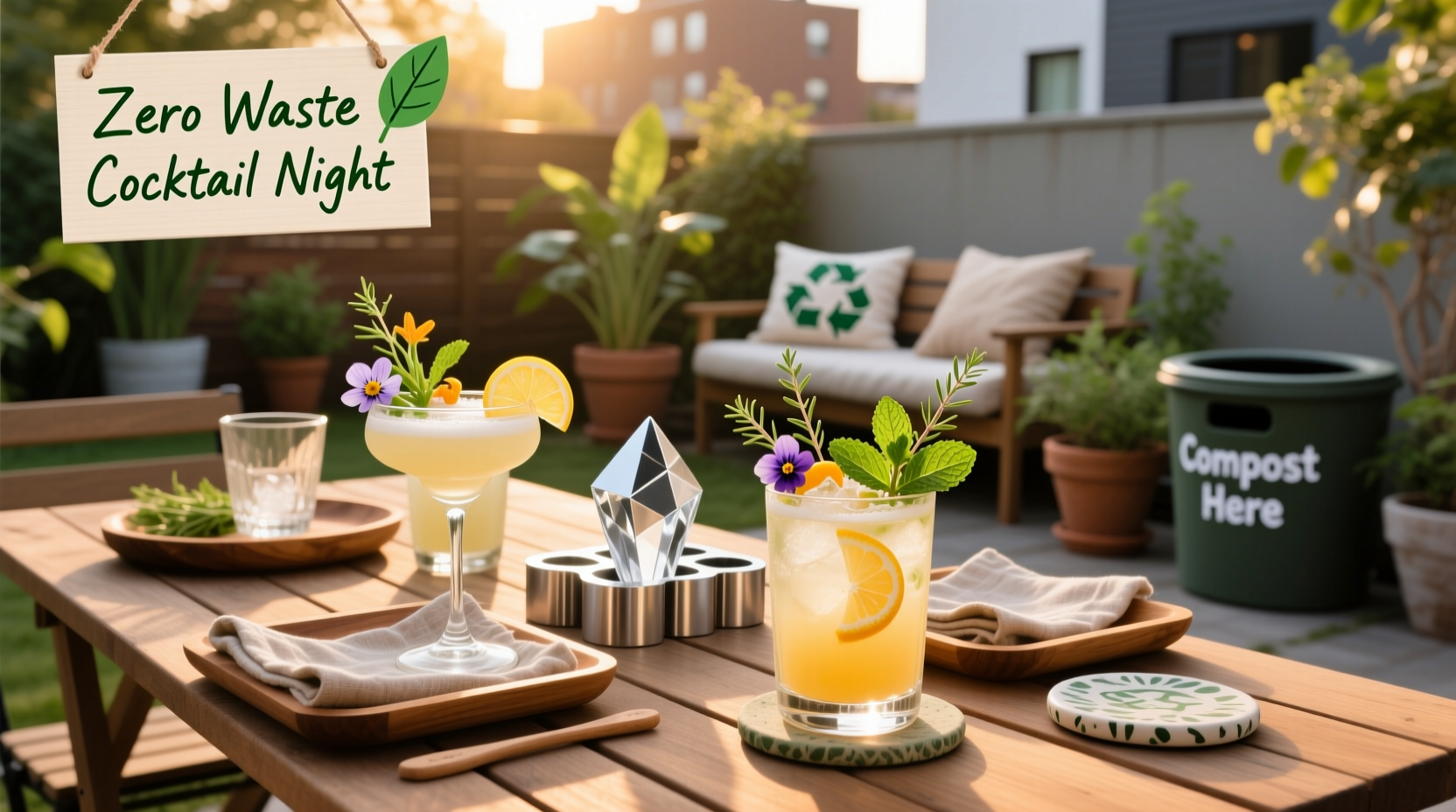
Cocktail culture generates staggering waste. A single high-end bar may discard 30–50 pounds of citrus rinds, herb stems, and fruit pulp each week—most of which ends up in landfills, where organic matter decomposes anaerobically and emits methane, a greenhouse gas 28 times more potent than CO₂ over a 100-year period. Add to that the estimated 500 million plastic straws used daily worldwide (many in bars), plus shrink-wrapped garnish trays, disposable napkins, and single-use stirrers—and the environmental cost becomes impossible to ignore. But zero waste mixology isn’t just about diverting trash. It reshapes how we source, prepare, and serve. When you choose compostable garnishes, you’re supporting farms that use regenerative practices. When you invest in reusable ice, you reduce demand for energy-intensive ice production (commercial ice machines consume as much electricity as a refrigerator). And when you opt for durable bar tools over plastic counterparts, you eliminate microplastic leaching and long-term replacement costs.
“Zero waste isn’t about perfection—it’s about shifting the default. Every time a host chooses stainless steel over plastic, or compostable over ‘biodegradable’ (a misleading term), they’re voting for infrastructure change.” — Dr. Lena Torres, Director of Sustainable Hospitality Research, Green Pour Institute
Step-by-Step: Building Your Zero Waste Bar Setup
A successful zero waste cocktail night begins long before guests arrive. It’s built on preparation—not improvisation. Follow this sequence to ensure every element aligns with your sustainability goals:
- Inventory & Audit (7 days prior): Review existing bar tools, glassware, and storage. Identify what can be reused (e.g., vintage coupe glasses, metal jiggers) and what must be replaced (e.g., plastic pour spouts, paper cocktail sticks).
- Sourcing (5–6 days prior): Order compostable garnishes, reusable ice molds, cloth napkins, and durable bar tools. Prioritize local suppliers to reduce transport emissions and verify certifications (e.g., BPI-certified compostable, FDA-grade stainless steel).
- Prep & Preservation (2–3 days prior): Wash and dry all reusable items. Infuse simple syrups with seasonal herbs. Freeze reusable ice molds with filtered water—or pre-chill stainless steel cubes. Dehydrate citrus peels for garnish if fresh options won’t hold.
- Bar Layout (Day of): Arrange stations by function: mixing (shaker, jigger, muddler), garnishing (compost bin clearly labeled, small bowls for garnishes), serving (glass rack, napkin stack), and disposal (compost bin + clearly marked recycling for unavoidable items like bottle caps).
- Guest Communication (Day of): Briefly note your zero waste theme on digital invites (“Join us for craft cocktails—zero landfill waste, full flavor!”). Have one concise sign near the bar explaining compostables vs. recyclables.
Garnishes That Compost—Not Confuse
Garnishes are often the most visible source of waste—and the easiest to redesign. Traditional citrus wheels, plastic-stemmed cherries, and wax-coated cucumber ribbons rarely break down in municipal compost systems. The solution lies in whole-food, unprocessed, certified compostable options that add visual drama *and* functional flavor.
| Garnish Type | Zero Waste Option | Why It Works | Compost Notes |
|---|---|---|---|
| Citrus | Whole, unwaxed lemon or lime halves, quartered with pith intact | Pith adds bitterness that balances sweetness; no peeling required | BPI-certified compost facilities accept whole citrus (no wax coating needed) |
| Herbs | Fresh mint, rosemary, or basil sprigs—stems included, no plastic ties | Stems infuse aroma into drinks; leaves stay vibrant longer when left attached | 100% home-compostable; breaks down in under 3 weeks |
| Edible Flowers | Nasturtiums, violets, or borage—grown pesticide-free, harvested same-day | Visually striking, subtly peppery or sweet; no processing or packaging | Requires commercial composting if sourced from farms using compostable mulch film |
| Spice Accents | Whole star anise, cinnamon quills, or dried chili flakes in reusable bamboo spoons | Add aroma without dissolving; easily retrieved and reused | Spices are fully compostable; bamboo spoons last 5+ years with care |
Avoid “biodegradable” plastic garnish picks—they require industrial heat and humidity to degrade and often contaminate compost streams. Instead, use untreated wooden skewers (FSC-certified) or reusable stainless steel picks with silicone grips. For citrus zest, use a microplane directly over the shaker—no peel waste, maximum oil extraction.
The Reusable Ice Revolution—Chill Without Compromise
Ice is the silent workhorse of cocktail service—and the most overlooked waste generator. Standard ice melts quickly, watering down drinks and requiring constant replenishment. Worse, many “eco-ice” products marketed as “reusable” are made from low-grade silicone or plastic that degrades after 10–15 uses, leaching additives into beverages. True reusable ice must meet three criteria: food-grade safety, thermal efficiency, and longevity.
The best performers are stainless steel cubes (1.5-inch) and soapstone spheres. Stainless steel conducts cold rapidly and holds temperature for 12+ minutes in a stirred drink. Soapstone absorbs cold slowly but releases it evenly—ideal for spirit-forward cocktails served neat or on the rocks. Both are dishwasher-safe, non-porous, and carry no off-flavors. Avoid gel-filled cubes: their outer plastic shells crack, leak, and are rarely recyclable.
For batch service, freeze large-format ice blocks (4\"x4\"x2\") in silicone molds. Once frozen, use a serrated knife to cut into geometric shapes—these melt slower than cubes and look sculptural in punch bowls. Store all reusable ice in a dedicated, labeled container in the freezer—not loose among food—to prevent cross-contamination and loss.
Tip: Rinse reusable ice in cold water before use—not hot—to avoid thermal shock. Dry with a lint-free cloth to prevent freezer frost buildup.Mini Case Study: The Maple Street Soirée
In Portland, Oregon, host Maya Chen hosted a zero waste cocktail night for 14 friends to celebrate her sister’s book launch. She began by auditing her usual bar setup: six plastic stirrers, waxed lemon wheels, and a bag of “compostable” PLA straws that required industrial processing she couldn’t access locally. She replaced them with: FSC-certified birch wood stirrers (reusable for up to 20 events with light sanding), whole unwaxed limes quartered with pith, and stainless steel ice cubes stored in a repurposed ceramic crock.
She made a signature drink—“Forest Spritz”—with foraged Douglas fir syrup, local gin, and sparkling water, garnished with fresh spruce tips. All garnishes went into her backyard compost tumbler. Guests loved the tactile experience of heavy steel ice and the vivid green of the spruce. Post-event, Maya tallied her waste: one small bag of compostable napkin scraps (cotton-linen blend), two rinsed glass bottles for recycling, and zero landfill-bound material. Her biggest surprise? Guests asked for the recipe *and* where to buy the steel ice—turning sustainability into conversation, not compromise.
Essential Zero Waste Bar Checklist
- ✅ Glassware: Reusable coupes, rocks glasses, and highballs—no disposable stemware
- ✅ Straws: Stainless steel, bamboo, or glass (with cleaning brush included)
- ✅ Napkins: Linen or cotton cloth napkins—washed in cold water, line-dried
- ✅ Stirrers & Picks: Unfinished wood or stainless steel—no plastic coatings or dyes
- ✅ Ice: At least 24 reusable cubes or spheres per guest (pre-chilled)
- ✅ Garnishes: Whole citrus, fresh herbs, edible flowers—no peels, no plastic ties
- ✅ Disposal System: Clearly labeled bins: COMPOST (for food scraps & certified compostables), RECYCLING (glass/metal only), and a small TRASH bin (only for unavoidable items like foil seals)
- ✅ Bar Towels: Organic cotton or reclaimed fabric towels—no synthetic microfiber
FAQ
Can I use my home compost for cocktail scraps?
Yes—if you’re composting whole citrus, herb stems, and edible flowers. Avoid adding large quantities of citrus at once (acidic pH slows decomposition), and never include dairy-based garnishes (e.g., whipped cream) or oils. Chop larger pieces to speed breakdown. Note: Commercially compostable items (like BPI-certified cups) require industrial heat and won’t break down in backyard piles.
What if a guest prefers a plastic straw?
Offer a gentle alternative: “We’re using stainless steel straws tonight—they keep drinks colder longer and come with a cleaning brush. Would you like me to show you how to rinse it?” Most guests appreciate the transparency and adapt quickly. Keep one or two extra stainless options on hand—never revert to plastic unless medically necessary (in which case, use a medical-grade silicone option and dispose of thoughtfully).
How do I clean reusable ice without scratching it?
Wash stainless steel cubes in warm soapy water with a soft sponge—never abrasive pads or bleach. For soapstone, rinse with cool water only; avoid soap, which can absorb into the porous surface. Dry thoroughly before returning to the freezer. Inspect monthly for scratches or discoloration; replace only if compromised (stainless lasts 10+ years with care).
Conclusion: Raise a Glass to Intentional Celebration
A zero waste cocktail night isn’t defined by what you exclude—it’s elevated by what you include: the crisp snap of a stainless steel cube against glass, the perfume of a whole rosemary sprig released as you stir, the quiet satisfaction of watching citrus halves vanish into nutrient-rich compost instead of a landfill. It’s proof that elegance and ethics coexist seamlessly when guided by thoughtful choices, not scarcity thinking. You don’t need a professional bar or a designer budget. You need clarity of purpose, a few well-chosen tools, and the willingness to treat hospitality as stewardship. Start small: swap one item this month—a set of reusable straws, a compost bin beside your bar, a jar of whole spices instead of pre-ground. Notice how guests respond not just to the drink, but to the care behind it. Then share what worked. Host another night. Refine your system. Invite others in. Because the most powerful cocktail ingredient isn’t gin or vermouth—it’s collective action, shaken gently and served with joy.
💬 Your turn: Did you try compostable garnishes or reusable ice? Share your biggest win—or your first challenge—in the comments. Let’s build a smarter, kinder, more delicious way to gather—one zero waste cocktail at a time.








