The magic of Christmas often lies in the thoughtfulness behind each gift. But as years pass, families and friends may find themselves caught in a cycle of predictable presents—homemade ornaments one year, pajamas the next, followed by kitchen gadgets. To keep the season exciting and intentional, rotating gift themes annually offers a sustainable solution. This approach not only reduces decision fatigue but also deepens the emotional resonance of giving. With careful planning and a bit of creativity, you can ensure every holiday feels unique, memorable, and free from repetition.
Why Rotate Gift Themes Annually?
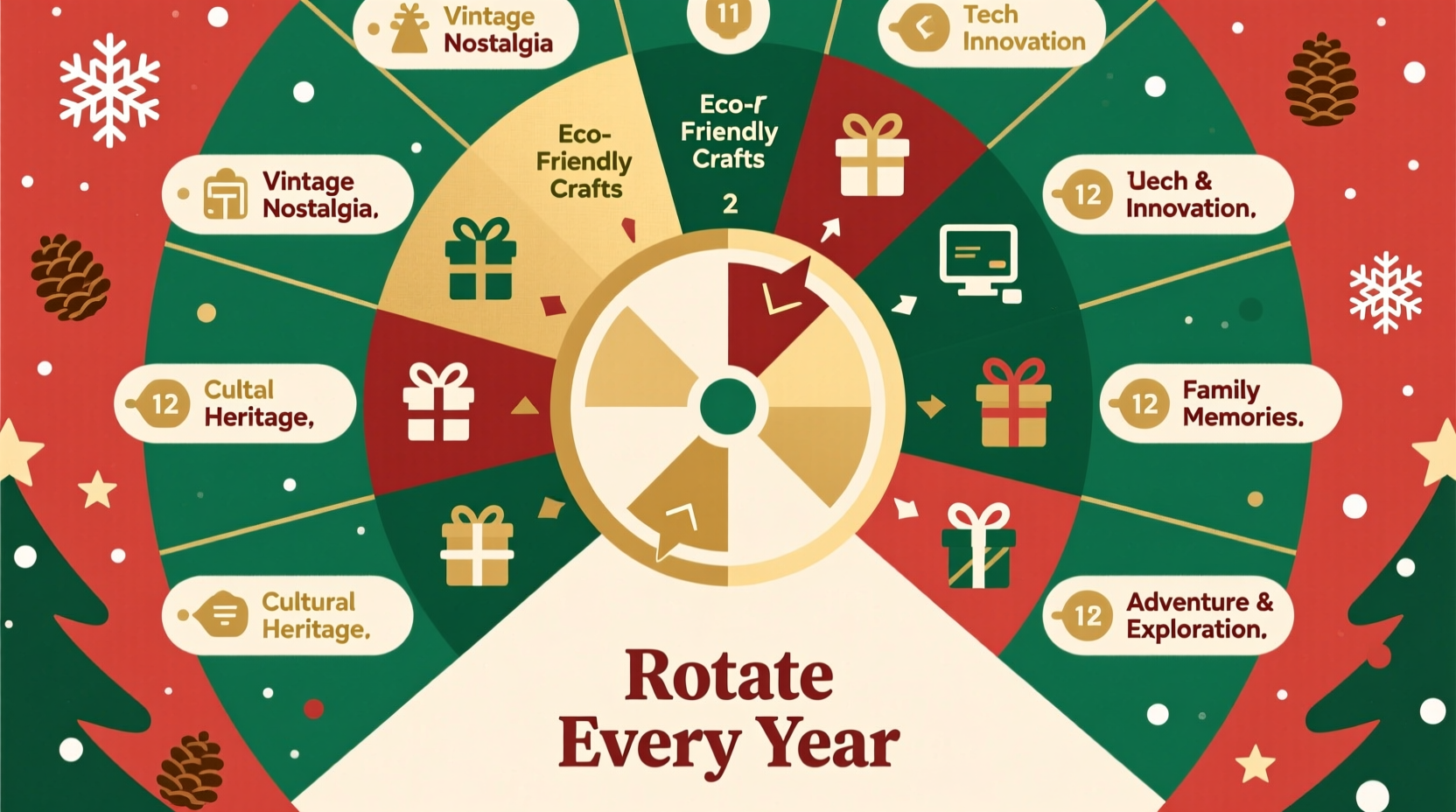
Repeating the same types of gifts leads to diminishing returns. When recipients begin to anticipate what they’ll receive—“Oh, it’s the ‘book year’ again”—the surprise fades. Rotating themes introduces variety while maintaining structure. It encourages givers to explore new categories, from experiential gifts to skill-based items, broadening the scope of generosity.
A theme-based rotation also simplifies shopping. Instead of starting from scratch each December, families operate within defined parameters. This reduces stress during an already busy season and allows for more thoughtful curation. Moreover, themed years create shared narratives—like “The Year of Adventure” or “The DIY Holiday”—that become part of family lore.
“Themed gifting transforms present-giving from a transaction into a tradition. It gives meaning beyond the material.” — Dr. Laura Simmons, Cultural Anthropologist specializing in modern holiday practices
Creating a Sustainable Rotation System
To avoid falling back on familiar patterns, establish a long-term plan. A 5- to 7-year cycle works best: long enough to prevent boredom, short enough to remain manageable. Begin by listing potential themes across diverse categories—sentimental, practical, experiential, humorous, and developmental.
Once compiled, assign each theme to a year in sequence. Use a shared digital calendar or family bulletin board to track progress. After completing the cycle, revisit and refresh the list based on evolving interests and life stages.
Tip: Include at least two wildcard themes (e.g., “Reverse Gifts” where adults get childhood favorites) to inject spontaneity.Step-by-Step Guide to Building Your Theme Cycle
- Inventory Past Themes: Review the last 3–5 years of gifts. Identify recurring categories and note which were well-received.
- Brainstorm New Categories: Think beyond objects—consider experiences, services, handmade items, or charitable donations in someone’s name.
- Balance Variety: Mix lighthearted themes (e.g., “Ugly Sweater Accessories”) with meaningful ones (“Memory Lane,” featuring nostalgic items).
- Assign Years: Map out themes over a 6-year timeline. Avoid placing similar themes consecutively (e.g., don’t schedule “Gourmet Foods” right after “Homemade Treats”).
- Document & Share: Save the plan digitally and share it with co-gifters (spouses, siblings) to maintain consistency.
- Review Annually: After each holiday, assess what worked and adjust future themes accordingly.
Theme Ideas That Prevent Repetition
Diversity is key to avoiding stagnation. Below are 12 distinct theme categories suitable for different personalities and age groups. Rotate through them strategically to maintain freshness.
| Theme | Description | Example Gifts |
|---|---|---|
| The Experience Year | Focused on time together rather than physical items | Concert tickets, cooking class vouchers, national park passes |
| Handmade Only | All gifts must be crafted by the giver | Knitted scarves, painted mugs, personalized recipe books |
| Local Love | Support community businesses | Coffee from a neighborhood roaster, pottery from a local artisan, bookstore gift cards |
| One-Month Challenge | Gifts tied to daily activities throughout December | Advent calendar with mini tasks like “write a gratitude note” or “try a new tea” |
| Green Gifting | Eco-conscious presents only | Reusable containers, solar-powered gadgets, plantable seed paper cards |
| Skill Builder | Items that help develop a new ability | Language learning app subscription, sketchpad with tutorial book, yoga mat |
When selecting themes, consider life changes. For example, if a relative recently retired, “The Adventure Year” might resonate more than “Office Supplies Swap.” Flexibility ensures relevance without breaking the rotational framework.
Case Study: The Thompson Family’s 6-Year Turnaround
The Thompsons, a family of six in Portland, Oregon, had fallen into a predictable pattern: electronics in odd-numbered years, clothing in even ones. By 2018, their children openly joked about receiving “the usual socks and headphones.” Determined to restore excitement, they implemented a 6-year theme rotation.
Their first year was “Back to Childhood,” where each person received something they loved as kids—LEGO sets, retro video games, classic novels. The response was overwhelmingly positive; laughter filled the house as parents and teens rebuilt childhood toys together.
In 2020, during a difficult holiday season, they chose “Acts of Service” as their theme. Instead of wrapping paper and bows, family members exchanged coupons for chores, massages, or tech support. One daughter created a “Mommy Break Kit” with promises of solo dog walks and dinner prep.
By 2023, they completed their cycle and introduced a refreshed list, including “Global Tastes” (international foods and cookbooks) and “Future Self” (journals, planners, wellness tools). According to Sarah Thompson, “We look forward to Christmas now not just for the gifts, but for the story each year tells.”
Common Pitfalls and How to Avoid Them
Even well-designed systems can falter without awareness of common challenges.
- Overcomplicating Themes: A theme like “Nostalgic Scandinavian-Inspired Wellness Tools” is too narrow. Keep titles simple and inclusive.
- Forgetting Budget Constraints: Some themes (e.g., travel experiences) can be costly. Build in flexibility—offer tiered options or group gifting.
- Lack of Buy-In: If only one family member follows the theme, others may feel restricted. Discuss and agree on the plan collectively.
- Rigid Adherence: Life happens. If a child lands a dream internship abroad, deviating from “Home Decor Only” to include luggage makes sense.
Checklist: Preparing for a New Gift Theme Year
- ☐ Confirm this year’s theme with all gift-givers
- ☐ Update your shopping list based on theme guidelines
- ☐ Research vendors, classes, or local artisans aligned with the theme
- ☐ Set a budget specific to the theme’s typical costs
- ☐ Communicate the theme playfully (e.g., send a teaser email titled “Prepare for The Great Cookie Heist Year!”)
- ☐ Schedule time to create or order gifts early, especially for handmade or custom items
- ☐ Plan how to present the theme (decorations, clues, or a reveal game on Christmas morning)
Expert Tips for Long-Term Success
Maintaining momentum over multiple years requires intentionality. Experts recommend several strategies to sustain engagement.
First, document each year’s theme and highlights. Create a simple scrapbook or digital album with photos, gift lists, and recipient reactions. Reviewing past years reinforces continuity and sparks inspiration.
Second, involve younger generations in choosing future themes. Letting children suggest ideas (e.g., “Pet Palooza” or “Superhero Survival Kits”) increases investment and fun.
“Rotation isn’t just about novelty—it’s about narrative. Each theme becomes a chapter in your family’s holiday story.” — Marcus Reed, Family Ritual Consultant
Third, consider hybrid themes that blend two concepts every few years. Examples include “Cozy Experiences” (a weighted blanket plus a movie night kit) or “Green Skills” (a compost bin and a workshop on zero-waste living). These combinations extend the life of individual categories without feeling repetitive.
Frequently Asked Questions
What if someone doesn’t like the current year’s theme?
It’s natural for preferences to vary. Encourage personal interpretation—someone who dislikes crafts can still participate in a “Handmade Year” by commissioning art or writing heartfelt letters. Emphasize spirit over strict compliance.
How do I handle guests or extended family who aren’t part of the theme system?
Themes should guide, not dictate. Politely explain the concept (“We’re doing ‘Books Only’ this year—feel free to join in, but no pressure!”). Most people appreciate clarity and may enjoy playing along.
Can I repeat a theme after several years?
Yes, but only after a significant gap—ideally 8+ years. When revisiting, add a twist: “Handmade 2.0” could focus on upcycled materials, distinguishing it from the original.
Conclusion: Make Every Christmas Distinctly Memorable
Rotating Christmas gift themes is more than an organizational hack—it’s a philosophy of mindful celebration. By stepping away from autopilot gifting, families cultivate presence, creativity, and connection. The goal isn’t perfection, but progression: each year building on the last, yet standing apart in its own right.
Start small. Choose one upcoming holiday to pilot a new theme. Gather feedback. Refine your approach. Over time, you’ll build a legacy not of things, but of moments��each wrapped in the care of deliberate choice.
💬 Ready to reinvent your holiday tradition? Share your favorite gift theme idea in the comments—or commit to trying a new one this year. Let’s inspire each other to give with purpose.








