Every year, billions of single-use plastic produce bags end up in landfills, oceans, and ecosystems. While many shoppers support sustainability in theory, the real challenge lies in turning intention into consistent action. One of the simplest yet most impactful changes you can make at the grocery store is switching to reusable produce bags. But owning them isn’t enough—making them a regular part of your shopping routine is what creates lasting environmental benefit. The key isn’t willpower; it’s smart systems, thoughtful planning, and integrating small habits that stick.
Why Reusable Produce Bags Matter
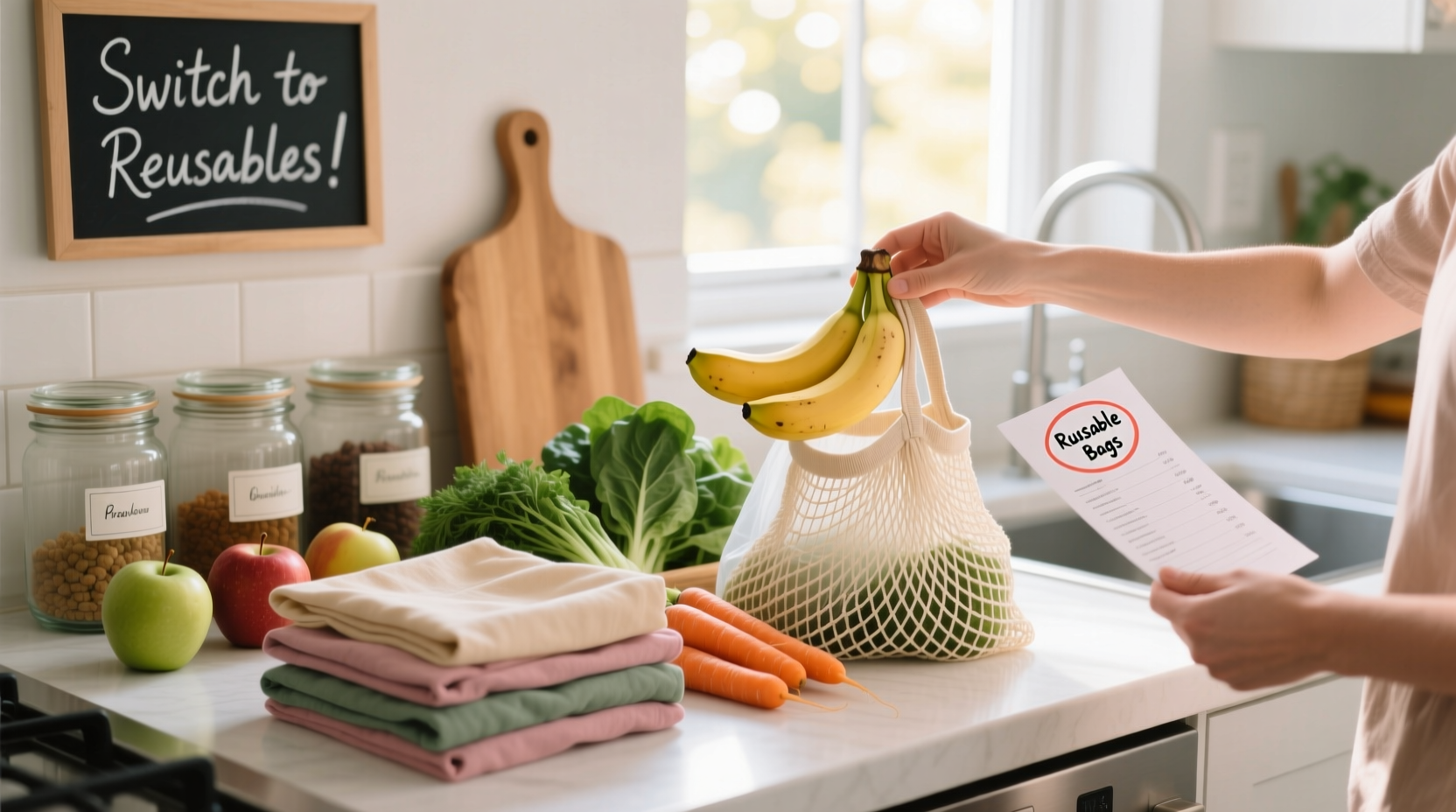
Produce bags may seem insignificant, but their cumulative impact is staggering. The average American uses over 500 plastic produce bags annually. These lightweight plastics are rarely recycled due to contamination and low material value. Instead, they break down into microplastics, polluting soil and water. Reusable mesh or cotton bags, on the other hand, can last for years with proper care, drastically reducing this footprint.
Beyond environmental benefits, reusable bags offer practical advantages: better airflow keeps fruits and vegetables fresher longer, transparency allows cashiers to easily identify items, and durable construction prevents tearing under weight. Yet despite these benefits, many people buy reusable bags only to forget them at home or abandon them after a few uses.
“Shifting to reusables isn’t just about buying eco-friendly products—it’s about redesigning everyday behaviors to make sustainability effortless.” — Dr. Lena Torres, Behavioral Scientist & Sustainability Researcher
Step-by-Step: Building a Seamless Routine
Integrating reusable produce bags into your life doesn’t require perfection. It requires consistency. Follow this step-by-step process to build a reliable system:
- Start with a dedicated set: Purchase 5–7 high-quality reusable bags in various sizes. Look for food-safe, washable materials like organic cotton or BPA-free mesh.
- Wash them before first use: Remove any manufacturing residue and ensure hygiene from day one.
- Assign a permanent home: Store cleaned bags in a designated spot—ideally near your reusable shopping totes or keys.
- Create a post-shop reset habit: Immediately after unpacking groceries, rinse soiled bags and hang them to dry. Clean bags go back into rotation.
- Use a checklist or reminder system: Attach a small note to your shopping list or set a recurring phone alert labeled “Check bags!” before heading out.
The goal is to remove friction. If retrieving and returning the bags feels cumbersome, the habit will falter. Think of it like charging your phone every night—small actions, repeated consistently, yield powerful results.
Tip: Keep a folded reusable bag tucked inside your wallet or purse as a backup—many compact models fit easily and weigh less than an ounce.Common Pitfalls and How to Avoid Them
Even well-meaning efforts often fail due to predictable obstacles. Recognizing these early helps prevent frustration and abandonment of the practice.
- Forgetting the bags at home: This is the number one reason reusable systems fail. Solution? Link the habit to an existing trigger—like grabbing your keys or wallet.
- Not cleaning bags promptly: Dirty or damp bags develop odors and mold, making them unpleasant to reuse. Rinse after each use and air-dry completely.
- Using too many bags unnecessarily: You don’t need a separate bag for every apple. Group similar items (e.g., all citrus, leafy greens) to minimize clutter and streamline checkout.
- Overbuying initially: Starting with 20 bags might seem thorough, but excess inventory leads to disorganization. Begin with a manageable set and expand only if needed.
| Pitfall | Prevention Strategy |
|---|---|
| Leaving bags in the car | Return them to the house immediately after unloading groceries |
| Mixing clean and dirty bags | Use two separate containers—one for used, one for ready-to-use |
| Losing track of tare weights | Keep a notepad or digital note with weights per bag size |
| Ignoring wear and tear | Inspect stitching monthly; retire damaged bags responsibly |
Real-Life Example: How Sarah Made It Stick
Sarah, a working mother of two in Portland, bought reusable produce bags six months ago but only used them twice. Each time she remembered, the bags were still drying from the last wash. After reading about habit stacking, she changed her approach.
She now places her clean bags directly into her canvas grocery tote every Sunday evening while meal planning. After shopping, she removes groceries first, then immediately rinses the used bags and hangs them on a rack by the sink. By linking the routine to her weekly prep and post-shop unpacking, the system became automatic. Within three weeks, she hadn’t forgotten the bags once. Over four months, she estimates she’s avoided using more than 120 plastic bags.
“It wasn’t about trying harder,” she says. “It was about setting myself up to succeed without thinking.”
Optimizing for Longevity and Efficiency
To get the most out of your reusable bags, treat them as long-term tools—not disposable alternatives. A well-maintained bag can last 2–3 years or more, making the environmental and financial return substantial.
Choose bags with reinforced seams and drawstring closures that won’t fray. Machine-washable options save time, though delicate cycles and air drying extend fabric life. Avoid bleach and fabric softeners, which degrade fibers over time.
One often-overlooked detail is tare weight—the weight of the empty bag. Some stores subtract standard tare values, but others require manual entry. Keep a small chart taped inside your shopping bag listing each of your bag’s weights (e.g., small: 3g, medium: 5g, large: 8g). This prevents overcharging and speeds up checkout.
Tip: Label your bags with a tiny tag or permanent marker dot to distinguish sizes quickly during busy shopping trips.Essential Checklist for Success
Use this checklist weekly to maintain momentum and ensure your system runs smoothly:
- ✅ Wash and dry all used produce bags within 24 hours of shopping
- ✅ Store clean bags in your main grocery tote or near your exit point (door, keys, etc.)
- ✅ Verify you have at least 3 clean bags before leaving for the store
- ✅ Weigh and record tare weights for new bags
- ✅ Inspect bags monthly for holes, fraying, or weak seams
- ✅ Replace worn bags only when necessary—don’t over-purchase
- ✅ Celebrate consistency—track your plastic savings monthly
Tracking progress reinforces motivation. Try noting how many plastic bags you’ve avoided each month. Seeing a tally grow—from 40 in Month 1 to 180 by Month 6—provides tangible evidence of impact.
Frequently Asked Questions
Do I need to tell the cashier the tare weight of my bag?
It depends on the store. Many modern systems automatically deduct a standard weight for reusable bags. However, some smaller markets or older scales require manual input. Always have your tare weights handy. If unsure, ask the cashier—most appreciate the effort and will guide you.
Can I use reusable bags for wet or juicy produce?
Yes, but with caution. Most mesh bags handle moisture well, but extremely wet items (like washed berries or citrus) may drip. Consider placing such items toward the bottom of your cart or using a lined basket. Cotton bags absorb moisture, so allow extra drying time after washing.
What should I do if I forget my bags at home?
Don’t let one slip-up derail your progress. If you must use plastic, reuse that same bag at home—for storing leftovers, packing snacks, or organizing small items. Better yet, leave a compact foldable bag in your car or reusable shopping tote so future lapses are less likely.
Final Thoughts: Make It Effortless, Make It Last
Adopting reusable produce bags isn’t a one-time purchase—it’s the beginning of a sustainable behavior chain. The most effective systems aren’t built on motivation, but on design. When your bags are visible, accessible, and easy to care for, using them becomes second nature.
Think beyond individual action. Share your experience with friends, post a photo of your organized bag station, or gift a starter set to a family member. Normalizing reusables amplifies impact far beyond your own grocery cart.
Every time you reach for your reusable bag instead of a plastic one, you’re voting for a different kind of future—one where convenience and responsibility coexist. Start small, stay consistent, and let the routine carry you forward.
🚀 Ready to make the switch for good? Pick one change from this article—whether it’s labeling your tare weights or setting a weekly bag-cleaning reminder—and implement it today. Small steps create lasting change.








