For those who love the charm of handmade decor but also cherish the nostalgic click of interlocking bricks, blending LEGO with holiday traditions is more than a craft—it’s a lifestyle. A LEGO Christmas tree brings together whimsy, precision, and personal flair in a way few other decorations can. Whether you're decorating a mantel, gifting something unique, or simply expressing your inner geek during the festive season, this guide walks you through creating a striking LEGO tree that doubles as both art and conversation starter.
The beauty of a LEGO tree lies not just in its visual appeal, but in its adaptability. Unlike traditional trees that demand space, lights, and water trays, a LEGO version thrives on creativity and minimalism. It doesn’t shed needles, won’t topple over when brushed by a pet, and can be customized year after year with new color schemes, themes, or even integrated tech like micro LEDs. This isn't just a toy build—it's modern holiday styling at its most inventive.
Why Build a LEGO Christmas Tree?
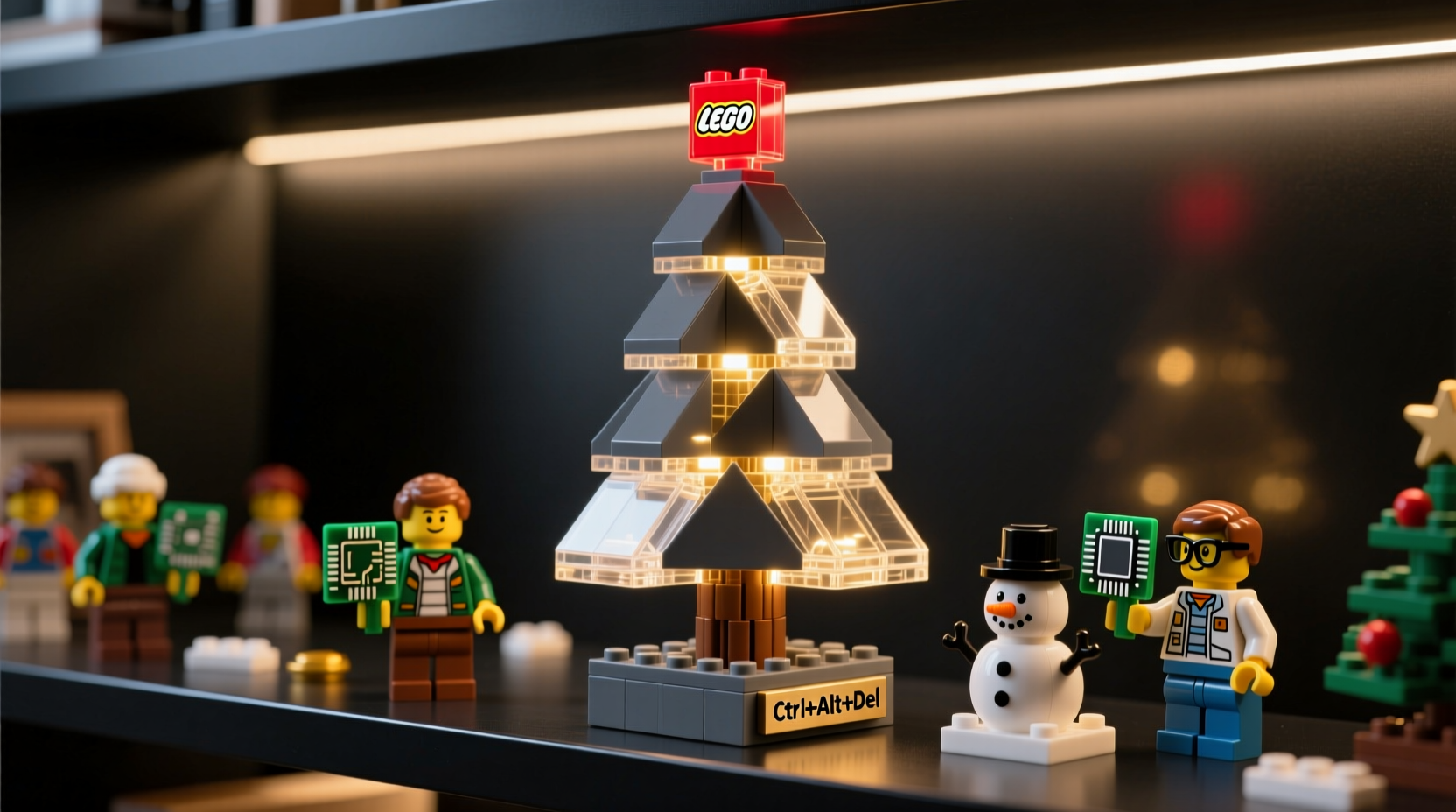
Traditional fir trees have their place, but they come with maintenance: watering, needle cleanup, and storage logistics. A LEGO alternative sidesteps these issues while offering design freedom. You’re no longer limited to green bricks—you can use any color, shape, or size to reflect your aesthetic. Want a rainbow ombre effect? Done. Prefer a minimalist white-and-gold tree for a Scandinavian feel? Easily achievable.
Beyond practicality, there’s emotional value. Many adults who grew up with LEGO find deep comfort in rebuilding childhood experiences through creative projects. Constructing a holiday piece becomes meditative—a tactile break from screens and stress. Plus, it invites participation. Kids can help stack bricks, while adults handle structural details, making it a true family activity.
“Holiday decor should reflect who you are, not just what’s expected. For many, that means celebrating fandoms, hobbies, and playful design—and LEGO offers a perfect medium.” — Maya Tran, Interior Stylist & Founder of GeekHaven Interiors
Materials and Tools You’ll Need
Before starting construction, gather your supplies. The advantage of LEGO builds is that most materials are reusable or already owned. However, planning ahead ensures smoother assembly and better results.
| Item | Purpose | Notes |
|---|---|---|
| Green LEGO bricks (various shades) | Main body of the tree | Include dark green, lime, forest, and apple tones for depth |
| Brown or tan bricks | Trunk/base | Use plates and longer pieces for stability |
| LEGO baseplate (optional) | Stable foundation | Recommended for larger models; 10x10 or 16x16 works well |
| Star, angel, or custom topper brick | Tree crown | Can be built from small pieces or purchased separately |
| Miniature decorative elements | Ornaments | Use tiny round pieces, transparent colors, or printed tiles |
| Tweezers or brick separator | Precision placement | Helpful for tight spaces or delicate adjustments |
| Glue (optional) | Permanent display | Only if the model won’t be disassembled later |
Step-by-Step Construction Guide
Building a convincing LEGO Christmas tree requires attention to proportion and layering. While freeform designs are fun, following a structured approach yields a more polished result. Below is a reliable method suitable for beginners and intermediate builders.
- Plan the height and footprint. Decide whether you want a tabletop accent (8–12 inches tall) or a statement centerpiece (up to 24 inches). Sketch a rough outline on paper or visualize tiers.
- Build the trunk. Start with a vertical column using brown 1x1 or 1x2 bricks. For wider trunks, use 2x2 or 2x4 bases. Ensure it’s sturdy enough to support upper layers.
- Create the first tier (widest layer). Attach green bricks outward from the trunk to form a broad base. Use staggered rows to mimic natural foliage density. A hexagonal or circular spread looks most organic.
- Add subsequent tiers. Each higher level should be slightly smaller than the one below. Reduce width by 1–2 studs per side. Offset brick placement so gaps don’t align vertically.
- Incorporate texture and variation. Mix brick types—use slopes, cones, and modified pieces to create dimension. Transparent green or yellow bricks can suggest light filtering through leaves.
- Insert ornaments. Place colorful 1x1 round bricks or flowers at intervals. Space them unevenly for realism. Consider using red, gold, silver, or blue for contrast.
- Top the tree. Finish with a star made from yellow or gold bricks. Alternatively, build a mini LEGO snowflake, wand, or geek-themed icon like a Death Star or TARDIS silhouette.
- Secure the structure. If displaying long-term, apply a drop of plastic-safe glue between key joints. Otherwise, leave it modular for seasonal reuse.
Customization Ideas for True Geeks
A standard green tree is lovely, but where LEGO truly shines is in thematic reinterpretation. Lean into fandoms, inside jokes, or retro aesthetics to elevate your creation beyond generic decor.
- Retro Pixel Tree: Use only 1x1 bricks in a grid pattern to resemble an 8-bit video game sprite. Limit palette to three colors for authenticity.
- Movie-Themed Trees: Recreate the Gotham City tree from Batman Returns using dark grays and flickering “fire” effects with orange trans-bright bricks.
- Fandom Ornaments: Replace traditional balls with miniature LEGO versions of iconic items—Death Stars, Hogwarts towers, or Pac-Man ghosts.
- Glow-Up Version: Insert a small LED tea light beneath the baseplate or thread fairy lights through hollow sections for ambient illumination.
- Non-Traditional Colors: Try black and purple for a Wednesday Addams vibe, icy blues for a Frozen theme, or copper and bronze for steampunk elegance.
“I once built a LEGO tree entirely from transparent red and clear bricks to look like a giant candy cane explosion. People thought it was a sculpture until they saw the studs.” — Derek Lin, LEGO Artist & Holiday Pop-Up Exhibit Curator
Display and Maintenance Tips
Once completed, consider where and how to showcase your tree. Unlike fragile ceramics or glass ornaments, LEGO is durable—but still benefits from thoughtful placement.
Elevate the tree on a shelf, side table, or windowsill where it catches indirect light. Avoid direct sunlight, which can fade colored plastics over time, especially older vintage pieces. Keep away from high-traffic areas if young children or pets might dismantle it out of curiosity (or instinct).
If storing for next year, disassemble carefully or keep fully built in a labeled container. Wrap delicate parts like toppers in tissue paper. Label boxes by section (e.g., “Tier 3,” “Ornaments”) for faster reassembly.
Tip: Dust your LEGO tree monthly with a soft brush or compressed air. Never wash it unless absolutely necessary—moisture can degrade adhesive or cause warping.Mini Case Study: The Office Desk Tree That Went Viral
When software developer Rachel Cho built a 10-inch LEGO tree for her cubicle at a Seattle tech firm, she didn’t expect it to spark a department-wide trend. Using only recycled bricks from old sets, she designed a sleek, angular tree in monochrome gray with neon-blue “lights.” She added tiny laptop and coffee mug minifig accessories as ornaments.
Within days, colleagues asked for tutorials. By December’s second week, seven teams had constructed their own variations—one even included a working elevator moving up the trunk. Photos spread internally, then to LinkedIn, eventually catching the attention of a local news blog. The “Geek Cubicle Christmas Challenge” became an annual event.
Rachel’s insight? “People crave personality in sterile spaces. A LEGO tree isn’t just decoration—it’s identity made visible.”
FAQ: Common Questions About LEGO Christmas Trees
Can I use DUPLO bricks instead of standard LEGO?
Absolutely. DUPLO is ideal for younger kids or large-scale displays. The proportions will be chunkier, but the concept remains the same. Just ensure the base is wide enough to prevent tipping.
How do I make the tree stand upright without falling?
Weight distribution is key. Use a heavy baseplate or add internal support with thicker columns. For taller models, consider anchoring the trunk to the base with extra connectors or low-profile glue.
Is it okay to mix LEGO with other brands like Mega Bloks?
While third-party bricks may fit, they often have slight dimensional differences that weaken structural integrity. For permanent or tall builds, stick to genuine LEGO to avoid misalignment or instability.
Checklist: Building Your LEGO Christmas Tree
- ☐ Gather bricks by color and type
- ☐ Choose display location and size accordingly
- ☐ Build a stable trunk and attach securely to base
- ☐ Construct tiered layers, decreasing in width upward
- ☐ Add textured elements and ornaments
- ☐ Design and place a unique topper
- ☐ Evaluate symmetry and adjust as needed
- ☐ Display proudly—or gift to a fellow fan
Conclusion: Deck the Halls with Bricks This Year
A LEGO Christmas tree is more than a novelty. It’s a celebration of individuality, craftsmanship, and joyful nostalgia. In a world where mass-produced decor floods stores each November, choosing to build something tactile, meaningful, and uniquely yours stands out. Whether you follow a classic cone shape or reimagine the tree as a pixelated tribute to your favorite game, the process itself is part of the holiday spirit.
So dig into that bin of forgotten bricks, invite the family to join, and let imagination take center stage. When you switch off the lights and see your creation standing strong—each stud aligned, each color balanced—you won’t just have a decoration. You’ll have a legacy piece, ready to return each season with stories to tell.
💬 Share your LEGO tree design! Did you go minimalist, maximalist, or full-on fandom mode? Snap a mental picture and tell us in your next conversation—who knows whose holiday it might inspire?








