
Cut flowers bring joy, color, and life to any space—but their beauty is often fleeting. Most bouquets begin wilting within a few days, leaving behind drooping petals and cloudy water. Yet it doesn’t have to be this way. With the right techniques, many common cut flowers can stay vibrant and fresh for 14 days or longer. The secret lies not in luck, but in understanding how flowers respond after being cut and what they need to survive outside the soil.
Flowers don’t stop living when they’re snipped from the plant. They continue to respire, draw up water, and undergo biochemical changes. By managing these processes carefully, you can dramatically extend their lifespan. This guide reveals proven, easy-to-implement strategies—from proper trimming to homemade preservatives—that work across roses, lilies, carnations, and more.
The Science Behind Flower Longevity
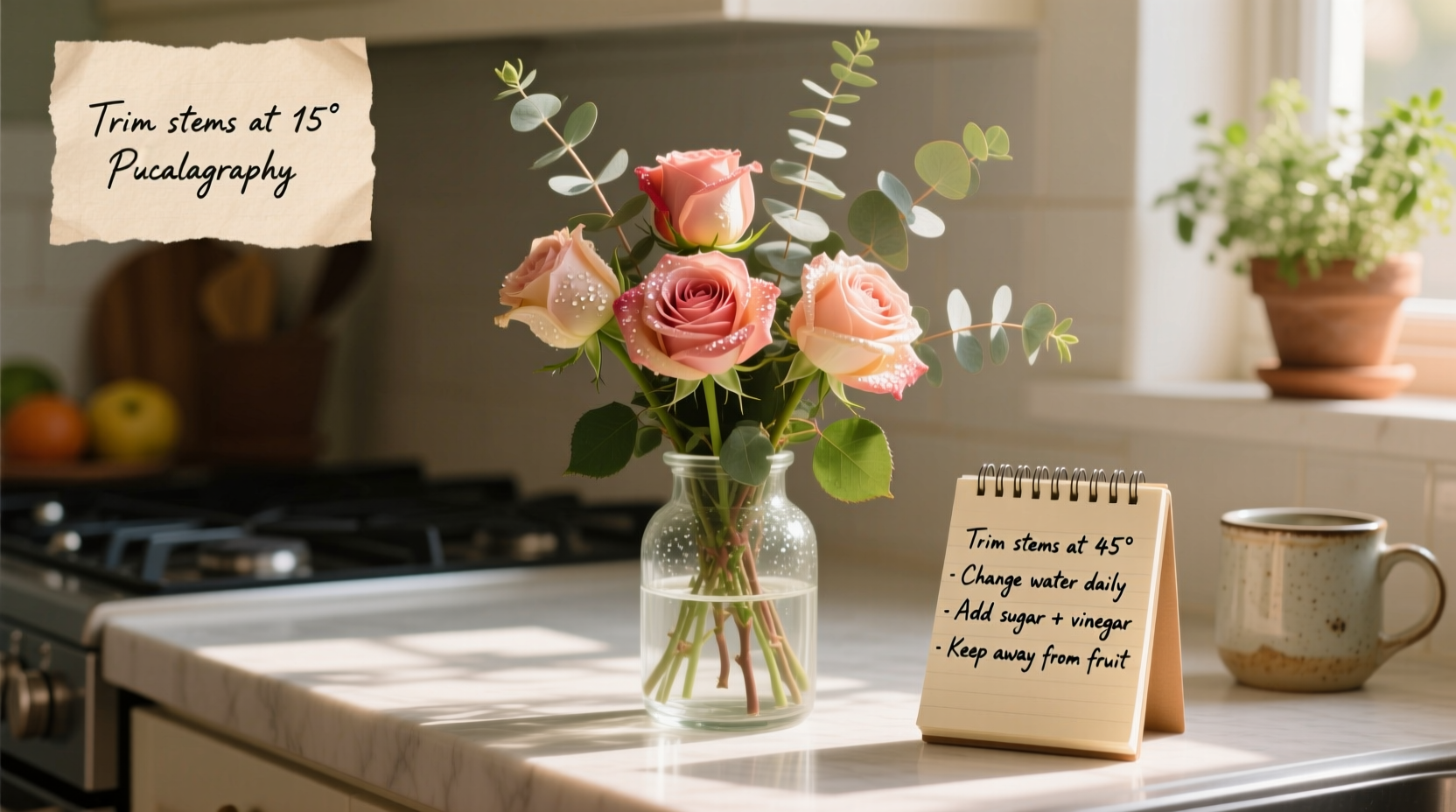
Once a flower is cut, its primary challenge becomes hydration. Without roots, it relies on its stem to absorb water and nutrients. However, air bubbles can block this uptake, and bacteria in the vase can clog the xylem—the vascular tissue responsible for water transport. Additionally, ethylene gas, naturally produced by aging flowers and some fruits, accelerates senescence (aging) and causes petals to drop prematurely.
To counteract these issues, three key factors must be managed: water quality, stem health, and environmental conditions. Clean water prevents microbial growth; properly cut stems maximize absorption; and cooler temperatures slow down metabolic decay. These principles form the foundation of every effective flower-preserving hack.
“With proper care, even supermarket bouquets can last two weeks. It’s less about the flower type and more about post-cut management.” — Dr. Laura Simmons, Postharvest Horticulturist, University of Vermont Extension
Step-by-Step Guide to Extending Flower Life
Follow this timeline-based routine to get the most out of your bouquet:
- Day 0 – Immediate Care After Purchase or Harvest
As soon as you bring flowers home, prepare them for maximum water uptake:- Remove all leaves that would sit below the waterline to prevent bacterial growth.
- Cut 1–2 inches off each stem at a 45-degree angle using sharp scissors or shears. This increases surface area for water absorption and prevents the stem from sitting flat on the vase bottom.
- Dip the freshly cut ends into boiling water for 30 seconds (especially beneficial for woody stems like hydrangeas or lilacs) or sear them briefly over a flame to seal sap and prevent air embolisms.
- Place stems immediately into warm (not hot) water—around 100–110°F (38–43°C)—to enhance initial uptake.
- Day 0 – Prepare the Vase with a Homemade Preservative
Instead of relying solely on store-bought packets, make your own solution using household ingredients:- 1 quart (4 cups) of lukewarm water
- 2 tablespoons lemon juice or white vinegar (lowers pH, improving water flow)
- 1 tablespoon sugar (feeds the flowers)
- ½ teaspoon bleach or rubbing alcohol (kills bacteria and fungi)
- Days 1–14 – Daily Maintenance Routine
- Check water levels daily. Top off with fresh preservative solution if needed.
- Every 2–3 days, empty the vase completely, rinse it with hot water, and scrub the interior to remove slime or residue.
- Re-cut stems by ½ inch at an angle during each water change to reopen blocked pathways.
- Freshen the preservative solution every time you refill the vase.
- Remove any wilted or falling blooms immediately to prevent ethylene spread.
- Ongoing – Environmental Management
- Keep flowers away from direct sunlight, heating vents, and ripening fruit (a major source of ethylene).
- Place them in a cool room—ideally between 65–72°F (18–22°C). Cooler nighttime temperatures further slow aging.
- At night, move delicate arrangements (like peonies or tulips) into the refrigerator for 6–8 hours. Ensure no fruits or vegetables are nearby, and cover loosely with paper to avoid moisture damage.
Do’s and Don’ts: A Quick Reference Table
| Action | Do | Don’t |
|---|---|---|
| Cleaning the Vase | Wash with hot, soapy water and a dash of bleach before each use | Reuse without cleaning—biofilm builds quickly |
| Water Temperature | Use lukewarm water initially; room temp thereafter | Use cold water right after cutting—it reduces uptake efficiency |
| Stem Cutting | Cut at a 45° angle with sharp tools | Crush or smash stems—they lose structural integrity |
| Location | Place in a cool spot away from appliances and windows | Set near TVs, ovens, or sunny sills—heat speeds decay |
| Preservatives | Refresh solution every 2–3 days | Top off old water without changing—bacteria multiply rapidly |
Real Example: Reviving a Wilting Grocery Store Bouquet
Sarah bought a $12 mixed bouquet from her local supermarket on a Monday morning. By Wednesday, the roses were drooping, and the water had turned cloudy. Instead of tossing it, she followed the deep-revival protocol:
- She removed all foliage and dead blooms.
- Using kitchen shears, she re-cut each stem underwater at a sharp angle.
- She cleaned the vase with hot water and dish soap, then added a fresh batch of homemade preservative (vinegar, sugar, and a drop of bleach).
- The bouquet went into the new solution and was placed in a north-facing hallway, away from foot traffic and heat sources.
Within 24 hours, the remaining healthy stems—including two lilies and several alstroemeria—had perked up significantly. Sarah repeated the process every three days. The lilies fully bloomed by day 7, and the arrangement remained presentable until day 16, far exceeding the typical 5–7 day lifespan.
“The first 24 hours after revival are critical. If stems rehydrate properly, many flowers will rebound surprisingly well—even after visible wilting.” — Maria Tran, Floral Designer & Educator
Expert Tips for Specific Flower Types
While general care applies broadly, certain flowers benefit from specialized attention:
- Roses: Remove guard petals (the outer, often damaged layers) to reveal the true bloom. Split the bottom inch of the stem vertically to improve water uptake.
- Tulips: Continue growing and bending toward light even after cutting. Rotate the vase daily to maintain upright shape. Keep refrigerated overnight for tighter stems.
- Hydrangeas: Prone to rapid dehydration. Dip cut ends in alum powder or boiling water for 30 seconds to seal tissues. Mist heads lightly every other day.
- Lilies: Remove stamens as soon as buds open to prevent pollen stains and reduce ethylene production.
- Carnations: Tolerant of lower water quality but respond exceptionally well to sugar-based preservatives. Can last up to 21 days with consistent care.
Comprehensive Flower Care Checklist
Print or bookmark this checklist to ensure you never miss a step:
- ☐ Remove all leaves below waterline
- ☐ Cut 1–2 inches off stems at 45° angle
- ☐ Use lukewarm water for initial placement
- ☐ Prepare preservative solution (homemade or commercial)
- ☐ Place in a clean vase—no residue or slime
- ☐ Position away from heat, sun, and fruit
- ☐ Check water level daily
- ☐ Re-cut stems every 2–3 days during water changes
- ☐ Replace preservative solution every 2–3 days
- ☐ Remove fading flowers promptly
- ☐ Consider nightly refrigeration for delicate types
- ☐ Monitor for mold, cloudiness, or odor—clean immediately if detected
Frequently Asked Questions
Can I use Sprite or 7-Up instead of making my own preservative?
Yes—clear sodas like Sprite contain sugar and citric acid, which help feed flowers and inhibit bacterial growth. However, they lack a biocide. For best results, mix 1 part soda with 3 parts water and add a few drops of bleach to prevent microbes. Avoid dark sodas—they stain vases and may harm stems.
Why do my flowers still die quickly even when I change the water?
Changing water helps, but if you don’t re-cut the stems, blockages remain. Air embolisms and bacterial slime form within hours. Always re-trim stems when refreshing water. Also, ensure the vase itself is thoroughly cleaned—residual biofilm can recontaminate new solutions.
Is tap water safe for cut flowers?
In most areas, yes. However, heavily chlorinated or hard water can shorten vase life. If your tap water is high in minerals or chlorine, let it sit out overnight to allow chlorine to evaporate, or use filtered water. For sensitive species like amaryllis or orchids, distilled water with added preservative is ideal.
Final Thoughts: Small Habits, Big Results
Extending the life of cut flowers isn’t about perfection—it’s about consistency. The difference between a five-day bouquet and a fifteen-day display often comes down to just a few disciplined habits: angled cuts, clean vases, fresh solution, and smart placement. These practices cost nothing and take minimal time, yet they transform fleeting beauty into lasting enjoyment.
Whether you receive flowers as a gift, grow them in your garden, or treat yourself weekly, applying these methods honors their value. You’ll reduce waste, save money, and deepen your appreciation for nature’s delicate rhythms. And when someone asks how your roses are still blooming on day 13, you’ll know exactly why.
💬 Have a favorite flower-preservation trick? Share your experience in the comments—your insight might help others enjoy their blooms just a little longer.








