Bugs in the bedroom are more than just a nuisance—they disrupt sleep, trigger allergies, and can signal deeper hygiene or structural issues. While chemical sprays offer quick fixes, they often come with strong fumes, potential health risks, and short-lived results. A better approach? Prevent infestations before they start using natural, sustainable methods that protect both your home and well-being.
Natural bug prevention focuses on eliminating attractants, blocking entry points, and creating an environment that insects simply don’t want to inhabit. These strategies are safe for children, pets, and sensitive individuals, and many double as part of routine household maintenance. With consistent effort, you can maintain a clean, peaceful sleeping space—free from crawling or flying intruders.
Seal Entry Points and Eliminate Access
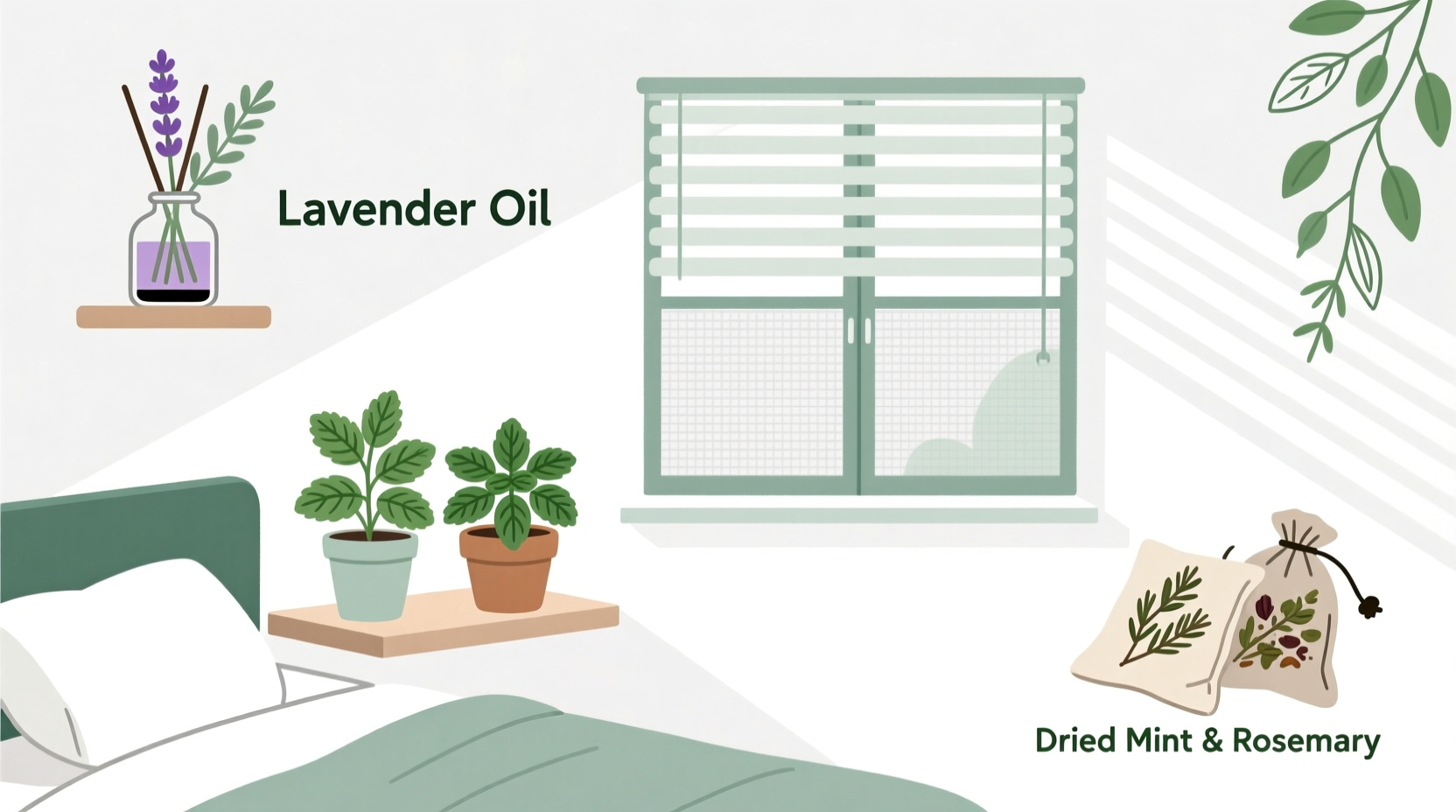
Insects typically enter rooms through tiny gaps most people overlook. Cracks around windows, doors, baseboards, and utility lines serve as open invitations. The first step in natural pest control is exclusion: physically preventing bugs from getting inside.
Start by inspecting all perimeter areas. Run your fingers along window and door frames—if you feel even a slight draft, insects can likely squeeze through. Use caulk to seal cracks in walls, especially near plumbing or electrical outlets. Install door sweeps on exterior-facing doors and repair damaged window screens. Even small tears allow mosquitoes, ants, and flies to enter.
Tip: Conduct a flashlight test at night: stand outside and shine a light into gaps. If you see light from the inside, so can bugs.Focusing on prevention reduces reliance on reactive measures. According to entomologists at the University of Florida, over 70% of indoor pests originate outdoors and gain access through unsealed openings. Closing these pathways is not only effective but also one of the longest-lasting solutions available.
Create an Unwelcoming Environment with Natural Repellents
Beyond physical barriers, you can make your room inherently less attractive to insects using natural scents and materials they avoid. Many bugs rely on smell to locate food, mates, and shelter. By introducing odors they dislike, you create a passive deterrent system.
Essential oils are among the most effective tools. Peppermint, eucalyptus, tea tree, citronella, and lavender oils have documented insect-repelling properties. Mix 10–15 drops of peppermint oil with a cup of water in a spray bottle and lightly mist baseboards, windowsills, and doorways. Reapply every few days or after cleaning.
Alternatively, soak cotton balls in essential oil and place them in corners, under furniture, or near vents. This method provides continuous diffusion without frequent reapplication. Be cautious with pets—some essential oils (especially tea tree and citrus) can be toxic to cats and dogs if inhaled excessively.
“Many common household pests are repelled by strong aromatic compounds found in plants. Leveraging these natural defenses reduces chemical exposure and supports long-term behavioral deterrence.” — Dr. Lena Torres, Urban Entomologist, UC Davis
Dried herbs like bay leaves, cloves, and rosemary also work as natural repellents. Place sachets made of muslin cloth near entry points or under beds. Not only do they emit a pleasant aroma, but their compounds interfere with insect navigation and feeding behaviors.
Step-by-Step Guide: Deep Clean and Maintain a Bug-Free Room
Clutter and crumbs are major attractants. Insects such as ants, cockroaches, and carpet beetles are drawn to organic debris. A systematic cleaning routine removes both food sources and hiding spots.
- Vacuum thoroughly: Focus on edges, under furniture, and behind electronics. Empty the vacuum canister immediately outside to prevent eggs or larvae from hatching indoors.
- Wipe down surfaces: Use vinegar or a mild soap solution on nightstands, dressers, and shelves. Avoid sugary cleaners that may leave sticky residues.
- Declutter: Remove stacks of books, clothes, or cardboard boxes that provide dark, undisturbed nesting areas.
- Wash bedding weekly: At high temperatures (at least 130°F/54°C) to eliminate dust mites, bed bug eggs, and fabric-dwelling pests.
- Mop floors regularly: Pay attention to corners and beneath heavy furniture where moisture and debris accumulate.
This process should be repeated weekly. For high-risk seasons (spring and summer), consider adding a bi-weekly inspection of hidden spaces. Use a flashlight to check behind headboards, under rugs, and around air conditioning units.
Tip: Store seasonal clothing in sealed plastic bins instead of cardboard boxes—cardboard absorbs odors and attracts silverfish and roaches.Use Plants and Passive Deterrents Strategically
Some houseplants naturally repel insects while improving air quality. Incorporating them into your bedroom decor adds aesthetic value and functional protection.
- Lavender: Soothing scent for humans, repellent for moths, fleas, and flies. Place near windows or on bedside tables.
- Basil: Deters flies and mosquitoes. Thrives in sunny windowsills.
- Mint: Repels ants, spiders, and mosquitoes. Grow in pots to prevent invasive spreading.
- Chrysanthemums: Contain pyrethrum, a compound used in natural insecticides. Best kept outdoors or in well-ventilated areas due to potency.
While live plants help, avoid overwatering. Standing moisture in saucers attracts fungus gnats and other moisture-loving pests. Ensure proper drainage and empty trays after watering.
Another passive method is using diatomaceous earth (DE). This fine, white powder is made from fossilized algae and is harmless to humans and pets when food-grade. Sprinkle a thin layer along baseboards or under furniture. When insects crawl through it, DE damages their exoskeletons, causing dehydration. It remains effective as long as it stays dry and undisturbed.
| Method | Best For | Duration of Effect | Safety Notes |
|---|---|---|---|
| Peppermint oil spray | Ants, spiders, mosquitoes | 3–5 days | Avoid contact with eyes; not for pets |
| Diatomaceous earth | Cockroaches, bed bugs, silverfish | Indefinite (if dry) | Wear mask when applying; avoid inhalation |
| Lavender sachets | Moths, flies, fleas | 2–4 weeks | Safe for kids and pets |
| Vinegar traps | Fruit flies, gnats | Until full | Non-toxic; replace every 2–3 days |
Real Example: Turning Around a Persistent Ant Problem
Sarah, a teacher living in a ground-floor apartment in Austin, Texas, noticed a trail of tiny ants appearing near her bedroom window each evening. She avoided sprays due to her asthma and two cats. Instead, she took a multi-pronged natural approach.
First, she cleaned the area with a vinegar-water solution (1:1 ratio), wiping down the sill and wall. Next, she applied caulk around the window frame where she spotted a hairline crack. She then placed a cotton ball soaked in peppermint oil in the corner and set up a small dish with a drop of honey surrounded by a chalk circle (ants avoid crossing chalk lines).
Within three days, the ant trail disappeared. Sarah continued to refresh the oil weekly and monitored for new activity. Six months later, she hasn’t seen a single ant. Her experience highlights how combining exclusion, sanitation, and natural repellents can resolve infestations without chemicals.
Common Mistakes That Invite Bugs In
Even with good intentions, everyday habits can undermine your efforts. Awareness of these pitfalls helps maintain long-term success.
- Eating in bed: Crumbs attract ants and carpet beetles. Always consume food in designated areas and clean immediately.
- Leaving windows open at night without screens: Invites mosquitoes and moths. Use mesh screens or close windows during peak insect hours (dusk to dawn).
- Ignoring moisture: Leaky AC units or humidifiers create damp environments ideal for silverfish and springtails. Use a dehumidifier if relative humidity exceeds 50%.
- Using scented candles or diffusers excessively: Some floral or sweet fragrances can actually attract certain insects. Stick to minty, woody, or citrus-based scents known to repel pests.
FAQ: Natural Bug Prevention in Bedrooms
Can I use lemon peels to repel bugs?
Yes. Citrus peels contain d-limonene, a compound toxic to many insects. Rub lemon peels along window sills or place them in corners. Replace every 2–3 days as they dry out.
Are there bugs that aren’t affected by natural methods?
Some pests, like severe bed bug infestations, require professional treatment. Natural methods work best for prevention and minor invasions. If you suspect bed bugs (small rust-colored stains on sheets, bites in lines), isolate bedding and consult a licensed exterminator.
How fast do natural repellents work?
Most take effect within 24–48 hours. Essential oils act quickly as olfactory deterrents, while methods like diatomaceous earth may take several days as insects come into contact with the powder.
Final Checklist: Your Natural Bug Defense Plan
- Inspect and seal cracks around windows, doors, and walls.
- Install door sweeps and repair torn screens.
- Deep clean weekly: vacuum, mop, wash bedding.
- Use essential oil sprays (peppermint, eucalyptus) on entry points.
- Place herbal sachets or potted repellent plants in key areas.
- Reduce clutter and store items in sealed containers.
- Control humidity with a dehumidifier if needed.
- Monitor for signs of pests and act immediately.
Conclusion
Keeping bugs out of your room naturally isn’t about finding a single miracle solution—it’s about building a layered defense. From sealing entry points to using plant-based repellents and maintaining cleanliness, each step strengthens your protection. These methods are safer, more sustainable, and often more cost-effective than relying on chemical sprays.
You don’t need to live in fear of pests or compromise your health for a bug-free space. Start today by checking one window frame, placing a sachet of lavender, or wiping down a dusty shelf. Small actions, consistently applied, lead to lasting results. Create a bedroom that’s truly your sanctuary—one where rest comes easily, and bugs never get invited in.
💬 Have a natural bug remedy that works for you? Share your tip in the comments and help others enjoy a cleaner, calmer, spray-free room!








