
A good night’s sleep isn’t just about how long you spend in bed—it’s about the conditions that support truly restorative rest. For many, the bedroom is a multipurpose space cluttered with distractions, bright lights, and noise pollution, all of which sabotage deep sleep. Yet, by intentionally designing your sleeping environment to promote calmness, you can significantly improve both the quantity and quality of your rest. The brain responds powerfully to sensory cues: light, sound, temperature, scent, and visual order. When these elements are aligned with relaxation, the nervous system shifts from alertness to recovery. This article explores practical, evidence-based methods to transform your bedroom into a sanctuary of tranquility—so you fall asleep faster, stay asleep longer, and wake up feeling refreshed.
The Role of Light in Sleep Regulation
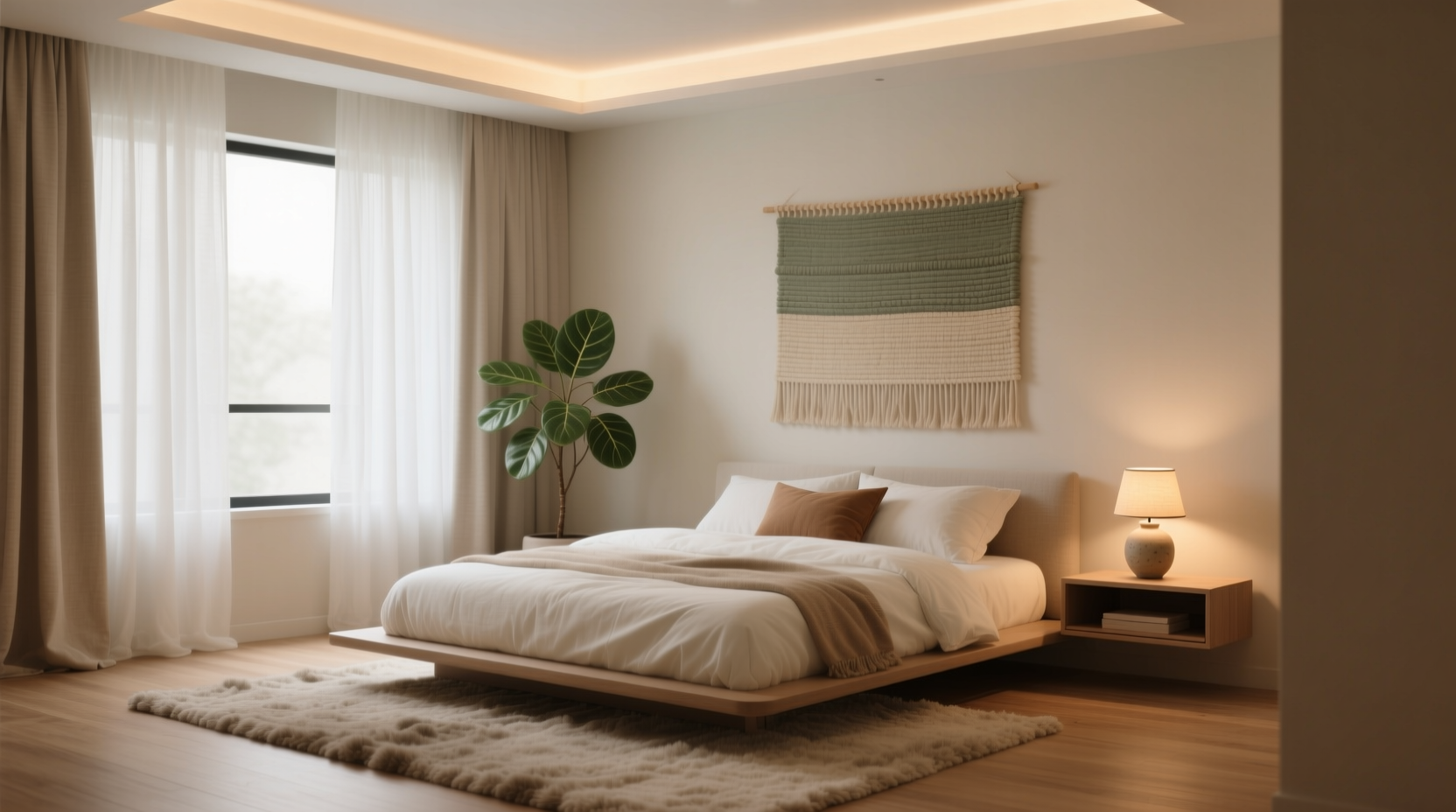
Light is the most influential external factor in regulating circadian rhythms—the internal clock that governs sleep-wake cycles. Exposure to natural daylight during the day helps synchronize this rhythm, while artificial or blue-rich light at night delays melatonin production, the hormone responsible for initiating sleep.
To support natural melatonin release, begin dimming lights two hours before bedtime. Replace overhead lighting with warm-toned lamps (below 2700K) that emit a soft, amber glow. Avoid screens such as smartphones, tablets, and televisions during this wind-down period. If screen use is unavoidable, enable night mode settings or wear blue-light-blocking glasses.
Tip: Use blackout curtains or a sleep mask to eliminate light intrusion, especially in urban areas with streetlights.Morning light exposure is equally important. Open your blinds immediately upon waking or consider using a sunrise-simulating alarm clock. These devices gradually increase light intensity, mimicking dawn and helping your body wake up naturally without jarring alarms.
Optimize Temperature and Air Quality
The body’s core temperature drops slightly during sleep, signaling the brain that it’s time to rest. A bedroom that’s too warm interferes with this process, leading to restless or fragmented sleep. Research suggests the ideal sleep temperature ranges between 60–67°F (15–19°C).
Use breathable bedding materials like cotton, linen, or moisture-wicking fabrics to prevent overheating. In warmer climates, a fan or air conditioner may be necessary; in cooler ones, layer blankets instead of cranking up the heat. Consider a cooling mattress pad if night sweats are a concern.
Air quality also plays a crucial role. Poor ventilation leads to elevated CO₂ levels, which can impair cognitive function and sleep depth. Open windows when possible to allow fresh air circulation. If outdoor air quality is poor, use an air purifier with a HEPA filter to remove allergens, dust, and pollutants.
“Even minor disruptions in room temperature or air freshness can fragment sleep architecture, reducing REM and slow-wave sleep.” — Dr. Lena Patel, Sleep Neurologist, Stanford Center for Sleep Sciences
Sensory Design: Sound, Scent, and Touch
Your bedroom should engage the senses in ways that signal safety and relaxation. Start with sound. Background noise from traffic, neighbors, or household appliances activates the brain’s threat-detection system, preventing deep sleep. Use white noise machines, fans, or nature sound apps to create a consistent auditory backdrop that masks disruptive sounds.
For those sensitive to noise, consider investing in acoustic panels or heavy drapes that absorb sound. Earplugs designed for sleep (soft silicone or memory foam) are another effective option.
Scent influences mood and physiological state. Lavender, chamomile, and sandalwood have been shown in clinical studies to reduce heart rate and anxiety. Use an essential oil diffuser with a few drops of pure lavender oil 30 minutes before bed, or spray a linen mist on your pillowcase. Avoid synthetic fragrances, which can irritate the respiratory system.
Touch matters too. Choose soft, hypoallergenic sheets with a high thread count (between 200–400) for comfort without overheating. Pillows should support your neck alignment based on your sleeping position—side sleepers benefit from firmer support, back sleepers from medium loft, and stomach sleepers from thin pillows.
Declutter and Simplify Your Space
Visual clutter increases cortisol, the stress hormone, making it harder to relax. A chaotic bedroom subconsciously signals disorganization and unfinished business, keeping the mind active when it should be winding down.
Begin by removing non-sleep-related items: work materials, laundry piles, exercise equipment, or unused electronics. Keep only essentials—bed, nightstand, lamp, and perhaps a chair or reading nook if space allows. Use under-bed storage bins with lids to hide seasonal items, and install shelves to keep surfaces clear.
Adopt a “clean surface” rule: every evening, return items to their designated places. Make your bed each morning—a small habit that reinforces order and sets a tone of control for the day.
| Bedroom Element | Do | Avoid |
|---|---|---|
| Furniture | Minimalist design, smooth lines | Bulky pieces, sharp edges |
| Color Palette | Cool neutrals: gray, beige, soft blue | Bright reds, bold patterns |
| Storage | Hidden compartments, labeled bins | Open piles, overflowing drawers |
| Decor | Nature-inspired art, calming textures | Busy artwork, mirrors facing bed |
Step-by-Step Guide to Transforming Your Bedroom
Creating a calming bedroom doesn’t require a full renovation. Follow this seven-day plan to make gradual, sustainable improvements:
- Day 1: Audit Your Current Setup
Walk into your bedroom as if you’ve never seen it before. Note sources of light, noise, clutter, and discomfort. Take photos to identify problem areas. - Day 2: Control Light Exposure
Install blackout curtains or shades. Replace harsh bulbs with warm LED options. Test darkness by turning off all lights and waiting five minutes to see if any glow remains. - Day 3: Regulate Temperature
Set your thermostat to 65°F (18°C) at bedtime. Add or remove bedding layers accordingly. Place a thermometer in the room to monitor fluctuations. - Day 4: Reduce Noise Pollution
Run a fan or white noise machine overnight. Identify external noise sources and address them—seal window gaps, add rugs to hardwood floors, or use draft stoppers under doors. - Day 5: Declutter and Organize
Remove everything not directly related to sleep. Donate unused items. Wipe down surfaces and vacuum thoroughly. Invest in storage solutions that keep things out of sight. - Day 6: Introduce Calming Scents and Textures
Add a diffuser with lavender oil. Swap out rough or worn sheets for soft, breathable linens. Fluff pillows and ensure they’re supportive. - Day 7: Establish a Nightly Ritual
Create a 30-minute pre-sleep routine: dim lights, read a physical book, practice gentle stretching, or journal. Consistency strengthens the mental association between your bedroom and sleep.
Real-Life Example: Sarah’s Transformation
Sarah, a 38-year-old project manager in Chicago, struggled with insomnia for over two years. She worked late on her laptop in bed, fell asleep watching TV, and woke frequently due to city noise and an overheated room. After consulting a sleep coach, she implemented targeted changes: she bought blackout curtains, replaced her old polyester sheets with organic cotton, moved her desk to the living room, and started using a white noise app. Within three weeks, she reported falling asleep 40% faster and waking up less often. “It felt like my bedroom finally became a retreat instead of a dumping ground,” she said. “Now, just walking into it signals to my body that it’s time to slow down.”
Essential Checklist for a Calming Bedroom
- ✅ Install blackout curtains or use a sleep mask
- ✅ Set room temperature between 60–67°F (15–19°C)
- ✅ Remove all electronic screens (TV, phone, laptop)
- ✅ Use warm, dimmable lighting (under 2700K)
- ✅ Run a white noise machine or fan for consistent sound
- ✅ Diffuse calming scents like lavender or chamomile
- ✅ Choose soft, breathable bedding and supportive pillows
- ✅ Eliminate clutter and maintain clean surfaces
- ✅ Keep only sleep- and intimacy-related items in the room
- ✅ Open windows or use an air purifier for fresh air
Frequently Asked Questions
Can I still use my phone in the bedroom if it’s on night mode?
Even with night mode enabled, the act of scrolling stimulates the brain and delays sleep onset. It’s best to charge your phone outside the bedroom. If you must keep it nearby, place it face-down and use Do Not Disturb mode to minimize interruptions.
What if I live in a noisy apartment building?
Combine multiple noise-reduction strategies: use earplugs, run a fan or white noise machine, hang thick curtains, and place rugs on hard floors. Acoustic foam panels on walls can also help absorb sound. Prioritize consistency in background noise over complete silence.
Is it okay to have plants in the bedroom?
Yes, certain plants like snake plants, peace lilies, and aloe vera release oxygen at night and improve air quality. Just avoid overly large arrangements or species that require frequent watering, which can increase humidity and mold risk. Keep them modest and well-maintained.
Conclusion: Make Sleep a Priority Through Environment
Sleep is not a luxury—it’s a biological necessity. And while habits like caffeine timing and exercise matter, the environment where you sleep has an outsized impact on how deeply and peacefully you rest. By reimagining your bedroom as a dedicated zone for restoration, you give your body the cues it needs to transition smoothly from wakefulness to deep, healing sleep. Small changes compound over time: a cooler room, a clutter-free surface, a whisper of lavender, or the steady hum of white noise can collectively transform your nights. You don’t need perfection—just intentionality. Start tonight. Adjust one element, then another. Within weeks, you’ll likely notice not just better sleep, but greater energy, focus, and emotional resilience during the day.
🚀 Ready to reclaim your rest? Pick one change from the checklist and implement it tonight. Share your progress or ask questions in the comments—let’s build a community of better sleepers together.








