Selecting the ideal duvet insert isn’t just about matching thread counts or filling out a cover—it’s about aligning your bedding with your environment and physiology. Temperature regulation during sleep significantly impacts rest quality, and your duvet plays a crucial role in that balance. The same insert that keeps you cozy in a Minnesota winter can leave you drenched in a humid Florida summer. That’s why climate should be the starting point when choosing a duvet insert. From fill types and warmth ratings to breathability and moisture-wicking properties, every decision must reflect your local weather patterns and indoor conditions.
Understanding Climate Zones and Sleep Needs
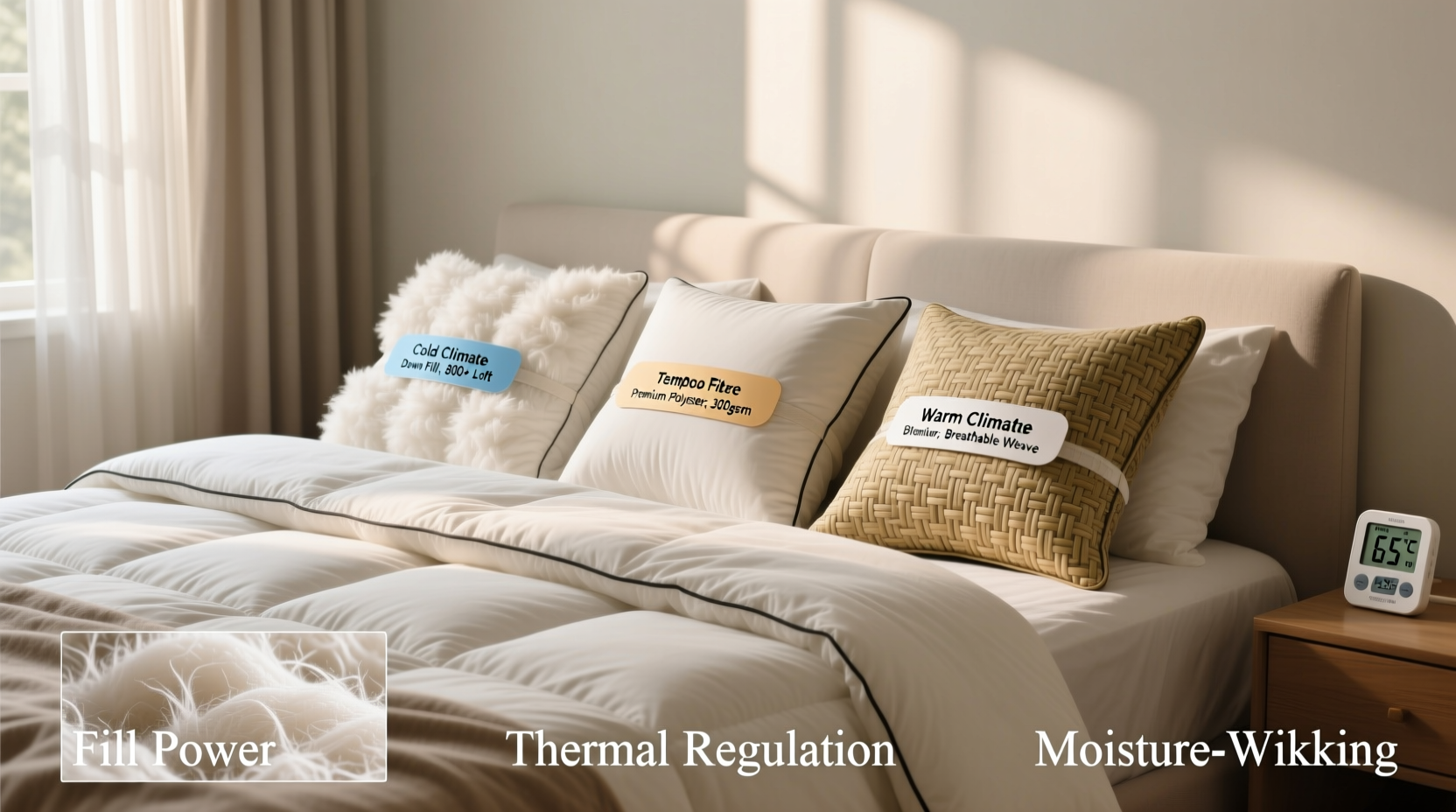
Climates vary widely—not just across regions but also within homes. Indoor heating, humidity levels, insulation quality, and seasonal shifts all influence how warm or cool you feel at night. Broadly, climates fall into three categories: cold, moderate, and hot/humid. Each requires different duvet characteristics to maintain thermal neutrality—the optimal sleeping temperature range of 60–67°F (15–19°C).
In colder climates, insulation is paramount. You need a duvet that traps body heat without feeling heavy. In hot or humid areas, breathability and moisture management become priorities to prevent overheating and clamminess. Even in temperate zones, seasonal changes may require switching inserts—something many overlook when buying a single “all-season” option.
“Your duvet should adapt to your environment, not force you to adapt to it.” — Dr. Lena Torres, Sleep Environment Researcher, National Sleep Foundation
Fill Types and Their Climate Suitability
The core of any duvet insert is its fill. This determines weight, loft, warmth, and airflow. The two main categories are natural (down and feathers) and synthetic (polyester, microfiber, gel-infused fibers). Each has distinct advantages depending on your climate.
Natural Fills: Down and Feather
Down clusters—soft undercoating from geese or ducks—offer exceptional warmth-to-weight ratios. They trap air efficiently, making them ideal for cold climates. High-fill-power down (600+ FP) provides superior insulation with minimal bulk.
- Cold Climates: Opt for 700–900 fill power goose down. It delivers maximum warmth with lightweight comfort.
- Moderate Climates: A 500–600 fill power duck down offers balanced warmth without overheating.
- Hot/Humid Climates: Avoid high-loft down unless used seasonally. Natural down retains heat and can absorb moisture, leading to discomfort in sticky environments.
Feather-heavy fills are less insulating than down but more affordable. However, they’re often heavier and less breathable, making them poor choices for warm regions.
Synthetic Fills: Performance and Practicality
Synthetic inserts have evolved dramatically. Modern versions mimic down’s loft while offering better moisture resistance and hypoallergenic benefits. They’re especially effective in humid or variable climates.
- Polyester Microfiber: Affordable and durable, but tends to flatten over time. Best for mild winters or as a budget-friendly option in moderate zones.
- Gel-Infused or Phase-Change Materials (PCM): Designed to absorb excess heat and release it slowly. Ideal for hot sleepers or humid climates.
- Hollowfibre: Lightweight and breathable, excellent for layering in transitional seasons.
Warmth Ratings and Seasonal Flexibility
Duvet inserts are often labeled by warmth level: light, medium, or extra-warm. These correspond roughly to seasons, but your local climate modifies their effectiveness.
| Warmth Level | Fill Type Examples | Ideal Climate | Best For |
|---|---|---|---|
| Light | Low-loft down, hollowfibre, silk | Hot, humid summers; tropical zones | Summer months, AC-heavy homes |
| Medium | 500–600 fill down, mid-weight synthetics | Moderate springs/falls; temperate zones | Shoulder seasons, year-round in stable climates |
| Extra-Warm | 700+ fill goose down, double-layer synthetics | Cold winters; sub-zero regions | Winter use, poorly insulated rooms |
For those in regions with four distinct seasons, a layered approach works best. Use a medium-weight insert year-round and add a lighter one underneath in winter. Alternatively, keep two separate inserts—one light, one warm—and swap them as needed.
Real-World Example: Choosing for a Coastal Home
Consider Sarah, who lives in Charleston, South Carolina—a city known for hot, muggy summers and mild, damp winters. She initially bought a 650-fill duck down duvet thinking it would last year-round. By June, she was waking up sweaty and restless. Her bedroom, despite AC, held humidity overnight, and the down retained too much heat.
After consulting a sleep specialist, she switched to a dual-system: a lightweight gel-infused synthetic insert for summer and a low-loft down-alternative for winter. She also added a breathable cotton percale duvet cover to enhance airflow. Her sleep quality improved within a week—fewer nighttime awakenings and consistent morning alertness.
Sarah’s experience underscores a key principle: climate-responsive bedding isn’t a luxury—it’s a necessity for sustainable rest.
Step-by-Step Guide to Selecting Your Climate-Appropriate Insert
Follow this practical sequence to ensure your duvet meets both environmental and personal needs.
- Assess Your Local Climate: Track average temperatures and humidity levels in your bedroom throughout the year. Note if you use central heating, AC, or ceiling fans regularly.
- Determine Your Sleep Temperature Preference: Are you a hot sleeper? Do you kick off covers at night? Or do you burrow under layers? Personal habits matter as much as external conditions.
- Choose Fill Type Based on Climate: Cold = high-fill down; Hot/humid = breathable synthetics; Moderate = mid-range down or quality microfiber.
- Select Warmth Level: Match to your coldest or hottest typical night. If extremes vary widely, consider multiple inserts.
- Check Breathability Features: Look for baffle-box construction (prevents fill shifting and maintains airflow), cotton or bamboo covers, and moisture-wicking certifications.
- Test and Adjust: Try the insert for at least two weeks. If you wake up too hot or too cold, reassess fill weight or material.
Common Mistakes to Avoid
- Buying One Size Fits All: Assuming a single duvet works year-round leads to compromised sleep in extreme months.
- Ignoring Indoor Humidity: Even in cooler climates, high indoor humidity can make down feel clammy. Use a hygrometer to monitor levels (ideal: 30–50%).
- Overlooking Construction: Sewn-through stitching compresses fill, reducing insulation efficiency. Baffle-box construction maintains loft and even heat distribution.
- Choosing Price Over Performance: Cheap synthetics degrade quickly and trap heat. Invest in durable, climate-appropriate materials.
Climate-Specific Checklist
Use this checklist to confirm your duvet choice aligns with your environment:
- Cold Climates (e.g., Northern U.S., Canada, Scandinavia)
- ✅ High-fill-power down (700+)
- ✅ Baffle-box construction
- ✅ Duvet cover with tight weave for wind resistance
- ✅ Backup plan for power outages (extra blankets)
- Hot & Humid Climates (e.g., Southeast U.S., Southeast Asia)
- ✅ Moisture-wicking synthetic fill
- ✅ Lightweight, airy cover (linen or percale)
- ✅ Gel-infused or PCM technology
- ✅ Washable insert for hygiene in damp conditions
- Moderate Climates (e.g., Pacific Northwest, Mediterranean)
- ✅ Medium-loft down or premium microfiber
- ✅ Seasonal rotation system
- ✅ Dual-duvet setup for flexibility
- ✅ Natural fiber shell for breathability
Frequently Asked Questions
Can I use the same duvet insert all year?
It depends on your climate stability. In regions with mild seasonal variation, a medium-weight insert may suffice. But in areas with extreme winters or summers, rotating inserts ensures optimal comfort. Many people use a “layering” method—combining light and medium inserts in winter and using them separately the rest of the year.
Is down bad for humid climates?
High-loft down can retain heat and absorb moisture, making it less ideal for consistently humid environments. However, treated down with water-resistant coatings or down alternatives can perform well. For best results in humidity, opt for synthetic or silk inserts, which wick moisture more effectively.
What’s the best duvet for someone who sleeps hot?
Look for lightweight, breathable materials like silk, microfiber, or gel-infused synthetics. Choose a low warmth rating and pair it with a loose-weave cover such as linen or percale cotton. Avoid thick down fills unless they’re specifically designed for temperature regulation.
Final Thoughts and Action Steps
Your duvet insert is more than bedding—it’s a climate control system for your bed. Matching it to your regional weather and indoor environment transforms restless nights into deep, uninterrupted sleep. There’s no universal solution; the right choice depends on where you live, how your room breathes, and how your body responds to temperature shifts.
Start by evaluating your current sleep climate. Are you too warm in summer? Too cold in winter? Then assess your insert’s fill, weight, and construction. Upgrade strategically—don’t replace everything at once. Try a new summer insert first, then evaluate your winter needs later.
Remember, comfort isn’t static. As seasons change, so should your bedding strategy. With thoughtful selection, you can create a sleep sanctuary that adapts seamlessly to the rhythm of the year.
💬 Ready to upgrade your sleep? Share your climate zone and current duvet setup in the comments—we’ll help you find the perfect insert match.








