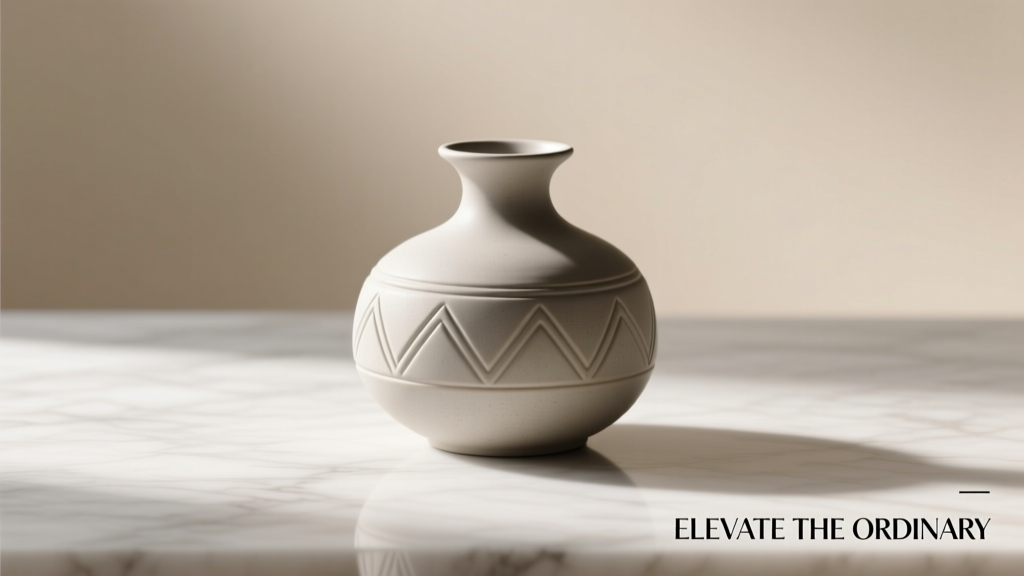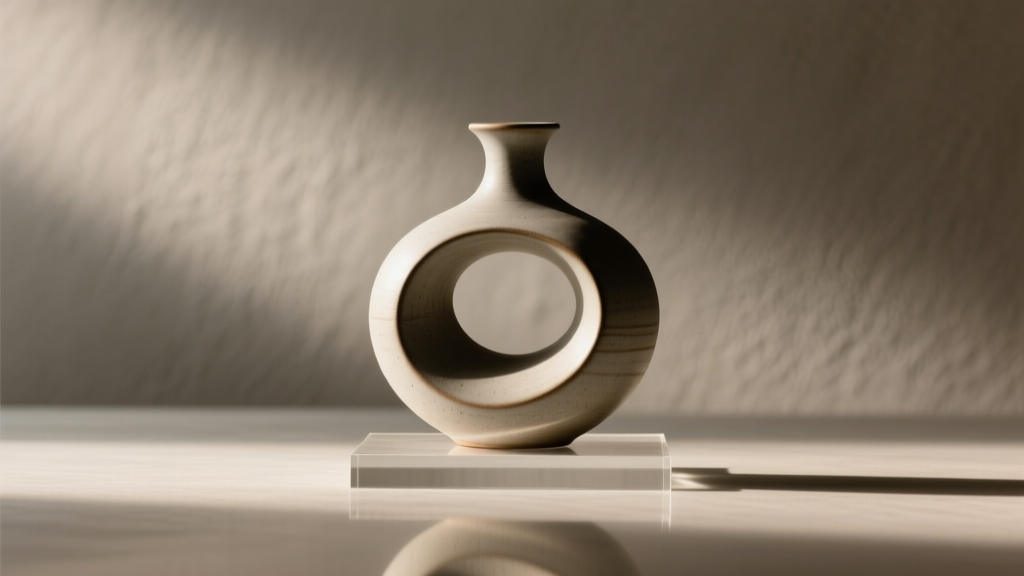
The ceramic ananas—stylized pineapple rendered in stoneware, porcelain, or earthenware—is more than a tropical cliché. It’s a design heirloom with layered symbolism: hospitality, warmth, prosperity, and quiet wit. Originating in 17th-century European courts as a rare luxury imported from the Caribbean, the pineapple became a status symbol long before it landed on doormats and shelf sitters. Today’s ceramic ananas pieces range from minimalist matte-glazed sculptural forms to vibrantly hand-painted folk-art interpretations—and choosing the right one requires intention, not impulse. A poorly scaled or stylistically dissonant ananas can undermine an otherwise cohesive room; a thoughtfully selected one becomes a grounding focal point, a conversation catalyst, and a subtle expression of personal narrative. This guide cuts through trend noise to help you evaluate ceramic ananas decor with the eye of a curator—not just a shopper.
1. Understand the Symbolic Weight—and Why It Matters
Before assessing size or color, pause to consider *why* you’re drawn to the ananas. Its resonance isn’t decorative alone—it’s cultural, historical, and emotional. In Southern U.S. tradition, the pineapple signifies welcome; in Scandinavian design, its geometric form aligns with mid-century modernist appreciation for organic abstraction; in Japanese ceramics, the fruit appears in shibui wabi-sabi pieces where imperfections in glaze or asymmetry in shape are celebrated as marks of authenticity.
This symbolism informs placement and pairing. A glossy, gold-trimmed ananas feels at home in a formal entryway where guests are greeted. A raw, unglazed terracotta version suits a sun-drenched kitchen counter beside olive oil and dried herbs. A matte-black ananas with rough-hewn texture complements industrial lofts or monochrome minimalist spaces—not because it “matches,” but because it shares the same visual language of material honesty.
“The best ceramic ananas doesn’t shout ‘tropical.’ It whispers intention. When placed deliberately, it becomes a punctuation mark in your spatial grammar—never filler.” — Lena Torres, Curator of Decorative Arts, Museum of Domestic Design & Innovation
2. Evaluate Craftsmanship Beyond Surface Appeal
A ceramic ananas is not mass-produced like plastic resin decor. Its value lives in the maker’s hand: the thickness of the walls, the integrity of the base, the consistency of the glaze, and the precision of the leaf detail. Look closely—not just at photos, but at product descriptions and origin details.
Hand-thrown pieces will show subtle variation in height, curvature, and weight distribution—signs of human involvement, not flaws. Mold-cast ceramics may offer uniformity but risk thin, brittle stems or hollow interiors that compromise stability. Check for these physical indicators:
- Base stability: Does it sit flat without wobbling? A well-centered foot ring or wide, weighted base prevents tipping—especially important on narrow shelves or mantels.
- Glaze depth and coverage: Run your finger along the underside. Dripping glaze (intentional or not) should be smooth and fully vitrified—not chalky, sticky, or pooling unevenly. Pinholes or bare clay spots suggest underfiring or rushed production.
- Leaf articulation: Real pineapple leaves spiral in a Fibonacci sequence. The most compelling ceramic versions echo this rhythm—even abstractly—with layered, overlapping forms rather than flat, symmetrical cutouts.
3. Match Scale, Proportion, and Visual Weight to Your Space
Scale is the most common misstep. A 12-inch ananas dominates a small bookshelf but vanishes on a 9-foot console. Use architectural context—not just square footage—to guide selection. Measure the surface where it will live, then apply the Rule of Thirds for Objects:
- Determine the visual height zone of your surface: For a mantel, it’s the vertical space between the top of the fireplace opening and the ceiling trim; for a sideboard, it’s the area between the tabletop and the bottom of wall art above.
- Divide that zone into thirds. Your ananas should occupy roughly one-third of that height—or align with the upper or lower third as a deliberate anchor point.
- Consider negative space: Allow at least 1.5x the ananas’s width in clearance on either side. Crowding invites visual fatigue.
Here’s how scale translates across common settings:
| Surface Type | Recommended Height Range | Why This Works |
|---|---|---|
| Mantelpiece (standard 48–60\" wide) | 6–9 inches | Fits comfortably within the “eye-level sweet spot” without competing with flanking objects or wall art. |
| Kitchen Counter or Island | 4–7 inches | Remains visible over backsplashes and doesn’t obstruct workflow; pairs well with salt cellars or citrus bowls. |
| Entryway Console Table | 8–12 inches | Creates presence at seated or standing eye level; balances with mirror or lighting above. |
| Bookshelf Tier (12\" deep) | 3–5 inches | Prevents visual “top-heaviness”; allows breathing room among spines and smaller objects. |
| Bathroom Vanity or Shelf | 3–4 inches | Complements soap dishes and towels without feeling oversized in humid environments. |
4. Harmonize Style, Color, and Finish With Existing Elements
Forget “matching.” Aim for dialogue. A ceramic ananas shouldn’t replicate your sofa fabric or mimic your tile grout—it should converse with them. That means analyzing three layers of your space’s aesthetic DNA:
- Material palette: Is your room dominated by warm woods, cool metals, stone, or plaster? A matte, iron-rich stoneware ananas echoes walnut grain; a high-gloss cobalt glaze mirrors polished nickel hardware.
- Color temperature: Warm-toned rooms (creams, ochres, burnt sienna) respond best to ananas in amber, terracotta, or honey-glazed finishes. Cool-toned spaces (greys, sage, slate) gain vitality from celadon, indigo, or ash-grey glazes.
- Design era cues: Mid-century modern? Prioritize clean lines, tapered bases, and subtle texture. Coastal cottage? Lean into hand-brushed glazes and irregular leaf edges. Japandi? Choose restrained forms with intentional asymmetry and subdued earth tones.
Avoid the “tropical overload” trap—pairing a bright yellow ananas with palm-print wallpaper and rattan furniture. Instead, let the ananas be the sole nod to exuberance in an otherwise grounded composition. One collector in Portland, Oregon, placed a single matte-black ananas on a white oak credenza beside a vintage brass floor lamp and a stack of black-and-white architecture monographs. “It’s the only curve in the whole room,” she explains. “Everything else is straight lines or sharp angles. The pineapple isn’t ‘tropical’ there—it’s a soft counterpoint. People ask about it constantly, but no one assumes it’s ‘for summer.’”
5. Practical Placement and Long-Term Care Considerations
Ceramic ananas decor is not purely ornamental—it’s functional in subtle ways. Its weight provides tactile grounding; its form creates shadow play; its surface reflects ambient light. But durability depends on smart placement and maintenance.
First, avoid locations prone to thermal shock or moisture migration. Never place a ceramic ananas directly on a heated bathroom floor, near a steamy shower, or on a windowsill facing full afternoon sun—repeated expansion/contraction stresses glaze and body. Similarly, don’t position it where it might be bumped, knocked over, or exposed to cleaning sprays containing vinegar or citric acid, which can etch alkaline glazes over time.
For longevity, follow this simple care protocol:
- Dusting: Weekly with a soft microfiber cloth—no abrasives.
- Deep cleaning: Every 3–4 months using pH-neutral dish soap, lukewarm water, and a soft sponge. Rinse thoroughly and air-dry upright on a lint-free towel.
- Storage (if seasonal): Wrap individually in acid-free tissue paper, not newspaper (ink transfers), and store upright in a climate-stable cupboard—not the attic or garage.
FAQ
Are ceramic ananas pieces food-safe?
Only if explicitly labeled “dishwasher-, microwave-, and food-safe” by the maker. Most decorative ananas are fired for aesthetics—not functional use—and may contain lead or cadmium in glazes not intended for contact with consumables. Never use them as fruit bowls unless certified.
Can I mix different ananas styles in one room?
Yes—if approached with curatorial discipline. Limit to two variations maximum: e.g., one matte-textured ananas on a shelf and one glossy-glazed version on a side table. Ensure they share at least one unifying element—same height range, complementary glaze temperatures (both warm or both cool), or consistent leaf orientation (all spiraling clockwise). Avoid mixing highly detailed folk-art versions with ultra-minimalist forms—they speak different dialects.
Do handmade ananas hold resale value?
Exceptionally crafted pieces by recognized ceramic artists—particularly limited editions with signed bases or studio stamps—do appreciate over time. Look for makers with gallery representation or inclusion in museum collections. Mass-produced imports rarely retain value beyond sentimental worth.
Conclusion
Choosing the best ceramic ananas isn’t about finding the “cutest” or “most Instagrammable” piece. It’s about selecting an object that resonates with your values, responds to your architecture, and rewards daily observation. It’s about honoring centuries of craft tradition while making space for your own story—a quiet declaration that hospitality, curiosity, and joy belong in the everyday. Don’t rush the decision. Visit local studios. Hold pieces in your hands. Compare them against your wall paint in natural light. Let the right ananas earn its place—not as decoration, but as dialogue.
💬 Your turn: Share how you’ve integrated a ceramic ananas into your home—not just where, but why it works. What does it say about your space? We read every comment and feature thoughtful insights in our monthly Design Dialogues newsletter.