Walking into a beautifully styled living room, one of the first things that catches the eye is often the sofa—specifically, the cushion covers. They set the tone for comfort, color, and character. But when it comes time to replace or refresh them, a common dilemma arises: should you invest in high-end designer cushion covers, or will affordable alternatives do just as well?
The answer isn’t always straightforward. While premium brands promise luxury fabrics, superior craftsmanship, and timeless design, budget options have improved dramatically in recent years. To help you make an informed decision, we’ll compare quality, longevity, aesthetics, care requirements, and overall value between high-end and budget cushion covers.
Material Quality and Durability
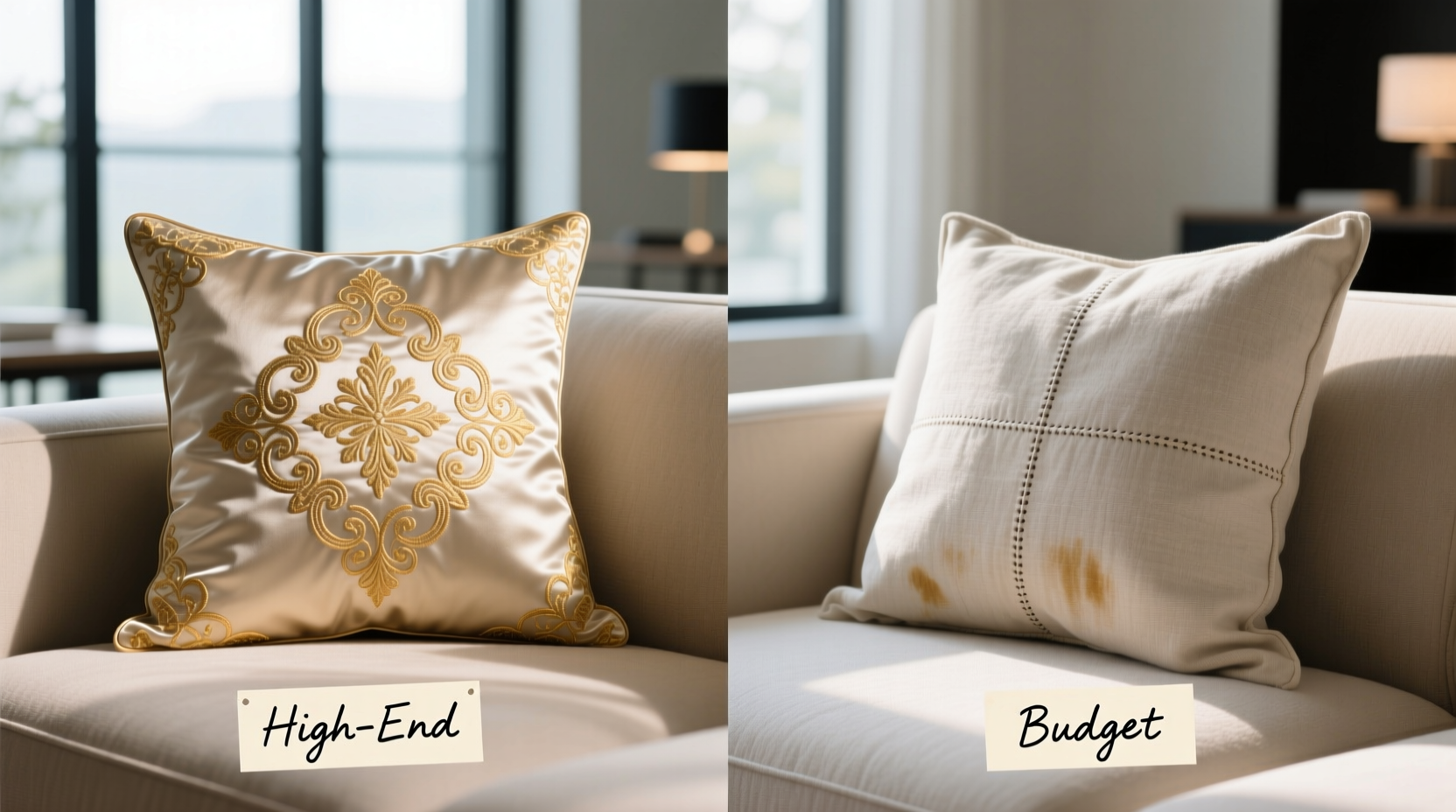
The foundation of any cushion cover lies in its fabric. High-end options typically use natural fibers like linen, cotton velvet, wool blends, or even silk. These materials offer a rich hand-feel, excellent breathability, and tend to age gracefully. Linen, for instance, becomes softer with each wash while maintaining strength.
Budget covers, on the other hand, often rely on polyester, acrylic, or blended synthetics. These materials can mimic the look of natural fibers at a fraction of the cost, but they come with trade-offs. Polyester may pill over time, fade in sunlight, and trap heat more than breathable natural textiles. In high-traffic areas, cheaper weaves can fray or develop loose threads within months.
“Luxury cushion covers aren’t just about brand names—they reflect investment in fiber integrity, dye stability, and construction precision.” — Clara Bennett, Interior Textile ConsultantTip: Run your hand over the fabric—tight weaves and consistent texture usually indicate higher quality, whether high-end or budget.
Construction and Craftsmanship
Beyond fabric, how a cushion cover is made significantly impacts its lifespan. Premium brands often feature double-stitched seams, hidden zippers, piped edges, and reinforced corners. These details prevent seam splitting and maintain shape after repeated use and washing.
Budget versions may cut corners: single stitching, exposed zippers, or flimsy closures. Over time, these weaknesses show—zippers jam, corners gape, and seams unravel. A well-constructed cover should feel sturdy yet supple, with no loose threads or uneven hems.
Another subtle difference is lining. High-end covers frequently include a secondary inner lining (like cotton cambric) to protect the insert and reduce wear. Most budget models skip this layer, increasing friction between the insert and outer fabric, which accelerates pilling and thinning.
Cost vs. Long-Term Value: A Real Comparison
Let’s put numbers to the comparison. A high-end linen cushion cover from a reputable designer might cost $80–$120 each. A comparable-sized budget option from a mass retailer could be as low as $15–$30.
At first glance, the savings seem clear. But consider longevity. A premium cover, properly cared for, can last 5–7 years or more in a typical living room. The budget version may need replacing every 12–18 months due to fading, pilling, or seam failure.
| Feature | High-End Cover | Budget Cover |
|---|---|---|
| Average Price | $90 | $25 |
| Lifespan | 5–7 years | 1–1.5 years |
| Replacement Frequency | Once | 4–5 times over 7 years |
| Total Cost Over 7 Years | $90 | $100–$125 |
| Fabric Type | Natural (linen, cotton velvet) | Synthetic (polyester blend) |
| Care Requirements | Hand wash or gentle machine cycle | Machine washable, but prone to shrinkage |
When viewed through this lens, the premium option not only lasts longer but may actually save money over time. Plus, there’s less waste and fewer disruptions to your decor rhythm.
Style, Versatility, and Design Integrity
Premium cushion covers often feature curated color palettes, unique weaves, and artisanal details like embroidery or hand-dyeing. These elements contribute to a cohesive, elevated aesthetic that integrates seamlessly into thoughtfully designed interiors.
Budget covers tend to follow fast-fashion trends—bold patterns, saturated colors, novelty prints—that can feel dated quickly. While fun for short-term styling, they rarely stand the test of time in terms of design relevance.
Moreover, high-end brands prioritize colorfastness. Their dyes are rigorously tested to resist fading from sunlight and washing. Many budget manufacturers use lower-grade dyes that bleed or fade after just a few cleanings, altering the original look of your space.
Mini Case Study: Sarah’s Living Room Refresh
Sarah, a graphic designer in Portland, redecorated her living room two years ago. She opted for four statement cushion covers—one set high-end Belgian linen ($100 each), the other a trendy printed polyester set from a big-box store ($22 each).
After 18 months, the budget covers showed visible wear: one zipper broke, two had pilling on the surface, and all had faded noticeably near the windows. The linen covers, washed twice using a gentle cycle, remained intact, soft, and rich in color. Though initially more expensive, Sarah found herself replacing the cheaper set entirely while keeping the premium ones.
“I thought I was saving money,” she said. “But I ended up spending more and was frustrated with the constant upkeep.”
When Budget Covers Make Sense
That doesn’t mean budget cushion covers are never a smart choice. They shine in specific scenarios:
- Renters who want to personalize a space without long-term investment.
- Seasonal decor, such as holiday-themed cushions used for a few weeks a year.
- Outdoor or kids’ spaces where spills and stains are frequent and replacement is expected.
- Testing a color or pattern before committing to a full furniture update.
In these cases, the lower price point allows for flexibility and experimentation without financial strain.
How to Choose Wisely: A Practical Checklist
Whether you lean toward luxury or affordability, use this checklist to ensure you’re getting the best value:
- Check the fabric content label—prioritize natural fibers for longevity.
- Inspect the stitching: tight, double-stitched seams are a sign of durability.
- Look for a hidden zipper or YKK closure—more durable and discreet.
- Feel the weight: heavier fabric usually means better density and resilience.
- Ask about colorfastness—especially important for sun-exposed areas.
- Consider ease of care: machine-washable doesn’t always mean long-lasting.
- Read reviews focusing on long-term performance, not just initial impressions.
Frequently Asked Questions
Are high-end cushion covers worth it for a rental apartment?
Generally, no—unless you plan to stay long-term. For renters, mid-range or budget covers offer flexibility and lower risk. However, if you love a piece enough to take it with you, investing in quality makes sense.
Can I mix high-end and budget covers in the same room?
Yes, but be strategic. Use premium covers on focal-point pieces (like the sofa), and budget options on accent chairs or floor cushions. Stick to a unified color palette to maintain cohesion.
Do expensive cushion covers require special cleaning?
Some do—especially those made from delicate natural fibers. Always check care labels. Many high-end covers recommend dry cleaning or cold hand washing. If you prefer low maintenance, look for brands offering machine-washable linen or performance-grade organic cotton.
Final Verdict: It Depends on Your Priorities
So, are fancy cushion covers really worth it? The answer depends on your lifestyle, design goals, and how you define value.
If you prioritize lasting beauty, sustainability, and timeless design, high-end covers deliver unmatched return on investment. They age well, support ethical manufacturing, and contribute to a refined interior narrative.
If you value variety, trend responsiveness, or need temporary solutions, budget covers serve a practical purpose. Just go in with realistic expectations about their lifespan.
💬 Ready to upgrade your living space with confidence? Start by evaluating how often you use your cushions and how long you want them to last. Then choose quality accordingly—not just price. Share your favorite cushion cover tips in the comments below!








