Gift shopping often turns into a frustrating routine: scrolling through the same online marketplaces, choosing from mass-produced items, and hoping the recipient will appreciate something generic. But there’s a better way. Gift and hobby shows have quietly become treasure troves for thoughtful, original presents that reflect personality, craftsmanship, and intention. These events gather independent artisans, crafters, and niche vendors under one roof, offering an experience far beyond traditional retail. Whether you're shopping for a hard-to-please relative, a best friend’s birthday, or holiday gifting, these shows deliver inspiration and authenticity in every corner.
Why Gift and Hobby Shows Stand Out
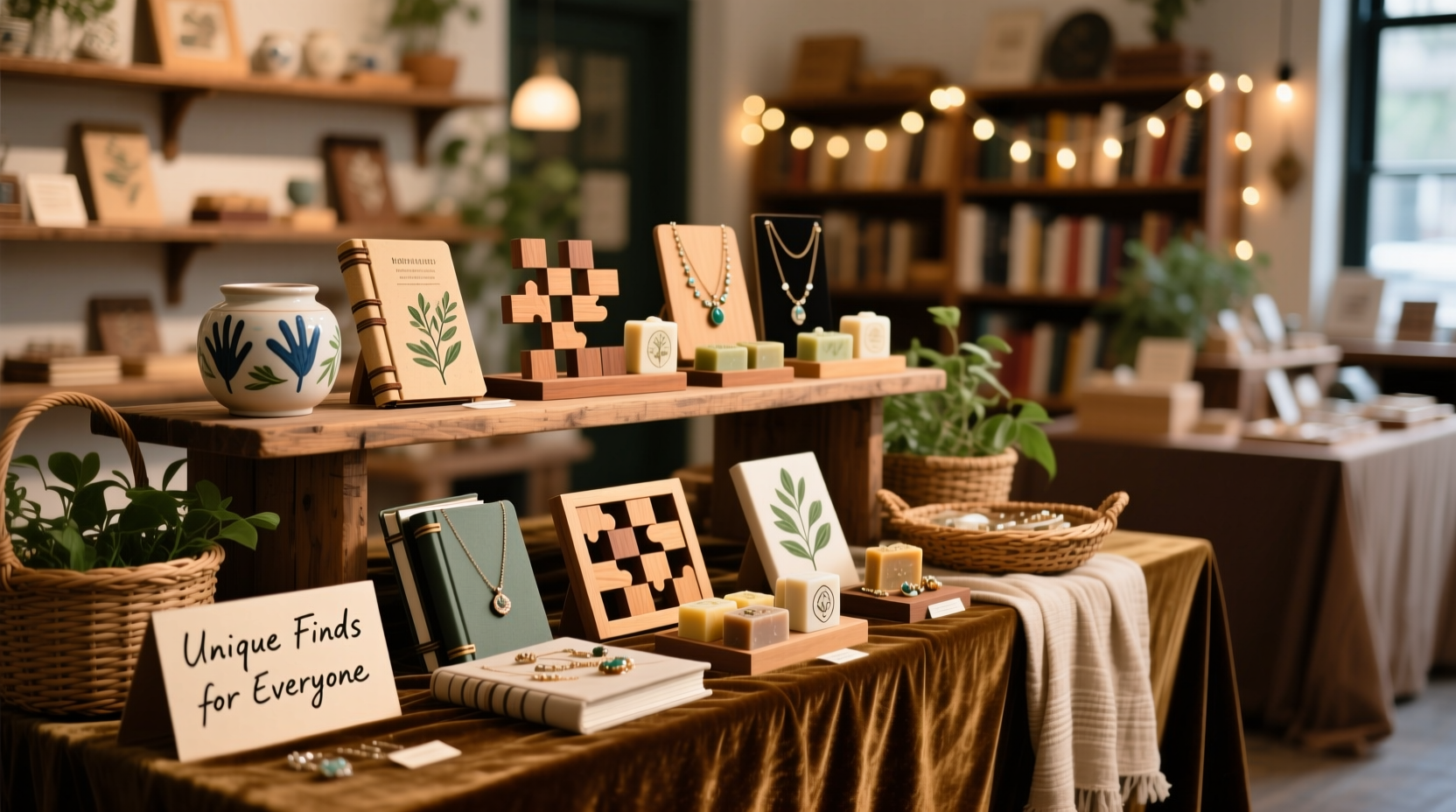
Unlike department stores or e-commerce platforms driven by algorithms and bulk inventory, gift and hobby shows emphasize creativity, personal connection, and local talent. Vendors are often the makers themselves—people who pour time, skill, and passion into their products. This direct creator-to-consumer model means you’re not just buying a product; you’re supporting small businesses and receiving stories behind each item.
These shows typically feature handcrafted jewelry, artisanal foods, custom home décor, leather goods, pottery, textiles, and seasonal specialties. Because many exhibitors create limited runs or accept custom orders, you can find truly one-of-a-kind pieces. Plus, interacting with the creators allows you to ask questions about materials, care instructions, or even request minor modifications—something impossible with off-the-shelf items.
“Gift shows offer emotional value that big-box retailers can’t replicate. When someone receives a handmade candle labeled with their name, they feel seen.” — Lila Nguyen, Curator of Regional Craft Fairs
How to Navigate a Gift and Hobby Show Like a Pro
Walking into a bustling exhibition hall filled with dozens of booths can be overwhelming. Without a strategy, it’s easy to get distracted by flashy displays or end up buying on impulse without purpose. A few smart approaches can transform your visit from chaotic to productive.
Tip: Arrive early in the day to avoid crowds and give yourself time to revisit favorite vendors before making purchases.Create a Shopping List (With Flexibility)
Before attending, list the people you’re shopping for and note their interests, hobbies, and preferences. Are they into gardening? Look for hand-poured planters or seed kits. Do they love cooking? Seek out infused oils, spice blends, or hand-carved utensils. Having a mental framework helps you filter options quickly—but stay open to surprises. Some of the best finds come from unexpected stalls.
Talk to the Makers
Engage with exhibitors. Ask how they started their business, what inspires their designs, or whether customization is available. Not only does this deepen your appreciation, but it also increases the chance of walking away with something tailored—like a monogrammed notebook or a scent blend made just for your sister’s favorite floral aroma.
Bring Cash and Small Bills
While most vendors now accept cards or mobile payments, smaller artisans may prefer cash or offer discounts for it. Having $5, $10, and $20 bills makes transactions smoother and might earn you a free sample or bonus item.
Types of Unique Gifts You’ll Actually Want to Give
The appeal of gift and hobby shows lies in their diversity. Here’s a breakdown of standout categories and why they make excellent presents.
| Category | Why It Works | Ideal For |
|---|---|---|
| Handmade Jewelry | Often features semi-precious stones, recycled metals, or nature-inspired designs not found in chain stores. | Birthdays, anniversaries, self-care gifts |
| Artisanal Food & Beverages | Small-batch jams, hot sauces, herbal teas, or infused honey offer gourmet quality with story-rich branding. | Hostess gifts, holiday baskets, foodies |
| Custom Home Décor | Wooden signs, embroidered pillows, or painted ceramics add personality to living spaces. | Housewarmings, newlyweds, interior design lovers |
| Eco-Friendly Products | Reusable beeswax wraps, bamboo toothbrushes, or soy candles appeal to environmentally conscious recipients. | Green-living advocates, zero-waste beginners |
| Personalized Stationery | Notebooks, greeting cards, or planners with hand-lettered details make writing feel special again. | Students, professionals, journal keepers |
A Real Example: Finding the Perfect Teacher Gift
Sarah attended her local winter gift and hobby show looking for something meaningful for her daughter’s kindergarten teacher. Store-bought mugs and gift cards felt impersonal. At one booth, she discovered a ceramicist selling hand-thrown mugs, each named after a type of tree. She chose the “Maple” mug—symbolizing strength and sweetness—and asked if the artist could engrave the teacher’s name on the bottom. The artisan agreed and completed it within 20 minutes. Sarah added a jar of lavender honey from a nearby vendor and tied it all together with twine and dried flowers. The teacher later emailed to say it was the most thoughtful gift she’d ever received.
This moment captures the essence of gift and hobby shows: personalization, immediacy, and heart.
Step-by-Step Guide to Maximizing Your Visit
- Research the Event Ahead of Time: Check the show’s website for vendor lists, floor maps, and featured attractions. Identify 5–7 must-see booths based on your gift list.
- Dress Comfortably: Wear supportive shoes and layers. Exhibition halls can be drafty or crowded.
- Bring a Reusable Tote: Avoid accumulating plastic bags and protect fragile items during transit.
- Do a Scout Walk First: Circulate through the entire space without buying. Take notes or photos (with permission) to compare options.
- Prioritize Quality Over Quantity: Focus on a few standout gifts rather than filling a bag with trinkets.
- Ask About Shipping Options: If purchasing bulky items like furniture or large art, check if the vendor offers delivery or mail services.
- Collect Business Cards: Even if you don’t buy immediately, you can follow up later for custom orders or restocks.
Common Pitfalls to Avoid
- Rushing the Experience: Don’t treat it like a grocery run. Allow at least two hours to explore mindfully.
- Overlooking Price Negotiation: While not always appropriate, some vendors may offer a slight discount if you buy multiple items.
- Ignoring Return Policies: Clarify exchange rules before purchasing, especially for custom work.
- Forgetting Wrapping Supplies: Some vendors sell beautiful wrapping paper or offer gift boxing for a small fee. Bring your own ribbon or tags if you want a cohesive look.
Frequently Asked Questions
Are gift and hobby shows only for holiday shopping?
No. While many occur in the fall and winter, others are held year-round focusing on themes like spring crafts, garden art, or back-to-school handmade supplies. Check local event calendars for dates near you.
Can I commission a custom piece if I don’t see exactly what I want?
Yes, many artisans welcome custom orders. Discuss timelines and costs upfront, and confirm whether a deposit is required. Most are happy to create something special if given enough notice.
Are prices generally higher than online stores?
They can be slightly higher due to craftsmanship and materials, but you’re paying for uniqueness, ethical production, and direct support to creators. Consider it an investment in quality and meaning.
Final Thoughts: Make Gifting Meaningful Again
In an age of instant gratification and algorithm-driven recommendations, gift and hobby shows remind us that thoughtfulness still matters. They invite us to slow down, engage with makers, and choose presents that carry emotion, story, and soul. The next time you face a blank calendar full of birthdays, retirements, or housewarmings, skip the endless online scroll. Step into a gift and hobby show instead. You’ll leave not just with a present, but with a memory of how it came to be.
💬 Have you found a life-changing gift at a hobby show? Share your story in the comments and inspire others to explore these creative markets!








