In recent years, the flower doll pillow has gained popularity on social media and e-commerce platforms. Marketed as a blend of decorative charm and functional support, these floral-shaped cushions promise both aesthetic appeal and comfort. But how do they stack up against traditional sleeping pillows when it comes to actual sleep quality? While their whimsical design may win points for Instagram aesthetics, the real question is whether they offer the kind of ergonomic support needed for restful, healthy sleep.
This article examines the structural, material, and physiological differences between flower doll pillows and traditional pillows. We’ll explore user experiences, expert insights, and practical considerations to determine if flower pillows are genuinely suitable for nightly use—or if they’re better suited as decorative accents.
What Is a Flower Doll Pillow?
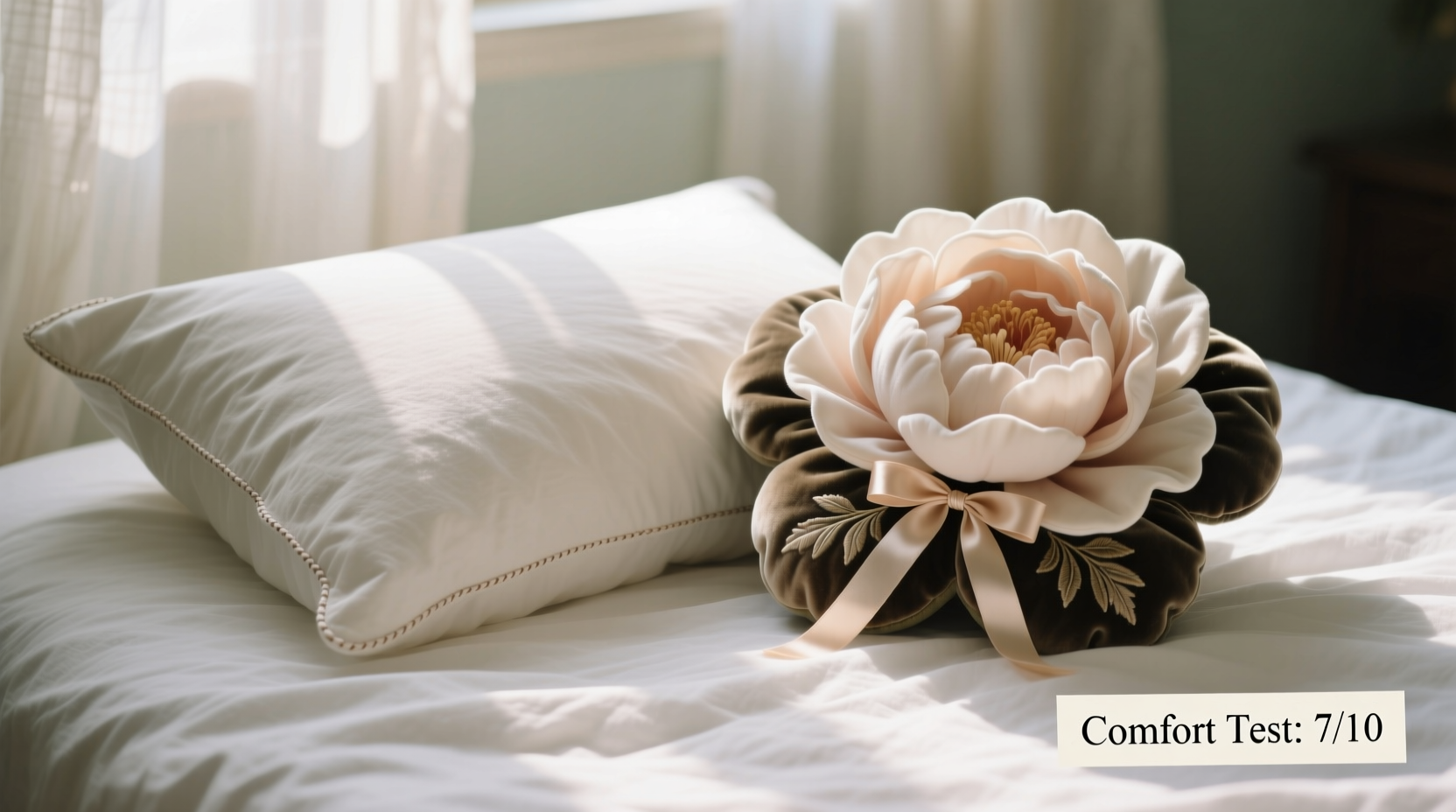
A flower doll pillow is typically a small, plush cushion shaped like a blooming flower, often with layered fabric petals and a central stuffed core. These pillows are usually made from soft polyester fiberfill and come in pastel colors or floral prints. Some versions include aromatic elements like lavender or chamomile, marketed to promote relaxation.
Originally designed as novelty items or children’s toys, flower doll pillows have been repositioned by influencers and online retailers as “cozy sleep aids.” However, most are not engineered with spinal alignment or pressure distribution in mind—key factors in determining a pillow’s true sleep functionality.
Tip: If using a flower doll pillow for sleep, place it under your primary pillow for subtle scent therapy without sacrificing support.Traditional Pillows: Designed for Sleep Science
Traditional sleeping pillows—such as memory foam, down, latex, or buckwheat varieties—are developed based on orthopedic research. Their height (loft), firmness, and material composition are calibrated to maintain neutral spine alignment during sleep, especially depending on a person’s preferred sleeping position.
- Side sleepers generally need higher-loft pillows to fill the gap between the shoulder and head.
- Back sleepers benefit from medium-loft pillows that support the natural curve of the neck.
- Stomach sleepers require low-loft or even no pillow to avoid excessive neck flexion.
Unlike decorative flower dolls, traditional pillows undergo testing for durability, breathability, and pressure relief. Brands often collaborate with sleep specialists and chiropractors to refine designs that reduce morning stiffness and improve sleep continuity.
“Pillows should support the cervical spine, not just cradle the head. Aesthetic appeal means little if posture suffers.” — Dr. Lena Torres, Chiropractic Sleep Consultant
Comfort Comparison: Design vs. Functionality
The comfort of a pillow isn’t just about softness—it’s about how well it maintains proper head and neck alignment over several hours. Here’s a direct comparison between flower doll pillows and traditional options:
| Feature | Flower Doll Pillow | Traditional Pillow |
|---|---|---|
| Support Level | Low – primarily decorative; lacks structural integrity | High – engineered for consistent support |
| Neck Alignment | Poor – uneven shape disrupts natural posture | Optimized – promotes neutral spine position |
| Material Durability | Moderate – fibers flatten quickly with regular use | High – retains loft and resilience over time |
| Sleep Position Suitability | Limited – best for occasional lounging | Adaptable – available for side, back, and stomach sleepers |
| Hypoallergenic Options | Rare – often made with synthetic dyes and non-breathable fabrics | Common – many are certified hypoallergenic and antimicrobial |
While flower doll pillows may feel soft initially, their irregular shape and lack of targeted support often lead to discomfort after prolonged use. Traditional pillows, by contrast, are built to distribute weight evenly and minimize pressure points.
Real-World Experience: A Mini Case Study
Sophie, a 32-year-old graphic designer and side sleeper, purchased a popular lavender-scented flower doll pillow after seeing it featured in a lifestyle blog. She used it for two weeks as her primary nighttime pillow, placing it directly under her head.
Within five days, Sophie reported waking up with tightness in her upper trapezius muscles and mild headaches. She noticed her neck was tilted at an awkward angle due to the pillow’s petal-like layers compressing unevenly. After switching back to her memory foam pillow, her symptoms resolved within three days.
When asked, Sophie said, “It looked so cozy and smelled nice, but my body clearly rejected it. I now use it as a seat cushion in my reading nook instead.”
This case reflects a common pattern: emotional appeal overrides functional assessment until physical feedback sets in.
When Flower Doll Pillows Work—and When They Don’t
That doesn’t mean flower doll pillows are useless. They can serve valuable secondary roles:
- As a calming sensory aid for meditation or nap-time relaxation
- In children’s rooms for imaginative play and light comfort
- As a fragrance diffuser when filled with dried herbs
- For decorative use on beds, sofas, or window seats
However, relying on them as primary sleep surfaces risks poor posture, muscle strain, and disrupted REM cycles. The human head weighs between 10–12 pounds, and without proper support, the cervical vertebrae endure unnecessary stress.
Tip: Never replace your main pillow with a flower doll. Use it as a supplemental item for ambiance or aromatherapy.Choosing the Right Pillow: A Practical Checklist
To make an informed decision, consider the following before purchasing any pillow:
- ✅ Determine your primary sleep position (side, back, stomach).
- ✅ Measure your shoulder width and mattress thickness to estimate ideal pillow loft.
- ✅ Prioritize materials that suit your health needs (hypoallergenic, breathable, temperature-regulating).
- ✅ Avoid pillows with exaggerated shapes unless intended for decoration only.
- ✅ Test return policies—many reputable brands offer 30- to 100-night trial periods.
- ✅ Read verified customer reviews focusing on long-term comfort, not just appearance.
- ✅ Consult a physical therapist or sleep specialist if you have chronic neck or shoulder pain.
Frequently Asked Questions
Can I use a flower doll pillow if I have neck pain?
No. Flower doll pillows lack the consistent support required for cervical stabilization. Using them regularly may worsen neck pain due to misalignment. Opt for orthopedic or contoured memory foam pillows instead.
Are flower doll pillows safe for kids to sleep on?
Occasional use is generally safe, but they are not recommended for nightly sleep. Children’s spines are still developing, and improper support can affect posture. Choose pediatric-approved pillows with appropriate firmness and size.
Do scented flower pillows help with insomnia?
Aromatherapy from natural fillings like lavender may promote relaxation, but scent alone won’t address root causes of insomnia. Combine such pillows with proven sleep hygiene practices—consistent bedtime, screen reduction, and a cool room—for best results.
Final Verdict: Style Shouldn’t Replace Support
Flower doll pillows are charming, undeniably cute, and perfect for adding a touch of whimsy to a bedroom. But when it comes to actual sleep comfort and spinal health, they fall short. True comfort isn’t just about softness or fragrance—it’s about consistency, alignment, and long-term wellness.
Traditional pillows remain the gold standard because they’re built on decades of biomechanical research. While trends come and go, the fundamentals of restorative sleep don’t change. Your pillow should work silently through the night, supporting you without demanding attention.
If you love the look of flower doll pillows, keep them in your space—but reserve them for decoration or short-term use. For deep, uninterrupted sleep, trust science over style.
💬 Have you tried a flower doll pillow for sleep? Share your experience in the comments—your insight could help others choose wisely!