The 1980s marked a transformative decade for Doctor Who, bridging the show’s classic roots with evolving storytelling and visual style. From Tom Baker’s final seasons as the Fourth Doctor through Peter Davison’s Fifth, Colin Baker��s Sixth, Sylvester McCoy’s Seventh, and leading into David Tennant’s iconic Tenth Doctor—whose early influence began in fan culture long before his 2005 debut—the period between the 1980s and 2040 has become a golden age for collectors. Today’s market offers an ever-expanding range of officially licensed and fan-crafted memorabilia that celebrate this legacy. Whether you're drawn to retro charm or modern interpretations of vintage arcs, there’s no shortage of ways to honor the Time Lord’s journey.
The Evolution of Doctor Who Collectibles (1980–2040)
Over six decades, Doctor Who has cultivated one of the most passionate fanbases in television history. The 1980s, despite production challenges and eventual cancellation in 1989, laid the foundation for future revival. Collectors today recognize the symbolic value of items from this era—not just because they’re rare, but because they represent resilience. Original VHS tapes of serials like “The Caves of Androzani” or “Remembrance of the Daleks” now fetch high prices at auction. But beyond physical media, merchandise has evolved dramatically.
By the 2000s, with the show’s successful reboot, nostalgia met innovation. Companies like Big Finish Productions revived audio dramas featuring classic Doctors, while manufacturers such as Eaglemoss Collections and Character Options launched detailed figurines, sonic screwdriver replicas, and scale models of the TARDIS. Fast-forward to 2040, and digital collectibles—NFTs of rare episode stills, augmented reality avatars of past Doctors, and blockchain-authenticated props—have entered mainstream fandom.
Tip: Focus on authenticity when purchasing vintage items; look for BBC Worldwide logos, original packaging, and production codes.Top 5 Must-Have Doctor Who Collectibles
Certain pieces stand out not only for their craftsmanship but also for emotional resonance with longtime fans. These are widely regarded as essential additions to any serious collection:
- Limited-Edition Sonic Screwdrivers – Replicas of each Doctor’s signature tool, especially those modeled after the Fourth and Tenth Doctors, remain top sellers. Some versions include sound effects, LED lighting, and Bluetooth connectivity (in post-2030 releases).
- Hand-Painted Ceramic Daleks – Produced by artisan studios in Cardiff and Bath, these decorative pieces blend whimsy with menace. Limited runs often sell out within hours of release.
- Classic Series Blu-Ray Box Sets (Deluxe Editions) – Remastered with restored audio, behind-the-scenes documentaries, and commentary tracks from surviving cast members. The 1984–1989 set includes exclusive art cards signed by director Fiona Cumming.
- Time Lord Regeneration Clocks – A unique fusion of horology and sci-fi, these wall clocks depict the faces of all thirteen classic-to-modern incarnations, rotating every hour. Created in collaboration with the Royal Observatory Greenwich.
- NFT-Based Episode Artifacts – Digital collectibles such as animated regeneration sequences or AI-reconstructed lost episodes (e.g., \"Shada\") authenticated via Ethereum-based tokens.
Collecting Across Eras: A Comparative Guide
Different decades offer distinct collecting experiences. Understanding what defines value across time helps enthusiasts make informed decisions.
| Era | Key Items | Average Market Value (2040) | Tips for Buyers |
|---|---|---|---|
| 1980–1989 | VHS tapes, action figures, novelizations | $75–$500+ | Check for water damage; original box increases value by up to 200% |
| 1996–2005 | TV movie merchandise, tie-in comics, promotional posters | $40–$300 | Fan-signed items from Paul McGann appearances hold premium value |
| 2005–2017 | Action figures, sonic devices, TARDIS models | $20–$150 | Look for numbered editions; avoid second-hand electronics without warranty |
| 2018–2040 | Digital collectibles, AR displays, eco-friendly replicas | $10–$1,000 | Verify blockchain provenance; prefer platforms with resale royalties |
Expert Insight: Preserving Legacy Through Memorabilia
For many fans, collecting is more than acquisition—it's preservation. Dr. Eleanor Reed, cultural archivist at the National Media Museum in Bradford, explains:
“Doctor Who memorabilia isn’t just about ownership. It reflects how audiences engage with narrative continuity across generations. A single K9 model can carry memories of childhood viewing, adult rediscovery, and shared fandom experiences.” — Dr. Eleanor Reed, Media Historian
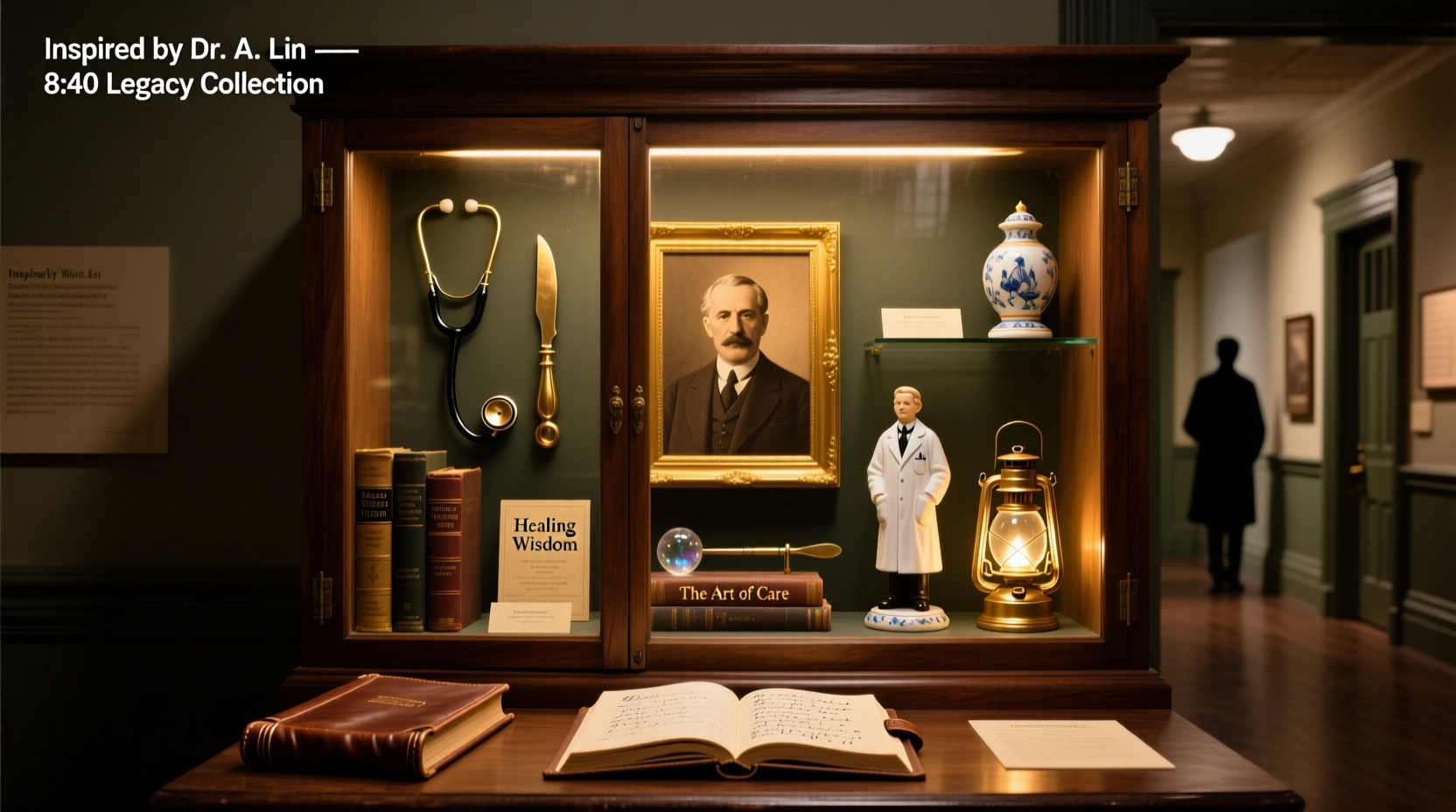
This emotional dimension amplifies the importance of proper care. As materials age—especially plastics used in 1980s toys—UV exposure and humidity become critical concerns. Archival storage solutions, including acid-free sleeves for paper goods and climate-controlled display cases, are now standard among dedicated collectors.
Real Example: How One Fan Built a Living Exhibit
In 2032, Mark Tran, a schoolteacher from Manchester, transformed his garage into a semi-public Doctor Who archive. Starting with his father’s 1984 Tom Baker action figure, he gradually acquired over 300 items spanning audio plays, costumes, and interactive exhibits. By partnering with local libraries and hosting themed educational events, Mark turned personal passion into community outreach. His centerpiece? A full-scale replica of the Fourth Doctor’s scarf, knitted from sustainably sourced wool and displayed alongside QR codes linking to episode analyses.
“It started as nostalgia,” Mark says, “but became a way to teach storytelling, science concepts, and even ethics through the lens of the Doctor’s choices.” His exhibit has since toured three UK cities and inspired similar projects in Australia and Canada.
Step-by-Step Guide to Building Your Own Collection (2040 Edition)
Starting a meaningful collection doesn’t require deep pockets—just focus and patience. Follow this timeline to build thoughtfully:
- Define Your Focus (Month 1): Decide whether you want to collect by Doctor, era, item type (e.g., clothing, audio), or theme (aliens, TARDIS variants).
- Research Authenticity Markers (Months 2–3): Use resources like the Doctor Who Appreciation Society database and BBC Archives online to verify official licensing.
- Set a Budget & Acquisition Plan (Month 4): Allocate funds monthly. Prioritize condition over rarity unless pursuing investment-grade pieces.
- Join Communities (Ongoing): Engage with forums like WhovianNet and Reddit’s r/gallifrey. Attend conventions—even virtual ones—for networking and early access.
- Store and Display Safely (Month 5+): Invest in UV-filtered display cabinets and dehumidifiers. Rotate sensitive items quarterly to prevent fading.
- Document & Share (Year 2+): Create a digital catalog with photos, purchase dates, and values. Consider starting a blog or social channel to connect with others.
Essential Checklist for New Collectors
- ✅ Identify your niche (e.g., Fourth Doctor memorabilia)
- ✅ Verify seller credibility (official retailers, auction house records)
- ✅ Inspect condition thoroughly (photos, descriptions, return policies)
- ✅ Keep receipts and certificates of authenticity
- ✅ Store items away from sunlight and moisture
- ✅ Join at least one fan organization or collector group
- ✅ Avoid impulse buys—wait 48 hours before purchasing high-value items
Frequently Asked Questions
Are older Doctor Who toys valuable?
Yes, particularly unopened action figures from Palitoy (1978–1984) and Dapol (late 1980s). A mint-condition Davros figure from 1984 recently sold for £820 at auction. However, value depends heavily on condition, packaging, and verifiable origin.
Can I trust online NFT marketplaces for Doctor Who digital collectibles?
Only if they are officially partnered with BBC Studios. Unauthorized NFTs may infringe copyright and lack long-term support. Stick to platforms like Veve or BBC Digital Vault, which offer verified drops and interoperability with VR galleries.
What’s the most expensive Doctor Who collectible ever sold?
In 2037, a screen-used TARDIS console panel from the 1984 serial “Frontios” sold for $142,000 at Christie’s London. It was authenticated using production logs and forensic paint analysis matching the original studio lot.
Final Thoughts: Honor the Legacy, Inspire the Future
Collecting Doctor Who memorabilia from the 1980s through 2040 is more than a hobby—it’s an act of cultural stewardship. Each item tells a story, not just of the Doctor, but of the fans who kept the flame alive during dormant years and celebrated its resurgence. Whether you cherish a vinyl record of the Fourth Doctor’s theme or a holographic projection of the War Doctor, your collection contributes to a living legacy.
💬 Ready to start your journey? Begin with one meaningful piece, learn its history, and let curiosity guide your next step. Share your finds, attend a fan event, or pass down your favorite story—you’re part of the TARDIS crew now.








