A well-chosen wall mounted towel rack does more than hold towels—it enhances functionality, improves airflow, and contributes to the overall aesthetic of your bathroom. With countless styles, materials, and mounting options available, selecting the right one can feel overwhelming. Yet, making an informed decision ensures durability, convenience, and long-term satisfaction. Whether you're renovating or simply upgrading, understanding key selection criteria will help you choose a towel rack that blends seamlessly with your space while meeting practical needs.
Assess Your Bathroom’s Layout and Usage Needs
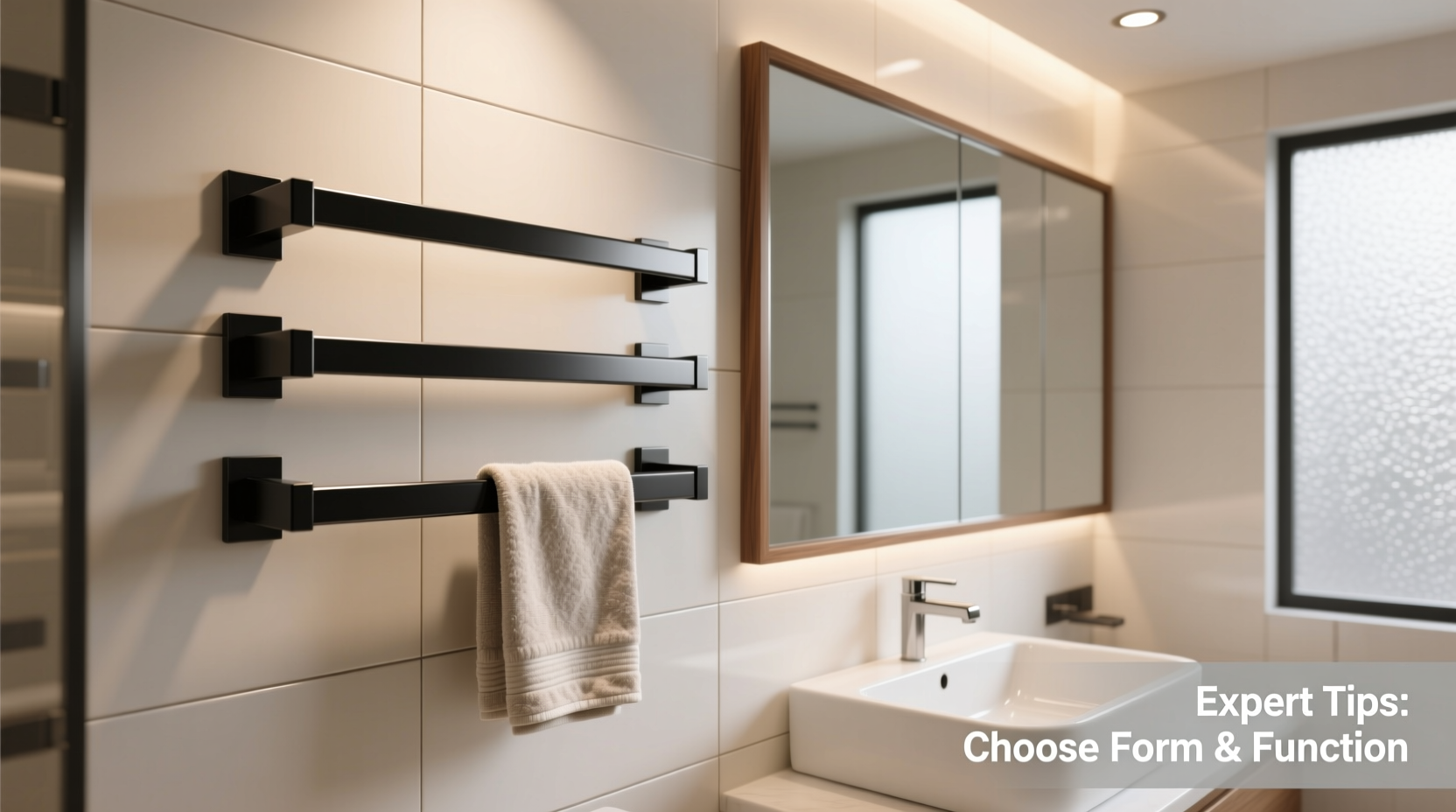
The first step in choosing the right towel rack is evaluating how the bathroom is used and how much space you have. A master bathroom with two sinks may benefit from dual racks, while a powder room might only need a single bar. Consider who uses the bathroom—families with children may need lower-mounted racks, while accessibility-focused designs should prioritize ease of reach.
Measure the available wall space near the shower or bathtub, ensuring at least 6–12 inches of clearance from fixtures to prevent water pooling on the rack. If your bathroom is compact, opt for a fold-down or swing-arm model that saves space when not in use.
Tip: Install the towel rack within arm’s reach of the shower or tub, ideally 48–52 inches from the floor for optimal comfort.Choose the Right Material for Durability and Style
The material of your towel rack affects both longevity and appearance. Bathrooms are high-moisture environments, so corrosion resistance is critical. Below is a comparison of common materials used in wall mounted towel racks:
| Material | Pros | Cons | Best For |
|---|---|---|---|
| Stainless Steel | Rust-resistant, strong, modern look | Can show water spots, higher cost | High-humidity bathrooms, contemporary designs |
| Brushed Nickel | Warm tone, hides fingerprints, durable coating | Coating may wear over time if low quality | Mid-range budgets, transitional decor |
| Chrome | Affordable, shiny finish, widely available | Shows water marks, can look dated | Rentals, traditional bathrooms |
| Brass (with finish) | Luxurious appearance, highly durable | Expensive, requires maintenance | Upscale renovations, vintage-style bathrooms |
| Plastic/Composite | Budget-friendly, won’t rust | Less sturdy, can look cheap | Temporary setups, kids’ bathrooms |
For long-term value, invest in solid metal construction rather than hollow tubing. Solid bars support heavier towels and resist bending over time.
“Material choice isn’t just about looks—it’s about performance in wet environments. Always verify the finish is non-porous and corrosion-resistant.” — Daniel Reeves, Bathroom Fixture Designer
Understand Mounting Options and Wall Compatibility
Not all walls are created equal. The type of wall in your bathroom determines what kind of mounting system will work best. Common wall types include drywall, tile, concrete, and plaster. Each requires different hardware and installation techniques.
For example, drywall often needs toggle bolts or anchors to support weight, especially when holding damp towels. Tile walls require masonry bits and careful drilling to avoid cracking. If you’re unsure about your wall type, consult a professional or use a stud finder with a density sensor.
Step-by-Step Installation Preparation
- Determine the ideal height and location based on user height and proximity to water sources.
- Check for wall studs or tiles using appropriate tools.
- Select mounting hardware compatible with your wall type (e.g., plastic anchors for drywall, screw plugs for tile).
- Mark drill points with a pencil and level to ensure straight alignment.
- Drill pilot holes and secure the mounting brackets firmly.
- Attach the towel bar and test stability with light pressure.
Balance Aesthetics with Functionality
Your towel rack should complement your bathroom’s design language. Match the finish to existing fixtures—such as faucets, showerheads, and cabinet pulls—for a cohesive look. Mixing finishes can work, but only if intentionally styled (e.g., matte black accents in a minimalist white bathroom).
Consider the number of towels typically used per person. A standard single bar holds 1–2 bath towels. For families or guest bathrooms, consider double-tiered or L-shaped racks. Curved or angled models maximize space in corners and add visual interest.
If you frequently use spa-sized or beach towels, opt for longer racks—30 inches or more. Compact bathrooms may benefit from multi-functional units that combine towel bars with robe hooks or shelf space.
Real Example: Optimizing a Small Master Bath
Sarah, a homeowner in Portland, struggled with cluttered countertops and damp towels in her 5x8 master bathroom. After measuring the space beside her walk-in shower, she chose a 24-inch brushed nickel swing-bar rack. The pivot design allowed her to fold it flat against the wall when not in use, freeing up floor space. By aligning the finish with her new faucet, she achieved a clean, unified look. Within weeks, she noticed towels dried faster and the room felt more organized.
Essential Buying Checklist
- ✅ Measure available wall space and proximity to shower/tub
- ✅ Confirm wall type and select appropriate mounting hardware
- ✅ Choose a rust-resistant material suited to humidity levels
- ✅ Match finish to existing bathroom fixtures
- ✅ Determine capacity needs (single vs. double bar, length)
- ✅ Check weight rating—should support at least 20 lbs
- ✅ Verify warranty and manufacturer reputation
- ✅ Consider ease of cleaning—smooth surfaces resist soap scum
Frequently Asked Questions
How high should a wall mounted towel rack be installed?
The standard height is 48 to 52 inches from the floor, measured to the center of the bar. Adjust slightly based on user height—lower for children or seated access in accessible bathrooms.
Can I install a towel rack on a tiled wall myself?
Yes, with the right tools. Use a carbide-tipped masonry bit for ceramic or porcelain tile, drill slowly, and apply light pressure. Pre-drill holes for anchors, then secure the mounting screws. Avoid areas near grout lines, which are weaker.
Are heated towel racks worth the investment?
For luxury and functionality, yes—especially in colder climates. Heated racks dry towels quickly, reduce mildew, and add warmth. While more expensive and requiring electrical access, they offer long-term comfort and hygiene benefits.
Final Considerations and Next Steps
Selecting the ideal wall mounted towel rack goes beyond aesthetics—it’s a blend of ergonomics, material science, and spatial planning. The right choice enhances daily routines, extends the life of your towels, and elevates the bathroom’s functionality. Prioritize quality construction, proper installation, and thoughtful placement to get the most value from your investment.
Before purchasing, visit showrooms or order samples to see finishes in natural light. Read customer reviews focusing on durability and installation ease. And remember: a towel rack isn’t just hardware—it’s a small detail that contributes significantly to your bathroom’s comfort and style.
💬 Ready to upgrade your bathroom? Share your towel rack setup or ask questions in the comments—let’s build smarter, more stylish spaces together.








