Embroidered pillow covers are more than decorative accents—they’re often heirlooms, handcrafted with precision and sentimental value. The intricate threads, fine fabrics, and detailed stitching require thoughtful care to maintain their elegance over time. Exposure to sunlight, improper washing, and poor storage can quickly degrade even the most resilient embroidery. Preserving these textiles isn’t just about aesthetics; it’s about honoring craftsmanship and extending longevity. With the right techniques, you can keep your embroidered pillows vibrant and intact for years.
Understanding Embroidery Fabric Sensitivity
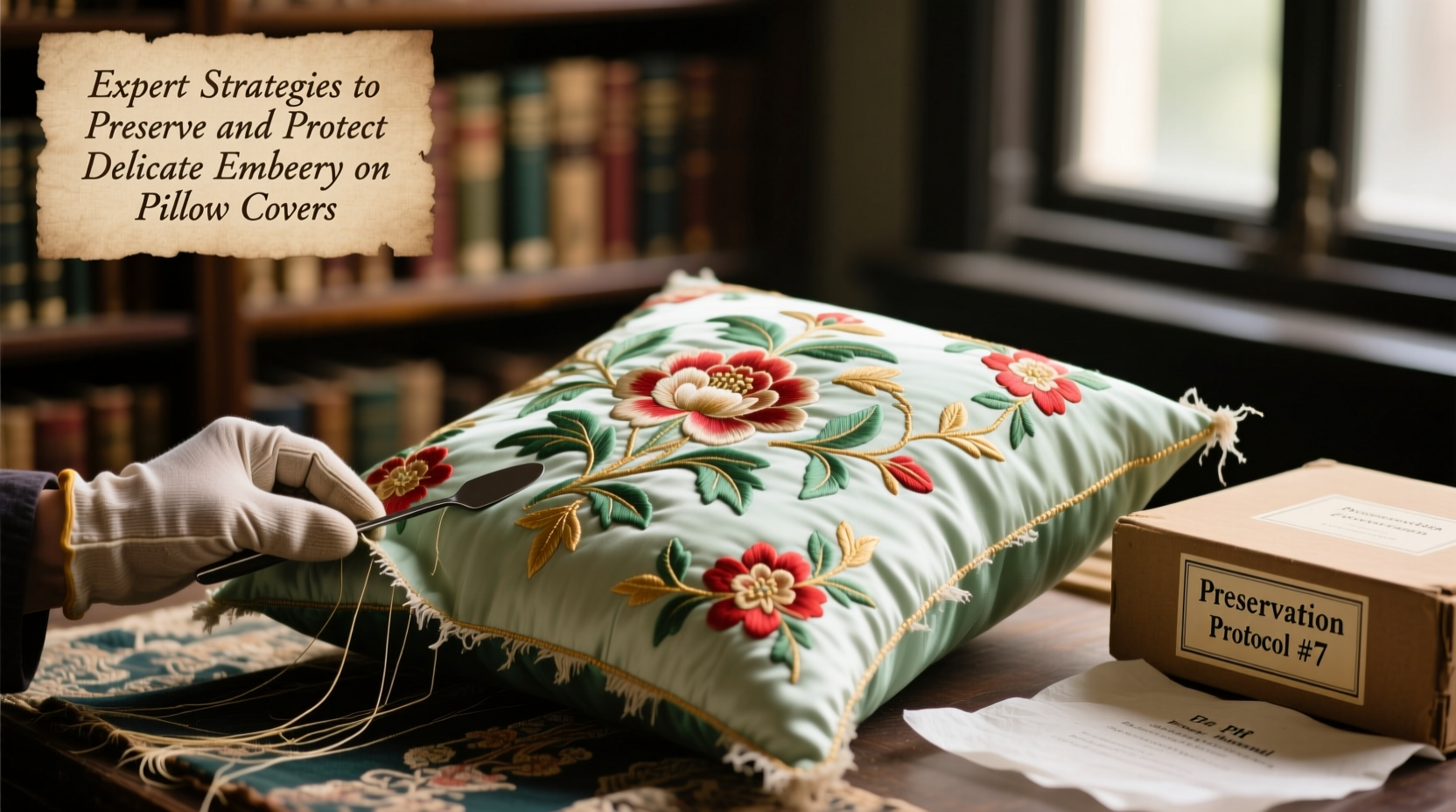
Embroidery is typically applied to natural fibers like cotton, linen, silk, or wool, all of which react differently to moisture, friction, and chemicals. The embroidery thread—often cotton floss, silk, or metallic yarn—can fray, fade, or break under stress. Linen, while durable, tends to yellow when exposed to prolonged light. Silk embroidery is especially vulnerable to water spots and tension damage during laundering. Recognizing the composition of both the base fabric and thread is the first step in effective preservation.
Synthetic blends may offer more resilience but can still suffer from pilling or color bleeding. Always check labels or consult documentation if available. When in doubt, assume the piece is delicate and proceed with caution. Conservators at textile museums emphasize that “the weakest component in a textile determines its overall stability”—meaning even one fragile thread can compromise the entire design.
“Textile longevity hinges on understanding fiber behavior. A gentle approach today prevents irreversible damage tomorrow.” — Dr. Lila Monroe, Textile Conservation Specialist, Smithsonian Institution
Step-by-Step Guide: Safe Cleaning of Embroidered Pillow Covers
Cleaning embroidered pillow covers requires patience and precision. Improper washing leads to puckering, thread loosening, or dye transfer. Follow this methodical process to minimize risk:
- Inspect the embroidery closely. Look for loose threads, weak areas, or signs of prior damage. Trim only stray ends—never cut embedded threads.
- Spot test any cleaning solution. Apply a small amount of diluted detergent to an inconspicuous area (like the seam or back) and wait 10 minutes. Blot dry and check for discoloration or texture change.
- Hand wash only. Use lukewarm water and a pH-neutral, mild detergent formulated for delicates (e.g., Woolite Delicates or Orvus Paste). Avoid bleach, enzymes, or optical brighteners.
- Agitate gently. Submerge the cover and swirl softly. Never twist, wring, or scrub. Focus cleaning only on soiled areas using a soft sponge or cloth.
- Rinse thoroughly. Change water 2–3 times until no suds remain. Residual soap attracts dirt and weakens fibers over time.
- Remove excess water. Lay the cover flat on a clean towel, roll tightly, and press to absorb moisture. Do not hang—this stretches the fabric and distorts embroidery.
- Dry flat away from sunlight. Place on a fresh, dry towel in a well-ventilated room. Flip halfway through drying to ensure even air circulation.
Do’s and Don’ts: Handling and Storage Practices
How you store and handle embroidered pillow covers between uses is as critical as how you clean them. Poor practices accelerate wear far more than daily use.
| Do’s | Don’ts |
|---|---|
| Store flat or rolled with acid-free tissue paper between layers | Fold sharply—this creates permanent creases that stress embroidery |
| Use breathable cotton bags or pillowcases for covering | Store in plastic bins—trapped moisture promotes mildew and fiber degradation |
| Rotate display seasonally to reduce light exposure | Leave in direct sunlight—UV rays cause rapid fading and thread embrittlement |
| Handle with clean, dry hands to avoid oil transfer | Wear jewelry or long nails when handling—snagging is a common cause of pulled threads |
| Vacuum gently with a mesh screen over the surface | Use a standard vacuum nozzle—it can catch and pull delicate stitches |
Maintaining Structural Integrity: Preventing Wear and Tear
Even with careful cleaning and storage, mechanical stress from regular use can degrade embroidery. Pillows placed on sofas or beds endure constant pressure, shifting, and friction. To mitigate damage:
- Limit daily use of highly ornate covers—reserve them for special occasions or display purposes.
- Use removable inserts that fit snugly to prevent bunching and distortion.
- Rotate pillow positions weekly to distribute wear evenly across surfaces.
- Repair minor issues immediately. A single loose knot can unravel into a larger tear if ignored.
For active households, consider framing select embroidered pieces behind UV-filtering glass instead of using them as functional decor. This preserves the artwork while allowing visibility.
Mini Case Study: Preserving a Heirloom Linen Pillow
A collector in Portland inherited a 1920s embroidered linen pillow from her grandmother. The piece featured floral motifs in silk thread with gold-wrapped accents. Initially stored in a cedar chest wrapped in plastic, she noticed yellowing and brittle edges after five years. Upon consulting a textile conservator, she learned the plastic had trapped acidic off-gassing, accelerating deterioration. She switched to storing the pillow flat in a cotton bag with acid-free paper interleaving, kept in a dark closet at stable humidity. After gentle surface cleaning by a professional, the embroidery regained its luster. Now rotated seasonally for display, the pillow remains in excellent condition—proof that proper storage reverses preventable aging.
Essential Checklist for Long-Term Embroidery Care
To simplify ongoing maintenance, follow this monthly checklist:
- ☐ Inspect for loose threads or stains
- ☐ Vacuum surface gently with protective mesh
- ☐ Rotate position or remove from display
- ☐ Check storage environment for moisture or pests
- ☐ Confirm no direct sunlight is falling on the piece
- ☐ Document condition with notes or photos for future reference
FAQ: Common Questions About Embroidered Pillow Care
Can I machine wash an embroidered pillow cover?
No. Machine agitation is too harsh for delicate embroidery. Even on a gentle cycle, tumbling causes friction that can snag threads or distort stitching. Hand washing is the only safe method for valuable or intricate pieces.
How do I remove a stain without damaging the embroidery?
Blot spills immediately with a clean, absorbent cloth. For set stains, apply a small amount of distilled water and mild detergent with a cotton swab directly to the spot. Never rub. If the stain persists, consult a textile conservator—improper treatment can fix the stain permanently into the fibers.
Is it safe to iron embroidered pillow covers?
Only if absolutely necessary. Use the lowest heat setting, place a pressing cloth (like muslin) over the embroidery, and never apply direct steam. Better alternatives include laying the damp cover flat and smoothing by hand, then drying under light weight to restore shape.
Conclusion: Honor Craftsmanship Through Mindful Care
Delicate embroidery tells a story—of hands at work, cultural traditions, and personal expression. Protecting these details means respecting both artistry and history. By adopting expert-level habits in cleaning, handling, and storage, you ensure that every stitch remains intact for future generations. Preservation isn’t about perfection; it’s about consistency, awareness, and intentionality.
💬 Have an embroidered treasure you’ve successfully preserved? Share your experience or ask questions in the comments—your insight could help others safeguard their own cherished textiles.








