Black cotton bathroom towels add a touch of elegance and modernity to any bathroom. However, maintaining their deep color and plush texture over time requires more than just routine laundering. Without proper care, black towels can fade, stiffen, or develop an unpleasant odor. The good news is that with the right techniques, you can preserve both the appearance and comfort of your towels for years. This guide outlines proven methods to keep your black cotton towels looking rich, feeling soft, and performing at their best.
Choose the Right Detergent and Avoid Chlorine
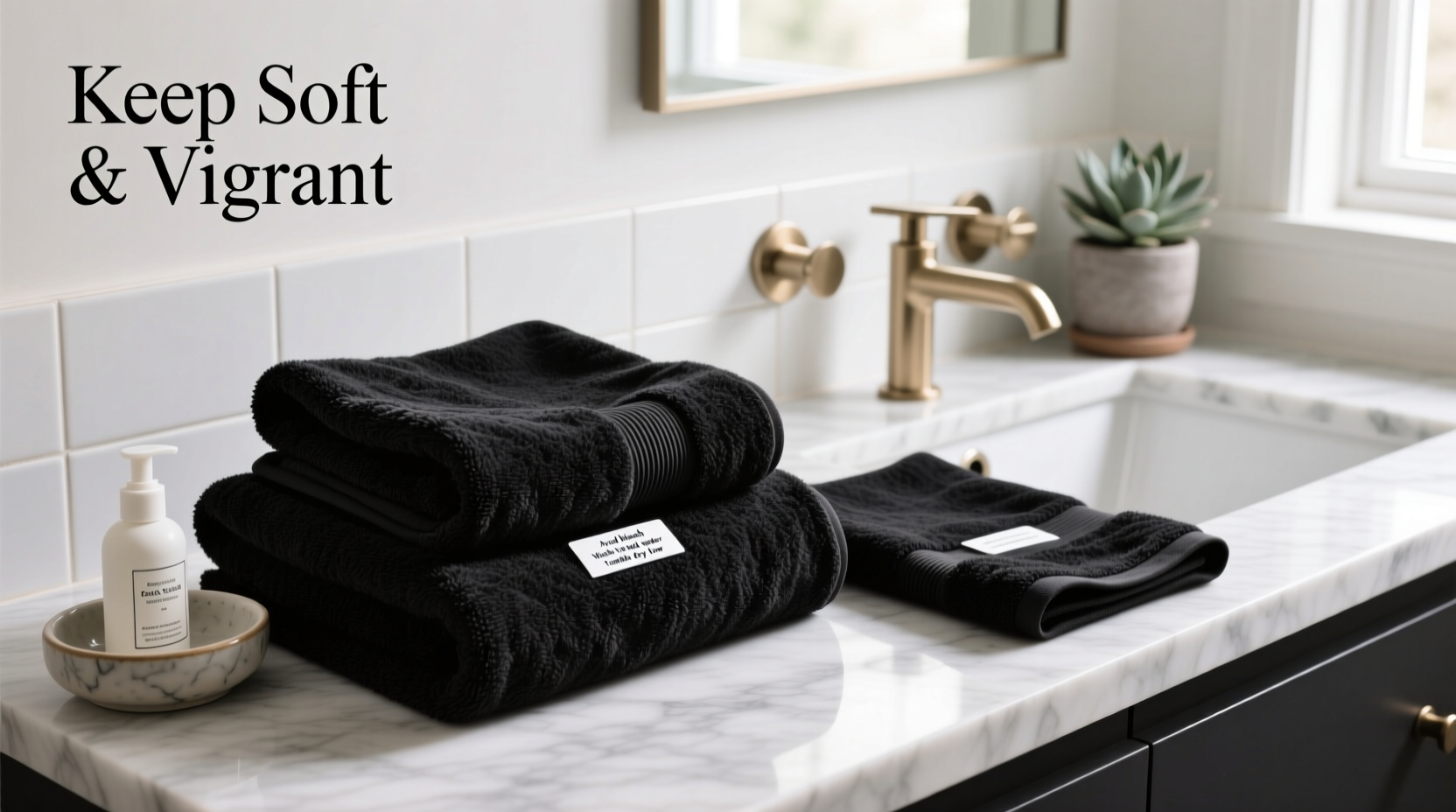
The detergent you use plays a crucial role in preserving the integrity of black cotton fabric. Harsh chemicals, especially chlorine bleach, break down cotton fibers and strip away dye, leading to rapid fading and roughness. Even small amounts of bleach residue from other laundry loads can damage dark textiles over time.
Opt for a detergent specifically formulated for dark or colored fabrics. These products are typically free from optical brighteners and chlorine, which are designed to “whiten” fabrics but degrade pigments in darker materials. Look for labels indicating “color-safe,” “dye-free,” or “for darks.”
Tip: Never use chlorine bleach on black towels—even if they appear dingy. Instead, treat stains with oxygen-based cleaners.Additionally, avoid fabric softeners in liquid or dryer sheet form. While they may seem beneficial for softness, they coat cotton fibers with waxy residues that reduce absorbency and trap odors. Over time, this buildup dulls the fabric’s appearance and makes towels feel stiff despite smelling clean.
Wash in Cold Water and Inside Out
Heat accelerates color fading and fiber degradation in cotton. Washing black towels in hot water causes the dye to release faster and can lead to shrinkage. Always wash in cold water (below 30°C / 86°F) to protect both color and texture.
To further shield the outer surface of your towels, turn them inside out before placing them in the washer. This reduces friction on the visible side during agitation, minimizing pilling and preserving the smooth finish. It also helps maintain the towel’s original luster by protecting the nap—the raised fiber surface responsible for softness and absorption.
Use a gentle cycle with a full rinse setting to ensure all detergent is removed. Residual soap can attract body oils and dirt, making towels feel gritty and look dull after repeated use.
Proper Drying Techniques to Maintain Softness
Drying is just as critical as washing when it comes to towel longevity. High heat in the dryer can scorch cotton fibers, making them brittle and coarse. While some fluffiness returns after a few uses, repeated exposure to high temperatures permanently damages the fabric structure.
Instead, dry black cotton towels on low or medium heat. Remove them while slightly damp and hang them to air-dry completely. This method preserves fiber elasticity and prevents over-drying, which leads to stiffness. If possible, line-dry in a shaded, well-ventilated area. Direct sunlight fades black dyes surprisingly fast—even through glass windows.
“Towel lifespan increases significantly when heat exposure is minimized during both washing and drying.” — Dr. Lena Patel, Textile Scientist at EcoFiber Labs
Step-by-Step Care Routine for Long-Lasting Black Towels
Follow this weekly care sequence to maximize the life and luxury of your black cotton towels:
- After Use: Hang towels fully spread out to dry between uses. Moisture trapped in folds encourages mildew and odors.
- Sorting: Wash only with other dark or similar-colored items. Avoid mixing with whites or lint-heavy fabrics like terrycloth robes.
- Pre-Treatment: Spot-treat stains with a mixture of baking soda and water or a color-safe oxygen cleaner before washing.
- Washing: Use cold water, a mild color-safe detergent, and a gentle cycle. Add ½ cup of white vinegar to the rinse cycle occasionally to remove residue and soften fibers naturally.
- Drying: Tumble dry on low heat or partially air-dry. Shake out towels before folding to restore fluffiness.
- Storage: Store in a dry cabinet or shelf, not bunched up in a linen closet. Allow airflow to prevent mustiness.
Do’s and Don’ts: A Quick Reference Table
| Do’s | Don’ts |
|---|---|
| Wash in cold water | Use hot water regularly |
| Use color-safe, dye-free detergent | Use chlorine bleach or brighteners |
| Add white vinegar monthly to rinse cycle | Use synthetic fabric softeners |
| Dry on low heat or air-dry | Tumble dry on high heat frequently |
| Turn towels inside out before washing | Overload the washing machine |
| Hang towels to dry between uses | Leave damp towels crumpled in a hamper |
Real Example: How One Household Revived Faded Black Towels
Sarah, a wellness consultant in Portland, noticed her designer black bath towels had turned grayish and felt scratchy after six months. Despite regular washing, they no longer absorbed water well and developed a faint sour smell. She consulted a local textile care specialist who recommended eliminating fabric softener, switching to cold-water washes, and adding distilled white vinegar to the rinse cycle once a month.
Within three weeks of following the new routine, Sarah reported visible improvement: the towels regained softness, smelled fresher, and began absorbing water effectively again. After two months, the color appeared richer due to the removal of built-up residues. Her simple change in laundry habits extended the usable life of the towels by over a year—proving that consistent, mindful care yields tangible results.
Tip: Run an empty wash cycle with vinegar or a dedicated washing machine cleaner monthly to prevent odor transfer.Frequently Asked Questions
Why do my black towels turn gray after a few washes?
Gray discoloration usually results from detergent buildup, chlorine exposure, or washing with lint-shedding fabrics like cotton t-shirts. It can also occur when towels aren’t rinsed thoroughly. Switching to a high-efficiency detergent, avoiding bleach, and washing separately from lint producers can prevent this issue.
Can I use baking soda to clean black towels?
Yes, baking soda is safe and effective. It deodorizes and gently lifts stains without harming dyes. Mix a quarter-cup with your regular detergent during the wash cycle, or make a paste for spot treatment. Unlike harsh abrasives, baking soda won’t scratch or fade fabric.
How often should I wash black bath towels?
For optimal hygiene and longevity, wash bath towels after every three to four uses. Allowing towels to dry completely between uses extends washing intervals. Microfiber buildup and bacterial growth accelerate when towels remain damp, so frequent airing is key.
Final Thoughts and Call to Action
Caring for black cotton bathroom towels doesn’t require expensive products or complicated rituals—just consistency and attention to detail. By choosing the right detergents, using cold water, drying gently, and avoiding common pitfalls like fabric softeners and bleach, you preserve both the aesthetic and functional qualities of your towels. These practices not only extend the life of your linens but also enhance your daily experience with a soft, luxurious feel every time you step out of the shower.
💬 Have a tip that keeps your black towels looking new? Share your experience below and help others master the art of towel care!








