The Bichon Frise, with its cloud-like coat and cheerful personality, is a natural fashion icon among small dogs. Their compact size and fluffy appearance make them ideal candidates for stylish dog apparel. However, dressing your Bichon isn’t just about aesthetics—it’s about comfort, mobility, and health. The right clothing enhances their confidence, protects them from the elements, and strengthens the bond between pet and owner. The key lies in balancing trendiness with practicality. With thoughtful choices, you can elevate your Bichon’s wardrobe without compromising their well-being.
Understand Your Bichon’s Needs Before Styling
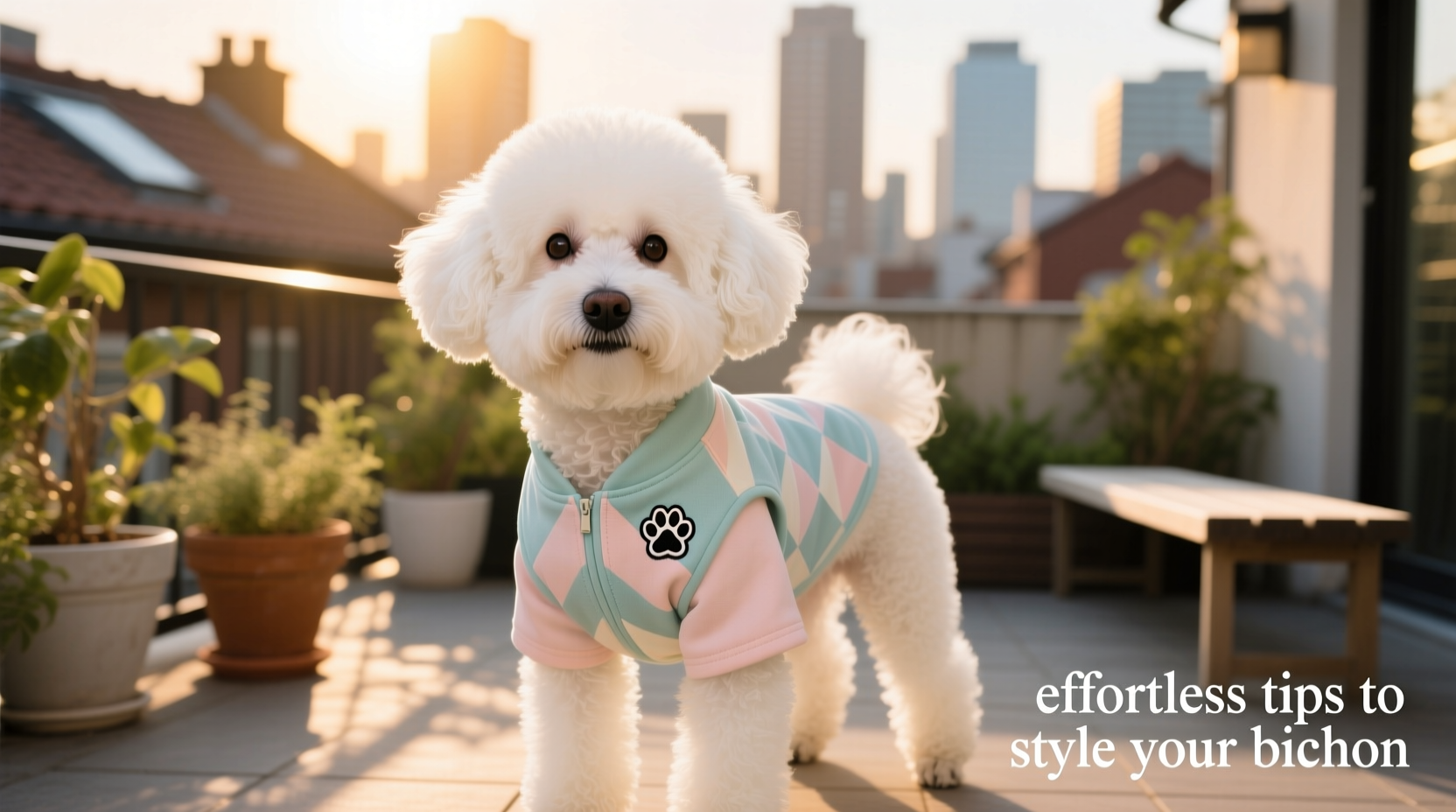
Bichons are energetic, social dogs with double coats that provide some insulation but can also trap heat. While they may not need layers year-round, seasonal changes—especially cold winters or rainy springs—call for smart layering. Additionally, senior Bichons or those with medical conditions like arthritis often benefit from thermal vests or lightweight jackets that support joint warmth without restricting movement.
Fabric choice is critical. Opt for breathable materials like cotton, bamboo blends, or moisture-wicking synthetics. Avoid stiff, non-stretch fabrics that chafe or overheat. Remember: if it wouldn’t feel comfortable on your skin, it probably won’t feel good on your dog’s.
Tip: Always check garment tags for wash instructions and hypoallergenic certifications—your Bichon’s skin is more sensitive than it appears.Measure for Fit, Not Just Fashion
A poorly fitting outfit can cause chafing, limit mobility, or even lead to anxiety. Measure your Bichon accurately before purchasing any apparel:
- Neck: Measure around the base where the collar sits.
- Chest: Wrap the tape behind the front legs at the widest point.
- Length: From the base of the neck to the base of the tail.
Use these measurements to consult brand-specific size charts. Never assume “small” means one universal fit. Many brands now offer petite or extra-small sizes tailored for toy breeds like the Bichon.
Build a Capsule Wardrobe for Versatility
Instead of buying random pieces, create a cohesive, mix-and-match wardrobe. A capsule approach reduces clutter and ensures every item gets worn. Start with foundational pieces:
- Lightweight hoodie (for mild weather)
- Water-resistant jacket (for rain)
- Thermal vest (for winter walks)
- Printed tee or bodysuit (for indoor or photo outings)
- Festive sweater (seasonal use)
Choose a neutral base color—like gray, navy, or beige—for outerwear, then add pops of color or pattern with tees and accessories. This way, you can rotate outfits without needing ten different jackets.
| Apparel Type | Best Season | Material Recommendation | Wear Time Limit |
|---|---|---|---|
| Cotton Tee | Spring/Summer | 100% organic cotton | 4–6 hours |
| Fleece Jacket | Winter | Polyester-fleece blend | 2–3 hours (with breaks) |
| Raincoat | Fall/Spring | Waterproof nylon with lining | During wet walks only |
| Denim Vest | Year-round (mild days) | Soft denim with stretch | 2–4 hours |
Accessorize Thoughtfully for Maximum Style Impact
Accessories can transform a simple look into something eye-catching. But unlike humans, dogs can’t remove uncomfortable items. Prioritize safety and comfort when adding flair.
Bandanas are an excellent starting point—they’re easy to put on, come in endless prints, and allow airflow. Choose soft cotton or silk blends tied loosely to avoid pressure on the neck. For formal events or photos, consider a bow tie or collar charm, but only under supervision.
Hats and headbands should be used sparingly and never during activity. They can block vision or overheat the dog. If used, ensure they’re secured with soft elastic and removed after 15–20 minutes.
“Dressing dogs should enhance their experience, not restrict it. The best canine fashion allows full range of motion and doesn’t interfere with natural behaviors.” — Dr. Lena Torres, Veterinary Behaviorist
Real-Life Example: Bella the Bichon’s Walk Ensemble
Bella, a 4-year-old Bichon from Portland, Oregon, lives in a climate with frequent drizzle and cool temperatures. Her owner, Sarah, wanted her to stay dry without looking bulky. She chose a lightweight navy raincoat with a reflective strip and adjustable Velcro straps. Paired with a striped cotton tee underneath, Bella stays warm, visible, and stylish during daily walks. Sarah rotates two similar coats to prevent wear and always removes them upon returning home to let Bella’s coat breathe. Neighbors often compliment Bella’s look, but more importantly, she trots confidently through puddles without shivering.
Step-by-Step: How to Dress Your Bichon Without Stress
Introducing clothing gradually prevents fear or resistance. Follow this timeline to build positive associations:
- Day 1: Place the garment near your Bichon during playtime. Let them sniff and investigate.
- Day 2: Drape the item over their back for 30 seconds while offering treats.
- Day 3: Fasten one closure (e.g., Velcro) and immediately reward. Remove quickly.
- Day 4–5: Fully dress them for 1–2 minutes while engaging in fun activities.
- Day 6 onward: Gradually increase wear time during walks or outdoor time.
If your Bichon shakes, hides, or licks excessively, pause and return to earlier steps. Never force clothing. Patience builds trust—and a willing fashion model.
Tip: Pair dressing with a favorite treat or toy. Over time, your Bichon will associate outfits with positive experiences.Common Mistakes to Avoid
Even well-meaning owners can make errors when styling their pets. Watch out for these pitfalls:
- Overdressing indoors: Bichons regulate temperature poorly when overheated. Remove clothes once inside.
- Ignoring seams and tags: Rough stitching or internal labels can irritate delicate skin.
- Using human clothing: Human baby clothes may seem cute, but they don’t accommodate a dog’s body shape and can restrict movement.
- Skipping washes: Dirt, sweat, and allergens accumulate. Wash apparel every 2–3 wears using pet-safe detergent.
Dos and Don'ts of Bichon Apparel
| Do | Don't |
|---|---|
| Choose garments with wide armholes for freedom of movement | Select tight sleeves that rub underarms |
| Opt for machine-washable, quick-dry fabrics | Buy dry-clean-only items you won’t maintain |
| Check fit weekly—puppies grow fast! | Assume last month’s size still fits |
| Use clothing as protection in extreme weather | Dress solely for Instagram photos without regard to comfort |
FAQ: Common Questions About Dressing Bichons
Is it safe to leave clothes on my Bichon all day?
No. Extended wear can lead to skin irritation, overheating, or fabric breakdown. Limit clothing to active outdoor time or short indoor sessions, and always supervise. Remove garments when your dog rests or sleeps.
My Bichon hates wearing clothes. What should I do?
Start slow. Use high-value treats and praise. Try different styles—some dogs prefer zip-up hoodies over pullovers. If resistance continues, accept that your Bichon may not enjoy fashion. That’s perfectly okay.
Can I dress my Bichon in costumes for holidays?
Short-term costume use (e.g., 15–30 minutes for photos) is acceptable if your dog is calm and comfortable. Avoid masks, small parts, or anything that limits vision or breathing. Never leave them unattended in a costume.
Final Thoughts: Style Should Serve Comfort
Styling your Bichon with trendy apparel can be a joyful expression of companionship and creativity. When done thoughtfully, it enhances their quality of life—whether by keeping them warm, protected, or simply feeling loved. The most fashionable Bichon isn’t the one in the flashiest outfit, but the one who moves freely, breathes easily, and wags happily in what they’re wearing.
💬 Ready to refresh your Bichon’s wardrobe? Start with one comfortable piece, observe how your dog responds, and build from there. Share your favorite looks or ask for advice in the comments—we’d love to see your stylish companion!