A fresh-smelling bathroom contributes significantly to the comfort and hygiene of any home. Yet, one often-overlooked source of persistent odor is the toilet seat cushion. Despite regular cleaning of the bowl and surrounding tiles, lingering smells can originate from the seat itself—especially in humid environments or high-traffic bathrooms. These odors are typically caused by bacteria buildup, moisture retention, or residual waste particles trapped in porous materials. Addressing this issue requires more than surface wiping; it demands targeted cleaning techniques and preventive habits. This guide outlines scientifically sound, practical, and sustainable strategies to neutralize and prevent odors from toilet seat cushions, ensuring your bathroom remains consistently fresh.
Understanding the Causes of Toilet Seat Odors
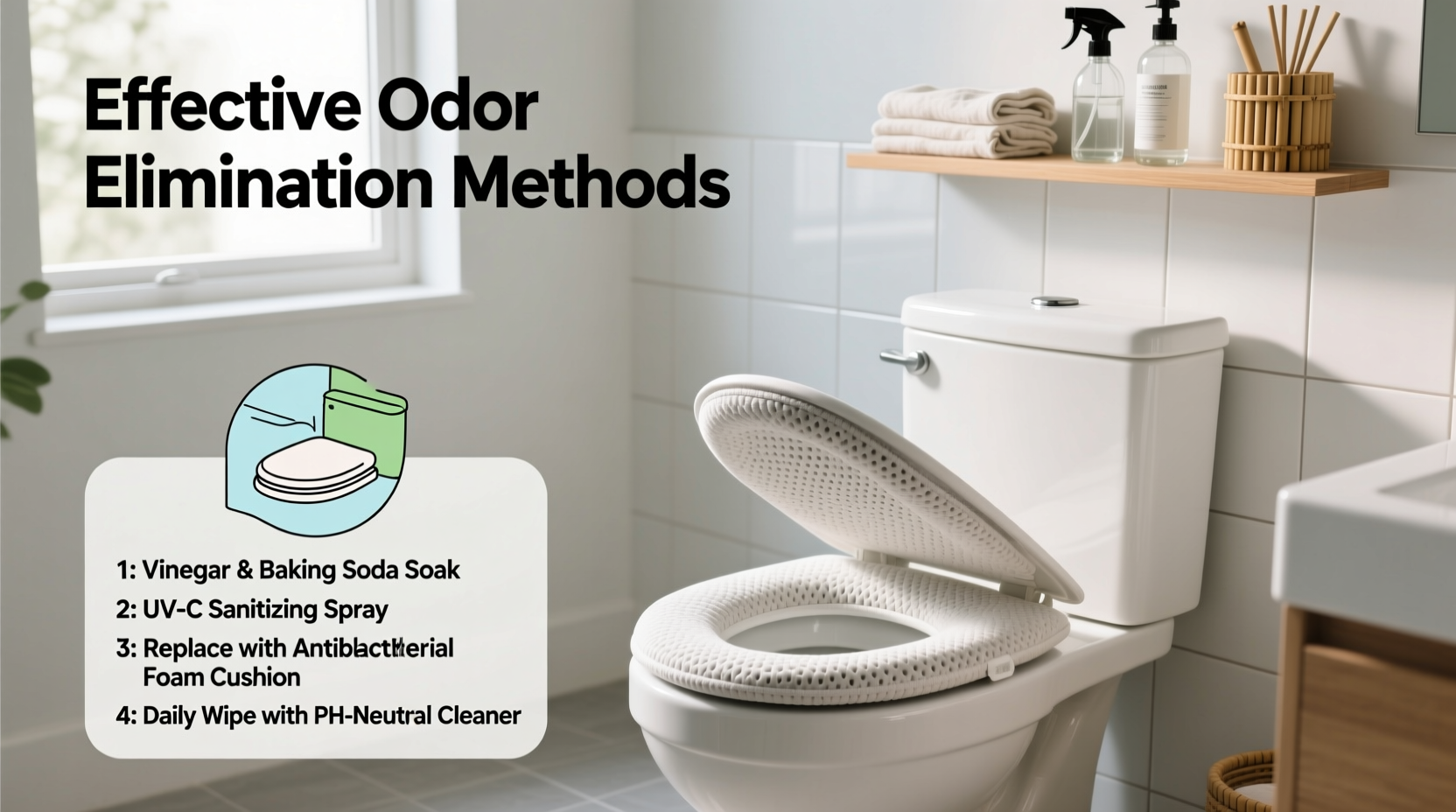
To effectively eliminate odors, it’s essential to understand their root causes. Unlike hard surfaces such as porcelain or tile, toilet seat cushions—especially those made from soft-close plastic, vinyl, or padded fabric—are semi-porous and prone to trapping moisture and organic matter. When microscopic urine droplets, sweat, or cleaning residue accumulate over time, they create an ideal breeding ground for odor-causing bacteria like Pseudomonas and Enterobacter.
High humidity levels in bathrooms exacerbate the problem by slowing evaporation and encouraging mold growth beneath the seat hinges or on mounting bolts. Additionally, infrequent deep cleaning allows biofilm—a slimy layer of microbial colonies—to form, which resists standard wiping and releases volatile organic compounds (VOCs) responsible for musty or ammonia-like smells.
Tip: Always lift the seat before flushing to minimize aerosolized droplets that settle on the cushion surface.Step-by-Step Guide to Deep Cleaning Your Toilet Seat Cushion
Regular wiping isn’t enough to fully deodorize a toilet seat. A thorough cleaning process removes embedded contaminants and restores freshness. Follow this six-step method every 4–6 weeks, or more frequently in shared households.
- Remove the Seat: Use a screwdriver to detach the seat from the bowl. Most models have two quick-release screws at the back. Removing the seat allows access to hidden areas where grime accumulates.
- Rinse with Warm Water: Hold the seat under running warm water to loosen surface debris. Avoid hot water if the material is plastic, as extreme heat may warp it.
- Scrub with a Baking Soda Paste: Mix 3 parts baking soda with 1 part water to form a thick paste. Apply it to all surfaces, especially crevices and hinge points. Let sit for 10 minutes, then scrub gently with a soft-bristle brush.
- Disinfect with Hydrogen Peroxide: Spray or wipe 3% hydrogen peroxide over the entire seat. Allow it to dwell for 5–7 minutes. This kills bacteria without damaging most plastics or finishes.
- Rinse and Dry Completely: Rinse thoroughly and dry with a microfiber towel. Place the seat in a well-ventilated area or direct sunlight for 1–2 hours to ensure no moisture remains.
- Reattach Securely: Once completely dry, reattach the seat to the toilet bowl using clean tools to avoid reintroducing contaminants.
Effective Natural Deodorizers and Their Uses
Harsh chemical cleaners may temporarily mask odors but can degrade cushion materials over time. Natural alternatives offer safe, eco-friendly solutions that neutralize rather than cover up smells.
- White Vinegar: Its acetic acid content disrupts bacterial membranes. Wipe the seat weekly with a 1:1 vinegar-water solution to prevent odor buildup.
- Essential Oils (Tea Tree or Eucalyptus): Add 10 drops to a spray bottle of water and lightly mist the seat after cleaning. These oils possess antimicrobial properties and leave a refreshing scent.
- Activated Charcoal: Place small charcoal packets near the base of the toilet to absorb ambient moisture and airborne VOCs.
“Natural disinfectants like vinegar and hydrogen peroxide are highly effective against common bathroom pathogens when used consistently.” — Dr. Lena Torres, Environmental Microbiologist
Do’s and Don’ts: Maintaining a Fresh Toilet Seat
| Do’s | Don’ts |
|---|---|
| Wipe the seat daily with a disinfectant wipe | Use bleach-based cleaners on colored or plastic seats (can cause discoloration) |
| Ensure proper bathroom ventilation after showers | Leave wet towels or mats near the toilet (increases humidity) |
| Replace cracked or peeling seat covers immediately | Ignore loose hinges (they trap dirt and moisture) |
| Use a seat deodorizer spray between deep cleans | Soak electronic bidet seats in water (damage risk) |
Real Example: How One Household Eliminated Persistent Bathroom Odors
The Martinez family had been struggling with a recurring sour smell in their guest bathroom, despite daily cleaning. They assumed the issue was the drain until they noticed the odor intensified when lifting the toilet seat. Upon removing the cushion, they discovered dark spots beneath the hinges—signs of mold growth due to trapped moisture. Following the deep-cleaning protocol outlined above, they scrubbed the seat with baking soda, disinfected it with hydrogen peroxide, and allowed it to air-dry in sunlight for three hours. They also installed a small exhaust fan to improve airflow. Within a week, the odor disappeared completely. Six months later, with bi-monthly maintenance, the bathroom remains fresh and inviting.
Tip: Place a folded paper towel soaked in vanilla extract under the seat (not touching skin) for a subtle, natural fragrance boost.Preventive Maintenance Checklist
Sustained freshness comes from consistent habits. Use this checklist monthly to keep your toilet seat odor-free:
- ✅ Inspect seat for cracks, warping, or discoloration
- ✅ Clean hinges and mounting hardware with a cotton swab
- ✅ Wipe down with vinegar solution or disinfectant wipe
- ✅ Check bathroom ventilation (fan or open window usage)
- ✅ Replace cushion if older than 2 years or showing wear
- ✅ Rotate spare seat (if available) to allow full drying
Frequently Asked Questions
Can I put a plastic toilet seat in the dishwasher?
Some manufacturers label their plastic seats as dishwasher-safe. If yours is marked as such, place it on the top rack and run a gentle cycle without heated dry. However, hand washing is generally safer to prevent warping or seal damage.
How often should I replace my toilet seat cushion?
Most experts recommend replacing toilet seats every 5–7 years. However, if you notice persistent odors, visible cracks, or difficulty cleaning, consider replacing it sooner—ideally within 2–3 years in high-use settings like homes with children or guests.
Are antibacterial wipes enough for daily maintenance?
Yes, for routine care. Pre-moistened wipes containing benzalkonium chloride or alcohol are effective for daily use and help reduce bacterial load. However, they should not replace periodic deep cleaning.
Conclusion: Breathe Easy with a Truly Fresh Bathroom
Eliminating odors from toilet seat cushions isn’t just about comfort—it’s a matter of hygiene and long-term cleanliness. By understanding how bacteria and moisture interact with common seat materials, you can take proactive steps to disrupt the cycle of odor formation. From natural cleaning agents to strategic ventilation and consistent maintenance, the methods outlined here provide a comprehensive approach to keeping your bathroom truly fresh. Small changes in cleaning frequency and technique yield significant improvements in air quality and overall user experience.
💬 Ready to refresh your bathroom routine? Start with a deep clean of your toilet seat today and share your results or favorite tip in the comments below.








