Waterproof bedside table mats are practical additions to any bedroom, offering protection against spills, scratches, and daily wear. While their design promises durability, regular exposure to hand oils, dust, beverages, and skincare products can compromise both appearance and hygiene over time. A surface that resists water doesn’t automatically resist grime buildup or microbial growth. To keep your mat functional and visually appealing, a consistent deep cleaning and protective regimen is essential. This guide outlines proven methods for thoroughly cleaning and safeguarding your mat, ensuring it remains a hygienic and long-lasting part of your sleep environment.
Understanding Your Mat’s Material and Construction
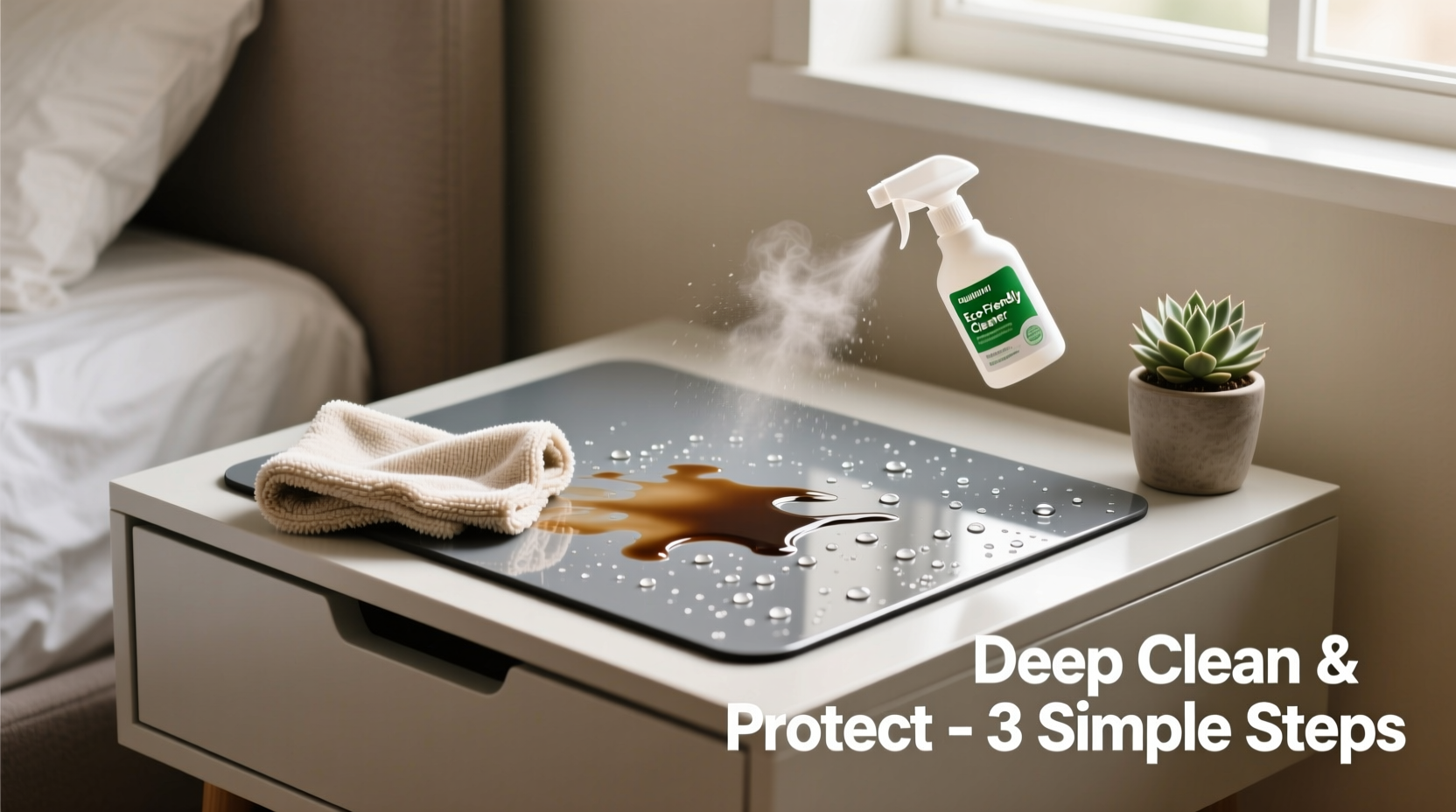
Not all waterproof mats are created equal. Most common types are made from PVC, silicone, TPU (thermoplastic polyurethane), or rubber-coated fabric. Each material responds differently to cleaning agents and environmental factors. For instance, PVC may yellow over time when exposed to UV light, while silicone is highly resistant to stains and heat but can attract lint. Knowing your mat’s composition helps you choose the right cleaning method without risking damage.
Check the manufacturer’s label or product manual for care instructions. If unavailable, perform a spot test in an inconspicuous area before applying any solution. Avoid abrasive tools like steel wool or harsh chemicals such as bleach on delicate surfaces. Mats with textured finishes or non-slip backing require extra attention, as debris can settle into grooves and reduce grip efficiency.
Tip: Always unplug nearby electronics before cleaning near your bedside table to avoid electrical hazards.Step-by-Step Deep Cleaning Process
A thorough deep clean should be performed every 4–6 weeks, depending on usage. Follow this structured routine to remove embedded dirt, eliminate odors, and sanitize the surface effectively.
- Remove and Shake Out Debris: Lift the mat from the table surface. Take it outdoors or over a trash can and shake vigorously to dislodge loose particles like hair, dust, and food crumbs.
- Dry Brush Surface: Use a soft-bristled brush (an old toothbrush works well) to scrub textured areas, seams, and edges where residue accumulates.
- Prepare Cleaning Solution: Mix one cup of warm water with one tablespoon of mild dish soap and one teaspoon of white vinegar. This combination cuts through grease, removes fingerprints, and disinfects without damaging most waterproof materials.
- Wipe Down Entire Surface: Dip a microfiber cloth into the solution, wring it out well, and wipe the mat thoroughly. Pay close attention to high-contact zones like phone or lamp placement spots.
- Tackle Stains Immediately: For stubborn marks (coffee rings, makeup, lotion), apply a paste of baking soda and water directly to the stain. Gently scrub in circular motions, then wipe clean.
- Rinse and Dry: Dampen a second clean cloth with plain water and go over the mat to remove soapy residue. Air-dry flat in a shaded area—never under direct sunlight, which can warp or discolor certain materials.
- Final Sanitizing Step (Optional): Once dry, lightly mist with 70% isopropyl alcohol using a spray bottle, then wipe with a dry cloth. This kills bacteria and leaves no residue.
Maintaining Non-Slip Backing
If your mat has a rubberized underside, avoid soaking it. Excess moisture can degrade adhesive properties over time. Instead, use a slightly damp cloth to wipe the bottom, then air-dry completely before repositioning.
| Cleaning Agent | Suitable For | Avoid On |
|---|---|---|
| Mild Dish Soap + Water | All waterproof mats | None (safe universal option) |
| White Vinegar Solution | PVC, Silicone, Rubber | Fabric-coated surfaces (may cause fraying) |
| Baking Soda Paste | Stains, Odor Removal | High-gloss finishes (can scratch) |
| Isopropyl Alcohol (70%) | Sanitizing, Disinfecting | Porous or laminated edges |
| Bleach or Ammonia | Never recommended | All mat types (causes degradation) |
Protective Strategies for Long-Term Durability
Cleaning alone isn’t enough. Proactive protection prevents rapid deterioration and maintains aesthetic quality. Consider these practices part of your ongoing maintenance plan.
- Rotate the Mat Monthly: Flip or rotate the mat every few weeks to ensure even wear, especially if you consistently place devices or bottles in the same spot.
- Use Coasters and Trays: Place small trays or coasters under liquids to minimize direct contact and prevent ring marks.
- Control Sunlight Exposure: Keep the mat away from windows or lamps that emit heat. Prolonged UV exposure weakens polymers and fades colors.
- Apply a Protective Spray (Select Cases): For silicone or rubber mats, a silicone-based protectant can enhance water beading and reduce static cling. Test first and apply sparingly.
“Most people think waterproof means maintenance-free. In reality, neglect leads to biofilm buildup and material fatigue—even on resilient surfaces.” — Dr. Lena Torres, Home Hygiene Researcher, National Sleep Foundation
Real-World Example: The Nightstand Makeover
Sarah, a nurse working night shifts, noticed her black waterproof mat had turned sticky and developed faint yellow streaks after six months of nightly use. She regularly wiped it with a damp cloth but hadn’t performed a deep clean. After following the baking soda-vinegar method outlined above, she removed a film of oxidized skincare products and restored the mat’s original texture. By incorporating monthly rotation and using a small ceramic tray for her nighttime water glass, she extended the mat’s freshness significantly. Six months later, it still looks nearly new.
Tip: Label the corners of your mat with invisible tape markers to help track rotation cycles.Essential Maintenance Checklist
Stay on top of care with this simple checklist:
- ✅ Shake out debris weekly
- ✅ Wipe surface with damp microfiber cloth 2x/week
- ✅ Perform full deep clean every 4–6 weeks
- ✅ Inspect for warping, cracking, or odor retention monthly
- ✅ Rotate or flip mat every 30 days
- ✅ Store flat when not in use (e.g., during travel or cleaning)
- ✅ Replace if peeling, bubbling, or permanently stained
Frequently Asked Questions
Can I wash my waterproof mat in the dishwasher?
No. Despite some claims online, dishwashers expose mats to extreme heat and aggressive detergents that can warp, crack, or delaminate materials. Hand washing with gentle solutions is safer and more effective.
Why does my mat feel sticky after cleaning?
Residue from soaps, lotions, or incomplete rinsing often causes stickiness. Re-clean using only water and a microfiber cloth. If the issue persists, wipe with diluted white vinegar (1:4 with water), then rinse and dry thoroughly.
How often should I replace my bedside mat?
With proper care, most quality mats last 1.5 to 3 years. Signs it’s time to replace include persistent odors, visible cracks, loss of adhesion, or surface pitting that traps dirt.
Final Thoughts and Call to Action
Your bedside table mat plays a quiet but vital role in maintaining bedroom cleanliness and protecting furniture. Treating it as a low-maintenance item leads to overlooked contamination and premature replacement. By integrating deep cleaning into your household routine and applying protective habits, you preserve both hygiene and longevity. These small efforts compound into lasting value—keeping your space fresh, functional, and ready for restful nights.
🚀 Take action tonight: Remove your mat, inspect it closely, and schedule your first deep clean this week. Share your experience or tips in the comments—your insight could help others create a healthier sleep environment.








