Every year, millions of pounds of wrapping paper end up in landfills after just minutes of use. Traditional gift wrap may shimmer and shine, but it often contains plastic coatings, metallic inks, and non-recyclable materials that make it environmentally destructive. The good news? You don’t have to sacrifice elegance for ethics. A new wave of sustainable gifting allows you to present presents with sophistication while honoring the planet. From fabric wraps to hand-stamped paper, there are countless ways to wrap gifts beautifully—without generating waste.
Luxury doesn’t come from excess; it comes from thoughtfulness, texture, and intention. By choosing eco-conscious wrapping methods, you elevate the entire experience of giving. These alternatives aren’t just kinder to the Earth—they often carry more meaning, last longer, and can even become part of the gift itself.
Furoshiki: The Art of Japanese Fabric Wrapping
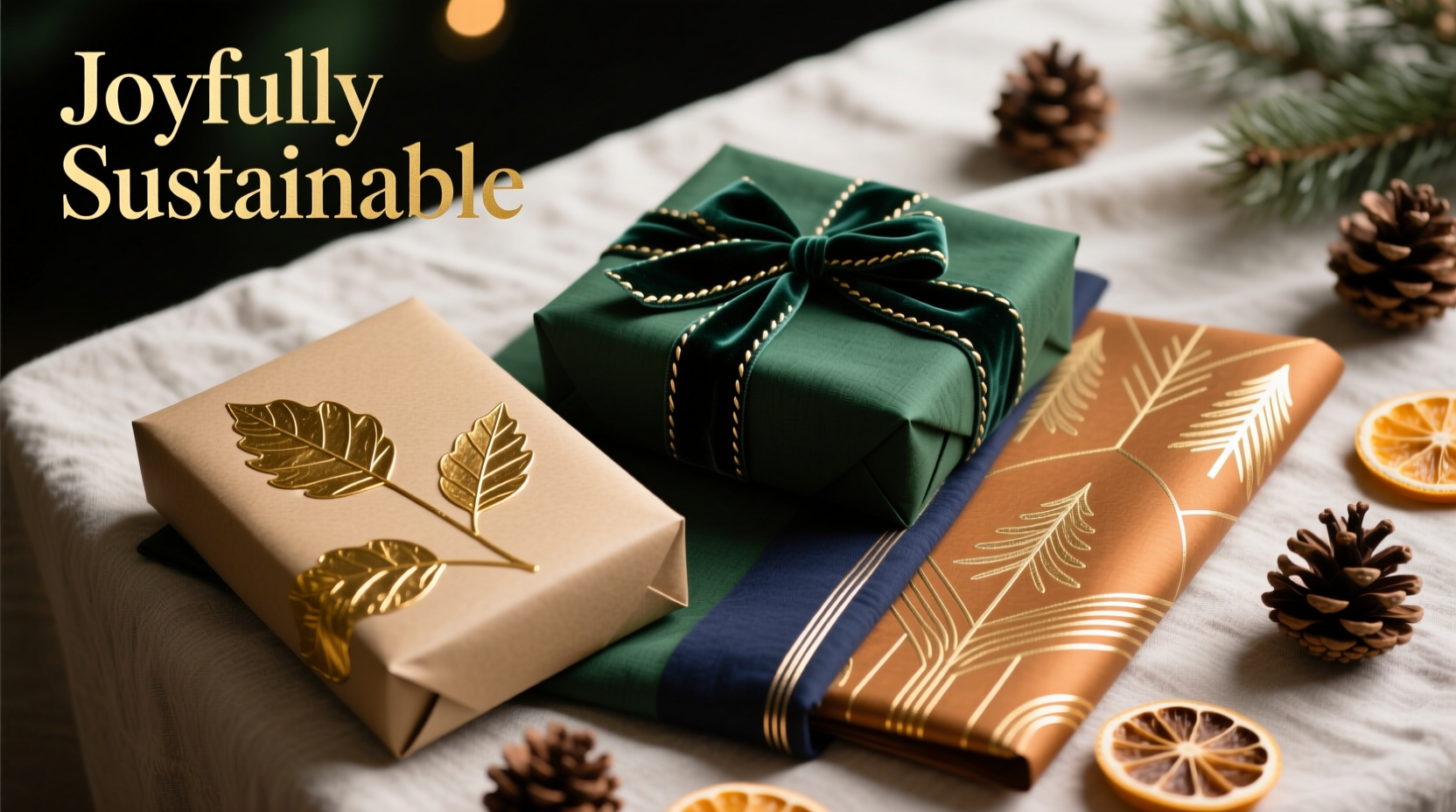
Furoshiki is a centuries-old Japanese technique of wrapping items in cloth. Originally used to bundle clothes at public baths, it has evolved into a refined method of gift presentation. Made from silk, cotton, or linen, furoshiki cloths drape elegantly around boxes, bottles, or oddly shaped items, secured with intricate knots that double as decorative elements.
The beauty of furoshiki lies in its versatility. A single square of fabric can wrap multiple sizes and shapes depending on the folding technique. It’s reusable, washable, and often so beautiful that recipients keep and reuse it—sometimes even framing it as art.
Tip: Choose patterned fabrics with seasonal motifs—deep reds, forest greens, or gold accents—to maintain a festive aesthetic without relying on traditional wrapping paper.To get started, select a square cloth roughly twice the size of your gift. Place the gift in the center, then bring opposite corners together over the top, tying them securely. For bottles or cylindrical items, try the “bottle wrap” knot, which spirals the fabric into an elegant twist. With practice, these techniques become second nature—and the visual impact is unforgettable.
Reusable Gift Bags and Boxes
While disposable paper dominates holiday culture, high-quality reusable bags and boxes offer a durable, chic alternative. Made from recycled cotton, kraft paper with fabric handles, or rigid cardboard with magnetic closures, these containers are designed to be opened, saved, and used again.
Many luxury brands now offer “gift-ready” packaging made from FSC-certified paperboard or organic cotton drawstring bags. These often feature minimalist designs—embossed logos, subtle foil accents, or hand-tied ribbons—that convey exclusivity without excess.
What sets reusable options apart isn’t just sustainability—it’s emotional resonance. A recipient who receives a gift in a sturdy keepsake box is more likely to remember not only the present but the care behind its presentation.
“Sustainable packaging doesn’t mean dull or plain. In fact, restraint often amplifies luxury.” — Clara Mendez, Sustainable Design Consultant
How to Style Reusable Containers
- Add dried citrus slices or cinnamon sticks inside the bag for a sensory touch.
- Tie with hemp twine and attach a handwritten tag on seed paper.
- Use vintage tins or wooden crates lined with tissue made from bamboo fiber.
- Personalize with wax seals using biodegradable soy-based wax.
Creative Paper Alternatives That Feel Luxurious
Not all paper is created equal. While standard glossy wrapping paper often contains polyethylene film (making it unrecyclable), several earth-friendly papers deliver richness and texture without environmental cost.
Butcher paper, when left unbleached, has a warm ivory tone that pairs beautifully with natural embellishments. Wrap gifts in it, then decorate with pressed flowers, eucalyptus sprigs, or calligraphy-style names written in walnut ink. The result is rustic yet refined—an understated opulence that feels personal and intentional.
Origami paper made from mulberry bark (washi) offers another exquisite option. Thin, fibrous, and delicately textured, washi paper drapes like silk and accepts natural dyes beautifully. Hand-dyed sheets in deep indigo or madder root red create one-of-a-kind wraps that feel ceremonial.
Old book pages or sheet music also serve as unexpected yet elegant choices—especially for literary lovers or musicians. The faint yellowing of aged paper adds character, and the history embedded in the text enhances the sentimentality of the gift.
Tip: Use plant-based glue or water-activated tape to seal paper wraps—both are fully compostable and leave no residue.Step-by-Step Guide: How to Wrap a Gift Sustainably in 5 Steps
- Select your base material: Choose furoshiki cloth, recyclable kraft paper, or a reusable bag. Ensure it’s free from plastic lamination or synthetic coatings.
- Prepare the gift: Remove any non-recyclable stickers or labels from the item before wrapping.
- Wrap with intention: Fold neatly, using minimal tape. For fabric, secure with a knot or brooch. For paper, use paper tape or twine.
- Embellish naturally: Add greenery, dried fruit, or a sprig of pine. Avoid plastic glitter, tinsel, or synthetic ribbons.
- Attach a sustainable tag: Use recycled cardstock, wood slices, or fabric scraps with a message written in soy-based ink.
This process takes only slightly longer than conventional wrapping—but the difference in impact is profound. Each choice reduces landfill waste and signals a deeper respect for resources.
Comparison Table: Eco-Friendly Wrapping Options
| Material | Reusability | Recyclable? | Luxury Factor | Best For |
|---|---|---|---|---|
| Furoshiki Cloth | High (50+ uses) | No (but reusable indefinitely) | ★★★★★ | Bottles, books, clothing |
| Kraft Paper (uncoated) | Low (single use) | Yes | ★★★★☆ | Boxes, small items |
| Old Maps/Sheet Music | Low | Yes (if no lamination) | ★★★★★ | Personalized gifts |
| Reusable Cotton Bag | Very High | N/A | ★★★★☆ | Toys, apparel, baskets |
| Beeswax-Wrapped Fabric | Moderate (seasonal) | Compostable | ★★★★☆ | Food gifts, candles |
Real Example: A Zero-Waste Holiday from Start to Finish
Sophie, a graphic designer in Portland, committed to a zero-waste holiday season three years ago after learning that her city’s recycling facility rejected 70% of holiday wrapping due to contamination. She began collecting vintage scarves and tea towels from thrift stores, turning them into furoshiki wraps. Each gift was tied with twine and tagged with a wooden slice engraved with the recipient’s name.
One friend received a bottle of wine wrapped in a silk scarf printed with cherry blossoms—later reused as a wall hanging. Another got cookies in a handmade linen bag, which she repurposed as a produce sack. Sophie reported that feedback was overwhelmingly positive; people said the gifts felt more meaningful, and several adopted her methods the following year.
Her total spending on wrapping? Under $20 for the season—mostly on twine and tags. The rest came from reused household textiles or items found secondhand.
Checklist: Sustainable Gift Wrapping in Practice
Before wrapping your next gift, run through this checklist to ensure your method aligns with eco-luxury principles:
- ☐ Material is reusable, recyclable, or compostable
- ☐ No plastic coatings, foils, or laminates present
- ☐ Embellishments are natural (e.g., pinecones, herbs, seeds)
- ☐ Tape or adhesive is paper-based or water-activated
- ☐ Tag is made from recycled, seeded, or upcycled material
- ☐ Ribbon or tie is cotton, jute, or raffia—not polyester
- ☐ Presentation feels intentional and elevated, not makeshift
Common Mistakes to Avoid
Even well-meaning efforts can fall short if certain pitfalls aren’t recognized. Here are frequent missteps in eco-friendly wrapping:
- Mixing materials: A paper bag with a plastic bow cannot be recycled together. Keep components uniform.
- Assuming “green” colors mean sustainability: Olive-toned paper with glitter may look earthy but could still contain microplastics.
- Overlooking durability: Thin recycled paper tears easily, leading to more waste. Opt for heavier weights when possible.
- Using non-compostable inks: Some vegetable-based inks still contain petroleum derivatives. Look for certified non-toxic labels.
“The most luxurious gift wrap isn’t what you buy—it’s what you think about. Intention is the ultimate indulgence.” — Naomi Reed, Ethical Lifestyle Author
FAQ
Can I recycle wrapping paper with glitter or foil?
No. Most glitter—even “biodegradable” versions—contains plastic microfibers. Foil-coated paper is not accepted by municipal recyclers. If you can tear it easily and it leaves a soft edge, it may be recyclable. If it resists tearing or feels waxy, it should go in the trash.
Where can I find beautiful reusable gift bags?
Look for independent makers on platforms like Etsy, or check ethical brands such as Package Free Shop, EarthHero, or EcoEnclose. Many use GOTS-certified organic cotton or upcycled sari fabric, combining global craftsmanship with modern design.
What do I do if the recipient throws away the wrap?
Focus on influence, not control. Include a note explaining your choice: “This wrap is reusable—please consider passing it along next holiday!” Over time, sustainable habits spread through example, not enforcement.
Conclusion: Elevate Your Ethics Alongside Your Aesthetic
Choosing eco-friendly Christmas gift wrap doesn’t mean compromising on beauty or prestige. In fact, the most luxurious presentations are often the simplest—crafted with care, rich in texture, and mindful of consequence. Whether you drape a bottle in hand-dyed silk, encase a book in vintage map paper, or tuck a treat into a linen pouch, each gesture becomes part of a larger story: one of reverence for craft, connection, and the planet we share.
The holidays are about generosity—not just of gifts, but of spirit. Let your wrapping reflect that depth. Start small: pick one alternative this year. Master a furoshiki knot. Save a favorite bag for reuse. Share your method with a friend. Sustainability grows not through perfection, but through practice.
💬 Inspired to wrap differently? Try one eco-luxury method this season and tell us how it went. Your choices matter—and they might just start a tradition.








