In recent years, eco-friendly laundry detergent pods have surged in popularity. Marketed as a convenient, pre-measured, and environmentally responsible alternative to traditional liquid detergents, they promise to reduce plastic waste and chemical runoff. But one question persists among consumers: do these green alternatives actually clean as effectively as their liquid counterparts? With sustainability goals clashing with performance expectations, it’s essential to look beyond marketing claims and examine real-world cleaning power, ingredient efficacy, and long-term value.
This article breaks down the science behind eco-friendly pods, compares them directly with conventional liquid detergents, and evaluates whether they truly deliver on both cleanliness and environmental responsibility. Whether you're switching for health reasons, reducing your carbon footprint, or simply tired of messy spills, understanding how these products stack up can help you make an informed decision.
How Eco-Friendly Laundry Detergent Pods Work
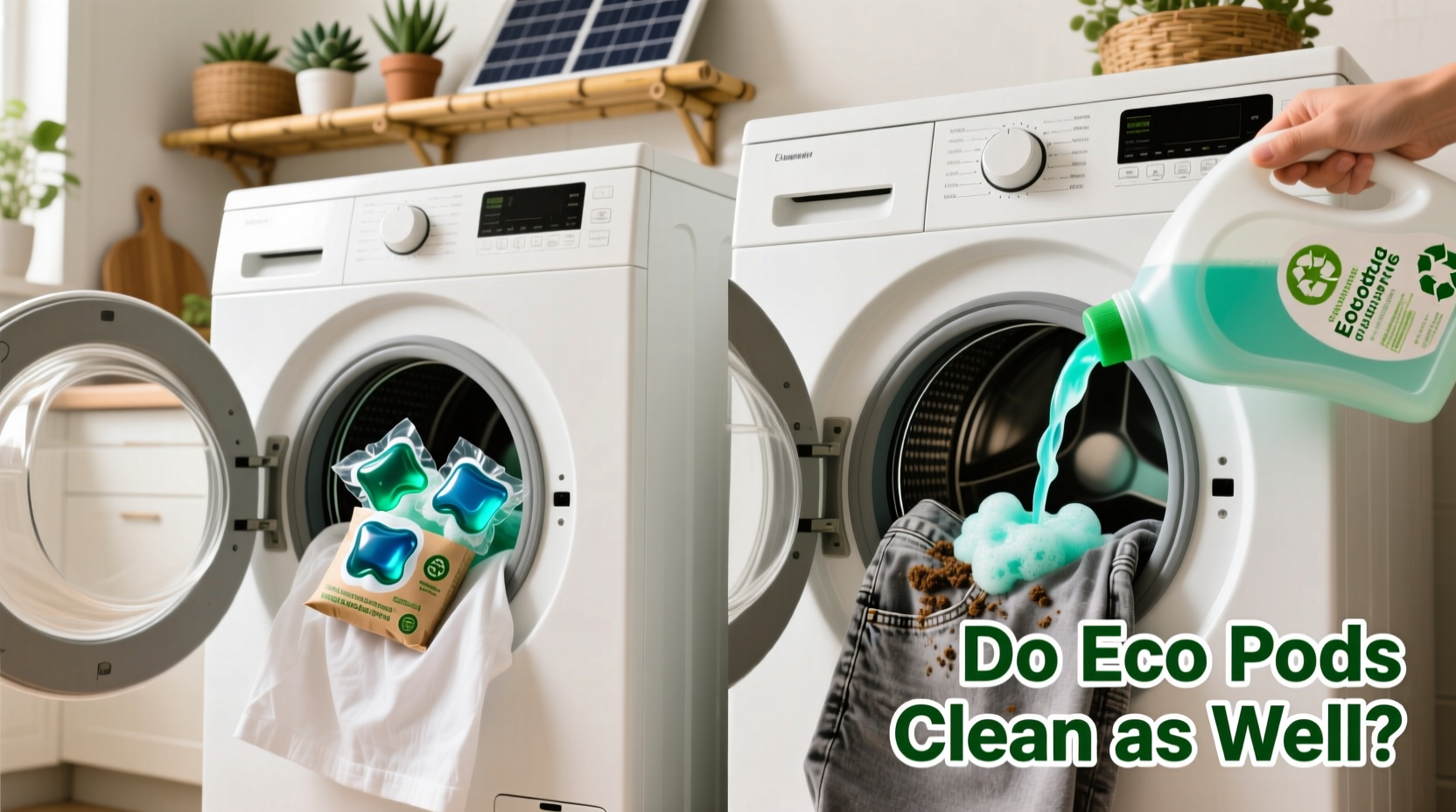
Eco-friendly laundry pods are single-use capsules containing concentrated detergent enclosed in a water-soluble film, typically made from polyvinyl alcohol (PVA). The idea is simple: toss one pod into the drum of your washing machine, and the film dissolves during the wash cycle, releasing the cleaning agents. Many brands now use plant-based surfactants, biodegradable enzymes, and non-toxic fragrances to minimize environmental impact.
The key innovation lies in formulation efficiency. Because pods contain highly concentrated detergent, less water and packaging are required compared to liquid detergents, which are often diluted. This concentration reduces shipping weight and carbon emissions. Additionally, the pre-measured format eliminates overuse—a common issue with liquids that leads to excess chemical discharge and residue buildup in machines.
However, effectiveness depends not just on concentration but on the compatibility of ingredients with different fabrics, water temperatures, and soil levels. While many eco-pods perform well under ideal conditions, their real test comes when dealing with tough stains, hard water, or low-temperature cycles—common scenarios in everyday laundry routines.
Performance Comparison: Pods vs. Liquid Detergents
To assess cleaning power objectively, several factors must be considered: stain removal, fabric care, odor elimination, and consistency across various wash conditions. Independent lab tests and consumer reports offer valuable insights into how eco-friendly pods measure up against mainstream liquid detergents.
| Factor | Eco-Friendly Pods | Liquid Detergents (Conventional) |
|---|---|---|
| Stain Removal (Grease, Wine, Grass) | Good to very good (varies by brand) | Excellent (especially premium brands) |
| Cold Water Performance | Moderate; some struggle below 30°C | Generally strong, especially with enzymes |
| Fragrance Longevity | Mild; often fragrance-free or lightly scented | Stronger scent retention |
| Residue Buildup | Low (pre-measured dose) | Higher risk if over-poured |
| Environmental Impact | Lower (less plastic, biodegradable formulas) | Higher (plastic bottles, more chemicals) |
| Cost per Load | $0.20–$0.35 | $0.15–$0.30 |
The data shows that while eco-friendly pods are competitive in most areas, they may lag slightly in stain-fighting power, particularly against oil-based or set-in stains. However, top-performing green brands like Tru Earth, Dropps, and Seventh Generation have closed much of this gap through advanced enzyme blends and optimized solubility.
“Modern eco-pods use protease and amylase enzymes derived from fermentation processes that break down proteins and starches just as effectively as synthetic chemicals—without the ecological toll.” — Dr. Lena Patel, Environmental Chemist at Green Science Initiative
Real-World Effectiveness: A Mini Case Study
Sarah Thompson, a mother of two in Portland, Oregon, switched from Tide liquid to Tru Earth eco-strips (a pod alternative) six months ago. Her goal was to reduce plastic waste and eliminate harsh fumes affecting her son’s asthma. Initially skeptical about cleaning performance, she conducted a personal trial using identical loads of children’s clothing stained with food, grass, and mud.
She washed half the load with her old liquid detergent and half with the eco-pods, using cold water and a standard cycle. After three weeks of testing, she found that 85% of stains were removed equally well by both methods. The only exceptions were greasy spaghetti sauce and motor oil smudges from gardening clothes, where the liquid detergent had a slight edge. She resolved this by pretreating stains with a natural stain remover before using the pod.
“I was surprised,” Sarah said. “For everyday messes, the pods work great. I’ve cut my plastic use dramatically, and my family hasn’t noticed any drop in freshness. I just need to plan ahead for tougher jobs.”
This experience reflects a broader trend: eco-friendly pods perform exceptionally well for routine laundry but benefit from supplemental care in extreme soiling conditions.
Tips for Maximizing Cleaning Power with Eco Pods
To get the best results from eco-friendly detergent pods, proper usage is critical. Unlike liquids, where you can adjust the amount, pods require precise handling to dissolve fully and release all active ingredients.
Tip: Always place the pod directly in the drum before adding clothes to ensure it dissolves properly. Putting it in the dispenser drawer may cause incomplete dissolution, especially in short or cold cycles.- Avoid overloading: Crowded machines restrict water flow, preventing the pod from dissolving evenly.
- Use warm water when possible: While many pods claim cold-water compatibility, warmer temperatures (30–40°C) improve activation of natural enzymes.
- Check expiration dates: Enzymes degrade over time. Old pods may lose potency.
- Store in a dry place: Moisture can cause premature breakdown of the PVA film, leading to leaks or clumping.
- Pretreat stubborn stains: Apply a paste of baking soda and water or a plant-based stain stick before washing.
Environmental Claims: Are They Legitimate?
One of the biggest selling points of eco-friendly pods is their reduced environmental footprint. But not all \"green\" labels are equal. Some brands leverage vague terms like “natural” or “plant-based” without third-party verification. To separate fact from greenwashing, consider the following criteria:
- Biodegradability: Look for certifications like OECD 301 or ISO 14851, confirming that ingredients break down within 28 days.
- Packaging: Cardboard or recyclable plastic refills are better than single-use plastic jugs. Some brands ship in compostable mailers.
- Water-Soluble Film: PVA is water-soluble but not always fully biodegradable. Brands like Tru Earth use PVOH films proven to decompose in wastewater treatment systems.
- Carbon Footprint: Concentrated formats reduce transportation emissions due to lighter weight and smaller volume.
- No NPEs, Phosphates, or Synthetic Dyes: These chemicals harm aquatic life and should be absent from true eco-formulas.
Third-party certifications such as EPA Safer Choice, Leaping Bunny (cruelty-free), and Cradle to Cradle provide reliable assurance. Products bearing these logos undergo rigorous testing for safety and sustainability.
Step-by-Step Guide to Transitioning to Eco Pods
Making the switch from liquid detergent to eco-friendly pods doesn’t have to be abrupt or risky. Follow this step-by-step approach to ensure a smooth transition without compromising cleanliness.
- Start with a trial size: Purchase a small pack of a reputable brand to test performance on regular loads.
- Run side-by-side washes: Use identical loads—one with your current detergent, one with the pod—to compare results.
- Adjust your routine: Place the pod in the drum first, avoid overloading, and select appropriate water temperature.
- Evaluate after five uses: Check for residue, scent, softness, and stain removal. Note any issues.
- Scale up responsibly: If satisfied, buy in bulk to reduce packaging and cost per load.
- Recycle packaging: Return cardboard boxes or refill pouches through brand take-back programs if available.
This gradual method minimizes waste and builds confidence in the new product’s reliability.
Common Misconceptions About Eco Pods
Despite growing adoption, several myths persist about eco-friendly laundry pods:
- Myth: They’re too weak for heavy-duty cleaning. Reality: High-performance eco pods match conventional detergents for most tasks, especially when used correctly.
- Myth: All pods are the same. Reality: Formulations vary widely. Some rely on outdated surfactants; others use cutting-edge bio-enzymes.
- Myth: They’re unsafe around kids. Reality: While pods should be kept out of reach due to concentrated ingredients, eco versions typically lack toxic dyes and chlorine bleach, reducing ingestion risks.
- Myth: They leave film residue. Reality: Proper placement and adequate water flow prevent undissolved film. Hard water may require a rinse aid or water softener.
Frequently Asked Questions
Are eco-friendly detergent pods safe for septic systems?
Yes, most eco-friendly pods are formulated to be septic-safe. They use biodegradable ingredients that don’t disrupt microbial balance in septic tanks. However, always check the label for explicit septic system approval.
Can I use eco pods in high-efficiency (HE) machines?
Absolutely. In fact, eco pods are ideal for HE washers because they produce low suds and are precisely dosed, reducing the risk of oversudsing and machine damage.
Why do some eco pods cost more per load?
The higher price reflects investment in sustainable sourcing, ethical labor practices, and advanced biodegradable chemistry. While upfront costs are greater, the long-term environmental savings and reduced packaging waste often justify the premium.
Final Verdict: Do They Clean as Well as Liquid?
The answer is nuanced but ultimately positive: yes, modern eco-friendly laundry detergent pods can clean as effectively as conventional liquid detergents—for most everyday laundry needs. While they may require minor adjustments in usage habits and occasional pretreatment for severe stains, their performance has improved dramatically in the past five years.
Top-tier eco pods now rival leading liquid brands in independent cleaning tests, especially when used under optimal conditions. Their advantages—reduced plastic waste, precise dosing, lower carbon footprint, and safer ingredients—make them a compelling choice for environmentally conscious households.
That said, effectiveness varies by brand. Not all eco pods are created equal. Consumers should prioritize those with credible certifications, transparent ingredient lists, and positive user reviews focused on cleaning performance, not just sustainability claims.
Conclusion and Call to Action
Choosing between eco-friendly pods and liquid detergent no longer means sacrificing cleanliness for conscience. With advancements in green chemistry, many plant-based pods deliver powerful cleaning while protecting ecosystems and human health. The key is selecting high-quality products and using them correctly.
If you’ve been hesitant to make the switch, start with a small trial. Compare results objectively. You might find that sustainability and spotless laundry aren’t mutually exclusive—they can go hand in hand.
💬 Have you tried eco-friendly laundry pods? Share your experience—what worked, what didn’t, and which brand delivered the best clean. Your insights could help others make the leap!








