
Every year, millions of tons of wrapping paper end up in landfills after just minutes of use. Traditional holiday wraps often contain plastic coatings, metallic finishes, and non-recyclable laminates that make them environmentally harmful. But sustainability doesn’t have to mean sacrificing style. With thoughtful choices, you can wrap gifts beautifully using materials that are kind to the planet—without looking haphazard or homemade in an unpolished way.
The key is to shift from disposable aesthetics to intentional design. Eco-friendly wrapping isn’t about perfection; it’s about purpose. When done with care, natural materials like fabric, recycled paper, and reusable containers create a refined, understated elegance that elevates your gift-giving experience. This guide explores high-impact, low-waste alternatives that maintain sophistication while reducing environmental impact.
Why Traditional Wrapping Paper Falls Short
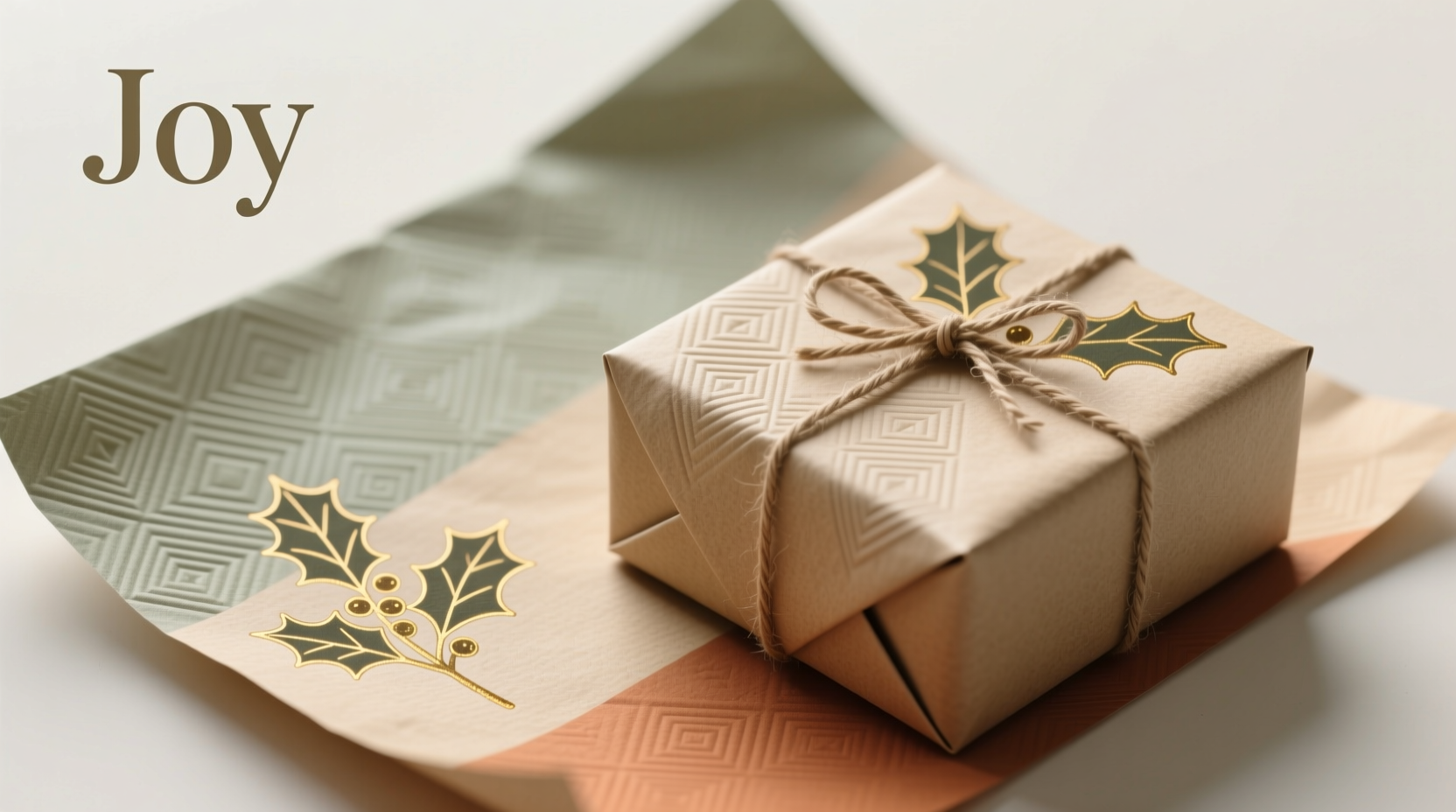
Most conventional Christmas wrapping paper fails on two fronts: recyclability and resource efficiency. Despite its festive appearance, much of it cannot be recycled due to mixed materials. A 2023 study by the Environmental Protection Agency found that over 80% of holiday wrapping paper contains non-paper elements such as foil, glitter, or plastic film—rendering it unsuitable for standard recycling streams.
Additionally, the production of virgin paper contributes to deforestation and high water consumption. The average roll of wrapping paper uses approximately 450 liters of water during manufacturing. Once discarded, these papers often take decades to decompose in landfills, releasing methane—a potent greenhouse gas—in the process.
“Sustainability in gifting starts with rethinking disposability. Beautiful presentation doesn’t require single-use waste.” — Dr. Lena Torres, Sustainable Design Researcher at Green Futures Institute
Fabric Wrapping: The Timeless Elegance of Furoshiki
One of the most elegant and enduring eco-friendly solutions comes from Japan: furoshiki, the art of cloth wrapping. Using square pieces of fabric to wrap gifts with intricate knots and folds, this method transforms any present into a work of art. Unlike crumpled paper or tape-laden boxes, furoshiki exudes minimalism and intentionality.
Fabrics like cotton, linen, silk, or even vintage scarves double as part of the gift. After unwrapping, recipients can reuse the cloth for their own purposes—perhaps as a napkin, wall hanging, or future gift wrap. This circular approach eliminates waste and adds sentimental value.
Tip: Choose neutral-toned fabrics in ivory, sage green, or deep burgundy for a modern, seasonal palette that pairs well with pine sprigs or cinnamon sticks.How to Master Basic Furoshiki Techniques
- Select the right size: The fabric should be large enough to fully enclose the gift with excess for tying. As a rule, the diagonal of the cloth should be at least 1.5 times the length of the longest side of the box.
- Place the gift diagonally on the fabric: Position the item near the bottom corner so flaps extend evenly around it.
- Bring opposite corners together: Fold one corner over the gift, then pull the opposite corner tightly across and tie securely.
- Add a decorative knot: Use a flat bow or reef knot for a clean finish. Tuck in loose ends neatly.
- Embellish thoughtfully: Attach a sprig of rosemary, dried orange slice, or wooden ornament with twine instead of plastic ribbons.
Furoshiki works especially well for books, bottles, and clothing. For irregularly shaped items, consider wrapping in tissue first, then enclosing in fabric for structure.
Recycled and Plant-Based Paper Options
If fabric feels too bold a change, start with upgraded paper alternatives. Not all paper is created equal—some are genuinely sustainable without compromising visual appeal.
Look for wrapping made from 100% post-consumer recycled content, uncoated and printed with soy or water-based inks. These papers are fully recyclable and often feature subtle textures and muted tones that feel artisanal rather than mass-produced. Brands like Wrap Naturals, NoIssue, and Botanical PaperWorks offer collections designed specifically for eco-conscious gifting.
Beyond recycled paper, plant-based options are gaining traction. Wraps made from hemp, bamboo, or even banana fiber provide unique tactile qualities. Their natural imperfections—like slight variations in thickness or flecks of fiber—are not flaws but markers of authenticity.
| Material | Recyclable? | Compostable? | Visual Appeal | Best For |
|---|---|---|---|---|
| Virgin glossy paper | No | No | High (but short-lived) | Traditional decor |
| Recycled kraft paper | Yes | Yes (if uncoated) | Warm, rustic-chic | Books, toys, home goods |
| Hemp-based wrap | Yes | Yes | Earthy, textured | Luxury skincare, candles |
| Furoshiki cloth | N/A (reusable) | Yes (natural fibers) | Elegant, customizable | All gift types |
| Newsprint or old maps | Yes | Yes | Vintage, nostalgic | Personalized gifts |
Styling Recycled Paper Like a Pro
The misconception that eco-friendly paper looks “messy” often stems from poor presentation. Elevate simple kraft or recycled wraps with attention to detail:
- Use cotton ribbon or jute twine instead of plastic tape and bows.
- Stamp designs using potato-carved motifs or rubber stamps with ink.
- Hand-letter names with a fine brush pen for calligraphic flair.
- Incorporate fresh greenery—like eucalyptus or holly—for a luxe, organic touch.
Reusable Containers: Gifts That Keep Giving
Another sophisticated alternative is to skip wrapping altogether and present gifts in reusable vessels. Think beyond boxes: ceramic mugs, glass jars, wooden tins, or woven baskets become part of the gift itself.
A curated cookie gift set in a vintage teacup, bath salts in a reusable amber jar, or a candle nestled in a handmade ceramic dish all communicate care and creativity. These containers can later serve as storage, planters, or drinking glasses—extending the life of the gesture far beyond opening day.
Real Example: The Zero-Waste Hostess Gift
Sophie, a sustainability consultant in Portland, wanted to bring a meaningful hostess gift to her friend’s holiday dinner. Instead of buying wine wrapped in shiny paper, she filled a repurposed mason jar with homemade spiced nuts, sealed it with a cloth lid secured by twine, and attached a tag made from seed paper. She placed the jar inside a small wicker basket lined with burlap. Her host later used the jar for pantry storage and planted the tag in her garden, where wildflowers bloomed in spring.
This layered approach—functional container, biodegradable accents, thoughtful contents—turned a simple gesture into a lasting impression. No trash was generated, yet the presentation felt luxurious and personal.
DIY Natural Embellishments That Add Chic, Not Clutter
Accessories make or break the look of eco-friendly wrapping. Avoid plastic ribbons, glitter tags, and synthetic stickers. Instead, lean into nature’s palette for polished accents.
- Dried citrus slices: Bake thin orange or lemon rounds at 200°F for 3–4 hours until crisp. Tie to packages for a warm, fragrant detail.
- Cinnamon sticks: Bundle three together with twine and tuck under a bow for scent and color.
- Pinecones and sprigs: Attach miniature pinecones or rosemary with a single pin—no glue needed.
- Hand-stamped tags: Cut rectangles from old file folders or cardboard, punch a hole, and write messages with a fountain pen.
The goal is restraint. One focal embellishment per package maintains elegance. Over-decoration, even with natural items, can appear cluttered.
Step-by-Step Guide: Creating a Cohesive Wrapping Station
To ensure consistency across multiple gifts, set up a dedicated wrapping area with curated supplies:
- Gather materials: Collect fabric scraps, recycled paper rolls, twine, scissors, and natural decorations.
- Choose a color theme: Stick to a palette—e.g., forest green, cream, and copper—to unify diverse textures.
- Pre-cut tags and ribbons: Uniform lengths prevent haphazard cutting mid-wrap.
- Label each gift immediately: Write names before assembling to avoid last-minute scribbles.
- Photograph your work: Take a quick picture to assess overall aesthetic. If it looks busy, simplify.
“Elegance in sustainable gifting lies in harmony, not extravagance. Less truly is more.” — Clara Nguyen, Founder of Earth & Ember Lifestyle Co.
Checklist: Eco-Chic Wrapping in 7 Steps
Follow this checklist to ensure every gift looks intentional and earth-friendly:
- ☐ Choose reusable or recyclable wrapping material (fabric, kraft paper, etc.)
- ☐ Avoid plastic tape—use paper tape or twine
- ☐ Select one natural accent per gift (e.g., herb sprig, dried fruit)
- ☐ Handwrite tags on recycled or seed paper
- ☐ Maintain consistent color tones across all presents
- ☐ Store leftover materials in a labeled drawer for future use
- ☐ Include a note explaining the wrap’s reusability (optional but impactful)
FAQ
Can I recycle wrapping paper with text or ink?
Yes, if it’s 100% paper with no plastic coating, glitter, or foil. Soy-based inks are non-toxic and break down during recycling. To test, scrunch the paper—if it stays crumpled, it’s likely recyclable.
What if my recipient throws the fabric away?
Include a small tag suggesting reuse ideas: “This wrap can become a napkin, frame liner, or future gift!” Most people appreciate guidance and will preserve useful items when prompted.
Are DIY wraps really more sustainable than store-bought?
Only if made from repurposed or low-impact materials. Handmade doesn’t automatically mean eco-friendly. Using old newspapers, fabric remnants, or compostable paper ensures true sustainability.
Conclusion: Wrap with Intention, Not Waste
The most beautiful gifts aren’t defined by glossy paper or elaborate bows, but by the thought behind them. By choosing eco-friendly wrapping alternatives that prioritize reuse, natural materials, and mindful design, you elevate both your aesthetic and your impact. These methods prove that sustainability and style coexist seamlessly—when executed with care, they enhance each other.
This holiday season, challenge the notion that beautiful means disposable. Whether you adopt furoshiki, refine your recycled paper technique, or gift in reusable containers, each choice reduces waste and sets a new standard for celebration. Your presents won’t just look chic—they’ll reflect values worth sharing.
💬 Ready to transform your holiday wrapping? Start with one sustainable switch this year and inspire others with your creativity. Share your favorite eco-wrap idea in the comments!