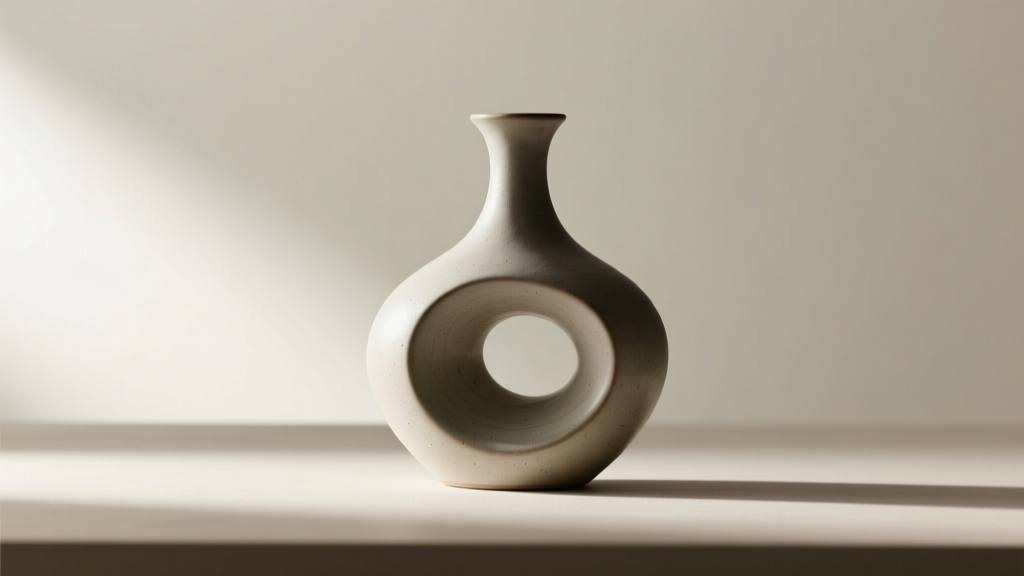
Types of Easy Tall Indoor Plants
While the term "indoor planters" might refer to containers, this guide focuses on tall indoor plants that are easy to care for and thrive in indoor environments. These plants bring natural beauty, improve air quality, and add a vertical element to your space. Below is a breakdown of popular types of indoor growing systems and ideal plant choices that suit each system—especially those that grow tall with minimal maintenance.
Snake Plant (Sansevieria)
A resilient, upright plant with tall, sword-like leaves. Thrives in low light and requires minimal watering.
Advantages
- Extremely low maintenance
- Purifies indoor air (removes toxins)
- Tolerates low light and infrequent watering
- Can grow 3–4 feet tall indoors
Limitations
- Slow growth rate
- Sensitive to overwatering
- Limited flowering indoors
Best for: Beginners, offices, bedrooms, low-light spaces
ZZ Plant (Zamioculcas zamiifolia)
A glossy, dark green plant with upright stems and compound leaves. Known for surviving in tough indoor conditions.
Advantages
- Drought-tolerant and hardy
- Thrives in low to bright indirect light
- Requires watering only every 2–3 weeks
- Grows 2–3 feet tall with proper care
Limitations
- Slow-growing
- Toxic if ingested (keep away from pets)
- Prone to root rot if overwatered
Best for: Low-maintenance homes, commercial spaces, dimly lit corners
Monstera Deliciosa
Famous for its large, split leaves and tropical vibe. Grows tall with proper support and care.
Advantages
- Striking, architectural appearance
- Adapts well to indoor conditions
- Fast-growing under ideal conditions
- Can reach 6–10 feet tall indoors with support
Limitations
- Needs bright, indirect light
- Requires occasional wiping of leaves
- Moderate watering needs
Best for: Living rooms, sunrooms, plant enthusiasts wanting a statement piece
Fiddle Leaf Fig (Ficus Lyrata)
A popular tall houseplant with large, violin-shaped leaves. Adds a dramatic, modern touch to interiors.
Advantages
- Impressive height (can grow 6+ feet)
- Beautiful, glossy foliage
- Excellent air-purifying qualities
- Long-lived with proper care
Limitations
- Sensitive to changes in environment
- Needs consistent watering and humidity
- Prone to leaf drop if stressed
Best for: Bright living areas, modern interiors, dedicated plant caretakers
Soil-Based Indoor Planters
Traditional planters that use potting soil as the growing medium. These are ideal for most easy-care tall plants like Snake Plants, ZZ Plants, and Fiddle Leaf Figs. They require regular but infrequent watering and benefit from well-draining pots to prevent root rot.
- Best Plants: Snake Plant, ZZ Plant, Dracaena, Rubber Plant
- Care Tips: Use cactus or succulent mix for better drainage; water only when soil is dry.
Hydroponic Indoor Planters
These systems grow plants without soil, using nutrient-rich water solutions. They are excellent for fast-growing, moisture-loving tall plants like certain varieties of Philodendron or Pothos (when trained vertically).
- Types: Deep Water Culture (DWC), Nutrient Film Technique (NFT), Aeroponics, Drip Systems
- Passive vs. Active: Passive systems rely on wicks or capillary action; active systems use pumps for nutrient circulation.
- Best for: Tech-savvy growers, consistent environments, faster growth of vining or semi-tall species
Vertical Indoor Planters
Designed to maximize space, these wall-mounted or freestanding systems are perfect for urban homes. While typically used for leafy greens, they can support tall, vining plants like Pothos or Philodendron when trained upward.
- Can be soil-based or hydroponic
- Ideal for small spaces with vertical growth potential
- Maximizes light exposure across multiple levels
Tower Indoor Planters
Vertical towers that allow multiple plants to grow in stacked layers. Water and nutrients are delivered from the top and trickle down. While often used for herbs and vegetables, they can support tall houseplants with compact root systems.
- Great for growing herbs like basil or mint alongside ornamental plants
- Efficient use of space and water
- Can accommodate medium-sized plants up to 3–4 feet tall
Automated Indoor Planters
Smart planters with built-in sensors that monitor light, water, nutrients, humidity, and temperature. These systems automatically adjust conditions to optimize plant growth—ideal for busy individuals who want lush, tall plants without constant attention.
- Includes self-watering mechanisms and LED grow lights
- Can be controlled via smartphone apps
- Higher initial cost but reduces long-term maintenance
- Perfect for growing tall tropicals like Monstera or Dracaena with precision
| Plant Type | Max Height | Light Needs | Watering | Best Planter Type |
|---|---|---|---|---|
| Snake Plant | 3–4 ft | Low to Bright Indirect | Every 2–3 weeks | Soil-based, Ceramic |
| ZZ Plant | 2–3 ft | Low to Moderate | Every 2–3 weeks | Soil-based, Plastic |
| Monstera Deliciosa | 6–10 ft | Bright Indirect | Weekly (when topsoil dries) | Soil-based, Smart/Automated |
| Fiddle Leaf Fig | 6+ ft | Bright Indirect | Weekly, consistent | Soil-based, Large Ceramic |
Expert Tip: When growing tall indoor plants, provide a moss pole or trellis for support—especially for vining or tree-like species such as Monstera or Philodendron. This encourages upward growth and mimics their natural climbing habit.
When selecting an indoor planter or system, consider the type of tall plant you want to grow, the available space, light conditions, and your maintenance preferences. Whether you choose a simple soil-based pot or a high-tech automated system, pairing the right plant with the right container ensures healthy, beautiful growth. Always opt for planters made from durable, non-toxic materials to support long-term plant health and safety.
Design of Tall Indoor Planters: Aesthetic Appeal Meets Functional Gardening
Tall indoor planters are more than just containers for houseplants—they are integral elements of interior design that blend functionality with visual elegance. Thoughtfully designed, these planters enhance home décor while creating optimal growing conditions for a variety of indoor plants. From moisture regulation to structural durability, the right planter can significantly impact plant health and room ambiance. This guide explores the most popular types of tall indoor planters, their unique benefits, and how to choose the best option based on your lifestyle and design preferences.
Ceramic Planters: Elegance and Breathability
Ceramic planters are prized for their aesthetic versatility and functional properties. Crafted from clay that is shaped and fired at high temperatures, these planters offer a refined look suitable for both modern minimalist and classic traditional interiors. Available in a wide array of colors, glazes, and textures, ceramic pots can serve as statement pieces in any room.
One of the key advantages of ceramic is its natural porosity, especially in unglazed or low-fired varieties. This allows air and moisture to pass through the walls of the pot, promoting healthy root development and reducing the risk of root rot. While glazed ceramic pots are more visually striking with their glossy finishes, they are less breathable—making them better suited for plants that prefer drier soil conditions.
Though generally more expensive than other materials, high-quality ceramic planters are exceptionally durable and can last for years with proper care, making them a worthwhile investment for serious indoor gardeners.
Modern Planter Pots with Drainage Holes: Preventing Waterlogging
A critical feature of any functional indoor planter is proper drainage, and modern ceramic or composite planters often include pre-drilled holes at the base. These drainage holes allow excess water to escape, preventing water from pooling at the bottom of the pot—a common cause of root rot and fungal diseases.
For indoor use, planters with drainage trays are especially beneficial, as they catch runoff and protect floors and furniture. Tall planters with integrated drainage systems are ideal for deep-rooted plants such as fiddle leaf figs, snake plants, or dracaenas, ensuring that water doesn’t stagnate in the lower soil layers. When selecting a planter, always verify the presence of drainage holes or consider drilling them if necessary.
Terracotta Pots: Natural and Budget-Friendly
Terracotta pots, made from natural, unglazed fired clay, are a timeless choice for indoor gardening. Recognizable by their warm, reddish-brown hue, these planters offer a rustic charm that complements country, bohemian, and earth-toned interiors.
Their high porosity allows the pot walls to absorb and evaporate moisture, helping regulate soil moisture levels and improve airflow to roots. This makes terracotta especially suitable for succulents, cacti, and other plants that thrive in well-aerated soil. However, this same property means terracotta dries out faster, requiring more frequent watering in dry environments.
Compared to glazed ceramic, terracotta is more affordable and widely available. While it may be more prone to chipping or cracking in freezing temperatures, it remains a durable and eco-friendly option for indoor use when handled with care.
Self-Watering Indoor Pots: Convenience and Consistency
Self-watering planters are engineered for convenience and optimal moisture control. These innovative pots feature a built-in water reservoir at the base, connected to the soil via a wicking system or capillary action. Plants draw water as needed, maintaining consistent soil moisture without the risk of over- or under-watering.
This design is particularly beneficial for busy individuals, frequent travelers, or those new to plant care. It reduces the need for daily monitoring and helps prevent common issues like dry soil stress or root rot. Self-watering systems also promote healthier root growth by encouraging roots to grow downward toward the water source.
Environmentally, these planters are efficient—they minimize water waste by reducing evaporation and runoff. Many models include water level indicators, making maintenance even easier. While typically more expensive upfront, their long-term benefits in plant health and water conservation make them a smart choice for sustainable indoor gardening.
Plastic Pots: Lightweight and Affordable
Plastic planters are a practical and cost-effective solution for indoor gardening. Available in countless shapes, sizes, and colors, they offer great flexibility in matching various interior styles—from sleek modern to playful eclectic.
One of the biggest advantages of plastic is its lightweight nature, making it easy to move and rearrange plants throughout the home. This is especially useful for renters or those who frequently redecorate. Many plastic pots also come with built-in drainage and matching saucers for added convenience.
However, lower-quality plastic may degrade over time when exposed to sunlight or temperature fluctuations, becoming brittle or discolored. To ensure longevity, opt for UV-resistant or thick-walled plastic planters. For a more premium look, consider plastic planters designed to mimic ceramic, concrete, or metal finishes.
Metal Planters: Sleek and Durable
Metal planters, typically crafted from stainless steel, galvanized steel, or powder-coated aluminum, offer a contemporary, industrial aesthetic that fits seamlessly into modern and urban interiors. Their clean lines and reflective surfaces add a touch of sophistication to any space.
These planters are highly durable, resistant to weather, and often suitable for both indoor and outdoor use. Stainless steel and galvanized varieties are rust-resistant, ensuring longevity even in humid environments. However, metal conducts heat and cold more readily than other materials, which can affect root temperature—making them best used with an inner plastic or fabric liner to insulate the plant.
While generally more expensive than plastic or terracotta, metal planters are a long-term investment due to their resilience and timeless design. They work particularly well with tall, architectural plants like bird of paradise, yucca, or tall palms.
| Planter Type | Best For | Pros | Cons |
|---|---|---|---|
| Ceramic | Decorative spaces, moderate watering needs | Beautiful finish, durable, breathable (unglazed) | Heavy, expensive, fragile if dropped |
| Terracotta | Succulents, cacti, rustic interiors | Affordable, porous, natural look | Dries quickly, fragile, stains easily |
| Self-Watering | Busy owners, humidity-loving plants | Water-efficient, low maintenance, consistent moisture | Higher cost, requires occasional cleaning |
| Plastic | Budget setups, movable displays | Lightweight, affordable, versatile designs | Less durable, can look cheap, prone to cracking |
| Metal | Modern interiors, indoor/outdoor use | Stylish, durable, weather-resistant | Poor insulation, may need liner, higher price |
Important: Always consider the specific needs of your plant when selecting a planter. Factors such as root depth, watering frequency, and light exposure should guide your choice. Avoid placing planters directly on wood or fabric surfaces without a protective saucer, especially those without drainage. Regularly inspect planters for cracks, salt buildup, or signs of wear to maintain both plant health and home safety.
How to Choose Easy Tall Indoor Plants and Planters
Selecting the right tall indoor plants and compatible planters is essential for creating a thriving, low-maintenance indoor garden. Whether you're growing herbs, leafy greens, or decorative foliage, understanding key selection factors ensures healthy plant growth and long-term success. Below are the most important considerations when choosing indoor planters and matching them with suitable tall, easy-care plants.
Type of Crops or Plants
The type of plant you wish to grow directly influences the best planter type and size. Different plants have unique root systems, growth habits, and nutrient needs that must be supported by the right growing environment.
- Soil-based planters are ideal for growing herbs (like basil, mint, and thyme), leafy greens (such as lettuce and spinach), and compact vegetables. These plants thrive in traditional potting mixes and benefit from natural soil microbiology.
- Hydroponic systems are excellent for fruiting plants like tomatoes, strawberries, and peppers, which require consistent moisture and nutrient delivery. These systems often support taller growth with vertical trellising.
- Tall decorative plants such as snake plants, fiddle-leaf figs, or Dracaena benefit from deep, stable planters that support their height and root depth.
Key tip: Match the root depth of your plant to the planter depth—tall plants need deeper containers to prevent tipping and support healthy root development.
Available Space and Planter Design
Maximizing space efficiency is crucial in indoor gardening, especially in apartments or small homes. The right planter design can transform unused vertical areas into productive green zones.
- Vertical and tower planters are perfect for small spaces, allowing you to grow multiple plants upward rather than outward. These are ideal for herbs, strawberries, and trailing plants.
- Corner planters utilize underused areas and can accommodate taller plants like citrus trees or dwarf fruit varieties.
- Freestanding floor planters work well in larger rooms and can support statement plants such as monstera or rubber trees.
Smart choice: Opt for stackable or modular planters to scale your indoor garden as your experience grows.
Ease of Use and Maintenance
Indoor gardening should enhance your lifestyle, not complicate it. Choosing low-maintenance options ensures long-term enjoyment and plant health.
- Self-watering planters feature built-in reservoirs that reduce watering frequency—ideal for busy individuals or frequent travelers.
- Automated hydroponic kits with timers, LED grow lights, and nutrient pumps offer a hands-free experience, perfect for beginners.
- Manual planters offer a more traditional gardening experience and are great for those who enjoy daily plant care and monitoring.
Pro tip: Look for planters with water-level indicators or overflow drainage to prevent overwatering and root rot.
Budget and Value Considerations
Indoor planters vary widely in price, but investing wisely can save money and effort over time.
- Soil-based planters are generally the most affordable, especially when using basic plastic or terracotta pots.
- Hydroponic systems have a higher upfront cost due to pumps, grow lights, and nutrient solutions, but they often yield faster growth and higher harvests.
- Vertical and smart planters are premium options that combine aesthetics, space efficiency, and technology—great for modern homes.
Value insight: Mid-range planters with durable materials and good drainage offer the best balance of cost and longevity.
Planter Materials and Durability
The material of the planter affects weight, breathability, moisture retention, and overall plant health.
- Plastic planters are lightweight, affordable, and easy to move—ideal for renters or those who like to rearrange their space. Choose UV-resistant models if near sunny windows.
- Terracotta and ceramic pots are breathable, helping prevent root rot, and add a classic aesthetic. However, they are heavier and can dry out faster.
- Fiberglass or resin planters offer durability and weather resistance, making them suitable for both indoor and transitional outdoor use.
Important note: Ensure all materials are non-toxic and food-safe if growing edible plants.
Best Tall, Low-Maintenance Plants
Pairing the right plant with the right planter makes all the difference. Here are some of the easiest tall indoor plants to grow:
- Snake Plant (Sansevieria) – Grows up to 4 feet tall, thrives on neglect, and purifies indoor air.
- ZZ Plant (Zamioculcas zamiifolia) – Drought-tolerant, glossy foliage, and grows vertically with minimal care.
- Dracaena – Tree-like appearance, available in various heights, and tolerates low light.
- Fiddle-Leaf Fig – A statement plant that grows tall with proper light and watering.
- Spider Plant (variegated, climbing) – While not extremely tall, its arching growth adds vertical interest.
Gardener’s pick: Snake plants in self-watering ceramic pots combine beauty, height, and ultra-low maintenance.
Expert Recommendation: For beginners, start with a tall, easy-care plant like a snake plant or ZZ plant in a self-watering, deep planter. These combinations require minimal attention, tolerate irregular watering, and improve indoor air quality. As confidence grows, consider expanding into hydroponic herb towers or vertical vegetable gardens for fresh, homegrown produce year-round.
| Plant Type | Recommended Planter Type | Watering Needs | Light Requirements |
|---|---|---|---|
| Snake Plant | Deep ceramic or plastic pot | Low (every 2–3 weeks) | Low to bright indirect light |
| ZZ Plant | Medium-deep container with drainage | Very low (monthly) | Low light tolerant |
| Dracaena | Tall, narrow planter | Moderate (weekly) | Bright, indirect light |
| Herbs (Basil, Mint) | Soil-based window box or tower planter | Regular (keep moist) | 6+ hours of sunlight or grow light |
| Cherry Tomatoes (dwarf) | Hydroponic or large soil container | High (daily monitoring) | Full sun or strong grow lights |
Additional Tips for Success
- Drainage is key: Always choose planters with drainage holes to prevent waterlogging and root diseases.
- Use quality potting mix: Avoid garden soil; opt for indoor-specific, well-aerated potting mixes.
- Rotate plants regularly: This ensures even growth, especially for tall plants that may lean toward light sources.
- Monitor for pests: Tall plants can harbor spider mites or mealybugs—inspect leaves regularly.
- Consider aesthetics: Choose planters that complement your home decor to enhance visual appeal.
Scenarios for Tall Indoor Planters: Enhancing Spaces with Vertical Greenery
Tall indoor planters are a versatile and stylish solution for bringing nature into built environments. Their vertical design maximizes space efficiency while adding visual interest, improving air quality, and supporting indoor gardening. Whether used in homes or public institutions, these planters create vibrant, healthier, and more inviting spaces. Below are the most common and impactful scenarios where tall indoor planters are utilized.
Pro Tip: When selecting tall indoor planters, consider factors such as lighting, humidity, maintenance needs, and plant growth patterns. Self-watering or smart irrigation systems can greatly reduce upkeep, especially in commercial or high-traffic environments.
Residential Homes
Tall indoor planters are increasingly popular in modern homes due to their space-saving vertical design and aesthetic appeal. They are ideal for apartments, living rooms, kitchens, and entryways where floor space is limited. These planters allow homeowners to grow herbs, leafy greens, ornamental plants, and even small fruiting plants like dwarf citrus or strawberries.
Beyond aesthetics, indoor gardening improves air quality by filtering pollutants and increasing humidity. The presence of greenery also promotes mental well-being, reduces stress, and enhances the overall ambiance of a living space. Many homeowners choose self-watering or modular tall planters that integrate seamlessly with interior decor.
Educational Institutions (Schools and Classrooms)
In schools, tall indoor planters serve as valuable educational tools. They are incorporated into science curricula to teach students about plant biology, photosynthesis, life cycles, and sustainable agriculture. Hands-on gardening fosters responsibility, patience, and environmental awareness.
Classroom planters often feature herbs, lettuce, or fast-growing plants like beans and sunflowers. Teachers use them to demonstrate STEM concepts in an engaging, real-world context. Additionally, greenery in classrooms has been shown to improve concentration, reduce noise levels, and create a calming atmosphere conducive to learning.
Office and Workplace Environments
Modern offices are embracing biophilic design principles, and tall indoor planters play a key role in this trend. Strategically placed planters enhance workplace aesthetics, boost employee morale, and contribute to a healthier indoor environment by filtering airborne toxins and increasing oxygen levels.
Studies show that office greenery can reduce stress, increase productivity, and improve cognitive function. Many businesses opt for low-maintenance, self-sustaining tall planters with drought-tolerant or air-purifying plants like snake plants, pothos, or peace lilies. These planters are often positioned in lobbies, hallways, break rooms, or near workstations.
Restaurants and Cafés
In the hospitality industry, tall indoor planters elevate the customer experience by creating a fresh, natural, and welcoming atmosphere. Restaurants and cafés use them to grow culinary herbs such as basil, thyme, mint, and cilantro—ensuring a constant supply of fresh ingredients just steps from the kitchen.
Beyond functionality, greenery enhances the sensory experience of dining. Plants add texture, color, and movement to interiors, making spaces feel more alive and less sterile. Vertical planters are especially effective in urban eateries with limited outdoor space, allowing chefs and designers to blend sustainability with style.
Hospitals and Healthcare Facilities
In healthcare settings, tall indoor planters contribute to healing and emotional well-being. Research indicates that exposure to plants can reduce patient anxiety, lower blood pressure, and shorten recovery times. These benefits make planters a valuable addition to waiting rooms, patient corridors, rehabilitation centers, and staff lounges.
Hospitals often select non-allergenic, low-dust, and easy-to-maintain plants such as ferns, spider plants, or ZZ plants. Tall planters are preferred for their visual impact and ability to act as natural room dividers, creating a more serene and homelike environment in otherwise clinical spaces.
Retail Stores and Shopping Centers
Retailers use tall indoor planters to enhance customer experience and drive engagement. Greenery softens hard architectural lines, adds warmth to commercial spaces, and encourages shoppers to linger longer—potentially increasing sales.
Planters are often placed near entrances, checkout areas, or product displays to draw attention and create Instagram-worthy moments. Some stores grow decorative flowers, succulents, or seasonal plants for promotional displays. Others integrate edible gardens to align with eco-friendly branding or support in-store cafes.
Community Centers and Places of Worship
Community centers and churches use tall indoor planters to beautify shared spaces and foster community involvement. Gardening programs provide meaningful activities for all age groups, promote intergenerational interaction, and support wellness initiatives.
These spaces often host workshops on sustainable gardening, composting, or healthy eating using produce grown in their indoor planters. The act of caring for plants together strengthens social bonds and creates a sense of shared purpose and tranquility.
| Setting | Primary Benefits | Recommended Plants | Planter Features |
|---|---|---|---|
| Home | Space-saving, air purification, mental wellness | Herbs, pothos, fiddle-leaf fig, snake plant | Self-watering, decorative finishes, modular stacks |
| Schools | Educational value, student engagement, noise reduction | Beans, lettuce, sunflowers, mint | Durable, child-safe, easy access for maintenance |
| Offices | Stress reduction, productivity boost, aesthetic appeal | Peace lily, ZZ plant, spider plant, philodendron | Low-maintenance, integrated irrigation, sleek design |
| Restaurants/Cafés | Fresh ingredients, ambiance enhancement, sustainability | Basil, thyme, rosemary, microgreens | Hydroponic options, food-safe materials, compact footprint |
| Hospitals | Healing environment, air quality, emotional comfort | Ferns, aloe vera, peace lily, rubber plant | Non-allergenic, easy to clean, quiet irrigation |
| Retail Stores | Customer attraction, brand image, sensory appeal | Succulents, flowering plants, seasonal greens | Eye-catching design, modular, lighting integration |
| Community Centers/Churches | Social connection, therapeutic gardening, beautification | Herbs, flowers, easy-care foliage plants | Durable, accessible height, group maintenance friendly |
Expert Tip: For long-term success, match the planter type and plant selection to the environment’s light, humidity, and foot traffic. Smart planters with moisture sensors or automated watering systems are ideal for busy or low-maintenance settings like offices and hospitals.
Choosing the Right Tall Indoor Planter
When selecting tall indoor planters for any setting, consider the following:
- Material: Choose from ceramic, fiberglass, metal, or recycled plastics based on durability and design needs.
- Drainage: Ensure proper drainage to prevent root rot; self-watering systems are ideal for consistent moisture.
- Height and Scale: Taller planters make a statement but should be proportionate to the room size.
- Plant Compatibility: Match plant types to available light and care requirements.
- Maintenance: Opt for low-maintenance or automated systems in high-traffic or staff-limited environments.
By thoughtfully integrating tall indoor planters into various environments, individuals and organizations can create healthier, more beautiful, and more engaging spaces. Whether for education, healing, productivity, or simple enjoyment, vertical greenery is a powerful tool for enhancing indoor living.
Frequently Asked Questions About Tall Indoor Planters
Q1: Will a tall indoor planter be suitable for plants that grow tall?Absolutely. Tall indoor planters are specifically designed to support the growth of vertical plants, offering both depth and stability for healthy development. Their extended height provides ample room for root expansion downward, while also accommodating the upward growth of stems and foliage.
- Root Space: A deep planter ensures that plants with extensive root systems—such as fiddle leaf figs, dracaenas, or bird of paradise—can establish strong foundations without becoming root-bound.
- Soil Volume: More soil means better moisture retention and nutrient availability, reducing the frequency of watering and fertilizing.
- Stability: Taller planters are often heavier and wider at the base, which helps prevent top-heavy plants from tipping over as they grow.
- Material Considerations: Choose planters made from durable materials like fiberstone, ceramic, or reinforced plastic that can support the combined weight of wet soil, a mature plant, and the container itself.
When selecting a tall planter, ensure it has adequate drainage holes to prevent waterlogging and promote healthy root respiration. Matching the planter size to your plant’s growth potential is key to long-term success.
Q2: What are the benefits of growing tall indoor plants in a tall planter?Using tall indoor planters for vertical-growing plants offers both aesthetic and functional advantages, transforming your living or working space into a greener, healthier environment.
- Visual Impact: Tall plants act as natural focal points, adding height, drama, and elegance to any room. They draw the eye upward, making ceilings appear higher and spaces feel more open.
- Space Efficiency: Unlike sprawling floor plants, tall varieties grow vertically, maximizing greenery without consuming valuable floor area—ideal for apartments, offices, or compact homes.
- Air Purification: Plants like the snake plant, peace lily, or areca palm naturally filter indoor air by absorbing carbon dioxide and releasing oxygen, while also removing common pollutants like formaldehyde and benzene.
- Humidity Regulation: Through transpiration, tall indoor plants release moisture into the air, helping to maintain optimal humidity levels, especially in dry indoor environments.
- Mental Wellbeing: Studies show that being around tall, leafy plants can reduce stress, boost mood, and enhance concentration and productivity.
In addition, a well-chosen tall planter can serve as a decorative piece, complementing your interior design with modern, rustic, or minimalist styles depending on the material and finish.
Q3: Can tall indoor planters be used outdoors?While primarily designed for indoor use, many tall indoor planters can be used outdoors—provided they are made from weather-resistant materials and the plants are properly acclimated.
- Material Suitability: Plastic, fiberglass, metal (with rust-resistant coating), and treated wood planters perform well outside. Avoid unglazed ceramics or low-quality composites that may crack due to freeze-thaw cycles.
- Drainage Needs: Outdoor planters must have sufficient drainage to prevent water accumulation during rain. Elevating the planter on feet or using a saucer with overflow holes can help.
- Plant Acclimation: Indoor plants are accustomed to stable temperatures, indirect light, and low wind. Moving them outside should be done gradually—start with a few hours of morning shade and increase exposure over 7–10 days to avoid shock or sunburn.
- Seasonal Considerations: In colder climates, bring sensitive plants indoors before temperatures drop below their tolerance level (usually below 50°F/10°C).
If you plan to keep planters outdoors permanently, consider using them for hardy outdoor varieties like dwarf citrus trees, ornamental grasses, or flowering shrubs that thrive in your local climate.
Q4: How should tall indoor plants be cared for?Proper care ensures that tall indoor plants remain healthy, vibrant, and structurally sound. Care routines vary by species, but general best practices apply across most tall varieties.
- Watering: Check soil moisture weekly by inserting your finger 1–2 inches deep. Water only when the top layer feels dry. Overwatering is a leading cause of root rot, especially in deep pots where moisture lingers.
- Light Requirements: Most tall indoor plants prefer bright, indirect sunlight. Place them near east- or south-facing windows, but shield them from harsh midday sun that can scorch leaves.
- Fertilization: Feed monthly during the growing season (spring and summer) with a balanced liquid fertilizer (e.g., 10-10-10 NPK). Reduce feeding in fall and winter when growth slows.
- Cleaning & Maintenance: Dust accumulates on large leaves, blocking light absorption. Wipe leaves gently with a damp cloth every few weeks. Prune yellowing or damaged foliage to encourage new growth and prevent pest infestations.
- Support & Training: Use stakes, moss poles, or trellises for vining or top-heavy plants to guide growth and maintain an upright shape.
- Repotting: Repot every 2–3 years or when roots begin to emerge from drainage holes. Upgrade to a pot only 1–2 inches larger in diameter to avoid excess soil and water retention.
Monitor for common pests like spider mites, mealybugs, and scale, especially on the undersides of leaves. Treat early with insecticidal soap or neem oil for best results.
Q5: Can tall indoor planters be used for growing vegetables?Yes, tall indoor planters can successfully grow a variety of vegetables—especially those with deep root systems or upright growth habits—making them excellent for urban gardening and indoor food production.
- Suitable Vegetables: Tomatoes, peppers, eggplants, cucumbers (with support), kale, Swiss chard, and bush beans all thrive in deep containers with proper care.
- Planter Material: Food-safe plastics, stainless steel, or powder-coated metal containers are ideal. Avoid untreated wood or reactive metals that could leach chemicals into the soil.
- Soil & Drainage: Use high-quality potting mix designed for containers—not garden soil, which compacts easily. Ensure the planter has multiple drainage holes to prevent waterlogging and root rot.
- Light Needs: Most edible plants require 6–8 hours of direct sunlight daily. A sunny balcony, sunroom, or grow lights are essential for success indoors.
- Pollination: Indoor vegetables may need manual pollination. Gently shake flowering plants or use a small brush to transfer pollen between flowers.
With proper lighting, watering, and nutrient management, tall indoor planters can yield fresh, homegrown produce year-round—offering both nutrition and satisfaction from sustainable gardening.









