
Choosing the right pillow isn’t just about comfort—it’s an investment in sleep quality, long-term health, and daily well-being. Among the most debated decisions is whether to go with down or synthetic filling. Down pillows have long been associated with luxury hotels and premium bedding, often commanding prices two or three times higher than their synthetic counterparts. But does that premium price tag translate into real value? For many, the answer depends on personal preferences, lifestyle needs, and ethical considerations.
This guide breaks down the differences between down and synthetic pillow fillings, examines performance across key categories, and helps you determine if the added expense of down is truly justified—or if a high-quality synthetic option might serve you better.
Understanding the Basics: What Is Down and What Is Synthetic?
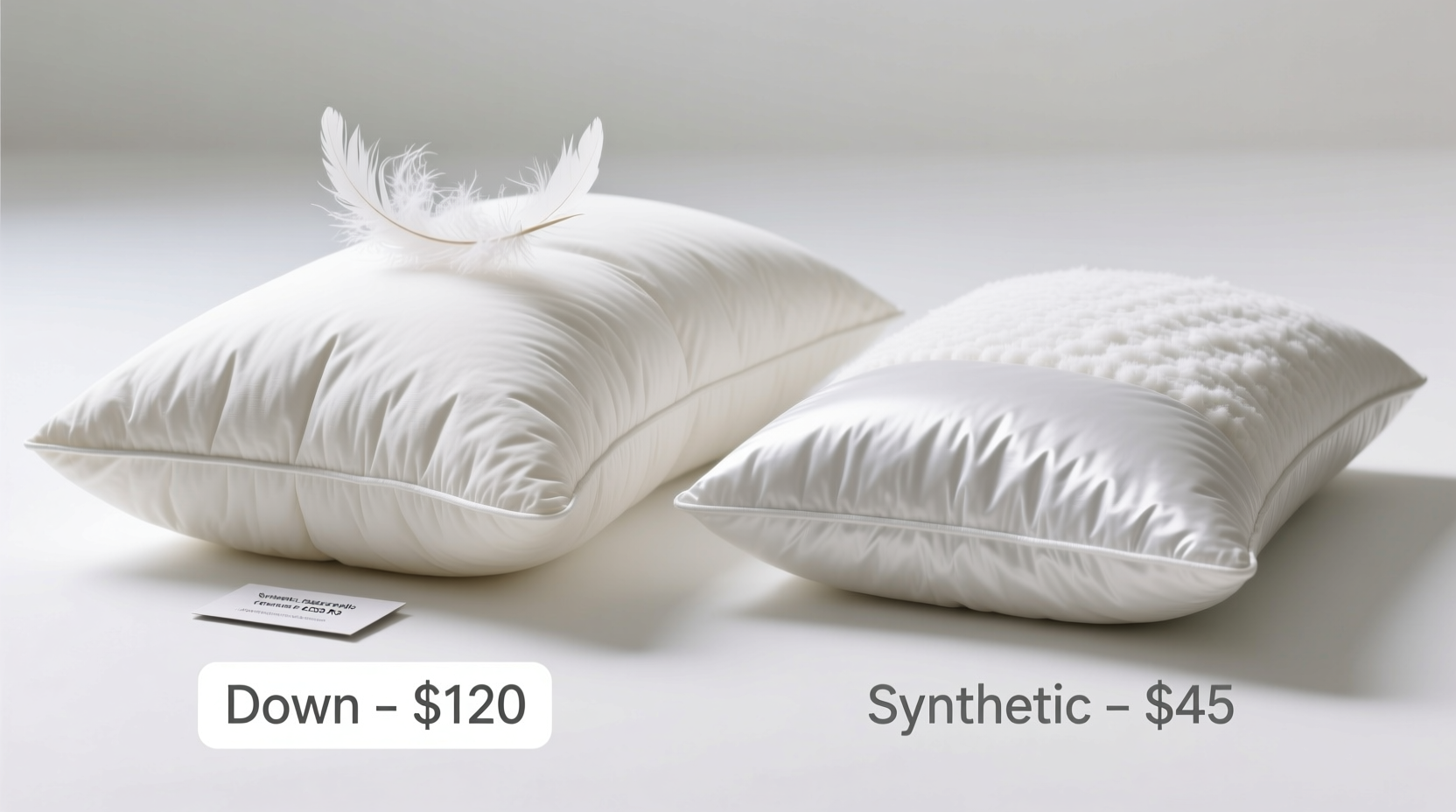
Before comparing value, it's essential to understand what each filling actually is.
Down refers to the soft, fine clusters found beneath the feathers of ducks and geese. Unlike stiff feathers, down has no quill and forms three-dimensional plumes that trap air efficiently. This structure gives down its signature softness, loft, and ability to conform gently to the head and neck.
Synthetic fillings, on the other hand, are typically made from polyester fibers engineered to mimic the properties of down. These can range from basic hollow siliconized fibers to advanced micro-denier clusters designed for maximum fluffiness and breathability. Modern synthetics have come a long way, offering impressive resilience and support at a fraction of the cost.
Tip: Not all \"down\" pillows are equal—look for high fill power (550+), a high percentage of down (ideally 90%+), and responsibly sourced certifications.Performance Comparison: Comfort, Support, and Longevity
The true test of any pillow lies in how it performs night after night. Here’s how down and synthetic stack up across critical factors:
Comfort and Feel
Down is prized for its luxurious, cloud-like feel. It molds to the shape of your head and neck, providing a personalized cradle that adjusts with movement. This responsiveness makes it ideal for side and back sleepers who benefit from gentle contouring.
Synthetic pillows tend to feel firmer and less adaptive initially. However, newer models use multi-layered fiber construction to simulate down-like softness. While they may not offer the same level of nuance, many users find modern synthetics surprisingly comfortable—especially when chosen according to firmness preference.
Temperature Regulation
Down is naturally breathable and moisture-wicking, helping regulate temperature throughout the night. High-quality down allows air circulation while retaining warmth in cooler environments—a reason it’s favored in luxury bedding worldwide.
Synthetic fibers, being petroleum-based, are generally less breathable. They can trap heat and moisture, making some users feel too warm. That said, many brands now incorporate cooling gel beads, phase-change materials, or ventilated designs to counteract this drawback.
Durability and Lifespan
A well-maintained down pillow can last 5–10 years, maintaining its loft and resilience over time—especially if regularly fluffed and aired. The natural elasticity of down clusters resists compaction far better than most synthetics.
In contrast, synthetic pillows usually begin to flatten within 1–3 years. Once compressed, they rarely regain their original shape. While cheaper upfront, this shorter lifespan means more frequent replacements, which can add up over time.
“Down’s longevity and adaptive comfort justify its cost for people who prioritize sleep consistency. But synthetic options have improved dramatically—some now rival entry-level down.” — Dr. Lena Patel, Sleep Ergonomics Researcher, National Sleep Foundation
Cost Analysis: Upfront Price vs. Long-Term Value
Let’s look at real-world pricing and total ownership cost.
| Filling Type | Average Initial Cost | Lifespan | Annual Cost (Over 5 Years) |
|---|---|---|---|
| Premium Goose Down (90%) | $120 | 7–10 years | $12–$17/year |
| Duck Down Blend (70/30) | $70 | 5–7 years | $10–$14/year |
| High-Quality Synthetic | $40 | 2–3 years | $13–$20/year |
| Basic Polyester Pillow | $15 | 1–2 years | $7.50–$15/year |
While down pillows carry a higher initial price, their longer lifespan often results in a lower annual cost. A $120 goose down pillow lasting nine years costs about $13 per year—comparable to replacing a $40 synthetic every three years. Over a decade, the savings (or equivalence) becomes clear.
Ethical and Practical Considerations
Beyond comfort and cost, several lifestyle and moral factors influence the decision.
Allergies and Hypoallergenic Needs
Contrary to popular belief, high-quality down—when properly cleaned and encased in tightly woven fabric—can be hypoallergenic. Dust mites and allergens are more likely to accumulate in old, poorly maintained pillows regardless of filling.
Synthetic pillows are inherently non-allergenic and often marketed as such. They’re a strong choice for those with feather allergies or sensitivities to animal products.
Ethics and Sourcing
The sourcing of down raises ethical concerns. Live-plucking and force-feeding practices in some regions have led to consumer backlash. However, reputable brands now use certified responsible down—such as the Responsible Down Standard (RDS) or Global Traceable Down Standard (TDS)—which ensure humane treatment.
If animal welfare is important to you, always check for third-party certifications. Alternatively, plant-based or recycled synthetics offer cruelty-free alternatives without sacrificing performance.
Maintenance Requirements
Down pillows require more care. They should be fluffed daily, aired weekly, and professionally cleaned every 1–2 years. Exposure to excessive moisture can lead to clumping or mildew.
Synthetic pillows are generally easier to maintain. Most can be machine washed and dried quickly, making them ideal for households with children, pets, or allergy sufferers needing frequent cleaning.
Tip: Use a zippered, hypoallergenic pillow protector with any pillow type—it extends life, improves hygiene, and reduces cleaning frequency.Real-World Example: Two Sleepers, Two Choices
Consider Sarah and James, both seeking better sleep but with different priorities.
Sarah, a side sleeper with chronic neck pain, values support and durability. She invests $110 in an RDS-certified goose down pillow with a 750 fill power. After five years, her pillow still retains 90% of its loft. She replaces it only because she wants a slightly firmer feel. Her annual cost: ~$22 including maintenance.
James, a student sharing a small apartment, needs an affordable, washable pillow. He buys a $35 synthetic model with cooling technology. It flattens noticeably after 18 months, so he replaces it annually. Over five years, he spends $175—more than Sarah—and admits the support never felt quite right.
Their experiences highlight a key truth: value isn’t just about price. It’s about fit, function, and long-term satisfaction.
Checklist: Choosing the Right Pillow for You
- ✅ Identify your sleeping position (side, back, stomach)
- ✅ Determine preferred firmness (soft, medium, firm)
- ✅ Check for allergies or sensitivities
- ✅ Decide on budget—upfront vs. long-term
- ✅ Prioritize ethical sourcing if important to you
- ✅ Consider ease of cleaning and maintenance
- ✅ Look for certifications (RDS, Oeko-Tex, etc.)
- ✅ Test return policies—many brands offer 30–100 night trials
Frequently Asked Questions
Can I wash a down pillow at home?
Yes, but carefully. Use a front-loading machine on a gentle cycle with mild detergent. Rinse thoroughly and dry on low heat with dryer balls for several hours until completely dry to prevent mold. Frequent washing can degrade down over time, so spot cleaning and protectors are recommended.
Are synthetic pillows bad for the environment?
Traditional polyester is derived from fossil fuels and sheds microplastics when washed. However, many brands now use recycled PET (from plastic bottles) or biodegradable fibers. Look for eco-conscious labels and consider lifespan—fewer replacements mean less waste.
Do down pillows lose their fluff over time?
All pillows compress with use, but high-fill-power down resists this better than most materials. Regular fluffing, airing, and proper casing help maintain loft. If a down pillow flattens prematurely, it may be low quality or poorly cared for.
Final Verdict: Is the Extra Cost of Down Worth It?
For many, yes—the extra cost of a high-quality down pillow is absolutely worth it. The combination of superior comfort, breathability, and exceptional longevity often outweighs the initial investment. When sourced responsibly and maintained properly, down delivers a sleep experience that’s difficult to replicate.
However, synthetic pillows are no longer the inferior alternative they once were. Advances in fiber technology have produced supportive, cool-to-the-touch options ideal for allergy sufferers, budget-conscious buyers, or those prioritizing easy care.
The decision ultimately comes down to individual needs. If you sleep soundly for years and value sustainability and luxury, down is a smart long-term buy. If you need affordability, washability, or ethical assurance without animal products, modern synthetics offer compelling solutions.
💬 Have you switched between down and synthetic pillows? What did you notice? Share your experience and help others make a confident choice!








