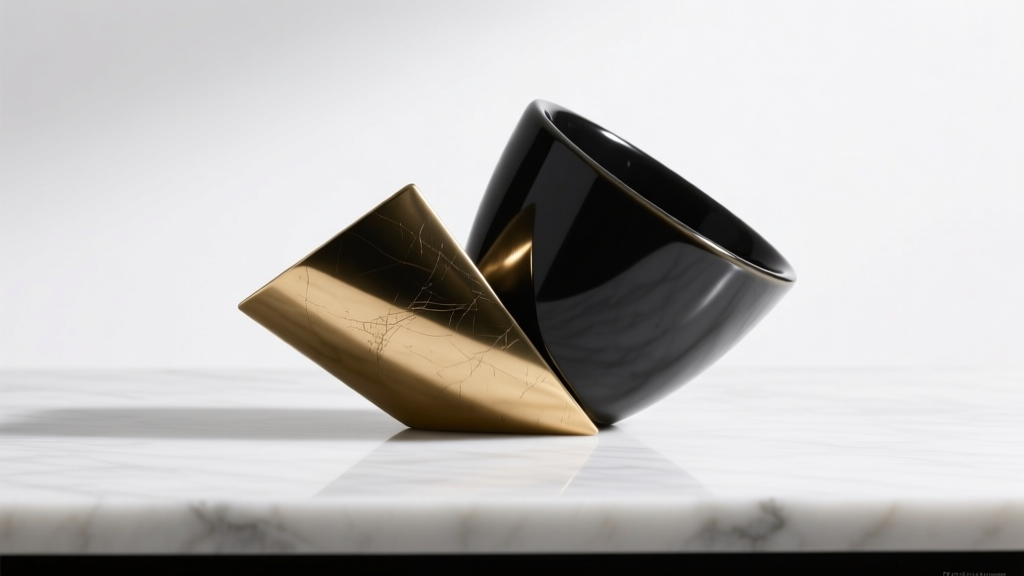
Types of Door Stoppers in Australia
A door stopper is an essential hardware component in both residential and commercial buildings across Australia, designed to prevent doors from swinging too far open and damaging walls, furniture, or door handles. These practical devices enhance safety, reduce noise, and protect interior surfaces. With a wide variety of styles and mechanisms available, choosing the right door stopper depends on your specific needs, aesthetics, and installation preferences.
Wedge Door Stoppers
One of the most common and affordable types, wedge door stoppers are portable and easy to use. Typically placed under the bottom of a door, they physically prevent it from closing or swinging shut unexpectedly.
Advantages
- Simple and tool-free installation
- Portable and reusable across multiple doors
- Effective at preventing slamming
- Affordable and widely available
Limitations
- Can be tripped over if left on the floor
- Limited durability with frequent use
- Less aesthetically integrated into room design
Best for: Temporary use, rental properties, homes with children, and ventilation control
Hinged Door Stoppers
Fixed-mounted hinged stoppers are attached to the door edge and the floor or wall baseboard. They use a pivoting arm that extends as the door opens, limiting its travel at a set angle.
Advantages
- Permanent and reliable positioning
- Prevents door-to-wall impact effectively
- Available in decorative finishes (brass, chrome, matte black)
- Ideal for self-closing doors
Limitations
- Requires drilling and permanent installation
- May interfere with foot traffic if floor-mounted
- Less flexible once installed
Best for: High-traffic areas, commercial buildings, and modern interiors
Magnetic Door Stoppers
These sleek, modern stoppers use magnetic force to hold doors open. One part is mounted on the wall or frame, and the other on the door. When aligned, the magnets engage, securing the door in place until manually disengaged.
Advantages
- Smooth, quiet operation
- Minimalist and stylish design
- No physical obstruction
- Easily released with gentle pressure
Limitations
- Less effective on heavy or exterior doors
- Magnets may weaken over time
- Slightly higher cost than basic models
Best for: Contemporary homes, luxury interiors, and spaces where aesthetics matter
Kick-Down Door Stoppers
Mounted on the floor or door base, kick-down stoppers feature a lever that can be raised or lowered with the foot. When engaged, they extend to block the door’s movement; when not needed, they retract flush with the floor.
Advantages
- Hands-free operation
- Space-saving and discreet when retracted
- Durable and suitable for heavy doors
- Common in commercial and hospitality settings
Limitations
- Requires professional installation
- Potential tripping hazard if not properly maintained
- Higher initial cost
Best for: Hotels, offices, hospitals, and high-use commercial environments
| Type | Installation | Durability | Aesthetics | Best Application |
|---|---|---|---|---|
| Wedge | None (Portable) | Fair | Basic | Temporary use, homes, rentals |
| Hinged | Permanent (Wall/Floor) | Good | Classic to Modern | Residential, offices, self-closing doors |
| Magnetic | Semi-Permanent | Good | Modern/Minimalist | Luxury homes, contemporary spaces |
| Kick-Down | Permanent (Floor-Mounted) | Excellent | Discreet/Professional | Hospitality, commercial, high-traffic areas |
Expert Tip: When selecting a door stopper in Australia, consider climate factors—rubber and plastic components may degrade faster in prolonged UV exposure or high humidity. Opt for UV-resistant or stainless steel models in coastal or sun-exposed areas for longer performance.
Material & Durability for Door Stoppers in Australia
Selecting the right material for door stoppers is a crucial decision that directly impacts longevity, functionality, noise reduction, and aesthetic compatibility. In Australia’s diverse climate—from humid coastal regions to dry inland areas—material performance can vary significantly. Understanding the strengths and limitations of each type ensures optimal selection for residential, commercial, and industrial environments.
Common Materials Used in Australian Door Stoppers
Rubber Door Stoppers
Rubber is one of the most widely used materials for door stoppers across Australia due to its excellent elasticity and shock-absorbing properties. Designed to cushion impact, rubber stoppers significantly reduce noise when a door closes, making them ideal for homes, offices, and schools.
High-quality rubber is resistant to UV degradation, moisture, and temperature fluctuations—key advantages in Australia’s variable weather. Most rubber stoppers are reinforced with metal backing or wall mounts for added durability. They are commonly found in both indoor and outdoor applications, including patios and sliding doors, thanks to their weather-resistant nature.
Additionally, rubber offers good grip without damaging floors or walls, and many models are available in neutral or decorative colours to blend with interior designs.
Metal Door Stoppers
Constructed from durable alloys such as stainless steel, brass, or aluminium, metal door stoppers offer superior strength and resilience—perfect for high-traffic environments like shopping centres, hospitals, and industrial facilities.
Stainless steel models are especially popular in Australia due to their corrosion resistance, making them suitable for coastal areas where salt air can accelerate rusting. These stoppers withstand repeated impacts without deformation and are often used for heavy commercial doors.
While metal stoppers may transfer more noise upon impact than rubber, they are frequently paired with rubber buffers to combine durability with sound dampening. Their sleek, modern appearance also makes them a preferred choice for contemporary architectural designs.
Plastic Door Stoppers
Plastic door stoppers provide a cost-effective and lightweight solution, ideal for temporary installations, rental properties, or budget-conscious projects. Modern engineering plastics like polycarbonate or ABS offer surprising durability and resistance to cracking under normal use.
Available in a wide range of colours and styles, plastic stoppers are often chosen for their visual appeal and ease of installation. Some models feature rubber tips to enhance grip and reduce wear on surfaces.
However, prolonged exposure to direct sunlight or extreme temperatures can cause certain plastics to become brittle over time, particularly in Australia’s harsh sun. Therefore, they are best suited for shaded or indoor areas where UV exposure is limited.
Wooden Door Stoppers
Wooden door stoppers bring a natural, warm aesthetic to traditional, rustic, or heritage-style interiors. Crafted from hardwoods like Jarrah, Blackbutt, or Victorian Ash—common in Australian woodworking—these stoppers complement timber flooring and cabinetry beautifully.
While wood is inherently strong, it requires proper sealing with varnish, oil, or waterproof coatings to resist moisture absorption, warping, and insect damage—especially important in humid or coastal regions. Treated wooden stoppers can last for years and develop a rich patina over time.
They are typically mounted with metal brackets and are often custom-made for unique design applications. Though less common in commercial settings, wooden stoppers remain a popular choice for homes seeking an organic, timeless look.
| Material | Durability | Best Use Case | Climate Suitability (Australia) |
|---|---|---|---|
| Rubber | High | Residential, offices, schools | All climates (UV-stabilised versions recommended) |
| Metal (e.g., Stainless Steel) | Very High | Commercial, industrial, coastal areas | Excellent in coastal and humid zones |
| Plastic | Moderate | Temporary, rental, indoor use | Best in shaded or indoor environments |
| Wood | Medium (with treatment) | Heritage homes, rustic interiors | Controlled indoor climates; treated for outdoor use |
Key Selection Tips for Australian Conditions
Important: Always verify product specifications for UV resistance, load capacity, and suitability for outdoor use—especially in Australia’s extreme weather conditions. Using inappropriate materials can lead to premature failure, safety hazards, or damage to doors and walls. Investing in high-quality, climate-appropriate door stoppers enhances both functionality and long-term value.
Scenarios for Door Stoppers in Australia
Door stoppers are essential safety, convenience, and functionality accessories across various environments in Australia. From homes to industrial sites, the right door stopper enhances user experience, protects property, and promotes airflow and accessibility. Below is a comprehensive overview of key applications and recommended solutions tailored to different settings.
Residential Settings
In Australian homes, especially those with open-plan layouts or coastal breezes, door stoppers play a vital role in managing door movement and improving indoor comfort. A rubber door stop is commonly used at door bases or walls to prevent slamming caused by strong winds or accidental pushes—common in households with children or pets.
- Prevents doors from damaging walls, furniture, or fingers during sudden gusts or active play
- Enables doors to remain open for cross-ventilation, a key feature in Australia’s warm climate
- Rubber variants offer silent operation and non-slip grip on timber, tile, or carpeted floors
- Wall-mounted and floor-mounted options suit different interior designs and space constraints
Pro tip: Choose UV-resistant rubber for outdoor or sunroom applications to prevent degradation over time.
Commercial Spaces
Office buildings, retail stores, and service facilities across Australia rely on door stoppers to maintain workflow efficiency and reduce noise pollution. A kick-down door stopper is ideal for high-traffic areas where employees frequently move in and out with hands full.
- Kick-down models allow easy activation and retraction with a foot, minimizing physical contact and improving hygiene
- Magnetic door stoppers are preferred in professional environments for their sleek, quiet, and reliable hold
- Reduces wear and tear on doors, frames, and adjacent walls—cutting long-term maintenance costs
- Contributes to workplace safety by preventing unexpected door movement in corridors and entryways
Best practice: Install low-profile, stainless steel stoppers in modern offices for durability and aesthetic alignment.
Schools and Universities
Educational institutions manage hundreds of doors daily, making reliable door control a top priority. Kick-down and hinged door stoppers are widely used in classrooms, labs, and auditoriums across Australia due to their ease of use and resilience to heavy student traffic.
- Facilitates safe, hands-free door positioning during class changes or emergency evacuations
- Promotes consistent airflow in older buildings without advanced HVAC systems
- Durable designs withstand repeated use and are easy to clean—important in hygiene-sensitive environments
- Reduces noise disruptions between classrooms by preventing doors from swinging shut unexpectedly
Key benefit: Complies with Australian building standards for accessibility and safety in public education facilities.
Hotels and Hospitality Industry
In Australia’s competitive hospitality sector, functionality meets elegance. Magnetic door stoppers are increasingly popular in hotels, resorts, and conference centers for their seamless integration and quiet operation.
- Provides a refined, minimalist look that complements high-end interior designs
- Allows banquet and conference room doors to stay open during events without obstruction
- Easy to maintain and resistant to frequent use by guests and staff
- Reduces noise disturbances in guest corridors, enhancing the overall guest experience
Design insight: Brushed nickel or matte black finishes offer both durability and visual appeal in luxury settings.
Industrial and Warehouse Settings
In industrial environments, safety and operational efficiency are paramount. Heavy-duty door stoppers, constructed from reinforced rubber, steel, or composite materials, are installed on large warehouse doors, loading bays, and workshop entrances.
- Secures heavy industrial doors open during material handling, forklift operations, or personnel movement
- Prevents accidental closures that could trap workers or damage equipment
- Withstands extreme conditions including dust, moisture, and constant vibration
- Improves ventilation in large facilities, contributing to better air quality and worker comfort
Safety note: Choose high-visibility yellow or red stoppers in industrial zones to enhance awareness and compliance.
Expert Recommendation: When selecting door stoppers for any Australian environment, consider climate, foot traffic, and material compatibility. For coastal areas, opt for corrosion-resistant hardware. In high-traffic zones, prioritize robust, low-maintenance designs. Always ensure compliance with local building codes and accessibility standards (such as the National Construction Code and Disability Discrimination Act requirements).
| Environment | Recommended Stopper Type | Material | Key Benefits |
|---|---|---|---|
| Residential Homes | Rubber floor/wall stopper | UV-resistant rubber | Quiet, safe, ventilation-friendly |
| Offices & Retail | Kick-down or magnetic | Stainless steel + rubber | Hands-free, durable, low-noise |
| Schools & Universities | Hinged or floor-mounted | Reinforced plastic/metal | Child-safe, easy to clean |
| Hotels & Resorts | Magnetic wall stopper | Brushed metal + rubber tip | Elegant, silent, reliable |
| Warehouses & Factories | Heavy-duty floor stopper | Steel-reinforced rubber | High visibility, impact-resistant |
Additional Considerations for Australian Users
- Climate Resilience: Select materials that resist UV degradation, rust, and temperature extremes—especially important in northern and coastal regions.
- Accessibility Compliance: Ensure stoppers do not obstruct pathways or hinder wheelchair access, aligning with Australian Standards (AS 1428).
- Installation Flexibility: Choose models that can be mounted on concrete, timber, or metal surfaces depending on the building type.
- Sustainability: Eco-friendly rubber and recyclable metal components are increasingly available and preferred in green-certified buildings.
- Child Safety: In homes and schools, avoid sharp edges and ensure stoppers are securely fixed to prevent choking hazards.
How to Choose the Best Door Stoppers in Australia
Selecting the right door stopper is more than just a functional decision—it's about safety, durability, and enhancing your space’s aesthetics. Whether you're protecting walls from door damage or ensuring accessibility and convenience, choosing the appropriate door stopper depends on several key factors. This comprehensive guide explores everything you need to know when purchasing door stoppers in Australia, including types, materials, durability, style, and ease of installation.
Important Note: In Australia’s diverse climate—from humid coastal regions to dry inland areas—material performance can vary significantly. Always consider environmental conditions when selecting a door stopper for outdoor or high-moisture areas like bathrooms and laundries.
Key Factors to Consider When Choosing Door Stoppers
- Type of Door
The type of door in your home or business plays a crucial role in determining the most suitable door stopper:
- Wedge Door Stoppers: Ideal for interior doors with moderate use. These portable rubber or foam wedges are perfect for temporary positioning and are especially useful in homes with children or pets.
- Heavy-Duty Metal or Rubber Stops: Designed for solid timber, commercial, or exterior doors that are heavier and subject to stronger forces. These provide maximum resistance and are often mounted permanently.
- Kick-Down & Hinged Stoppers: Versatile options that work well with both lightweight and heavy doors. Kick-down stoppers are floor-mounted and retract when not in use, making them ideal for high-traffic areas. Hinged stoppers attach to walls or skirting boards and offer smooth, controlled stopping action.
- Material
The material of a door stopper affects its performance, longevity, and suitability for different environments:
- Rubber: Excellent for indoor use due to its noise-absorbing properties and soft impact cushioning. Natural rubber is non-marking and provides strong grip on tiles and hardwood floors.
- Metal (Stainless Steel or Zinc Alloy): Highly durable and weather-resistant, making it ideal for external doors, commercial buildings, or coastal areas where salt air and moisture can degrade lesser materials.
- Plastic: Lightweight and affordable, plastic stoppers are often used for decorative purposes or in low-traffic areas. While less durable than rubber or metal, modern UV-stabilized plastics are better suited to Australian sun exposure.
- Durability
In high-traffic areas such as schools, offices, or busy households, durability is essential. Consider the following:
- Metal and reinforced rubber stoppers withstand constant use and are less likely to crack or degrade over time.
- Plastic stoppers may become brittle under prolonged UV exposure or extreme temperatures common in many parts of Australia.
- Floor-mounted models should be constructed with impact-resistant materials to avoid damage from repeated door contact.
- For commercial applications, look for products with industrial-grade certifications or compliance with Australian building standards.
- Aesthetic Appeal
Door stoppers don’t have to be purely functional—they can complement your interior design:
- In formal or commercial spaces, sleek stainless steel or powder-coated finishes offer a modern, professional appearance.
- Decorative rubber or plastic stoppers come in various colours and patterns, allowing them to blend with or accentuate room decor.
- Wall-mounted hinged stoppers can be painted to match skirting boards or walls for a seamless look.
- Consider minimalist designs for contemporary homes or vintage-style metal stoppers for heritage buildings.
- Ease of Installation
Installation complexity varies by type and mounting method:
- Adhesive or Weighted Stoppers: No tools required—simply place on the floor. Great for renters or temporary setups.
- Screw-Fixed Models (Hinged, Kick-Down, Magnetic): Require basic tools and drilling but offer permanent, reliable performance. Ensure you use appropriate anchors for tile or plaster walls.
- Magnetic Door Stoppers: Easy to install with screws and offer a smooth, quiet stopping mechanism. Ideal for modern homes where aesthetics and silence matter.
- Always follow manufacturer instructions and check for obstructions behind walls before drilling.
| Type | Best For | Material Options | Installation Difficulty | Lifespan (Est.) |
|---|---|---|---|---|
| Wedge | Interior doors, temporary use | Rubber, Foam, Plastic | None (No installation) | 1–2 years |
| Hinged Wall Stopper | Bedrooms, offices, controlled spaces | Metal, Plastic, Rubber-tipped | Low to Medium | 5+ years |
| Kick-Down Floor Stopper | High-traffic areas, commercial use | Stainless Steel, Reinforced Rubber | Medium | 7+ years |
| Magnetic Stopper | Modern interiors, quiet operation | Metal with rubber contact point | Low | 5–8 years |
| Door Handle Stopper | Space-saving, unique applications | Plastic, Silicone, Metal | Low | 2–4 years |
Expert Tip: In Australian homes with pets or small children, consider soft-close or magnetic stoppers to prevent fingers from getting caught and reduce noise. Also, opt for non-slip bases to avoid accidents on polished floors.
Additional Buying Tips for Australian Consumers
- Check for UV resistance if installing stoppers in sun-exposed areas like verandas or patios.
- Purchase from reputable Australian suppliers who offer local warranties and support.
- Look for eco-friendly options made from recycled rubber or sustainable plastics.
- Ensure compliance with disability access standards (AS 1428) in commercial or public buildings.
- Test floor-mounted stoppers on your specific flooring type (e.g., hardwood, tile, carpet) to ensure stability and prevent scratching.
Choosing the right door stopper in Australia means balancing practicality, climate resilience, and design. Whether you're outfitting a new build, renovating your home, or managing a commercial property, investing in quality door protection enhances safety, reduces maintenance costs, and contributes to a more polished environment. Take the time to assess your needs, and you'll find a solution that works perfectly for your space.
Frequently Asked Questions About Rubber Door Stoppers
Q1: What Are the Most Common Uses of Rubber Door Stoppers?Rubber door stoppers are widely used across residential, educational, and commercial environments to prevent doors from slamming shut. Their primary function is to absorb impact, protect walls and door hardware, and reduce noise—making them ideal for homes, schools, offices, and hospitals where quiet and safety are priorities.
- Impact Absorption: The natural elasticity of rubber cushions the force when a door opens or closes, minimizing damage to walls and hinges.
- Door Protection: Prevents dents, scuffs, and cracks on walls and adjacent furniture caused by repeated door contact.
- Weather Resistance: High-quality rubber is resistant to moisture and temperature changes, making it suitable for outdoor use or damp environments like patios and garages.
- Slip Resistance: Rubber grips surfaces well, reducing the chance of the stopper sliding when under pressure.
Because of their durability and flexibility, rubber stoppers are a cost-effective and long-lasting solution for both interior and limited exterior applications.
Q2: Do Door Stoppers Come With Aesthetic Design Considerations?Absolutely. Modern door stoppers are not only functional but also designed to complement interior décor. Manufacturers offer a wide variety of styles, colors, materials, and finishes to match different design themes—from minimalist modern to vintage or industrial aesthetics.
- Decorative Options: Available in sleek metallic finishes, colorful rubber caps, or even sculptural designs that double as art pieces.
- Custom Branding: Businesses and hotels often use personalized door stoppers with logos or brand colors to enhance professionalism and brand identity.
- Discreet Integration: Wall-mounted or floor-mounted models can be installed flush or in neutral tones to blend seamlessly into the environment.
- Material Variety: While rubber is common, some decorative stoppers use wood, chrome, or ceramic elements for visual appeal.
Choosing a door stopper that aligns with your space’s design ensures functionality without compromising on style or ambiance.
Q3: Are Door Stoppers Important for Commercial Businesses?Yes, door stoppers play a crucial role in commercial environments due to high foot traffic, frequent door usage, and the need for safety and equipment longevity. In offices, retail stores, hospitals, and schools, doors are opened and closed hundreds of times daily, increasing the risk of damage and noise pollution.
- Heavy-Duty Solutions: Commercial-grade stoppers are often made from reinforced rubber, steel, or aluminum to withstand constant use.
- Specialized Types: Magnetic, kick-down, floor-mounted, and overhead stoppers are commonly used in businesses for better control and space efficiency.
- Safety Compliance: Prevents accidents caused by swinging doors, especially in crowded or narrow hallways.
- Asset Protection: Reduces maintenance costs by preventing wall damage, broken hinges, and door misalignment.
Investing in durable, commercial-grade door stoppers contributes to a safer, quieter, and more professional workplace environment.
Q4: How Do Magnetic Door Stoppers Work?Magnetic door stoppers use the power of magnetism to hold a door securely in place. They typically consist of two components: one mounted on the door and the other on the wall or floor. When the door opens, the magnets attract and lock together, preventing further movement.
- Controlled Holding: The magnetic force gently but firmly stops the door at a set angle, protecting walls and nearby furniture.
- Soft Release: If the door is pushed lightly, the magnets disengage smoothly, allowing the door to close without abrupt slamming.
- Space-Saving: Ideal for tight spaces where traditional stoppers might obstruct movement or furniture placement.
- Easy Installation: Most models require only basic tools and can be mounted with screws or adhesive pads.
These stoppers are especially popular in modern homes and offices for their clean look, quiet operation, and reliable performance.
Q5: Are There Door Stoppers Suitable for Exterior Doors?Yes, there are door stoppers specifically engineered for outdoor and exterior door applications. These are constructed from weather-resistant materials such as stainless steel, aluminum, or UV-stabilized rubber to endure rain, snow, sunlight, and temperature fluctuations.
- Durable Materials: Metal-based stoppers resist rust and corrosion, while high-grade rubber resists cracking and fading from sun exposure.
- Secure Mounting: Designed with strong fasteners or anchoring systems to withstand wind and frequent use.
- All-Weather Performance: Function effectively in extreme conditions without losing grip or structural integrity.
- Versatile Placement: Can be mounted on walls, floors, or steps near entryways, patios, garages, and sliding doors.
For exterior use, it’s important to select a stopper labeled as weatherproof or outdoor-rated to ensure long-term reliability and safety.









