Decorating for the holidays often means draping strings of festive lights across the exterior of a home. For homeowners with traditional asphalt shingle roofs, this is a familiar process. But when it comes to homes with metal roofing—increasingly common due to durability and energy efficiency—a key question arises: do standard Christmas light clips work just as well? The short answer is yes—but with important caveats. Metal roofs present unique challenges and opportunities when installing holiday lighting, and understanding how to adapt your approach ensures both a stunning display and long-term protection of your roof.
Metal roofing systems are engineered for longevity, sometimes lasting 50 years or more. They’re resistant to fire, rot, and insect damage, but they can be vulnerable to scratches, improper fastening, and thermal expansion if not handled correctly. Standard plastic light clips designed for shingles may not adhere properly or could even damage the protective coating on metal panels. Choosing the right hardware, technique, and attachment method is essential to avoid compromising your roof’s integrity while still achieving that magical holiday glow.
How Traditional Light Clips Work on Shingles
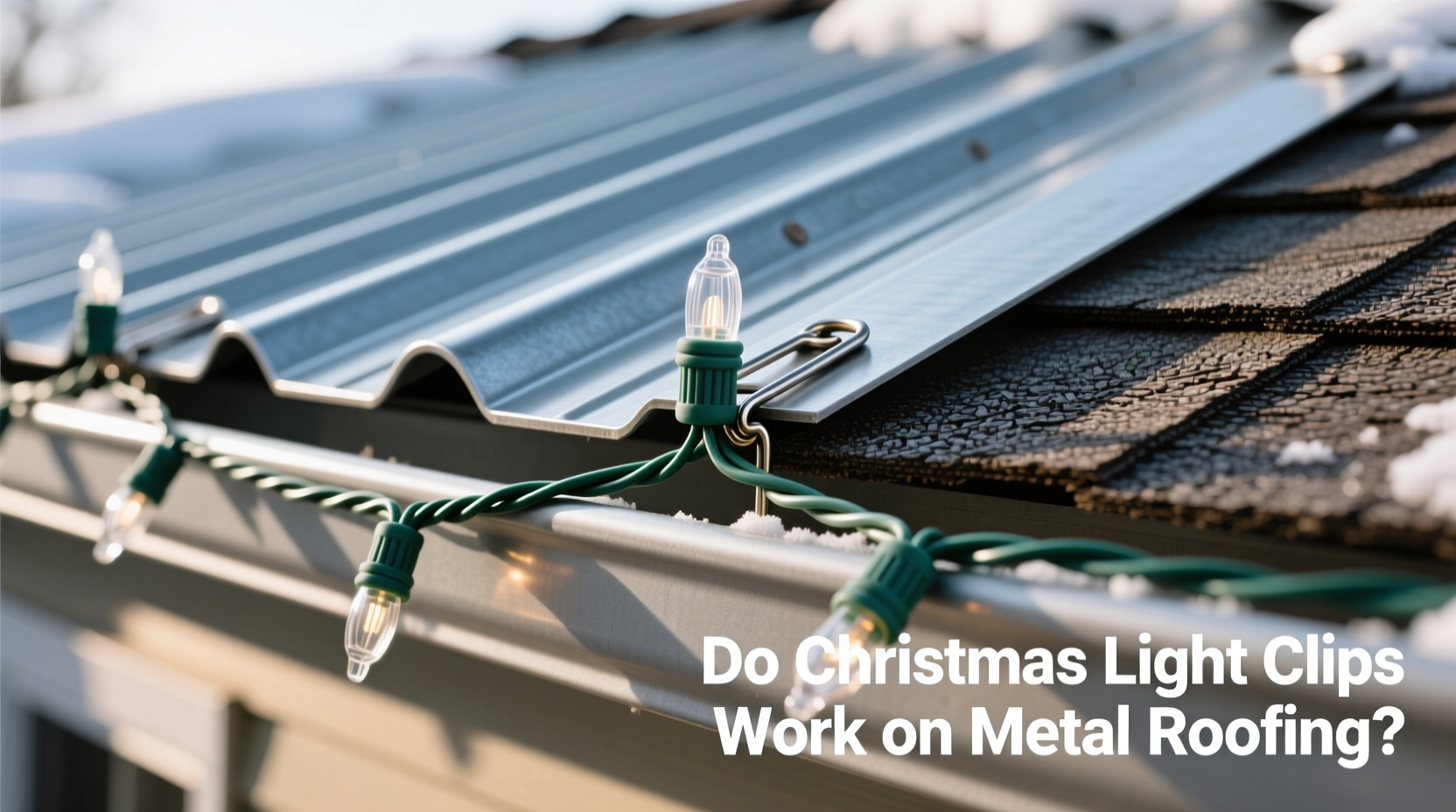
Most off-the-shelf Christmas light clips are designed specifically for asphalt shingle roofs. These clips typically feature a small hook or prong that slides under the edge of a shingle and secures with a screw or clip mechanism. Because shingles overlap and have a granular surface, these attachments find enough friction and grip to hold lightweight strands of lights securely—even in moderate wind.
The installation process is straightforward:
- Position the clip at the desired spacing along the roofline.
- Lift the edge of the shingle slightly and slide the clip underneath.
- Secure the clip with a small nail or screw through the pre-drilled hole.
- Attach the light strand to the clip’s outer hook.
This method works reliably on shingles because they’re relatively thick, textured, and forgiving of minor punctures. However, the same cannot always be said for metal roofing, which operates under different physical principles.
Challenges of Using Standard Clips on Metal Roofs
Metal roofs are constructed from interlocking panels made of steel, aluminum, or copper. These panels expand and contract significantly with temperature changes—a phenomenon known as thermal movement. Drilling into a metal panel without accounting for this movement can lead to warping, leaks, or premature failure of the roof system.
Using standard shingle clips on metal roofing poses several risks:
- Puncturing the finish: Many metal roofs have a protective polymer or paint coating that prevents corrosion. Piercing this layer exposes the underlying metal to moisture and rust.
- Creating leak points: Screws driven directly into standing seams or flat panels without proper flashing or sealant can become entry points for water during snowmelt or rain.
- Interfering with structural integrity: Fasteners placed in the wrong location (e.g., on unsupported sections of the panel) can cause denting or stress fractures over time.
- Reduced flexibility: Unlike shingles, metal panels move. Rigid attachments can restrict this motion, leading to fatigue cracks or seam separation.
Specialized Clips and Alternatives for Metal Roofs
Luckily, there are effective solutions tailored for metal roofing. The market has responded with clips and mounting systems that respect the material’s properties while providing secure light attachment.
Magnetic Clips
One of the safest and easiest options for metal roofs is magnetic light clips. These utilize strong neodymium magnets to attach to the metal surface without any penetration. They work best on steel panels (which are ferromagnetic), but not on aluminum or copper roofs.
Advantages:
- No drilling or screws required
- Easy to install and remove
- Do not damage coatings or create leak paths
Limitations:
- May not hold in high winds unless paired with additional support
- Ineffective on non-ferrous metals
- Can scratch finishes if grit gets trapped between magnet and roof
Gutter and Fascia Mounting
Instead of attaching directly to the roof, many professionals recommend using gutters, drip edges, or fascia boards as anchor points. Specialized gutter clips or S-shaped hooks can suspend lights just below the eave line, creating the illusion of roof-mounted lighting without touching the metal surface.
This method preserves the roof warranty and avoids all risks associated with panel penetration.
Standing Seam Roof Clips
For homes with standing seam metal roofs (those with vertical ribs and raised seams), there are specialized non-penetrating clamps that attach to the seam itself. These clamps use a pinch mechanism to grip the seam tightly without drilling. Originally designed for solar panel mounting, they’ve been adapted for holiday lighting by some DIYers.
These are highly secure and distribute pressure evenly, making them ideal for heavy light strands or windy locations.
Adhesive Hooks (Use with Caution)
Some decorators turn to heavy-duty outdoor adhesive hooks. While convenient, these are generally not recommended for metal roofs. Most adhesives fail in extreme cold, and removal can peel protective coatings. If used, choose products rated for low temperatures and test on a small area first.
“Metal roofs demand a different mindset when decorating. The goal isn’t just aesthetics—it’s preserving a high-performance roofing system.” — Derek Langston, Certified Metal Roofing Installer (CMR)
Step-by-Step Guide: Installing Lights on a Metal Roof Safely
Follow this proven sequence to decorate your metal roof without causing damage:
- Assess Your Roof Type: Determine whether you have exposed fastener or standing seam panels, and whether the metal is steel (magnetic) or aluminum/copper (non-magnetic).
- Choose the Right Attachment Method:
- Steel roof → Magnetic clips or gutter mounts
- Standing seam → Seam clamps
- Aluminum/copper → Gutter or fascia-only mounting
- Plan Light Placement: Lay out your light strands on the ground to estimate spacing and length. Aim for consistent intervals (typically 12–24 inches apart).
- Install Attachments: Place magnetic clips or gutter hooks according to your plan. For magnetic types, wipe the roof surface clean first to maximize grip.
- Attach Lights Gradually: Begin at one end and secure each section of lights to the clips. Avoid pulling too tight—allow slight sag for natural drape.
- Secure Ends and Connections: Use insulated wire connectors and wrap outdoor-rated electrical tape around splices. Elevate connections off the roof surface if possible.
- Test Before Finalizing: Turn on the lights to check for dark sections or loose connections. Adjust positioning as needed.
- Inspect After Weather Events: After heavy wind or snow, check that clips remain secure and no debris has accumulated.
Comparison Table: Attachment Methods for Metal vs. Shingle Roofs
| Method | Works on Metal Roof? | Works on Shingles? | Roof Damage Risk | Installation Ease |
|---|---|---|---|---|
| Standard Shingle Clips | No (high risk) | Yes | High – may puncture coating | Easy |
| Magnetic Clips | Yes (steel only) | No | Low – potential scratching | Very Easy |
| Gutter/Fascia Hooks | Yes | Yes | Very Low | Easy |
| Standing Seam Clamps | Yes (standing seam only) | No | Very Low | Moderate |
| Adhesive Hooks | Limited (cold-sensitive) | Limited | Moderate – peeling risk | Easy |
| Drilling with Sealant | Yes (if done professionally) | Yes | Moderate – leaks if failed | Difficult |
Real Example: A Homeowner’s Experience in Colorado
Sarah Mendoza, a homeowner in Boulder, Colorado, installed a standing seam steel roof in 2020 to withstand harsh winters. When the holiday season arrived, she tried using her old shingle clips, only to realize they wouldn’t fit and would require drilling.
“I called my roofer before doing anything,” she recalls. “He strongly advised against piercing the panels and suggested I look into magnetic clips or go the gutter route.”
Sarah opted for a hybrid solution: magnetic clips along the lower edge of the roof and S-hook gutter mounts for the front-facing eaves. She used warm-white LED mini lights and spaced them evenly. The result was a professional-looking display that didn’t compromise her roof’s performance. “It took half the time I expected, and I didn’t void my warranty,” she says. “Best decision I made.”
Checklist: Preparing to Hang Lights on a Metal Roof
- ☐ Identify your metal roof type (steel, aluminum, standing seam, etc.)
- ☐ Choose non-penetrating attachment methods where possible
- ☐ Purchase magnetic clips (for steel) or seam clamps (for standing seam)
- ☐ Consider gutter/fascia as alternative mounting zones
- ☐ Use LED lights to reduce weight and heat output
- ☐ Clean roof surface before applying magnetic or adhesive solutions
- ☐ Inspect all electrical cords for damage before installation
- ☐ Plan for easy removal to avoid springtime damage
Frequently Asked Questions
Can I drill into my metal roof to hang Christmas lights?
You can, but it should be a last resort. If drilling is necessary, use butyl-sealed fasteners designed for metal roofing and place them only in supported areas (over rafters). Avoid drilling into the flat sections of panels. Always consult your roof manufacturer’s guidelines—many warranties are voided by unauthorized penetrations.
Will magnetic clips stay on in strong wind?
High-quality magnetic clips with rubber padding can withstand moderate wind, especially when used with lightweight LED strands. For added security, pair them with temporary zip ties anchored to gutter hooks or use double magnets per light section. Avoid using them on sloped sections where gravity increases slippage risk.
Are there holiday lighting kits made specifically for metal roofs?
While no major brand markets a dedicated “metal roof lighting kit,” several companies sell magnetic clip sets and seam-mount accessories suitable for the purpose. Look for products labeled for “metal surfaces” or “commercial roofing” applications. Some solar mounting suppliers also offer compatible clamp systems adaptable for seasonal use.
Final Thoughts: Decorating Smartly for Long-Term Protection
Holiday lighting should enhance your home, not endanger it. With metal roofing becoming more popular across North America, it’s crucial to shift away from one-size-fits-all decoration strategies. Standard shingle clips are not suitable for most metal roofs, but effective, safe alternatives exist.
The key is respecting the engineering behind metal roofing—its need for expansion, its vulnerability to corrosion at breach points, and its long-term value as a protective shell. By choosing the right tools and techniques, you can enjoy a dazzling display year after year without sacrificing performance or peace of mind.
💬 Have experience hanging lights on a metal roof? Share your tips, favorite products, or lessons learned in the comments—your insights could help another homeowner decorate safely this season!








